Maintaining a License
Not sure you’re ready?
Take the ~3-minute readiness diagnostic and see where you stand.
The physical real estate license is the legal tether connecting an agent’s daily hustle to the regulatory authority of the State of New York. Unlike a university diploma, which remains static once earned, a real estate license is a dynamic, living instrument. It demands constant maintenance, precise locational tracking, and a formal, unbroken chain of custody. Maintaining this license is not merely an administrative chore; it is the fundamental requirement that enables professionals to legally negotiate contracts, represent clients, and collect commissions in one of the world's most aggressive property markets.
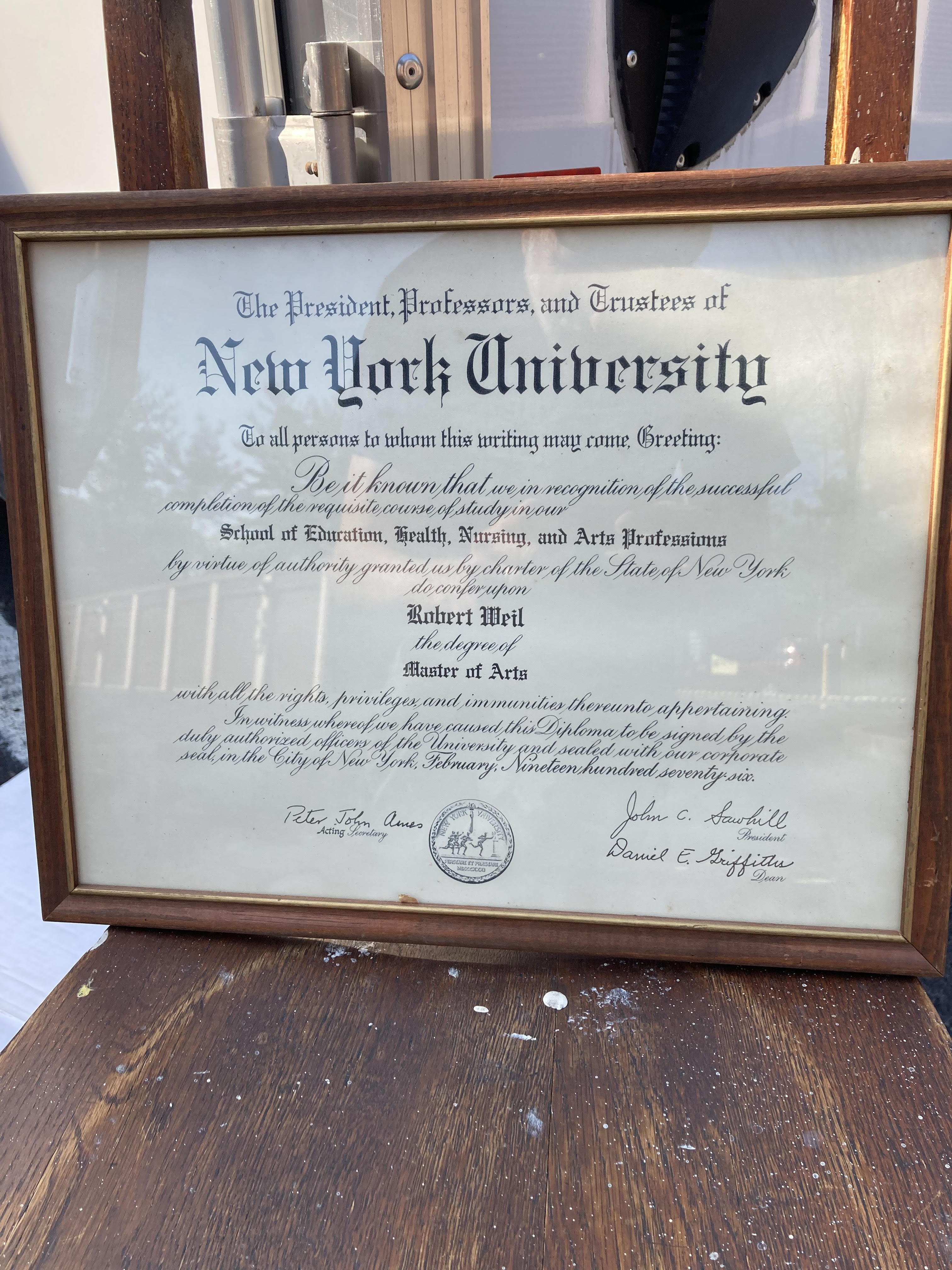
When the state grants you the right to sell real estate, it does not hand you a single piece of paper and send you on your way. To understand the mechanics of New York real estate law, you must understand the relationship between the agent, the broker, and the state. Because a real estate salesperson acts as an extension of their sponsoring broker, the physical documentation of your authority is divided into two distinct components: the wall license and the pocket card.
The Chain of Custody: The Physical License
The New York Department of State issues a physical real estate license to every approved real estate salesperson. However, you do not actually keep this document. A principal real estate broker securely holds the physical real estate license of each associated salesperson.
Why does the broker hold it? Because in the eyes of the law, a salesperson's authority to operate flows entirely through the principal broker. By possessing your physical license, the broker maintains strict oversight of their sales force. If an agent goes rogue or leaves the firm, the broker physically controls the instrument of their agency.
While your license is kept secure in the broker's files, the broker’s own documentation must face the public. A real estate broker must conspicuously display the broker's own license at the broker's principal place of business. This serves as immediate visual proof to any consumer entering the brokerage that the entity is legally authorized to conduct transactions.
The Agent's Passport: The Pocket Card
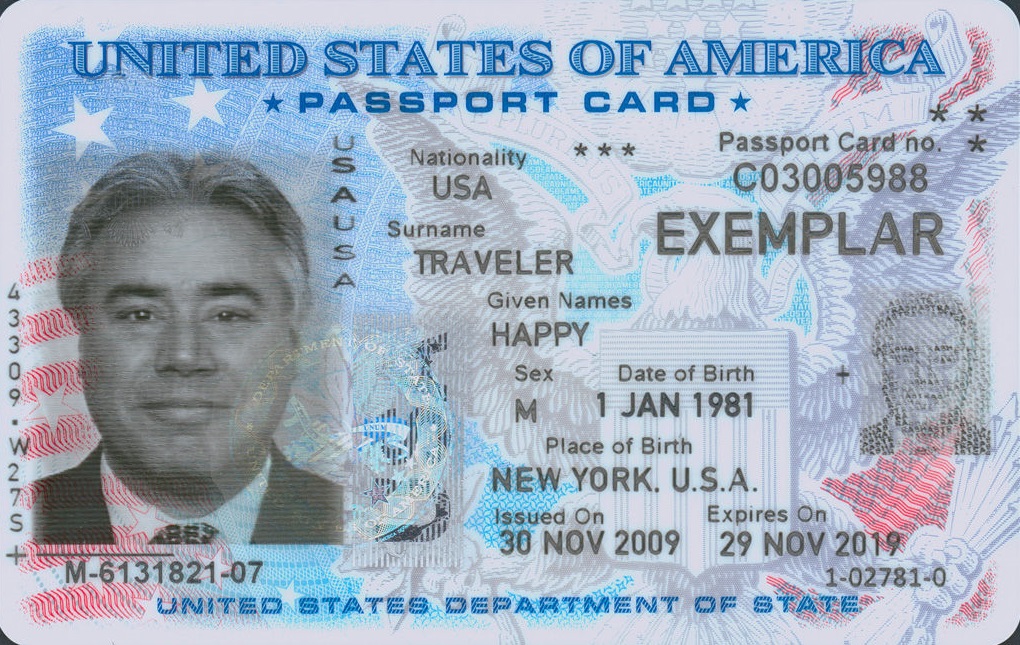
Because you are out in the field—showing co-ops on the Upper East Side or touring Brooklyn commercial spaces—you need a way to prove your authority outside the brokerage walls. Therefore, the New York Department of State issues a pocket identification card to every licensed real estate salesperson.
The Golden Rule of Fieldwork: A real estate salesperson must carry the Department of State-issued pocket card at all times when conducting real estate business.
Furthermore, you are legally required to present the official pocket card upon demand to any person. Whether it is a skeptical doorman, a prospective buyer, or an undercover Department of State investigator, you must be able to instantly produce this card.
The state engineers this card to be a complete snapshot of your professional identity. A real estate salesperson's pocket card contains:
- The licensee's photograph
- The licensee's legal name
- The licensee's business address
- The name and business address of the salesperson's sponsoring broker
If your wallet is stolen or your card goes through the laundry, you cannot simply operate without it. The New York Department of State issues a duplicate real estate pocket card for a $10 fee in the event of loss or destruction.
Finally, a real estate license term in New York lasts for a period of exactly two years. Keeping track of this biennial cycle is paramount, as everything from continuing education to renewal fees hinges on this exact timeframe.
The Department of State tracks tens of thousands of licensees. If their data is wrong, the entire accountability structure of consumer protection collapses. For this reason, licensees must notify the New York Department of State of any change in legal name, business address, or home address.

To streamline this massive logistical effort, real estate licensees process most status and information updates online through the New York Department of State's e-Licensing system. This centralized portal is your digital command center.
Whenever a change forces the state to update its database and generate new documentation, fees apply.
| Type of Update (Outside Renewal Period) | Associated Fee |
|---|---|
| Standard change of address | $10 |
| Change of a salesperson's legal name | $50 |
| Change of a broker's name or license status | $150 |
When you legally change your name, move your home, or switch business locations, the state will update your physical credentials. The Department of State issues a new photo identification pocket card to a licensee upon approval of a change of association, name change, or address change.
The actions of the principal broker have profound, immediate consequences for every agent under their roof.
Imagine your brokerage decides to move its headquarters from Tribeca to a larger office in Midtown. A principal broker must formally notify the Department of State if the brokerage's principal business address changes. But this is not a simple one-click update. Because every salesperson's physical license and pocket card are legally tied to that specific business address, the state must update everyone's records. Consequently, a real estate broker must pay a $10 change of address fee for every associated licensee when the brokerage relocates. For a mega-brokerage with 500 agents, an office move costs $5,000 in regulatory fees alone!

The Catastrophe of Administrative Negligence
What happens if a principal broker moves the office and forgets to inform the state? The consequences are severe and absolute.
The Domino Effect: Failure to notify the Department of State of a brokerage address change results in the suspension of the principal broker's real estate license.
Because a salesperson's authority to act exists only through the broker, the suspension of a real estate broker's license automatically suspends the licenses of all associated real estate salespersons.
If you walk into work on a Tuesday and find out your broker's license is suspended, you are legally paralyzed. You cannot show homes, you cannot negotiate leases, and you cannot close deals. However, your career is not over. A salesperson affected by a broker's license suspension can resume practice by legally transferring to a new, active sponsoring broker.
Expanding the Footprint: Branch Offices
When a brokerage grows, it often opens satellite locations. A real estate broker must obtain a supplemental license for each branch office operated by the brokerage. Just as the primary license must be visible at the headquarters, a branch office real estate license must be conspicuously displayed inside the respective branch office location.
Real estate is a highly transient industry. Agents outgrow their brokerages, find better commission splits, or change geographical focuses. Moving between brokerages is highly regulated to ensure the public always knows exactly who is responsible for an agent's actions.
When a salesperson decides to leave, the separation must be documented immediately. A broker must immediately file a termination of association notice with the Department of State when a salesperson leaves the brokerage.
This termination creates a legal limbo:
- The Prohibition: A termination of association strictly prohibits a real estate salesperson from conducting regulated real estate activities. You cannot close "just one last deal." A real estate salesperson is prohibited from conducting regulated real estate activities without an active sponsoring broker.
- The Preservation: However, a termination of association does not cancel or invalidate a real estate salesperson's underlying state license. Your license is effectively asleep, waiting to be reactivated.
Reconnecting the Circuit: The Record of Association
To get back to work, you must establish a new agency relationship. A new sponsoring broker must file a new record of association with the Department of State to employ a transferring real estate salesperson.
The official filing fee for a new record of association to transfer a real estate salesperson to a new sponsoring broker is $20. Once the state approves this transaction, you are successfully tethered to your new broker, your authority to practice is restored, and the state will issue you a brand-new pocket card reflecting your new professional home.
As you advance in your career, you may decide to take on more responsibility, perhaps by obtaining your broker's license but choosing to work under another principal broker. This requires a formal change with the state.
A change of status occurs when a licensee transitions between real estate license types, such as upgrading from a salesperson to an associate broker. Just like an address or name change, this requires updating the state through the e-Licensing system, paying the required fee (which for broker status changes outside renewal is $150), and awaiting your updated physical credentials.
Understanding the intricate mechanics of your license—where it lives, what it says, and how it is updated—is just as critical as knowing how to run a comparative market analysis or negotiate a closing. Your license is the engine of your career; keep it maintained, keep it accurate, and keep it in your pocket.