Commercial Leases and Clauses
Not sure you’re ready?
Take the ~3-minute readiness diagnostic and see where you stand.
Commercial real estate is not merely the renting of physical space; it is the highly negotiated transfer of operational risk and financial predictability. In residential leasing, the landlord inherently bears the burden of building maintenance, taxes, and insurance. In the commercial sphere, however, every structural component, tax fluctuation, and utility line is a variable to be allocated. Understanding commercial leases requires dissecting how these variables are bundled, measured, and bound by legal clauses to protect both the investor's yield and the tenant's enterprise.
Before we negotiate who pays for a leaky roof, we must first measure what the tenant is actually buying. In commercial real estate, space is not just space—it is quantified into distinct legal and physical realities.
If a client leases a commercial suite, they physically occupy the office floors, but they also rely on the building's lobbies, elevator banks, and shared restrooms. To account for this, the commercial real estate industry splits square footage into two distinct metrics:
- Usable square footage represents the actual physical space a commercial tenant can exclusively occupy. This is the space where they arrange their desks, build their conference rooms, and run their business.
- Rentable square footage includes the commercial tenant's usable square footage plus a portion of the building's shared common areas.
When your client writes their rent check, they are paying for rentable square footage. The discrepancy between what they pay for and what they exclusively use is captured by the loss factor. The loss factor is the percentage difference between a commercial space's rentable square footage and the space's usable square footage.
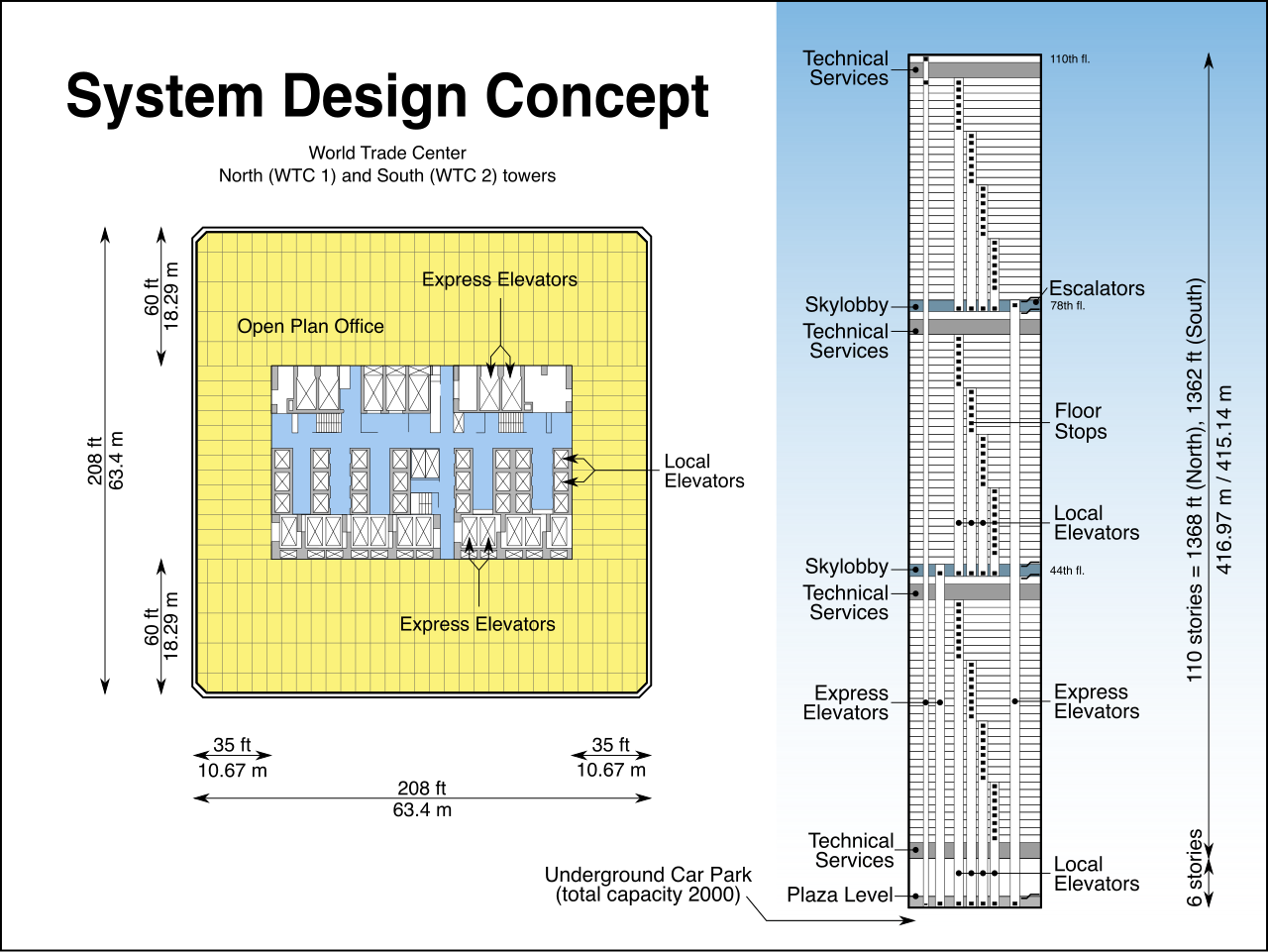
The Meat and Bone Analogy Think of leasing commercial space like buying a bone-in ribeye steak. You pay the butcher based on the total weight on the scale (rentable square footage). However, you cannot eat the bone. The meat you actually consume is the usable square footage. The heavy, inedible bone represents the loss factor.

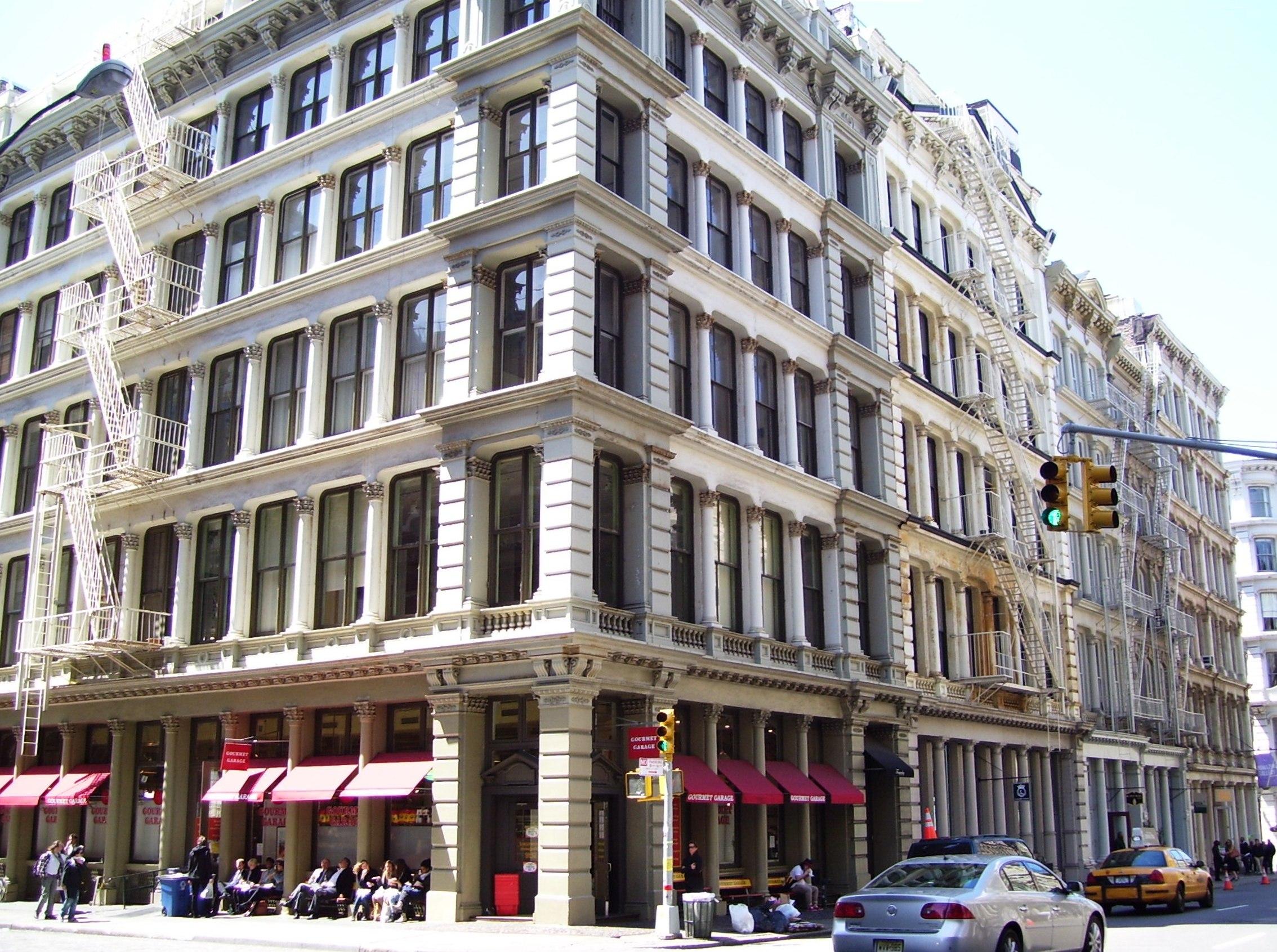
Historically, certain commercial spaces emerged to offer incredibly low loss factors. A loft lease is a rental agreement for open, unpartitioned commercial space. Originating in former industrial or warehouse districts (like SoHo or Tribeca in New York), loft leases provide raw, expansive space with minimal shared common areas, meaning the usable square footage is nearly identical to the rentable square footage.
Once the space is measured, the landlord and tenant must determine how to handle the building's operating expenses. We can visualize this allocation as a spectrum, ranging from the landlord taking all the risk to the tenant taking all the risk.
The Gross Lease
At one end of the spectrum is the gross lease, which requires the commercial tenant to pay a fixed base rent. In a gross lease, the landlord pays all property operating expenses out of that collected rent. If property taxes spike or the roof caves in, the tenant's rent does not change; the landlord's profit margin simply shrinks. This is highly predictable for the tenant, but risky for the landlord.
The Net Leases
To shift this risk, commercial landlords utilize net leases. A net lease requires the commercial tenant to pay base rent plus some or all property operating expenses. The exact expenses transferred to the tenant define the type of net lease:
| Lease Type | Base Rent Paid By Tenant? | Operating Expenses Paid By Tenant |
|---|---|---|
| Single Net Lease | Yes | Property Taxes |
| Double Net Lease | Yes | Property Taxes + Property Insurance |
| Triple Net Lease | Yes | Property Taxes + Property Insurance + Maintenance Costs |
Fact: Triple net leases are commonly abbreviated as NNN leases.
In an NNN lease, the landlord enjoys a pure, predictable income stream because the tenant essentially acts as the building's owner regarding daily financial responsibilities. You will frequently see NNN leases in freestanding commercial buildings, like chain pharmacies or fast-food franchises.
Commercial leases typically run for 5, 10, or even 20 years. Over such long horizons, a fixed dollar amount loses purchasing power due to inflation, and a tenant's business may drastically change. To solve this, the real estate industry developed specialized leases that adapt to time and economic reality.
Retail and the Percentage Lease
If you are representing a landlord leasing space in a shopping mall, the landlord's success is directly tied to foot traffic. A percentage lease requires the commercial tenant to pay a base rent plus a percentage of the tenant's gross sales. Because this structure aligns the landlord's rent with the tenant's revenue, percentage leases are primarily used for retail commercial properties. If the retailer has a booming holiday season, the landlord shares in the upside.

Hedging Against Inflation: Index and Graduated Leases
To protect a landlord's yield from inflation, leases can mandate automatic increases.
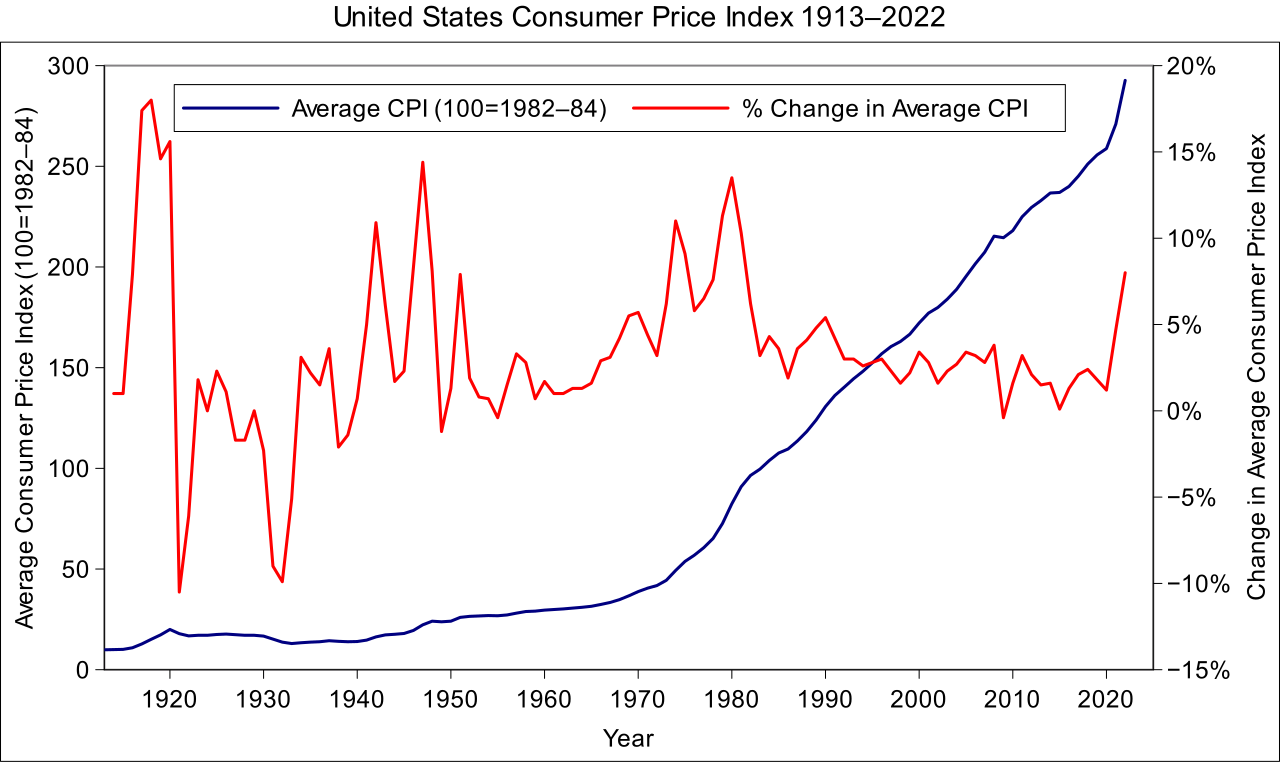
- An index lease ties commercial rent increases to a specific economic indicator. The Consumer Price Index (CPI) is a common economic indicator used to calculate rent increases in an index lease. If the CPI goes up by 3%, the rent goes up by 3%.
- Alternatively, a graduated lease includes predetermined rent increases at specified intervals (e.g., $50/sq ft for years 1-3, $55/sq ft for years 4-6). This is highly favored by startup tenants, as it keeps rent low during their initial, cash-poor growth phase.
The Ultimate Long Game: The Ground Lease
Sometimes, a landowner doesn't want to build, but a developer does. A ground lease allows a tenant to rent a parcel of land and construct a building on the rented land. Because constructing a commercial high-rise requires massive capital investment, ground leases are typically long-term agreements lasting between 50 and 99 years.
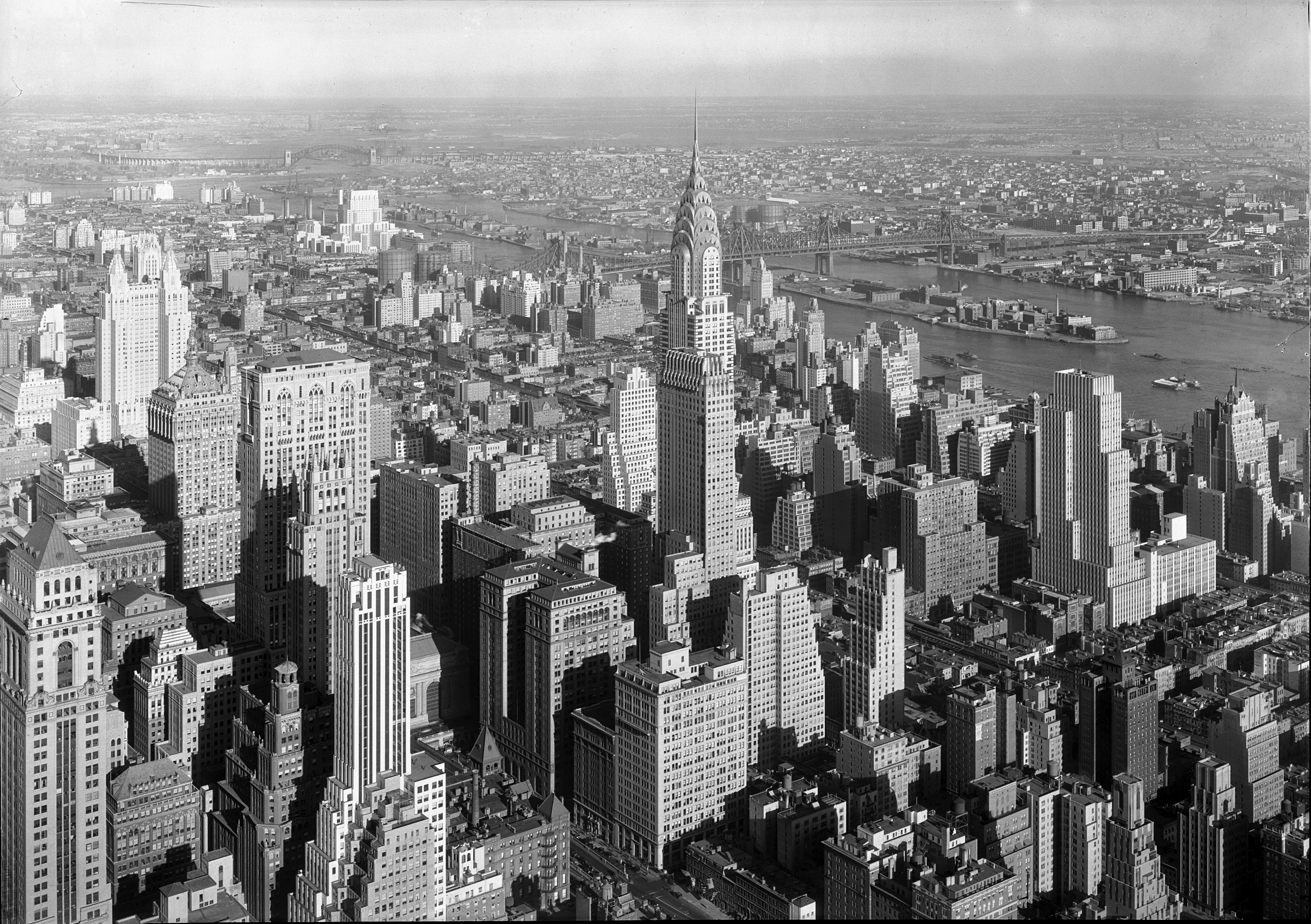
What happens when the clock runs out? At the end of a ground lease term, any property improvements made by the tenant typically become the property of the landlord. The Chrysler Building in Manhattan is a famous example; the land beneath it was historically owned by Cooper Union under a long-term ground lease.
When an unexpected bill hits a commercial building, who writes the check? Landlords use specific clauses to manage operational costs and utility usage.
Escalations and Pass-Throughs
Even in a lease that is not purely NNN, a landlord needs protection against sudden spikes in operating costs.
- An escalation clause allows a commercial landlord to increase rent to cover rising property operating expenses.
- A pass-through clause dictates how a commercial landlord's increased operating costs are distributed among the building's tenants.
To determine how much of that sudden expense a specific tenant must pay, we use the pro-rata share. A commercial tenant's pro-rata share of expenses is calculated by dividing the tenant's leased square footage by the building's total square footage.
Formula: Tenant Leased Sq Ft / Building Total Sq Ft = Pro-Rata Share (e.g., A tenant in 10,000 sq ft of a 100,000 sq ft building has a 10% pro-rata share. If taxes increase by $50,000, that tenant's pass-through cost is $5,000).
In New York, you will often encounter a highly specific escalation metric: The Porter's Wage Escalation formula ties commercial rent increases to the hourly wage increases of building maintenance workers. It is a predictable, negotiated alternative to tracking every single operational expense.
Utilities: The Metering Systems
How a building measures electricity and water drastically impacts a tenant's bottom line:
- Direct metering system: Requires the commercial tenant to pay utility providers directly based on the tenant's specific utility usage. (Tenant has their own meter with ConEdison).
- Master meter system: Measures the utility usage of an entire commercial building on a single utility bill. (The landlord pays the massive bill, often baking the cost into the rent).
- Submetering: Allows a commercial landlord to measure and bill individual tenants for specific utility consumption within a master-metered building. (The landlord essentially acts as the utility provider to the tenants).
Real estate is not just about brick and mortar; it is a financial instrument traded by banks, buyers, and lenders. We must understand the clauses that protect the asset's value and the tenant's right to exist.
Use and Transfer Clauses
Landlords must curate their building's ecosystem. A use clause in a commercial lease restricts the type of business activities the tenant can conduct in the leased space. (e.g., "Space may be used for a boutique clothing store, but not for a hot-food restaurant.")
If a tenant wants to leave before the lease ends, they have two primary mechanisms for transferring their space:
- An assignment of lease transfers the commercial tenant's entire remaining leasehold interest to a new party. The new tenant steps directly into the shoes of the old tenant.
- A sublease transfers only a portion of the commercial tenant's remaining leasehold interest to a new party. Crucially, in a commercial sublease, the original tenant remains fully liable to the landlord for rent payments. If the subtenant stops paying, the landlord will sue the original tenant.
The Shields of Finance: SNDA and Estoppel
Imagine you represent a buyer purchasing a 40-story office building. How do you guarantee the tenants are paying what the seller claims they are paying? You demand an estoppel certificate. An estoppel certificate is a document signed by a commercial tenant confirming the current terms and status of the tenant's lease. Legally, an estoppel certificate prevents a commercial tenant from later claiming different lease terms against a new property owner. It freezes the facts of the lease in time for the closing table.
Finally, what happens to a commercial lease if the landlord defaults on their building mortgage and the bank forecloses? To sort out the chain of command, commercial leases utilize an interlocking legal shield known as the SNDA agreement, which combines subordination, non-disturbance, and attornment clauses into a single commercial lease document:
- Subordination clause: States that the commercial tenant's leasehold interest is junior to any mortgage on the commercial property. The bank's rights come first.
- Non-disturbance clause: Prevents a lender from evicting a paying commercial tenant if the landlord defaults on the property mortgage. The bank agrees to respect the tenant's lease, provided the tenant is paying rent.
- Attornment clause: Requires the commercial tenant to acknowledge a new property owner as the new landlord. An attornment clause ensures the commercial tenant will continue paying rent to a new landlord following a property sale or foreclosure.
The SNDA is a masterpiece of legal compromise. The bank gets priority (Subordination) and guaranteed future income (Attornment), while the tenant secures the guarantee that their business will not be destroyed just because their landlord failed to pay the mortgage (Non-disturbance).
Mastering these clauses transforms you from someone who merely unlocks doors to a true fiduciary who protects the operational and financial lifelines of your clients.