Local Councils and Planning Boards
Not sure you’re ready?
Take the ~3-minute readiness diagnostic and see where you stand.
Every physical and financial characteristic of a New York municipality—from the permitted height of its downtown commercial buildings to the precise property tax burden attached to a single-family home—is engineered by two distinct governing bodies. Real estate professionals operate entirely within the invisible framework constructed by these entities. Understanding the mechanics of local governance is not merely an academic exercise; it is the fundamental basis for evaluating property value, assessing development potential, and protecting the financial interests of clients. A real estate salesperson must know exactly who dictates the rules of land use, who approves the maps that transform raw land into sellable lots, and who holds the power to levy the taxes that fund the municipality.
To understand a municipality, you must first look at who writes its rules and controls its ledger. A city council or town board functions as the primary legislative body of a New York municipality. Depending on whether you are operating in a densely populated urban center or a sprawling suburban township, the name changes, but the function remains identical.
As the primary legislative body, this group is composed of elected officials who possess the legal authority to enact local municipal laws. They are the ultimate decision-makers for the town's immediate operations and financial health.

Controlling the Ledger: Budgets and Property Taxes
For a real estate agent, the most immediate impact of the municipal legislative body is felt at the closing table, specifically in the calculation of carrying costs.
The city council or town board holds the exclusive authority to adopt the annual municipal budget. They determine exactly how much capital is required to keep the municipality running—funding public schools, maintaining roads, paying municipal employees, and supporting emergency services.
Because the budget must be funded, this same legislative body also establishes the local municipal property tax rate.
Why This Matters to You: When your buyer is pre-approved for a mortgage, their purchasing power is directly tied to their anticipated monthly payment, which includes property taxes. If the town board approves a massive new budget for a high school renovation, the property tax rate will increase. A house that costs $400,000 in a town with a low tax rate might be highly affordable to your client, whereas a $400,000 house in a neighboring town with a recently inflated budget might push their debt-to-income ratio past the breaking point. The legislative body controls this lever.
The Power to Regulate Space: Police Power and Zoning
Beyond the financial ledger, the municipal legislative body controls the physical reality of the town. They possess the exclusive legal authority to enact and amend local zoning ordinances.
When a city council drafts a zoning ordinance—declaring that one neighborhood is restricted to single-family homes while another is zoned for multi-story apartment buildings—they are exercising a specific legal authority known as police power.
Police Power In real estate law, police power is not about law enforcement or criminal justice. It is the inherent constitutional authority of a government to regulate private behavior and property usage to protect the public health, safety, and general welfare of its citizens.
Zoning ordinances enacted by a city council or town board are applications of the municipality's police power. By separating an industrial chemical plant from a residential subdivision, the legislative body is legally protecting the health and safety of the community.

Furthermore, while the city council or town board relies on other boards for advice and planning, they hold the ultimate authority over personnel. Town boards and city councils appoint the members of the municipal planning board. This creates a chain of accountability: the elected legislative body appoints the specialized planning body to map out the town's future.
If the legislative body acts as the engine of local government, the planning board serves as its navigator. A municipal planning board guides the long-term growth and physical development of the local community.
While the city council manages the immediate year-to-year budget and current laws, the planning board is looking ten, twenty, or fifty years into the future. Their primary tool for this visionary work is the Master Plan.
The Master Plan
The municipal planning board prepares and updates the municipality's Master Plan.
Master Plan A Master Plan is a comprehensive document outlining a municipality's long-term blueprint for land use and physical development. It details future infrastructure, housing needs, economic development goals, and environmental preservation strategies.
The Master Plan is not merely a suggestion; it is the foundational anchor for all local real estate law. Under state mandate, New York law requires municipal zoning regulations to align with the municipality's Master Plan.
If a town's Master Plan envisions a quiet, agricultural future for its northern sector, the city council cannot arbitrarily pass a zoning ordinance allowing a heavy industrial complex in that sector. The zoning laws (enacted by the council) must be tightly calibrated to the Master Plan (prepared by the planning board).
Because the planning board intimately understands this blueprint, the municipal planning board advises the local legislative body on proposed amendments to existing zoning laws. The two bodies work in a continuous feedback loop: the planning board advises, and the legislative body enacts.
For real estate developers, the municipal planning board is the ultimate gatekeeper. No raw acreage transforms into a suburban neighborhood or a commercial shopping center without surviving the planning board's rigorous scrutiny.
Subdivision Approvals and Plats
When a client purchases a 50-acre parcel of land with the intention of dividing it into individual residential lots, they are entering the subdivision process. The municipal planning board holds the authority to approve or deny land subdivision proposals.
A developer cannot simply draw lines on a napkin and begin selling lots. Subdivision approval requires a real estate developer to submit detailed maps called plats to the municipal planning board.
Plat A plat is a highly detailed, legally binding map drawn by a surveyor or engineer. It shows the precise boundaries of the proposed lots, the layout of new streets, the location of utility easements, and the specific dimensions required by local zoning laws.
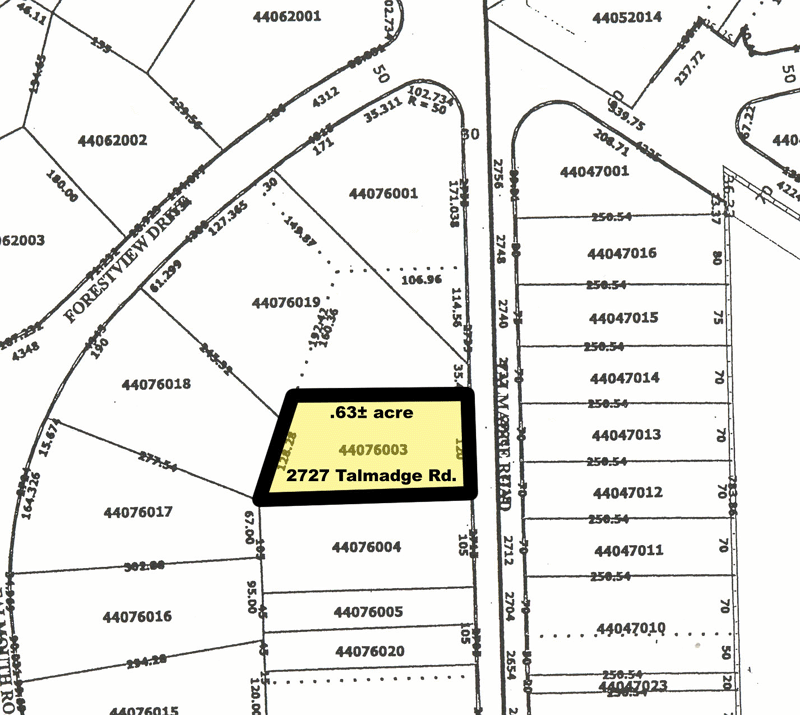
Once submitted, the municipal planning board evaluates subdivision plats for compliance with local zoning and development standards. They will check the plat to ensure every proposed lot meets the minimum square footage required by the zoning ordinance, that the roads are wide enough for fire trucks, and that the density aligns with the Master Plan.
The Exaction of Public Land
The planning board's authority extends beyond mere approval; they can extract concessions from developers to offset the burden the new development will place on the community. For example, a new 100-home subdivision will bring hundreds of new children into the town, requiring recreational space. Consequently, the municipal planning board may require a real estate developer to dedicate land for public parks as a condition of subdivision approval. If the developer refuses to hand over a portion of their private land for public recreational use, the board can deny the entire subdivision.
Site Plan Reviews for Commercial Projects
While subdivisions generally deal with cutting up land (often for residential use), commercial development undergoes a different flavor of scrutiny. The municipal planning board conducts site plan reviews for new commercial and industrial development projects.
If a corporation wants to build a 200,000-square-foot distribution warehouse, the planning board will review the site plan to evaluate traffic flow, parking lot capacity, lighting, noise abatement, and landscaping. They are verifying that the physical realities of the commercial structure will not negatively impact the surrounding properties.
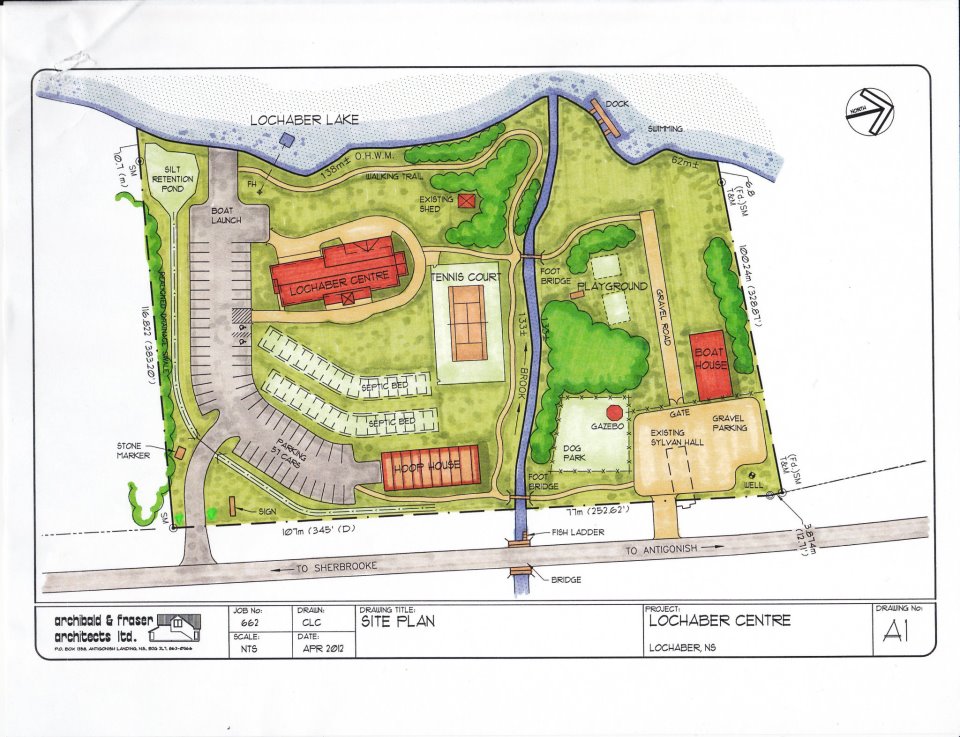
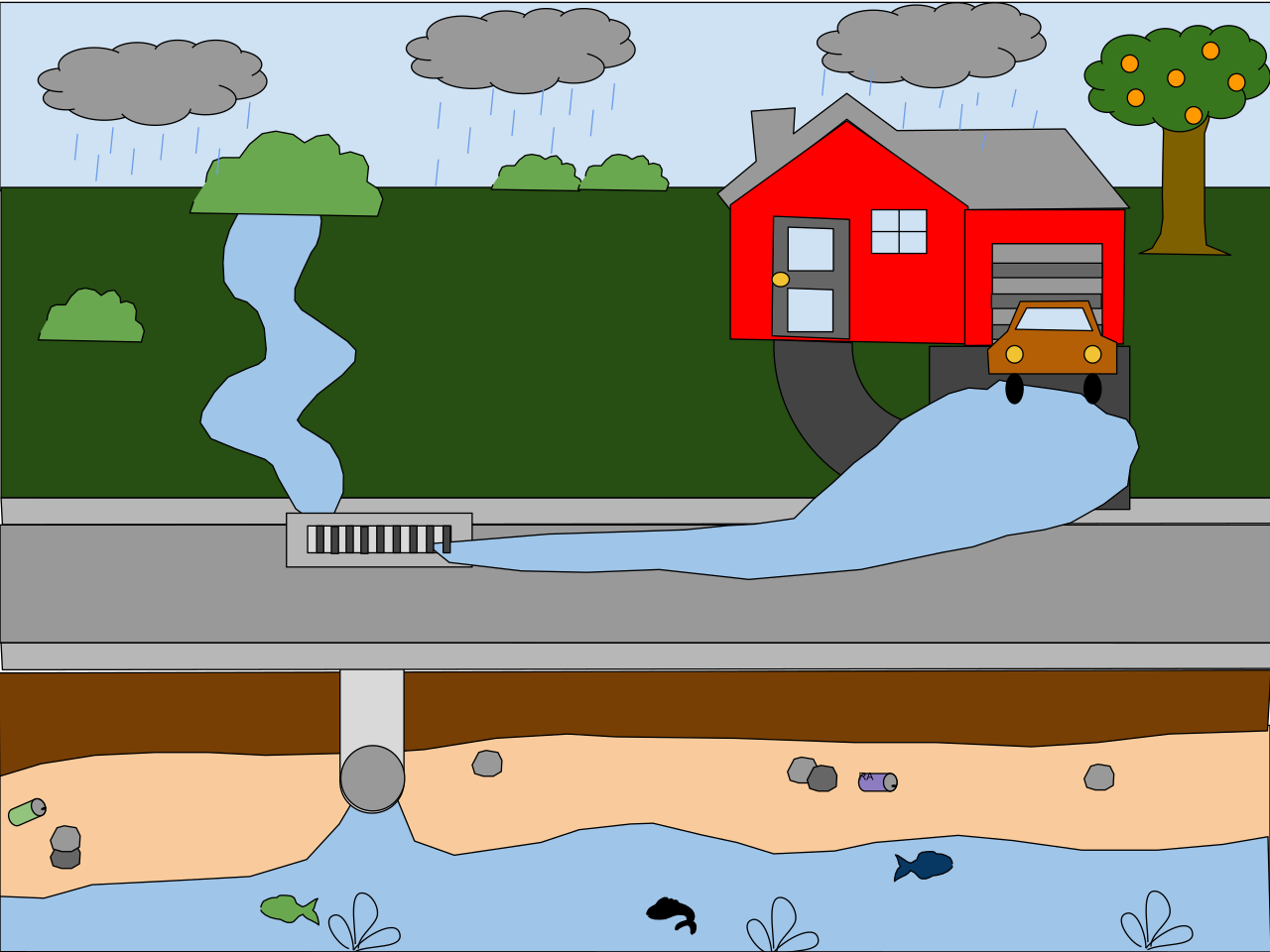
Crucially, commercial and industrial projects carry significant ecological footprints. The municipal planning board assesses the environmental impact of proposed real estate developments during the site plan review process. They analyze how a new factory might affect local wetlands, whether a massive paved parking lot will cause hazardous water runoff into neighboring properties, and how increased traffic might impact local air quality. If the environmental impact is too severe or violates the Master Plan, the planning board will require the developer to redesign the project or face outright denial.
For the New York Real Estate Salesperson exam, you must clearly distinguish between the roles of the legislative body and the planning board. Blurring these lines is a common trap on the exam.
Review the table below to cement your understanding of who holds which authority:
| Function / Authority | City Council / Town Board (Legislative) | Municipal Planning Board (Appointed) |
|---|---|---|
| Primary Role | The primary legislative body. Enacts laws. | Guides long-term growth and physical development. |
| Financial Power | Holds exclusive authority to adopt the annual budget and establish the property tax rate. | None. (Funded by the legislative body). |
| Zoning Power | Possesses legal authority to enact and amend zoning ordinances (Police Power). | Advises the legislative body on proposed zoning amendments. |
| Planning Document | Must ensure their zoning laws align with the long-term blueprint. | Prepares and updates the Master Plan. |
| Development Approvals | Appoints the members of the planning board to handle this. | Approves/denies land subdivisions, requires plats, and conducts site plan reviews. |
| Environmental/Public Needs | Protects overall health, safety, and welfare via broad legislation. | Assesses environmental impacts and may require land dedication for public parks during approvals. |
As a real estate professional, your value to your client relies on your ability to navigate this municipal machinery. When you can explain to a buyer why a tax rate is fixed, or warn a developer about the plat submission process and potential land dedications, you elevate yourself from a mere salesperson to a true real estate advisor.