Virginia Fair Housing & Special Topics
Not sure you’re ready?
Take the ~3-minute readiness diagnostic and see where you stand.
A real estate transaction is governed not just by the physical boundaries of a property, but by an invisible architecture of state-mandated disclosures, protections, and liabilities. In Virginia, this legal framework dictates exactly who may legitimately cross the threshold of a property, who bears the burden of discovering its structural flaws, and what unsaid history is permitted to remain unspoken. For a real estate salesperson, understanding this architecture is the fundamental mechanism for protecting the public and shielding oneself from catastrophic liability. The difference between a seamless settlement and a career-ending lawsuit often hinges on knowing precisely what a licensee must say, what they must never say, and what they are explicitly relieved from saying.
To understand fair housing is to understand the absolute right of consumers to participate in the housing market without artificial, prejudiced barriers. While you are likely familiar with federal fair housing protections, the Virginia Fair Housing Law broadens this protective net significantly.
In Virginia, the law explicitly prohibits housing discrimination based on race, color, religion, national origin, sex, familial status, and disability. However, the state goes further, recognizing the modern realities of the housing market and social landscape. The Virginia Fair Housing Law also strictly prohibits housing discrimination based on sexual orientation, gender identity, and military status.
Virginia also introduces two highly specific protected classes that require careful attention in your day-to-day practice: elderliness and source of funds.
Elderliness vs. Age
You might assume that "age" is a universally protected class in Virginia real estate, but it is not. The Virginia Fair Housing Law does not recognize age generally as a protected class outside of the specific elderliness protection. Instead, the Virginia Fair Housing Law defines elderliness precisely: it protects any individual who is 55 years of age or older. You cannot discriminate against a 60-year-old because of their age, but a landlord is legally permitted to refuse to rent to a 19-year-old simply because they are 19.
Source of Funds
The source of funds protected class prevents a landlord from discriminating against an individual using housing assistance vouchers to pay rent. If an applicant relies on a Section 8 voucher, disability benefits, or any other lawful source of income, a property manager or landlord cannot deny their application solely based on where their rent money originates.
Exemptions and the One Absolute Rule
The law does carve out specific, narrow exemptions for ordinary citizens operating outside the commercial real estate sphere.
- The Single-Family Home Exemption: The Virginia Fair Housing Law exempts the sale or rental of a single-family home by an owner who does not own more than three such homes at one time. However, this single-family home exemption only applies if the owner operates without the services of a real estate broker. The moment they hire you, the exemption vanishes.
- The "Mrs. Murphy" Exemption: The Virginia Fair Housing Law also exempts owner-occupied buildings containing four or fewer dwelling units. If a seller lives in one unit of a quadplex and rents out the other three, they may choose their tenants without adhering to the standard fair housing rules.
The Absolute Exception: The Virginia Fair Housing Law strictly prohibits any exemption for housing discrimination based on race. In 1866, the Civil Rights Act declared that race can never be a basis for property discrimination, and Virginia law echoes this absolute boundary. Whether it is a single-family home or a duplex, racial discrimination is never legally permitted.

Enforcement and Timelines
Who enforces these rules? It depends on who broke them.
- The Virginia Real Estate Board administers and enforces fair housing laws for licensed real estate professionals.
- The Virginia Fair Housing Board administers and enforces fair housing laws for individuals who do not hold a real estate license (such as a private landlord or an unrepresented seller).
If a violation occurs, the clock starts ticking immediately. A housing discrimination complaint must be filed with the Virginia Fair Housing Office within one year of the alleged discriminatory housing practice. If the victim chooses to bypass the administrative process and file a civil lawsuit for housing discrimination in court, they must do so within two years of the alleged discriminatory housing practice.
Many states require sellers to fill out exhaustive, multi-page questionnaires detailing every leaky faucet, cracked shingle, and drafty window in a home. Virginia does not.
Virginia operates under the legal doctrine of caveat emptor—let the buyer beware—in residential real estate transactions. The legal doctrine of caveat emptor dictates that a real estate buyer bears the primary burden of discovering property defects. In Virginia, the state hands the buyer a flashlight and expects them to do their own looking.
The Virginia Residential Property Disclosure Act
To reinforce this doctrine, the state created the Virginia Residential Property Disclosure Act, which requires a seller of residential property to provide a standard disclosure statement to the buyer.
Crucially, the Virginia Residential Property Disclosure Statement serves as a warning to the buyer rather than a comprehensive list of property defects. The statement instructs the buyer to exercise independent due diligence to ascertain the condition of the real property. It explicitly lists out circumstances where the seller is making no promises. For example:
- The Disclosure Statement explicitly states that the seller makes no representations regarding the presence of defective drywall on the property.
- It explicitly states that the seller makes no representations regarding the property's location within a historic district.
- It instructs buyers to independently verify if a property is situated within a dam inundation zone.
- It explicitly states that the seller makes no representations regarding the presence of registered sex offenders near the property. Furthermore, Virginia real estate licensees have no affirmative duty to investigate or disclose the presence of registered sex offenders near a listed property.

Timing and the Right to Terminate
Because this document is the buyer's official warning to conduct due diligence, timing is vital. A seller must deliver the Virginia Residential Property Disclosure Statement to a buyer before the parties ratify a real estate purchase contract.
If the seller fails to do this, the buyer holds immense leverage: a buyer may terminate a real estate purchase contract if the seller fails to provide the Disclosure Statement prior to ratification. However, this termination right is not indefinite. A buyer must exercise the right to terminate a contract for failure to receive the Disclosure Statement prior to settlement, or prior to occupancy (whichever comes first).
If a buyer is harmed by a violation of the Virginia Residential Property Disclosure Act, the statute of limitations for filing a lawsuit is one year from the date of disclosure delivery or settlement.
While caveat emptor protects sellers who stay quiet about ordinary defects, Virginia law identifies specific, severe physical or legal conditions that cannot be hidden. Virginia sellers must affirmatively disclose the following facts if they apply to the property:
- Military Zones: Sellers must affirmatively disclose if a property is located in a military air installation noise zone or accident potential zone on the official zoning map.
- Code/Zoning Violations: Sellers must affirmatively disclose if they have actual knowledge of pending building code or zoning ordinance violations affecting the property.
- Methamphetamine Labs: Sellers must affirmatively disclose if a property was previously used to manufacture methamphetamine and has not been cleaned up according to state guidelines.
- Stormwater Facilities: Sellers must affirmatively disclose if a property contains a privately owned stormwater management facility.
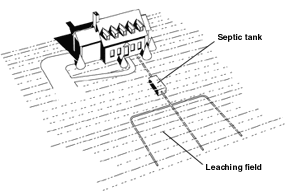
- Septic System Waivers: Sellers must disclose if a property is served by a septic system that operates under a State Board of Health maintenance waiver.
Why the Septic Waiver Matters: A State Board of Health waiver for a septic system repair or maintenance requirement is not transferable to a property buyer. If a septic system waiver exists on a property, the buyer must comply with the Board of Health requirements to reinstate the operating permit after settlement. This means the buyer is inheriting a mandated repair cost, which is why state law forces the seller to disclose it upfront.
A massive percentage of Virginia real estate belongs to Property Owners' Associations (POAs) and Condominium Associations. To bring order to these transactions, the state enacted the Virginia Resale Disclosure Act, which standardizes the resale process for properties located in property owners' associations and condominium associations.
When a property is located in a common interest community, the responsibility to initiate the disclosure process falls entirely on the seller. A seller must obtain a resale certificate from the association, and the seller must provide that resale certificate to the prospective buyer.
Association Timelines and Fees
Associations cannot delay this process. A common interest community association must deliver a resale certificate within 14 days of receiving a written request from a seller or a seller's agent. To prevent associations from price-gouging consumers, the Virginia Common Interest Community Board establishes the maximum fees an association may charge for preparing and delivering a resale certificate.
The Buyer's Rescission Rights
Reviewing association rules, financial health, and pending special assessments takes time, and buyers are protected if they dislike what they read. A buyer has a statutory right to cancel a purchase contract for a common interest community property after receiving the resale certificate.
By default, a buyer may cancel a purchase contract within three days of receiving a common interest community resale certificate. However, real estate transactions are negotiations, and the buyer and seller may agree in the ratified real estate contract to extend the buyer's resale certificate cancellation period up to seven days.
If a buyer decides to walk away, they are highly protected:
- If a buyer cancels a purchase contract based on the common interest community resale certificate, the cancellation must occur without penalty.
- The seller must promptly return the earnest money deposit.
However, a buyer cannot sit on this right forever. A buyer's right to cancel a purchase contract based on a common interest community resale certificate is waived conclusively if not exercised before settlement.
Finally, we arrive at the intersection of property history, psychology, and the absolute duties of a real estate agent. Buyers frequently ask, "Did anyone die in this house?" How you answer is governed strictly by state law.
Virginia law defines a stigmatized property as a property psychologically impacted by an event that did not affect the physical structure of the home. Under Virginia law, a seller or real estate licensee has no affirmative duty to disclose that a property is stigmatized.
The state provides explicit statutory protection for licensees regarding grim historical events:
- A Virginia real estate licensee is not required to disclose that a property was the site of a homicide.
- A Virginia real estate licensee is not required to disclose that a property was the site of a suicide.
- A Virginia real estate licensee is not required to disclose that a property was the site of a felony or an act of violence.
The Absolute Silence on HIV/AIDS
There is one specific stigma where silence isn't just permitted—it is federally mandated. Disclosing that a previous occupant of a property had HIV or AIDS violates federal and Virginia fair housing laws protecting individuals with disabilities. Even if a buyer explicitly asks, you cannot disclose this information.
Your North Star: Material Adverse Facts
If you don't have to disclose ghosts, murders, or neighborhood sex offenders, what must you disclose as a licensee?
Regardless of caveat emptor, regardless of the residential property disclosure act, your license demands a higher standard of physical honesty. Real estate licensees in Virginia must disclose any known material adverse facts pertaining to the physical condition of the property to all parties in the transaction.
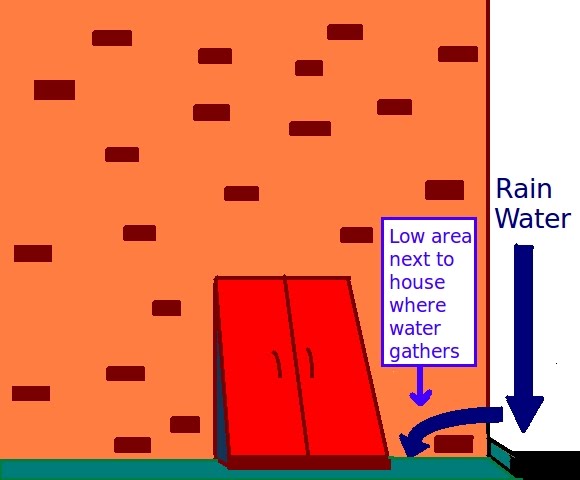
If you know the foundation is quietly crumbling, or that the basement floods every spring, you cannot rely on caveat emptor to protect you. The seller's silence does not buy your silence. Your supreme duty is to the physical truth of the property. Understanding where the seller's liabilities end and your duties as a licensee begin is the hallmark of an elite Virginia real estate professional.