Books and Records Requirements
Imagine walking into a chaotic, high-volume commercial kitchen at the peak of the dinner rush. Hundreds of ingredients are flying across stations, precise timings are orchestrated down to the second, and dozens of different dishes are delivered to impatient patrons. Now imagine trying to reconstruct perfectly, three years later, who ordered what, exactly when the chef added salt, and which waiter carried the plate.
In the securities industry, this astonishing feat of retroactive perfect memory is not a hypothetical exercise; it is a strict regulatory mandate. The financial markets process millions of trades, moving billions of dollars of cash and securities in a continuous blur of activity. To prevent fraud, resolve disputes, and ensure the fundamental integrity of the market, regulators demand an impeccable, unalterable trail of every single action.
You are not merely filing paperwork when you work at a broker-dealer; you are constructing the unassailable memory of the financial system. For the Series 63 exam, you must understand the mechanics of this memory: exactly what must be recorded, how long it must be kept, and who has the right to look at it.
Regulators separate the concept of recordkeeping into two distinct phases: creation and preservation. Creation is governed by SEC Rule 17a-3. You can easily remember this sequentially: creation comes before preservation, just as 3 comes before 4.
SEC Rule 17a-3 details exactly what must be written down. It requires broker-dealers to generate specific records capturing the granular details of their daily operations.
Blotters: The Daily Diary
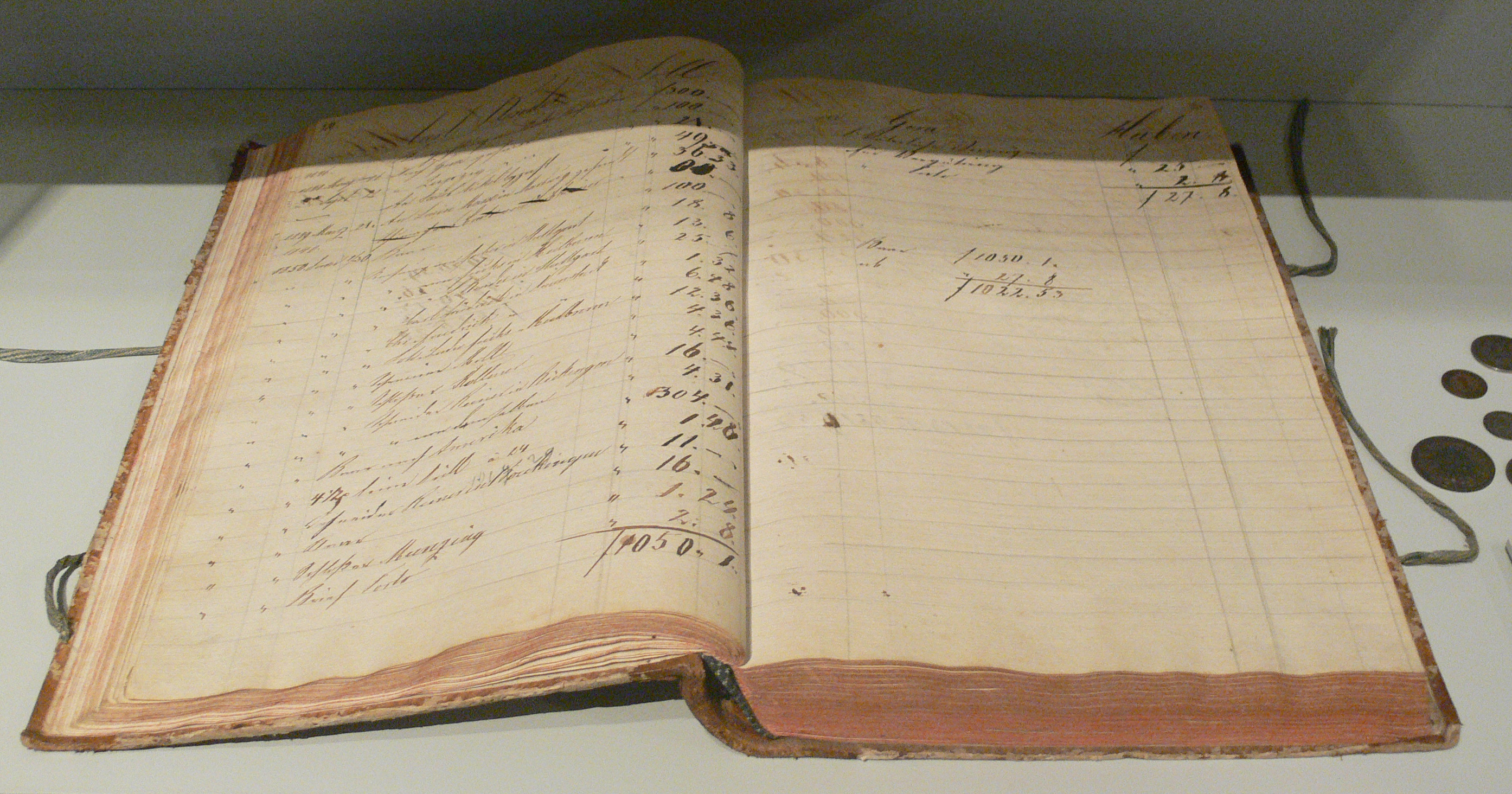
At the heart of broker-dealer recordkeeping is the blotter.
Blotters are broker-dealer records of original entry that itemize daily transactional activities.
Historically, a "blotter" was the large pad of paper on a clerk's desk that absorbed the wet ink of the day's first entries. Today, it is an electronic log, but the function remains identical. Under SEC Rule 17a-3, broker-dealers must create:
- Daily records of all purchases and sales of securities.
- Records of all receipts and deliveries of securities.
- Daily records of all receipts and disbursements of cash.
If a client hands you a physical stock certificate, or if money is wired into a firm's account, it is immediately logged on the blotter. It is the chronological heartbeat of the firm.
Ledgers: The Categorized Map
While a blotter is chronological, a ledger is categorical. SEC Rule 17a-3 requires broker-dealers to create customer ledgers reflecting all assets and liabilities in each individual customer account. If a client wants to know exactly what they own or what they owe on margin, the customer ledger provides that specific, isolated snapshot, untangled from the rest of the firm's daily noise.
Transactional and Personnel Records
The rule also mandates the creation of micro-level documents that prove the intent and execution of every client interaction. Every time you touch a client's account, a trail is generated. Broker-dealers must create:
- An order ticket for every brokerage order (capturing the terms and conditions of the trade before it is executed).
- Copies of all trade confirmations sent to customers (the receipt sent after the trade is executed).
- Employment questionnaires or applications for every associated person. The regulators need to know exactly who is handling the public's money, meaning your own application to work at the firm becomes a permanently maintained regulatory document.
Once a record is created under Rule 17a-3, SEC Rule 17a-4 dictates what happens to it. Rule 17a-4 mandates the preservation timeframes and storage formats for those records.
Different documents have different lifespans. We can categorize these lifespans based on the structural importance of the record to the firm itself.
The Lifetime Records: The DNA of the Firm
Certain documents establish the legal existence and governance of the broker-dealer. These cannot be destroyed as long as the firm exists. Broker-dealers must retain the following for the lifetime of the enterprise:
- Partnership articles (if organized as a partnership)
- Articles of incorporation (if organized as a corporation)
- Corporate minute books (the official records of board of directors' meetings)
- Stock certificate books (records of the firm's own equity ownership)
The 6-Year Records: The Structural Finances
Records that track the broader financial health and historical relationships of the firm must be kept for six years. SEC Rule 17a-4 requires broker-dealers to retain:
- Blotters (the records of original entry)
- General ledgers (the firm's accounting records)
- Customer ledgers (the individual account statements)
Furthermore, broker-dealers must retain customer account information records for six years after the account is formally closed. This ensures that if a dispute arises years after a client takes their money elsewhere, the firm can still prove the suitability of the relationship.
(Note: In the event a specific record slips through the cracks of SEC definitions, FINRA Rule 4511 acts as a regulatory backstop. It requires broker-dealers to preserve records for at least six years if no other specific retention period is established by the SEC or FINRA.)
The 3-Year Records: The Daily Debris
The day-to-day communications, drafts, and routine transaction receipts are kept for three years. Under Rule 17a-4, broker-dealers must retain for three years:
- Order tickets
- Trade confirmations
- Trial balances (the temporary accounting worksheets used to prepare financial statements)
- All internal and external business communications and correspondence (This includes emails, instant messages, and letters you send to clients or colleagues).
- Bank statements and canceled checks
There is also a special three-year rule for the people working at the firm. Broker-dealers must retain employment records for three years after an associated person's employment terminates. If an agent quits, their employment questionnaire and disciplinary history do not vanish; they remain on file for three full years.
The "Easily Accessible" Location Rule
Imagine a state examiner walks into your office and asks to see yesterday's order tickets. If you tell them, "We have them, but they are in a deep-storage warehouse in Nevada and will take three weeks to retrieve," you are violating SEC Rule 17a-4.
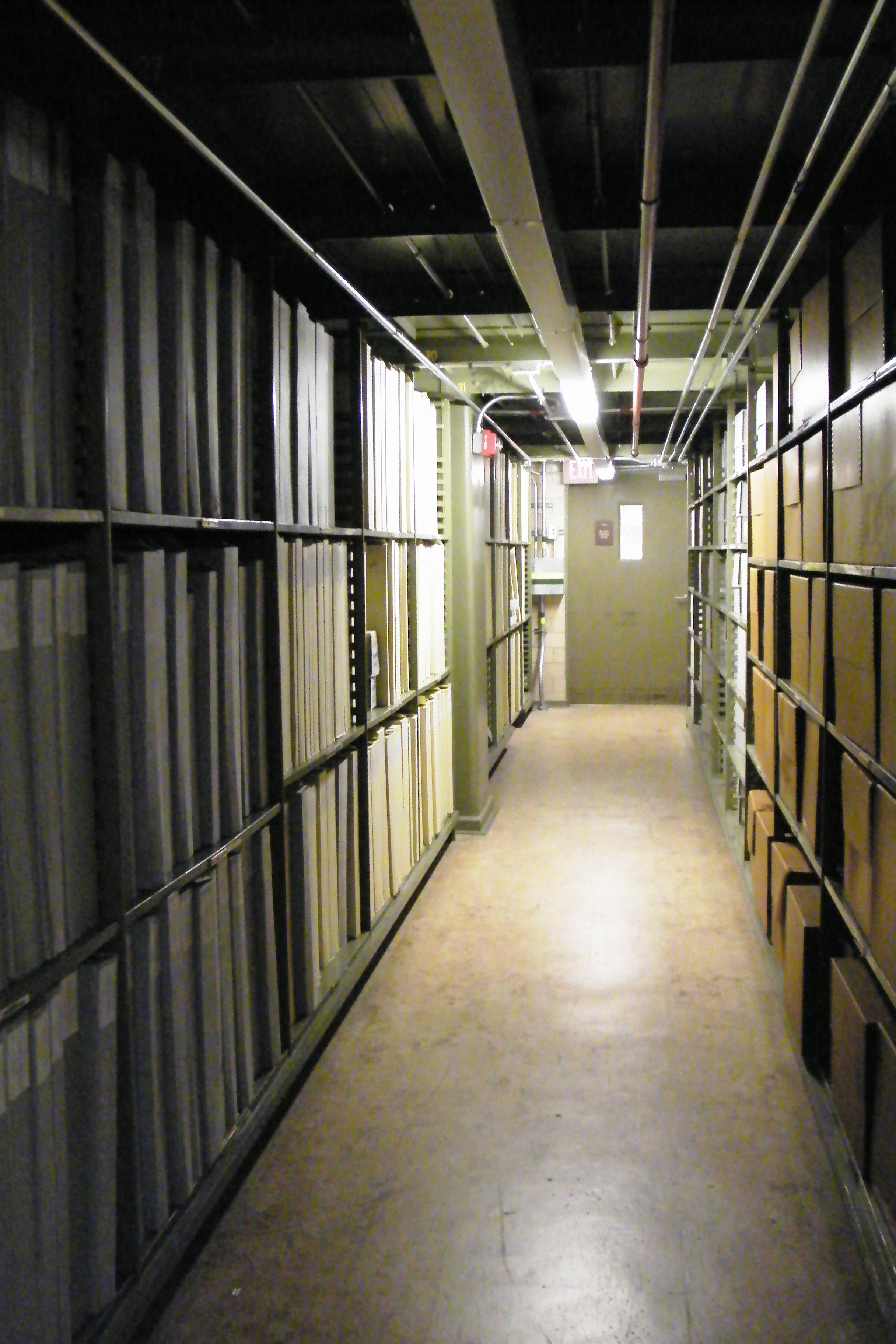
To ensure rapid regulatory oversight, broker-dealers must keep both three-year and six-year retention records in an easily accessible location for the first two years. After the two-year mark, the older records can be moved to cheaper, off-site, or slower-to-access archival storage.
| Retention Period | Types of Records | Accessibility Requirement |
|---|---|---|
| Lifetime | Articles of Incorporation, Partnership Articles, Minute Books, Stock Certificate Books | N/A |
| 6 Years | Blotters, General Ledgers, Customer Ledgers, Customer Account Info (6 years post-closing), FINRA default | Easily accessible for the first 2 years |
| 3 Years | Order Tickets, Trade Confirms, Trial Balances, Bank Statements/Checks, Communications, Employment Records (3 years post-termination) | Easily accessible for the first 2 years |
The United States operates on a dual-layer regulatory system. Broker-dealers must answer to the federal government (the SEC) and the individual states where they do business. Historically, this caused absolute chaos. If New York demanded records be kept for five years, but Texas demanded seven, and the SEC demanded six, national broker-dealers faced a logistical nightmare.
Congress solved this problem with the National Securities Markets Improvement Act of 1996 (NSMIA).
NSMIA restricts state regulatory authority over broker-dealer recordkeeping requirements, establishing federal supremacy.
Because of NSMIA, a state Securities Administrator cannot legally require a broker-dealer to maintain records that exceed the requirements established by the Securities and Exchange Commission. The SEC rules are the ceiling.
For you, the industry professional, this makes compliance highly elegant: Compliance with SEC books and records rules automatically satisfies all state-level broker-dealer recordkeeping requirements. If your firm passes SEC muster for Rule 17a-3 and 17a-4, no rogue state Administrator can penalize you for failing to meet a more stringent local rule, because no such rule is legally permitted to exist.
While NSMIA restricts a state Administrator from rewriting the recordkeeping rules, it absolutely does not stop them from enforcing them. The state Securities Administrator acts as the local cop on the beat, and their inspection powers are vast.
Unannounced, Anytime Access
A broker-dealer's registration in a state functions as perpetual consent to be audited. A state Securities Administrator may inspect the records of any broker-dealer registered in their state at any time during normal business hours. Furthermore, the Administrator is expressly permitted to conduct an unannounced inspection of a broker-dealer's books and records. They do not need a subpoena, and they do not need to warn you they are coming.
Extraterritorial Jurisdiction
What if a broker-dealer is headquartered in New Jersey, but does significant business with clients in California? Can the California Administrator fly to New Jersey to look at the books?
Yes. A state Securities Administrator has the authority to inspect the records of an out-of-state broker-dealer if the firm is registered and doing business in the Administrator's state. Geographic borders do not shield a firm from an Administrator's jurisdiction if the firm is interacting with that Administrator's local citizens.
The Cost of the Audit
In a final, pragmatic twist of regulatory authority, the Administrator does not necessarily foot the bill for these audits. If an Administrator decides to examine a broker-dealer—especially if it requires traveling out of state—the Administrator may require the broker-dealer to pay for the costs of an examination of the firm's books and records.
When you place a trade, send an email, or update a ledger, recognize the gravity of your actions. You are generating the exact artifacts that federal regulators demand, that state Administrators will relentlessly inspect, and upon which the trust of the entire securities market fundamentally rests.