Definition of a Security and the Howey Test
In 1946, a Florida citrus company sought to raise capital without registering a financial instrument. They sold tracts of orange groves to out-of-state individuals, coupled with a mandatory service contract. Under this contract, the company harvested and sold the oranges, pooling the profits and distributing them back to the buyers. The investors never set foot in Florida, nor did they pick a single orange; they merely wrote a check and waited for a return. This arrangement forced the United States Supreme Court to answer a seemingly simple question that forms the bedrock of state securities law: What exactly is a security?
For a broker-dealer agent, this is not a philosophical puzzle. It is the absolute jurisdictional boundary of your profession. If a product is a security, it is governed by the Uniform Securities Act (USA), requiring rigorous registration, specific disclosures, and stringent anti-fraud oversight by state administrators. If you sell a security without the proper licenses, or if the security itself is unregistered and non-exempt, you have violated state law. Conversely, if a product is not a security, the USA’s registration requirements simply do not apply to it. Knowing precisely where this boundary lies is the most fundamental survival skill for any securities professional.
To separate an ordinary commercial transaction from a regulated financial instrument, the Supreme Court established what is universally known as the Howey Test in the 1946 case SEC v. W.J. Howey Co.
The Howey Test determines whether a financial transaction qualifies as an investment contract. Why does this term matter? Because under the Uniform Securities Act, an investment contract is explicitly defined as a security. It is the legal catch-all term that prevents clever promoters from bypassing securities laws simply by avoiding traditional words like "stock" or "bond."
The Four Prongs of the Howey Test
For an arrangement to be classified as an investment contract (and thus, a security), it must simultaneously satisfy all four elements—or "prongs"—of the Howey Test. If even one prong is missing, the instrument is not an investment contract.
1. An Investment of Money The investor must commit capital to the venture. This is the initial sacrifice of liquidity.
2. In a Common Enterprise A common enterprise means the fortunes of the investor are interwoven with those of either the person offering the investment or other investors. If the promoter fails, the investors fail. If the pool of assets appreciates, the investors win together. The capital is pooled to achieve a shared economic outcome.
3. With an Expectation of Profits The investor is parting with their money for the primary purpose of realizing a financial return—not to consume a product, nor to donate to a charity, but to generate yield, interest, or capital appreciation.
4. Derived Solely or Primarily from the Efforts of a Promoter or a Third Party This is the crux of the test. The investor must be largely passive. They are relying on the specialized expertise, management, or labor of someone else to generate the return.
To see the Howey Test in action, consider two real estate scenarios you will encounter on the Series 63 exam.
First, imagine buying real estate purchased solely as a personal residence. You invest money, but you intend to live there. You are not entering a common enterprise, and any appreciation depends heavily on your own maintenance and broader market forces, not a specific third-party manager. This fails the Howey Test.
Now, imagine purchasing a condominium unit in a resort town, which is then immediately placed into a rental pool managed by a third-party property management company. The manager rents out all the units, handles the maintenance, collects the revenue, pools the profits, and sends you a check. You invested money, in a common enterprise, expecting profits, derived from the management company's efforts. Therefore, a condominium or real estate purchase managed by a third party as part of a rental pool for profit can qualify as an investment contract and thus a security.

While the Howey Test provides the conceptual framework for investment contracts, the Uniform Securities Act explicitly lists dozens of conventional instruments that are always defined as securities. As a test taker and future agent, you must recognize these immediately.
Equities, Debt, and Corporate Capital
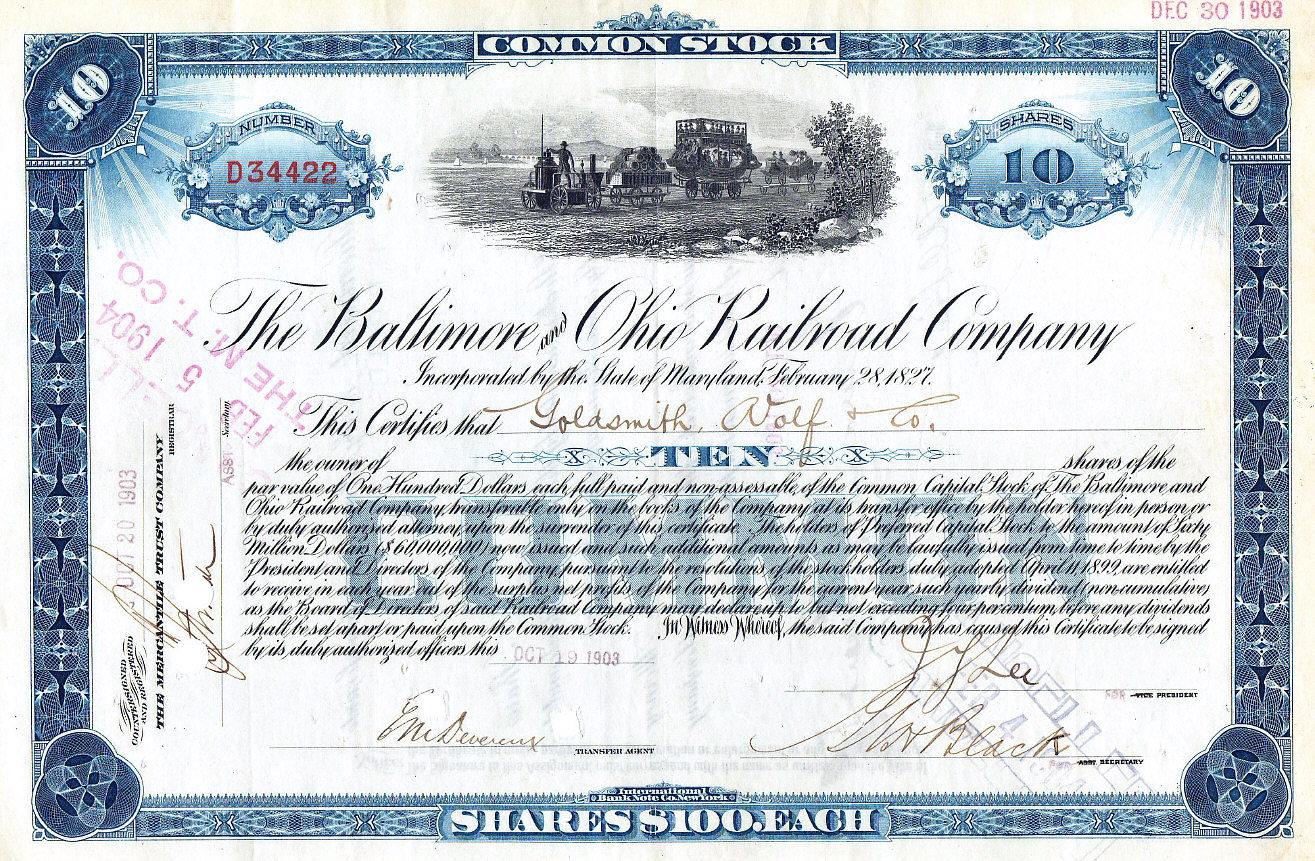
The most standard vehicles for corporate finance are explicitly defined as securities under the Uniform Securities Act. When a corporation raises capital, they issue:
- Corporate stocks: Represents equity ownership.
- Bonds: Long-term secured debt.
- Debentures: Long-term unsecured debt backed only by the issuer's full faith and credit.
- Evidences of indebtedness: A broad legal term covering any written document that demonstrates a debt is owed (like a promissory note).
Packaged and Managed Products
When underlying assets are pooled and managed by professionals, the resulting wrapper is a security.
- Mutual fund shares: The classic example of a common enterprise managed by a third party.
- Certificates of interest or participation in profit-sharing agreements: Any formalized arrangement where investors buy into a pool of shared business profits.
The Insurance Divide: Variable Products
Insurance products present a classic trap. As a rule, whoever bears the investment risk determines whether the product is a security. If the insurance company invests the premiums in the general market and guarantees a return, they bear the risk. If the policyholder's premiums are placed into a separate account and fluctuate based on market performance, the policyholder bears the risk. Therefore:
- Variable annuities are defined as securities under the Uniform Securities Act.
- Variable life insurance policies are defined as securities under the Uniform Securities Act.
Derivatives and Rights
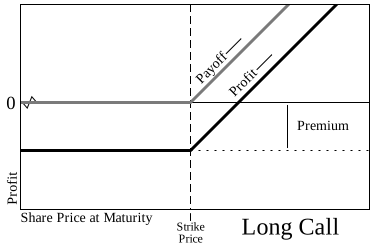
Instruments that derive their value from an underlying asset, or grant the right to purchase an asset, are strictly classified as securities.
- Options contracts on securities: The right to buy or sell a stock.
- Options contracts on commodities: The right to buy or sell a physical commodity at a set price.
- Options contracts on foreign currency: The right to buy or sell international money.
- Warrants and subscription rights: Instruments issued by a corporation granting existing or future shareholders the right to purchase stock at a predetermined price.
Specialized and Obscure Instruments
State administrators regulate the less conventional corners of the financial market just as fiercely. You must know these explicit inclusions:
- Preorganization certificates or subscriptions: An agreement to buy stock in a company that hasn't been officially incorporated yet.
- Voting trust certificates: Certificates issued to stockholders when they temporarily transfer their voting rights to a trustee.
- Collateral trust certificates: Debt securities backed by other financial assets held in trust.
- Fractional interests in oil, gas, or mining titles or leases: Because the investor is buying a passive slice of a speculative drilling operation, this is highly regulated.
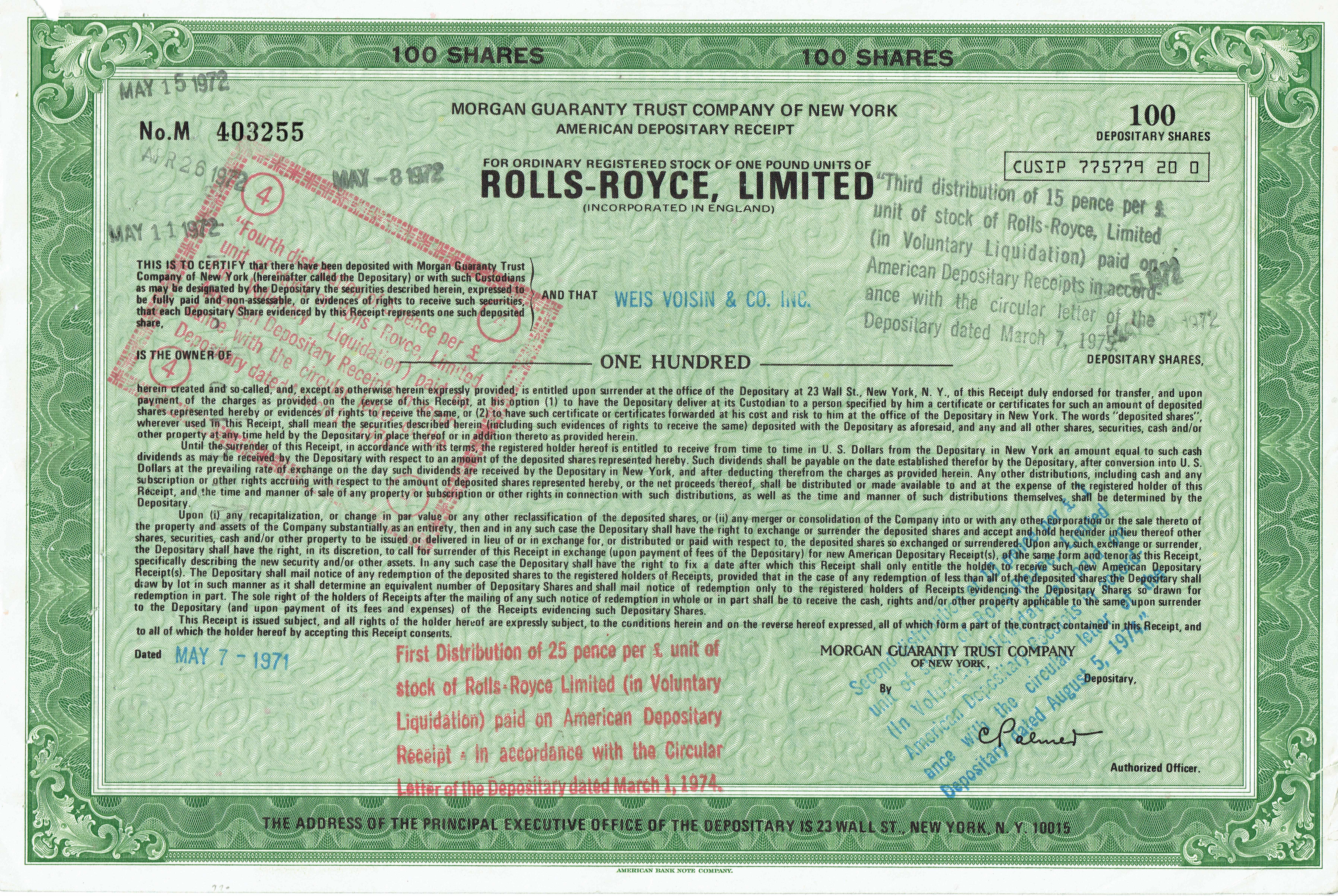
- American Depositary Receipts (ADRs): Certificates trading on US exchanges that represent shares in a foreign corporation.
Equally important to knowing what is a security is knowing exactly what the Uniform Securities Act excludes. If an item is on this list, a broker-dealer agent license is not required to sell it, and the state securities administrator has no direct jurisdiction over its registration.
Fixed Insurance and Annuities
When an insurance company guarantees the payout, the product falls under the jurisdiction of the state insurance commissioner, not the securities administrator. Therefore, the following are explicitly excluded from the definition of a security:
- Fixed life insurance policies (e.g., traditional whole life or term life).
- Fixed annuities offering a guaranteed stream of income.
- Endowment policies with fixed, guaranteed payouts.
Hard Assets and Currencies
If you buy an object purely for its intrinsic, physical value, you are not relying on a third-party's management efforts to generate your return. You are just hoping the market price of the object goes up. As a result, these are explicitly excluded from the definition of a security:
- Collectibles such as art, rare coins, or antiques.
- Physical commodities such as precious metals (gold, silver) or agricultural grains (wheat, corn).
- Real estate purchased solely as a personal residence.
- Fiat currency, which is legal tender backed by a sovereign government (e.g., U.S. Dollars, Euros).

Commodity Futures
This is the most highly tested nuance on the Series 63. We previously established that an option on a commodity is a security. However, commodity futures contracts are explicitly excluded from the definition of a security under the Uniform Securities Act. Futures contracts are governed entirely by a different federal body, the Commodity Futures Trading Commission (CFTC).
Retirement Plans and IRAs: The "Wrapper" Concept
When you look at your retirement savings, you must mentally separate the "wrapper" (the tax structure) from the "contents" (the actual investments inside it).
- Retirement plans such as 401(k) plans or pension plans are explicitly excluded from the definition of a security under the Uniform Securities Act.
- Individual Retirement Accounts (IRAs) are tax-advantaged structures and are excluded from the definition of a security.
You cannot "buy" a 401(k) or an IRA as an investment; they are simply legal buckets established under the tax code. However—and this is a critical concept—the underlying investments held within a retirement plan or Individual Retirement Account may qualify as securities. If your IRA is invested in mutual fund shares and corporate stock, the IRA structure is not a security, but the mutual funds and stocks inside it absolutely are.
Administrative Paperwork
Finally, the legal paperwork that documents a transaction is not the asset itself. Therefore, confirmations of securities trades are not considered securities themselves. A trade confirm is simply a receipt; you cannot trade the receipt for profit.
When sitting for the Series 63 exam, use the Howey Test as your compass, but memorize the explicit Uniform Securities Act statutory lists as your map.
| IS a Security (Governed by USA) | NOT a Security (Excluded from USA) |
|---|---|
| Corporate Stocks, Bonds, Debentures | Physical Commodities (Gold, Wheat) |
| Mutual Funds & Profit-Sharing Certs | Collectibles (Art, Antiques, Rare Coins) |
| Variable Annuities & Variable Life | Fixed Annuities & Fixed Life Insurance |
| Options (on Stocks, Commodities, Currency) | Commodity Futures Contracts |
| Fractional Oil, Gas, and Mining Interests | Real Estate (Personal Residence) |
| Preorganization & Voting Trust Certificates | Fiat Currency (Standard Money) |
| Condo/Real Estate Rental Pools | Retirement Plans (401k, Pension) & IRAs |
Understanding the definition of a security is about recognizing the fundamental nature of risk and reliance. When an investor hands over their capital, expecting a return based primarily on the expertise and labor of someone else, state law steps in to ensure that third party is honest, transparent, and regulated. Master this distinction, and you have mastered the jurisdictional bedrock of the securities industry.