Customer Privacy and Regulation S-P
The architecture of modern finance is built not just on capital, but on data. Every application submitted, trade executed, and portfolio rebalanced generates a profound amount of highly sensitive personal information. Left unprotected, this data becomes a commodity. Regulation S-P implements the privacy provisions of the Gramm-Leach-Bliley Act of 1999 to prevent the unchecked commoditization of this data. It establishes the legal perimeter around a client's privacy, dictating exactly how broker-dealers, investment companies, and investment advisers must handle sensitive information. For a securities agent, mastering Regulation S-P is not merely an exercise in compliance; it is the baseline requirement for maintaining the trust that allows financial markets to function.

Regulation S-P governs the treatment of nonpublic personal information (NPI) by broker-dealers, investment companies, and investment advisers. However, a critical boundary defines its application: Regulation S-P privacy protections apply exclusively to individuals obtaining financial products for personal, family, or household use.
If an individual opens a brokerage account to fund their retirement, they are protected. If an individual opens an account to manage the cash flow of their plumbing company, they are not. Regulation S-P privacy protections do not apply to commercial businesses or to individuals obtaining services for business purposes.
Defining Nonpublic Personal Information (NPI)
Under the rule, nonpublic personal information includes any personally identifiable financial information provided by a consumer to a financial institution. It covers anything that can link a specific individual to their specific financial reality.
Under Regulation S-P, the following are explicitly classified as nonpublic personal information:
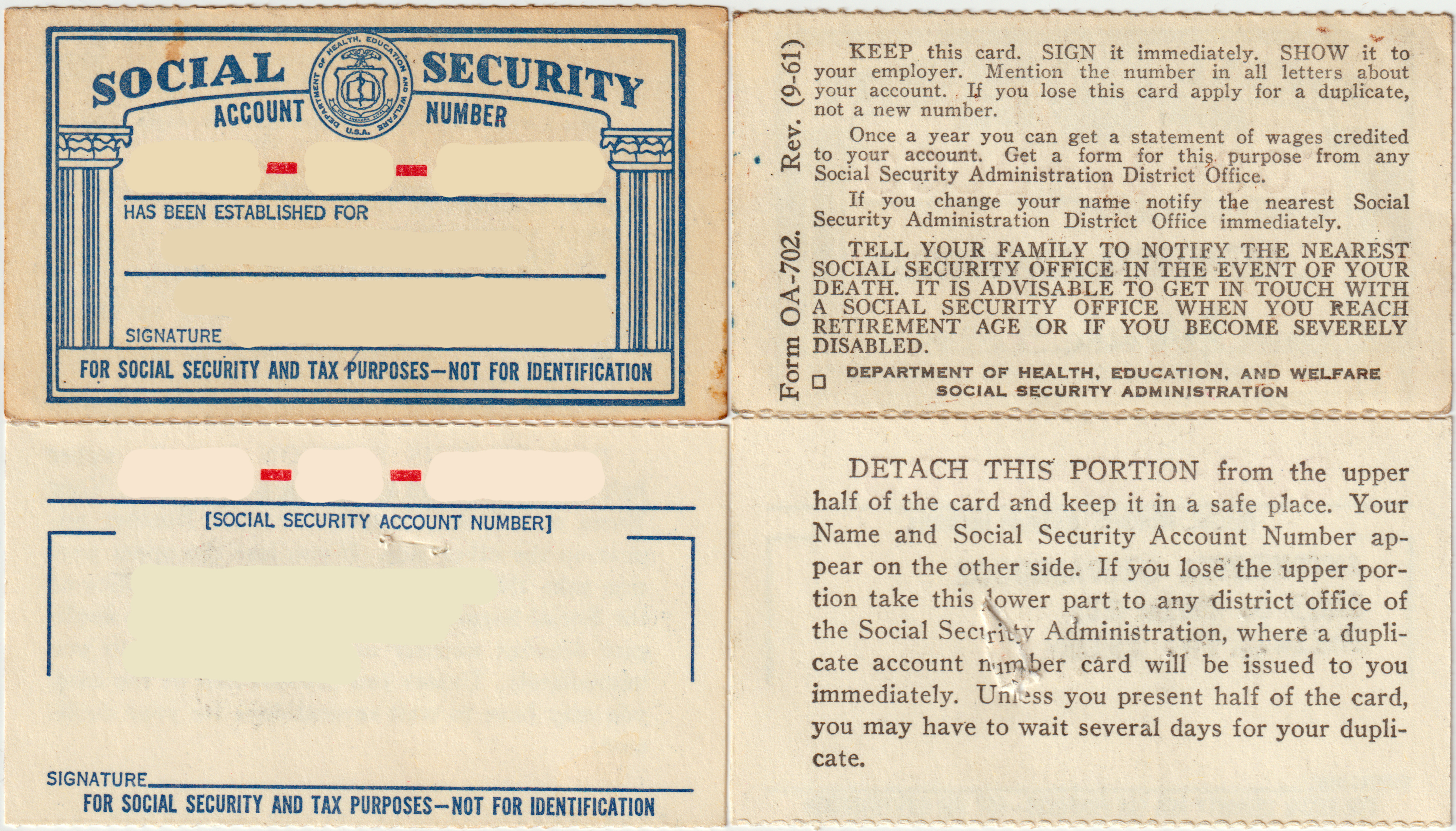
- Social Security numbers
- Account balances
- A client's transaction history
Exam Warning: Information that is purely public—such as a list of names drawn from a phone book or a public real estate registry—is not NPI. But the moment a public fact is linked to a nonpublic financial fact (e.g., "John Doe, whose address is in the phone book, has a $50,000 account balance"), the entire record becomes NPI.

The most heavily tested mechanic of Regulation S-P is the distinction between a "consumer" and a "customer." The law treats these two groups differently regarding when and how they must receive privacy notices.
All customers under Regulation S-P are also classified as consumers. However, not all consumers are customers.
| Classification | Definition | Nature of Relationship |
|---|---|---|
| Consumer | An individual who obtains a financial product or service primarily for personal, family, or household purposes. | Transactional. Consumers who execute isolated transactions without opening an account do not become customers under Regulation S-P. |
| Customer | A consumer who has established an ongoing relationship with a financial institution. | Ongoing. Opening a brokerage account, signing an advisory contract, or holding an active mutual fund account establishes this status. |
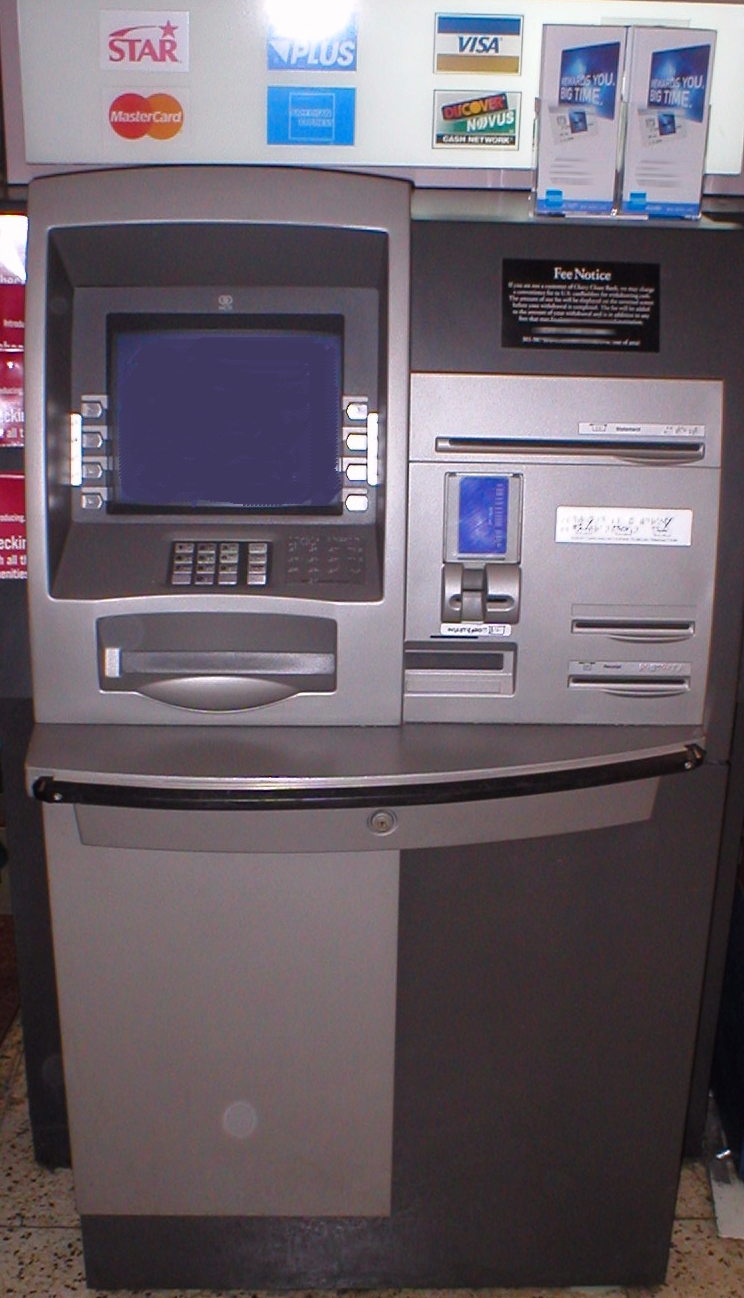
Think of a consumer as someone walking into a bank branch to wire money once, or using an ATM as a non-member. They are interacting with the institution, and their NPI must be protected, but they do not have a lasting tie. A customer is someone who opens a checking account.
The difference between a consumer and a customer dictates the strict timeline of when a financial institution must deliver privacy notices.
Initial Privacy Notices
A financial institution must provide an initial privacy notice to a customer no later than when the customer relationship is established. It is an operational prerequisite to opening the account.
For a mere consumer, the rule is conditional. A financial institution must provide an initial privacy notice to a consumer before disclosing the consumer's nonpublic personal information to any nonaffiliated third party. Therefore, a financial institution is not required to provide an initial privacy notice to a consumer if the institution never shares the consumer's nonpublic personal information with nonaffiliated third parties.
Annual Privacy Notices
Because customers have an ongoing relationship with the firm, the initial notice is not enough. A financial institution must provide an annual privacy notice to all active customers.
Conversely, financial institutions are exempt from providing annual privacy notices to consumers who lack an ongoing customer relationship with the firm. Once an isolated transaction is complete, the institution's communication obligations to that consumer end.
Required Content of the Notice
Privacy notices cannot be vague. They are legally binding disclosures. To satisfy Regulation S-P, a privacy notice must clearly detail:
- The categories of nonpublic personal information the financial institution collects.
- The categories of nonaffiliated third parties with whom the financial institution shares that nonpublic personal information.
If a firm intends to share a client's NPI with outside entities, the client must be given the power to say no. Financial institutions must provide consumers with a reasonable opportunity to opt out of having their nonpublic personal information shared with nonaffiliated third parties.
Affiliated vs. Nonaffiliated Sharing
The boundaries of the opt-out right are highly specific. The Regulation S-P opt-out right applies exclusively to the sharing of nonpublic personal information with nonaffiliated third parties.
Financial institutions are legally permitted to share a consumer's nonpublic personal information with affiliated companies without providing an opt-out right. If a broker-dealer is owned by a massive bank holding company, the broker-dealer can freely share a client's transaction history with its affiliated retail banking arm. The client cannot opt out of intra-family data sharing.
"Reasonable" Opt-Out Methods
When the firm does plan to share with nonaffiliated entities, the mechanics of the opt-out process are strictly regulated. A reasonable opt-out method under Regulation S-P must be easy for the consumer to execute.
The SEC legally recognizes the following as reasonable opt-out methods:
- Providing a toll-free telephone number.
- Providing a detachable reply form alongside the privacy notice.
- Providing an electronic opt-out mechanism (but only for a consumer who already conducts business electronically).
Crucial Rule: Friction is treated as a violation. Requiring a consumer to write a separate letter to opt out is legally prohibited as an unreasonable opt-out method under Regulation S-P.
The financial system could not operate if every single data transfer required a potential opt-out. Regulation S-P carves out specific, logical exceptions where a firm may share NPI with nonaffiliated third parties even if the client has not been given an opt-out opportunity.
- Service Providers: Financial institutions may share NPI with nonaffiliated third parties without offering an opt-out if the third party performs necessary services for the financial institution (e.g., printing account statements, clearing trades). However, this data cannot be given away freely. Financial institutions sharing nonpublic information with nonaffiliated service providers must establish a contractual agreement prohibiting the service provider from using the information for unrelated purposes.
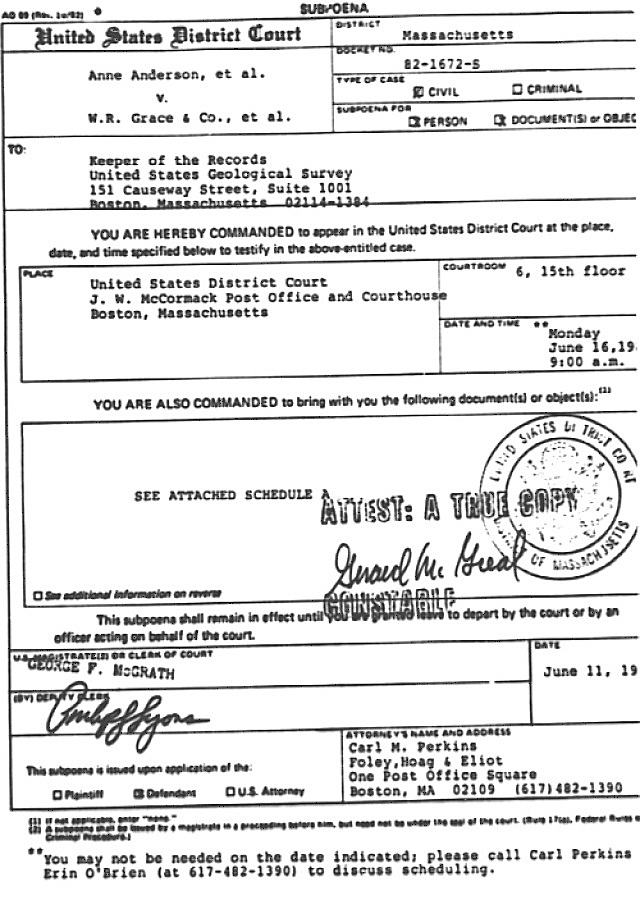
- Legal Mandates: Financial institutions may disclose nonpublic personal information without offering an opt-out right in order to comply with a legally binding court order or subpoena. A client cannot use Regulation S-P to hide their assets from a judge or regulatory body.
Promising not to sell a client's data is meaningless if the firm leaves the data vulnerable to theft. The Safeguards Rule of Regulation S-P requires financial institutions to adopt written policies and procedures to protect customer records.
These written safeguard policies must explicitly address three specific domains:
- Administrative safeguards: (e.g., employee training, access management protocols).
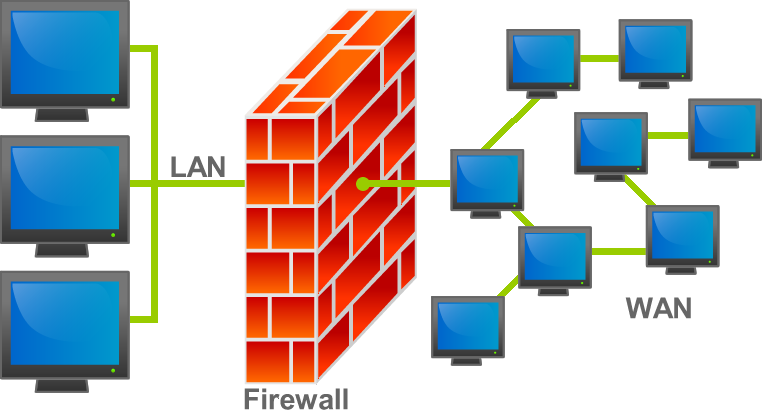
- Technical safeguards: (e.g., encryption, firewalls, secure password requirements).
- Physical safeguards: (e.g., locked filing cabinets, secure server rooms, shredding physical documents).
The policies cannot be static; they must protect against anticipated threats to the security and integrity of customer records. Fundamentally, these safeguard policies must prevent unauthorized access to customer records and prevent unauthorized use of customer records.
The 2024 Amendments: Reacting to the Modern Threat Landscape
As cyber threats evolved, the SEC recognized that preventing breaches was no longer sufficient; firms also needed rules for when defenses fail.
The 2024 amendments to Regulation S-P significantly escalated the Safeguards Rule by addressing post-breach reality. The amendments mandate two critical new requirements:
- Incident Response Program: Covered institutions must adopt a formal written incident response program for data breaches. It is no longer acceptable to improvise when a hack occurs.
- Strict Notification Timeline: Under the 2024 Regulation S-P amendments, financial institutions must notify affected individuals of a data breach no later than 30 days after becoming aware of the incident.
When state administrators evaluate a broker-dealer or agent under the Uniform Securities Act (USA Section 403), adherence to these federal privacy blueprints is treated as a core indicator of ethical business practices. A failure to secure client data, or a failure to provide the exact contours of an opt-out, is not just an administrative oversight—it is a breach of the fiduciary and operational trust that holds the industry together.