Asset-Backed Securities
Financial engineering is fundamentally the science of redirecting chaotic cash flows into predictable, highly specialized streams. When an individual takes out a loan, they create a sequence of future payments. Taken alone, that single loan is highly unpredictable—the borrower might default, pay it off early, or take the maximum allowable time. However, when thousands of these loans are pooled together, the law of large numbers takes over. We can mathematically slice the massive, combined river of incoming cash into distinct channels, each engineered to behave exactly how a specific type of investor requires. This is the underlying physics of securitization, a mechanism that allows the financial industry to match the wildly varying time horizons and risk tolerances of investors with the financing needs of everyday consumers and corporations.
For a registered representative, understanding how these cash flows are dismantled and reassembled is not just an academic exercise. You will encounter clients who demand high yield but refuse to accept credit risk, or clients who need a guaranteed stream of income to fund a liability precisely five years from now. Asset-backed securities, collateralized mortgage obligations, and collateralized debt obligations are the tools you will use to solve those exact problems.
To understand complex securitization, we must first establish the baseline. Asset-backed securities are bonds backed by financial assets other than real estate mortgages.
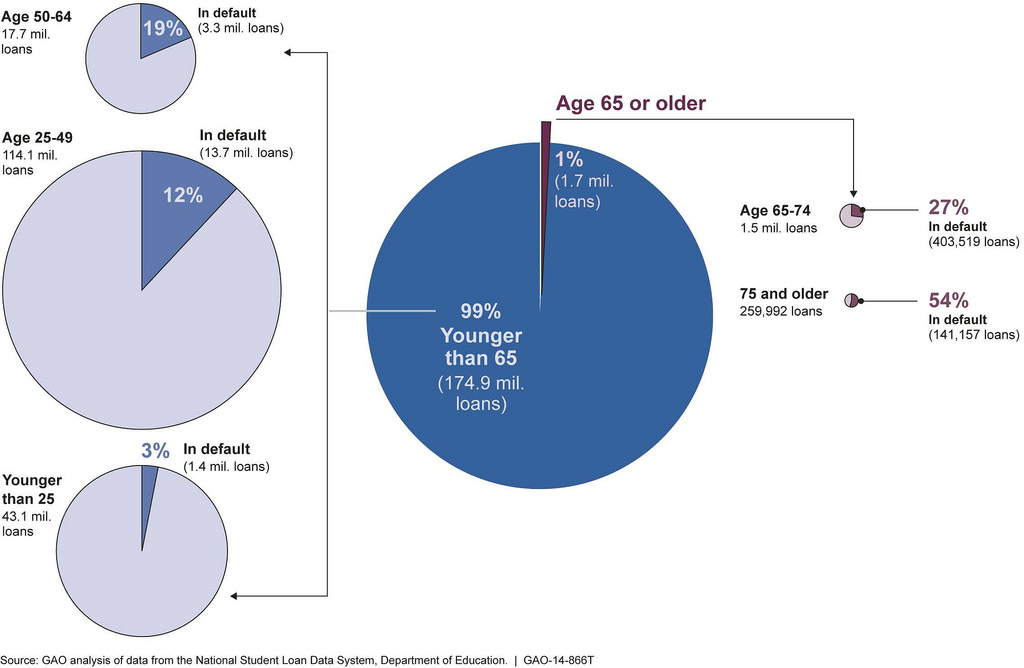
Instead of homes, the common underlying assets for asset-backed securities include auto loans, credit card receivables, and student loans. By pooling these consumer obligations, issuers create a bond where the cash flows from the underlying assets in an asset-backed security are used to pay principal and interest to investors.
Operational Realities of ABS
As a broker, you must master the operational mechanics of these instruments because they dictate how your clients' accounts are credited.
Crucial Market Mechanics:
- Settlement: Trades for standard asset-backed securities settle on a T+1 basis (one business day after the trade date).
- Accrued Interest: The accrued interest for standard asset-backed securities is calculated based on a 30-day month and a 360-day year, mirroring the convention used for corporate and municipal bonds.
Altering the Timeline: Calls and Puts
Not all ABS mature exactly on schedule. Embedded options can alter the life of the security:
- A call feature allows the issuer of an asset-backed security to redeem the bond before the stated maturity date. Issuers typically do this when interest rates fall, allowing them to refinance the debt cheaper.
- Conversely, a put feature allows the investor to sell the asset-backed security back to the issuer before maturity at a specified price. This protects the investor if interest rates rise, allowing them to reinvest capital at higher current rates.
While standard ABS deal in auto or student loans, the largest sector of securitization deals in housing. However, traditional mortgage-backed securities (MBS) carry a fundamental flaw stemming from human behavior.
Unlike a corporate bond, which pays a fixed coupon until maturity, a homeowner has the right to pay off their mortgage whenever they please. This creates two distinct risks:
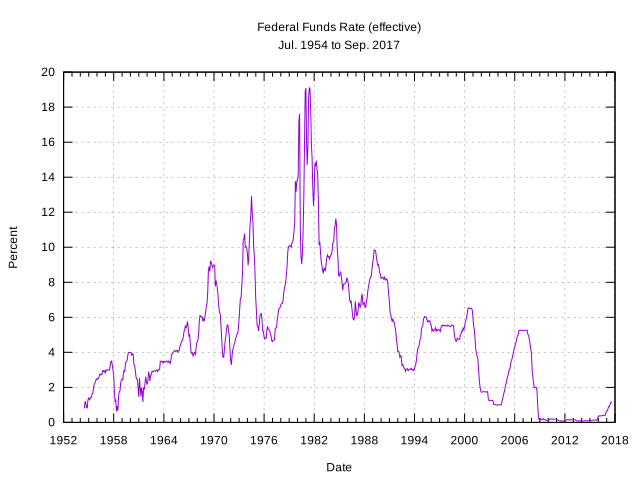
- Prepayment Risk: This is the risk that homeowners will pay off mortgages earlier than expected when interest rates fall. They refinance to secure cheaper borrowing costs. From an investor's perspective, prepayment risk acts similarly to a call feature because the mortgage-backed security investor receives principal back earlier than anticipated. They are then forced to reinvest this returned capital into a lower interest rate environment.
- Extension Risk: This is the risk that homeowners will pay off mortgages slower than expected when interest rates rise. Nobody refinances an existing 3% mortgage when current rates are 7%. The investor is trapped holding a low-yielding asset for longer than expected.
To predict this human behavior, the industry relies on a mathematical standard. The Public Securities Association (PSA) model is used to estimate the prepayment rate of mortgages underlying a collateralized mortgage obligation.
- A PSA model assumption equal to 100 indicates a standard baseline prepayment rate for a collateralized mortgage obligation.
- A PSA model assumption greater than 100 indicates that underlying mortgages are prepaying faster than the baseline rate (typically in falling rate environments).
- A PSA model assumption less than 100 indicates that underlying mortgages are prepaying slower than the baseline rate (typically in rising rate environments).
Because institutions like pension funds and insurance companies could not tolerate the wild unpredictability of prepayment and extension risk, Wall Street invented the CMO.
Collateralized mortgage obligations are mortgage-backed securities separated into distinct risk classes called tranches (the French word for "slice"). The underlying assets of a collateralized mortgage obligation are pools of mortgages or mortgage-backed pass-through securities. By altering how the cash flows are distributed, collateralized mortgage obligations are designed to mitigate the prepayment risk and extension risk associated with traditional mortgage-backed securities.
CMO Characteristics and Disclosures
Before diving into how tranches work, you must understand the regulatory and structural characteristics of the product:
- Creation & Guarantees: Collateralized mortgage obligations are typically created by private institutions like broker-dealers rather than directly by government agencies. Because of this private structuring, a collateralized mortgage obligation backed by government agency securities is not guaranteed by the United States government. The underlying collateral might be safe, but the complex derivative structure layered on top of it is a private contract.
- Income & Taxation: A collateralized mortgage obligation pays principal to investors gradually over the life of the security, differing from standard bonds that pay a single lump-sum principal at maturity. Collateralized mortgage obligations typically pay interest to investors on a monthly basis, making them highly attractive to clients needing regular income. However, the interest income received from a collateralized mortgage obligation is fully taxable at the federal, state, and local levels.
- Quoting & Sizing: Collateralized mortgage obligations are typically issued in denominations of $1,000. When you look at your terminal, you will see that yield quotes on collateralized mortgage obligations are based on the expected life of the specific tranche. Because mortgages amortize and prepay, yield quotes on collateralized mortgage obligations are not based on the final maximum maturity date of the security, which is largely an illusion.
- Suitability Rule: Because of their complexity, FINRA requires heavy disclosure. Broker-dealers are required to provide investors with a standardized educational document before executing a first-time transaction in collateralized mortgage obligations.
The Architecture of Tranches
How do we take a pool of mortgages and divide the cash flows to protect specific investors? We use a hierarchy.
In a plain vanilla collateralized mortgage obligation, principal payments are directed to only one tranche at a time sequentially. Imagine a series of buckets filling with water. The earliest maturity tranche in a collateralized mortgage obligation receives all principal payments until that specific tranche is fully retired. Once the first bucket is full, the principal cascades into the second bucket, and so on. Meanwhile, most collateralized mortgage obligation tranches receive regular interest payments while waiting to receive principal payments.
Beyond the plain vanilla structure, financial engineers created highly specialized tranches to target specific risks:
| Tranche Type | Risk Mitigation Profile | Characteristic |
|---|---|---|
| PAC (Planned Amortization Class) | Offers protection against prepayment risk AND extension risk. | The safest, most predictable tranche. Ideal for clients requiring strict cash-flow scheduling. |
| TAC (Targeted Amortization Class) | Offers protection against prepayment risk, but does not offer protection against extension risk. | Protects against early principal return, but the investor might be stuck holding the bond longer if rates rise. |
| Companion Tranche | Absorbs the prepayment and extension risks transferred away from PAC and TAC tranches. | The "shock absorber." Highly volatile. It takes the hit so the PACs and TACs remain stable. |
The Z-Tranche: The Ultimate Waiting Game
At the very bottom of the structure sits the Z-tranche, which is typically the lowest-priority tranche in a collateralized mortgage obligation.
The mechanics of the Z-tranche act similarly to a zero-coupon bond. A Z-tranche receives no interest payments until all preceding tranches in the collateralized mortgage obligation are fully paid off. Furthermore, a Z-tranche receives no principal payments until all preceding tranches in the collateralized mortgage obligation are fully paid off.
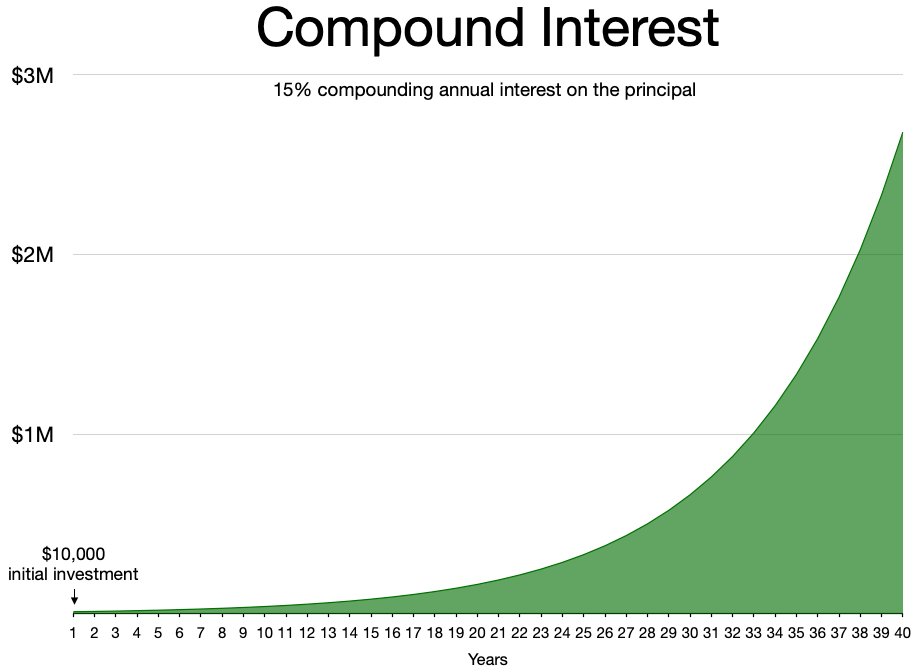
So what happens to the money it is supposedly earning? The interest assigned to a Z-tranche is added to the Z-tranche principal balance until earlier tranches are retired. Its value compounds silently, acting as a massive sponge for interest, until its turn in the sequential line finally arrives.
While CMOs slice up timing risk (when you get paid), Collateralized Debt Obligations (CDOs) slice up credit risk (if you get paid at all).
A collateralized debt obligation is an asset-backed security backed by a pool of non-mortgage debt instruments. The underlying assets of a collateralized debt obligation typically include corporate bonds, bank loans, or credit card debt. Unlike a mortgage pool where default risk is generally low but prepayment risk is high, a CDO relies on the credit quality of the underlying pool of debt to generate yield.
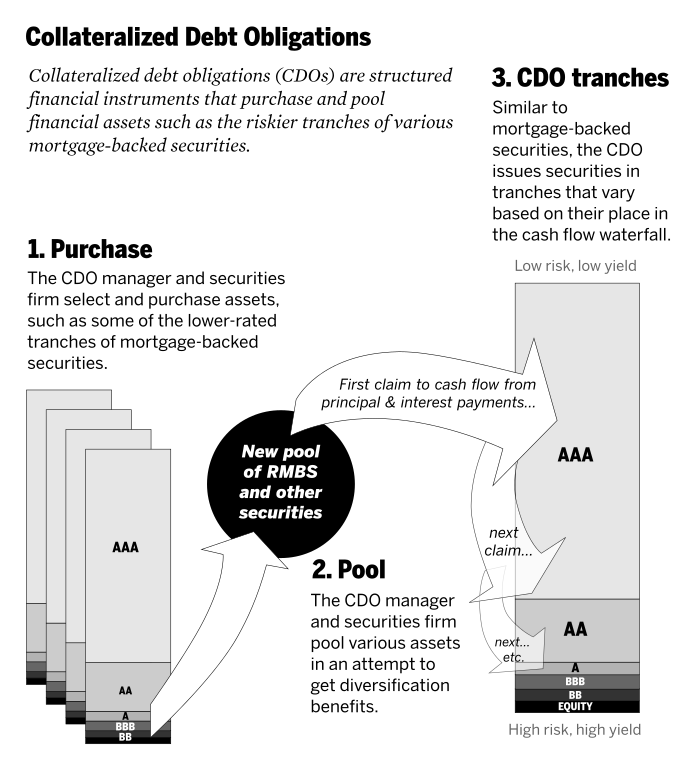
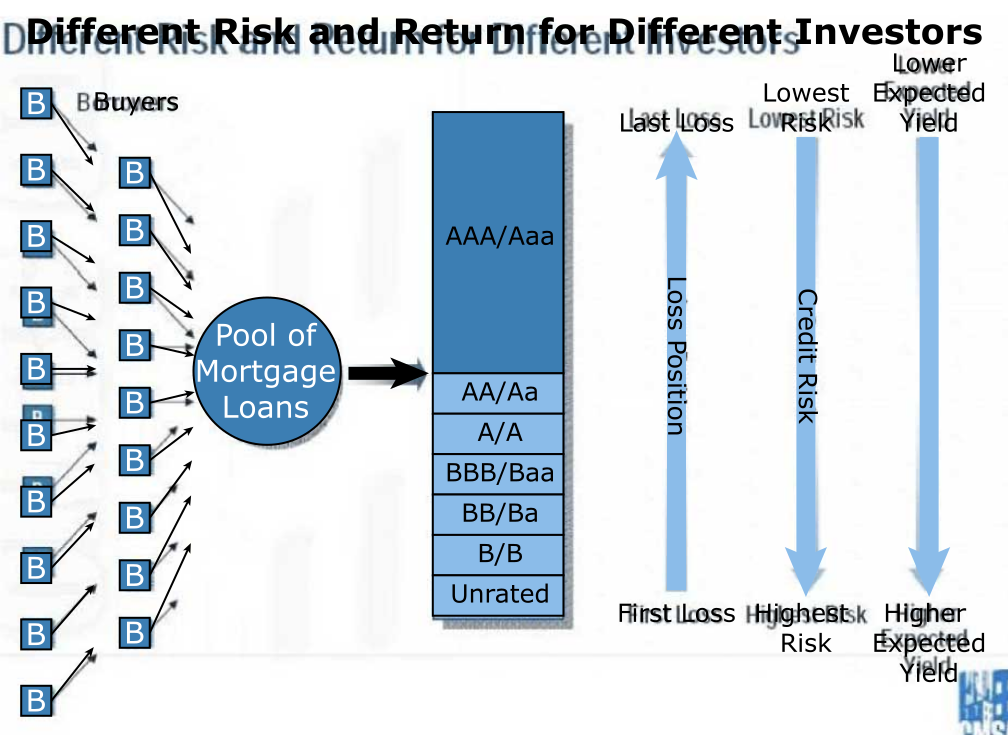
To make junk-rated debt palatable to conservative investors, financial engineers realized they could structure the CDO into different tranches representing different levels of credit risk. They dictate who takes the loss when a company in the underlying pool goes bankrupt.
The CDO Waterfall Structure
The cash flow distribution in a collateralized debt obligation follows a specific order known as a waterfall structure. In a collateralized debt obligation waterfall structure, cash flows are distributed to senior tranches first before any payments reach lower-priority tranches.
The CDO Hierarchy of Pain:
- Has the highest priority of claim on the underlying cash flows.
- Because it is the safest place to be, the senior tranche carries the lowest credit risk among the tranches.
- Consequently, the senior tranche carries the lowest yield among the tranches.
- Sits in the middle.
- The mezzanine tranche absorbs default losses before the senior tranche is affected. It offers a moderate yield for taking on moderate default risk.
3. The Equity Tranche (Toxic Waste)
- Has the lowest priority of claim on cash flows.
- The equity tranche absorbs the first losses if the underlying assets default.
- To compensate for this extreme danger, the equity tranche offers the highest potential yield due to a high level of default risk.
Putting It All Together for the Series 7
As a financial professional, your job is to match the architecture of these securities to the architecture of your client's financial life. If a client fears early payoffs interrupting their income stream, you look to a CMO PAC tranche. If a hedge fund client wants to speculate on corporate bankruptcies and maximize yield, you look to a CDO equity tranche. You are not merely trading bonds; you are operating the floodgates of global cash flows, routing capital to exactly where its specific risk-and-reward profile belongs.