Discrepancies, Disputes, and Complaints
A perfectly calibrated machine inevitably encounters friction. In the financial markets, millions of trades execute flawlessly every day, but human fallibility—a transposed digit, a misunderstood instruction, or a misallocated block of shares—introduces errors and disputes. The architecture of the securities industry relies not on the illusion of perfection, but on the rigorous, systematic resolution of these discrepancies. For a registered representative, understanding how to legally and procedurally correct an error, manage a client grievance, or navigate formal arbitration is just as critical as understanding the mechanics of an options straddle or the yield curve. We are managing the friction of the market.

When an order is entered incorrectly, the reality of the market clashes with the intention of the client. How a firm bridges that gap is heavily regulated to prevent reps from burying their mistakes or shifting losses onto the customer.
Because errors represent a financial liability and a compliance risk, a registered representative cannot maintain a personal error account. You cannot quietly absorb a loss to save face with a client. Instead, every broker-dealer must maintain a firm error account, and all trade errors must be resolved through the broker-dealer error account.
When a mistake happens, time is the enemy. A registered representative must immediately report a trade error to a designated principal. You do not have the authority to fix it yourself; a trade correction requires the authorization of a designated principal.
Cancel and Rebill
One of the most common mechanical errors is executing a trade in the correct security and correct quantity, but placing it in the wrong customer account. To fix this, firms use a cancel and rebill process. However, a paper trail is paramount: a designated principal must approve a cancel and rebill in writing before the trade correction takes place. This prevents reps from moving profitable trades into favored accounts under the guise of an "error."
Erroneous Execution Reports
What happens if you call a client and tell them, "We bought 100 shares of XYZ at $50," but you later discover the trade actually executed at $52?
The objective reality of the market governs. If a customer is given an erroneous execution report, the actual trade execution price is binding on the customer. The broker-dealer cannot magically conjure shares at $50 if the market never traded at that price. Simply put, a broker-dealer cannot honor an erroneous trade report price if the actual execution happened at a different price.
Conversely, if a trade was not actually executed, an erroneous execution report provided to a customer is not binding on the broker-dealer. An accidental confirmation over the phone does not create an enforceable contract for phantom shares.
Friction often evolves from mechanical errors to direct client dissatisfaction. FINRA operates on a strict, binary definition of what constitutes an actionable grievance.
FINRA defines a customer complaint as any grievance submitted in a written format. This distinction is absolute. A client yelling at you over the phone for twenty minutes is a customer service problem, because verbal grievances from customers do not meet the FINRA definition of a formal customer complaint. However, the moment that same client types their frustration out, the regulatory machinery activates. Both an email from a customer alleging a grievance constitutes a formal written complaint, and a text message from a customer alleging a grievance constitutes a formal written complaint.
If you receive a written complaint, you cannot sit on it while you attempt to smooth things over. A registered representative must immediately forward any written customer complaint to a principal.
Recordkeeping and FINRA Reporting
Regulators require firms to maintain a pristine history of client friction.
- Broker-dealers must retain records of customer complaints for four years.
- These records cannot be scattered; broker-dealers must keep customer complaint records at the Office of Supervisory Jurisdiction (OSJ).
- To help FINRA identify systemic issues across the industry, broker-dealers must electronically submit a statistical summary of customer complaints to FINRA on a quarterly basis.
- These quarterly statistical summaries of customer complaints must be filed with FINRA by the 15th of the month following the calendar quarter.
Note on Severity: Certain actions transcend routine complaints and breach into criminal territory. A broker-dealer must report a customer complaint involving forgery to FINRA within 30 days of discovery. Likewise, a broker-dealer must report a customer complaint involving theft to FINRA within 30 days of discovery.
Form U4 Disclosures
Your Form U4 is your permanent professional record. FINRA requires public disclosure when serious allegations of sales practice violations occur, regardless of whether you admit fault.
- A written customer complaint alleging a sales practice violation must be reported on Form U4 if the alleged damages exceed $5,000.
- Even if the initial demand was lower or unspecified, a written customer complaint alleging a sales practice violation must be reported on Form U4 if the complaint settles for more than $15,000.
- It is your responsibility to ensure your record is current. A registered representative must update Form U4 within 30 days of learning of a reportable customer complaint.
When a dispute cannot be resolved internally, the industry relies on alternative dispute resolution rather than clogging the public court system.
The Path of Mediation
Before stepping into the adversarial arena of arbitration, parties often attempt mediation. The FINRA Code of Mediation Procedure provides a voluntary alternative to arbitration. In this process, a mediator helps parties reach a mutually agreeable settlement.
The key distinction of mediation is its lack of coercive power: mediation does not result in a binding decision forced by the mediator. It is entirely cooperative. However, if mediation fails to resolve a dispute, the dispute must proceed to arbitration.
The Finality of Arbitration
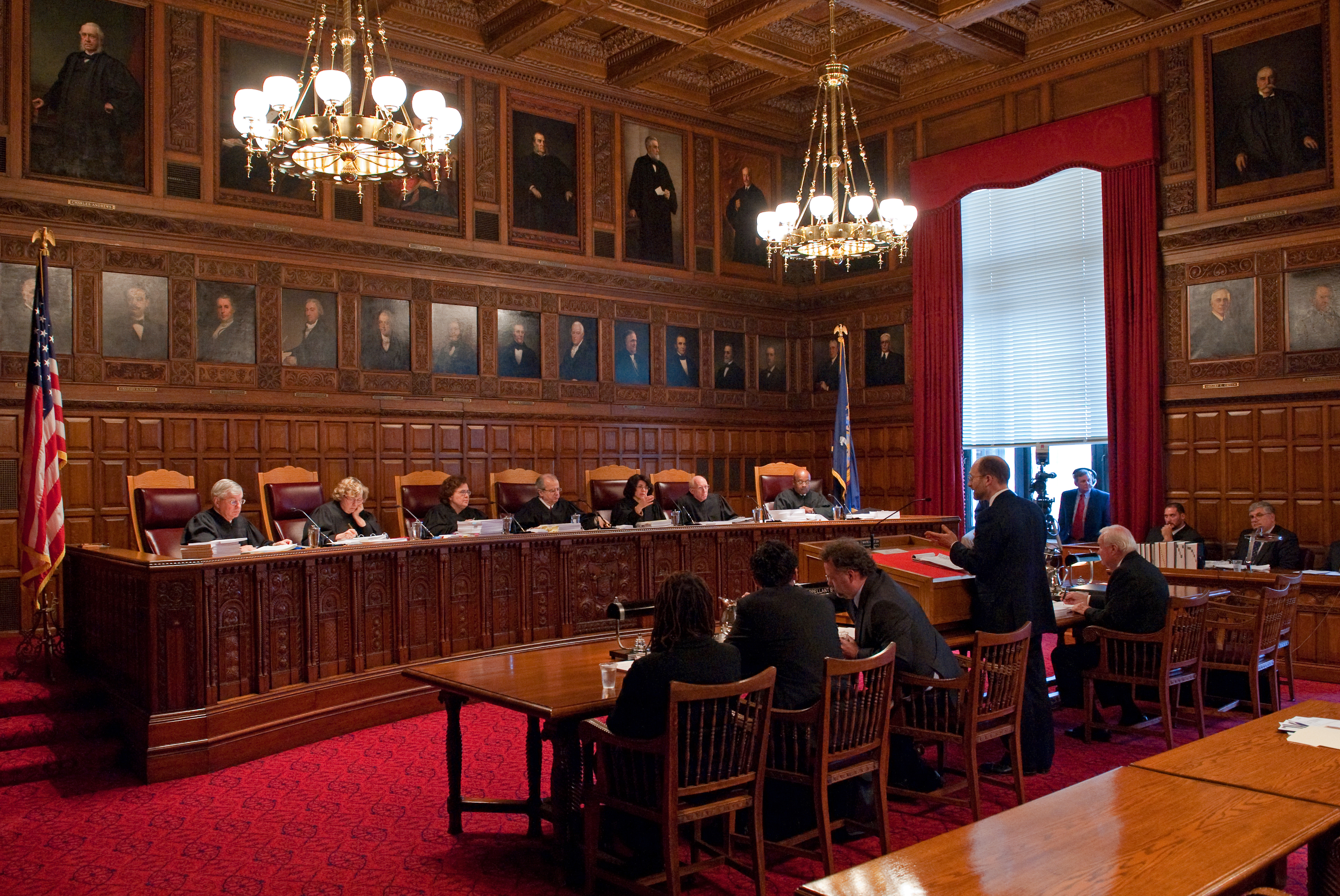
Arbitration is the backbone of industry dispute resolution. The FINRA Code of Arbitration Procedure is the mandatory method for resolving disputes between member firms, as well as disputes between registered representatives and member firms.
While industry insiders are bound to arbitrate automatically, customers retain their civil court rights unless they agree otherwise. In practice, customers can force a member firm into arbitration if a predispute arbitration agreement was signed (which is standard practice when opening margin and options accounts).
Because these agreements restrict a customer's access to the courts, transparency is legally mandated:
- Predispute arbitration agreements must be highlighted in customer account opening documents.
- A customer must receive a copy of the predispute arbitration agreement within 30 days of signing.
Arbitration is designed to be efficient and conclusive. Decisions reached by a FINRA arbitration panel are final and binding on all parties. Crucially, decisions reached by a FINRA arbitration panel cannot be appealed to a court of law, except in extremely rare cases of proven arbitrator bias or fraud.
To prevent ancient grievances from surfacing decades later, the statute of limitations for submitting a claim to FINRA arbitration is six years from the event causing the dispute.
Exemptions from Mandatory Arbitration
There are two glaring exceptions where the industry cannot force its participants into closed-door arbitration.
- Disputes involving statutory employment discrimination claims are exempt from mandatory industry arbitration.
- Disputes involving sexual harassment claims are exempt from mandatory industry arbitration.
In both instances, these claims may be pursued in a court of law, protecting the civil rights of employees within the financial sector.
Who actually decides the outcome of a dispute? The panel composition is deliberately structured to ensure fairness, particularly for the investing public.
Arbitrators are categorized by their professional background:
- Non-public arbitrators are individuals currently employed in the securities industry.
- Public arbitrators are individuals not employed in the securities industry.
To prevent an "insider's club" dynamic from steamrolling a retail investor, arbitration panels for customer disputes must consist of a majority of public arbitrators.
The size and formality of the panel scale directly with the financial stakes of the dispute:
| Dispute Amount | Panel Size & Structure |
|---|---|
| $50,000 or less | Simplified arbitration is available for disputes involving $50,000 or less. This highly efficient method relies on a single arbitrator reviewing written evidence without a formal hearing. |
| Between $50,000 and $100,000 | One arbitrator is appointed unless the parties agree in writing to three. |
| Over $100,000 | Three arbitrators are appointed to the panel. |
Enforcing the Award
An arbitration award is meaningless without enforcement. Once the gavel falls, the clock starts. Monetary awards resulting from arbitration must be paid within 30 days of the decision date.
FINRA does not tolerate defiance of its panels. Failure to pay an arbitration award within 30 days can result in the suspension of a broker-dealer's FINRA membership, effectively terminating their ability to conduct business in the United States.