Equity Securities: Common and Preferred Stock
When you purchase a share of stock, you are not merely buying a digital ledger entry; you are acquiring a proportional claim on a living, breathing economic engine. A corporation is an abstract legal fiction designed to aggregate capital, and equity securities are the precise mathematical instruments used to slice up the resulting ownership, control, and risk. For a registered representative, mastering equity securities is not about memorizing definitions—it is about understanding the structural hierarchy of risk and reward. When a client hands you their capital, they are trusting you to know exactly where they stand in line if the company goes bankrupt, how much control they have over the board of directors, and what protections they possess against the dilution of their wealth.
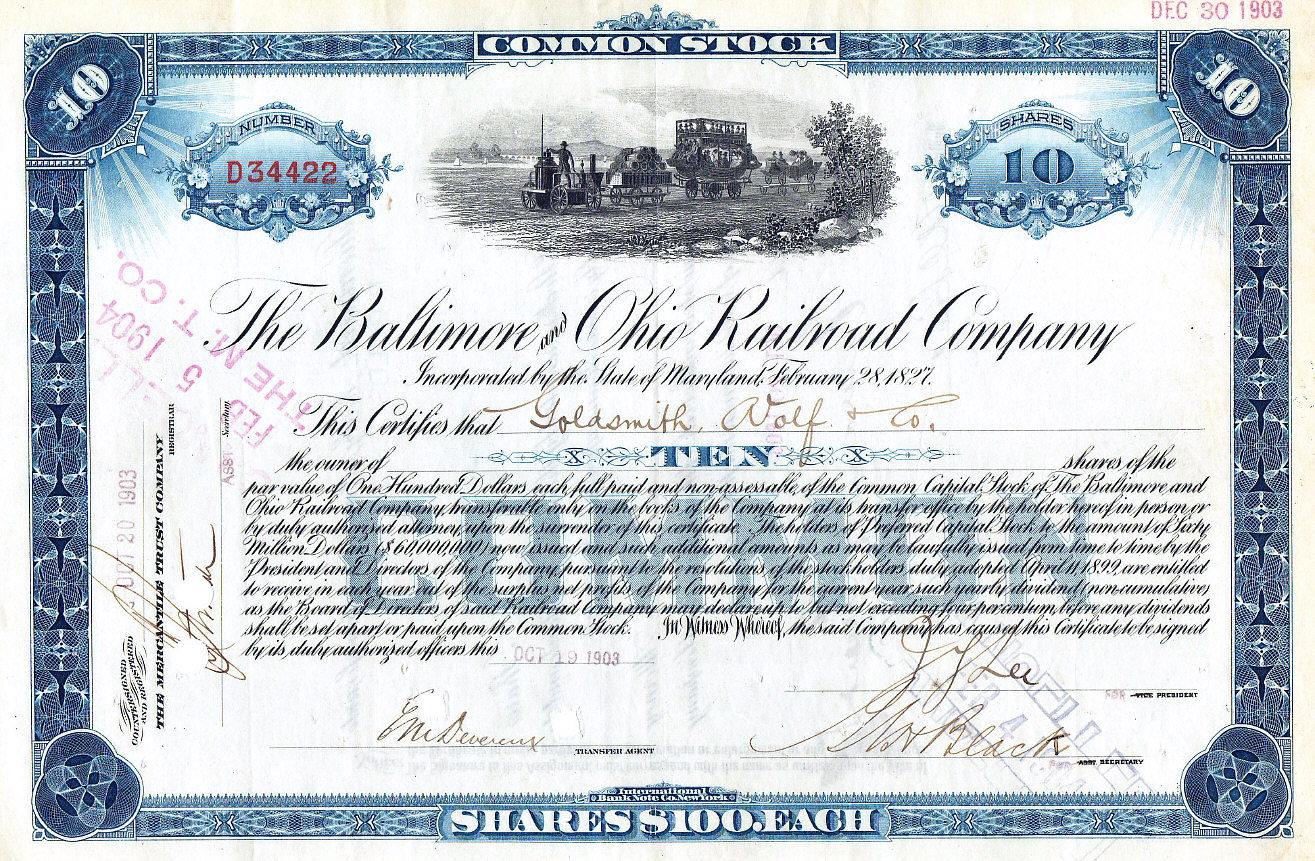
Before a company can raise a single dollar from the public, it must write its corporate charter. This charter acts as the ultimate blueprint for the company's capital structure, defining the boundaries of ownership through specific classifications of stock.
To understand how a company’s ownership is divided, you must differentiate between four distinct states of equity:
- Authorized Stock: Think of this as the absolute legal ceiling. Authorized stock is the maximum number of shares a corporation is legally permitted to issue under the corporate charter. It represents potential ownership, not actual capital raised.
- Issued Stock: When a company needs capital, it begins selling pieces of its authorized limit. Issued stock refers to authorized shares that have been sold to the investing public.
- Outstanding Stock: This metric tells you exactly what the market currently owns. Outstanding stock represents shares currently held by the investing public.
- Treasury Stock: Corporations do not always leave their shares in the public's hands forever. Treasury stock consists of shares that were issued to the public and subsequently repurchased by the issuing corporation.
Because treasury stock has been removed from public circulation, we derive a fundamental equation that you will use throughout your career to evaluate corporate structure:
Formula: The formula to calculate outstanding stock is issued stock minus treasury stock.
The Mechanics and Motives of Treasury Stock
Why would a corporation spend millions to buy back its own shares? It boils down to financial engineering and internal compensation.
First, corporations repurchase outstanding stock to increase the earnings per share (EPS) metric. Earnings per share is calculated by dividing net income by the number of outstanding shares. By buying back shares and moving them into the treasury, the company shrinks the denominator (outstanding stock). Even if net income stays perfectly flat, the EPS mathematically rises, making the stock appear more attractive to investors.
Second, corporations repurchase outstanding stock to have shares available for employee stock option plans. Instead of diluting the pool by authorizing and issuing brand-new shares to compensate executives, they recycle shares from the open market.
It is critical to remember that a corporation is a separate legal entity, but it cannot logically be an owner of itself in a way that extracts value. Paying yourself a dividend from your own bank account is a meaningless circular transaction, and a corporation cannot vote for its own directors. Therefore:
- Treasury stock does not pay dividends.
- Treasury stock does not carry voting rights.
Common stock is the foundational layer of corporate equity. When your client buys common stock, they are adopting a very specific risk profile: they get the limitless upside of corporate growth, but they must accept the ultimate downside if the business fails.
Because they accept this risk, common stockholders have limited liability. This is a firewall protecting the investor's personal wealth; limited liability means a common stockholder can only lose the amount invested in the stock. If the corporation defaults on billions in debt, creditors cannot seize the stockholder's personal home or bank accounts.
However, in the event of total failure, the hierarchy of liquidation is strictly enforced. Common stockholders hold the lowest priority claim on corporate assets during a bankruptcy liquidation. They stand behind the IRS, employees, bondholders, and preferred stockholders. They are the "residual claimants"—they only get what is left over.
Corporate Control and Voting Rights
Because common stockholders bear the most risk, they are granted the power to control the company's leadership and macro-structural changes.
Common stockholders have the right to vote on the election of the board of directors. They also have the right to vote on proposed stock splits, as a split mathematically alters the structure of the shares they own. However, there is a strict boundary on their operational control: Common stockholders do not vote on the declaration of cash dividends. The power to declare a dividend rests exclusively with the board of directors, who must weigh the financial health of the company before distributing cash.
When election season arrives, voting is handled through specific mathematical methods. If a stockholder cannot attend the annual meeting to vote in person, they rely on a proxy. A proxy is a mechanism allowing stockholders to delegate voting power to another party, usually the company's management.

The exact method used to tally votes drastically alters the balance of corporate power:
| Voting Method | Mechanism | Who it Benefits |
|---|---|---|
| Statutory Voting | Statutory voting allows a stockholder to cast one vote per share owned for each directorship position being contested. If you own 100 shares and there are 3 open seats, you can cast a maximum of 100 votes for Seat A, 100 for Seat B, and 100 for Seat C. | Because a massive institutional holder can outvote a retail investor on every single seat, statutory voting benefits larger majority stockholders. |
| Cumulative Voting | Cumulative voting allows a stockholder to pool all votes and allocate them as desired among the directorship candidates. If you own 100 shares and 3 seats are open, you have 300 total votes. You can dump all 300 votes onto a single underdog candidate. | Because it allows retail investors to concentrate their power and guarantee at least one representative on the board, cumulative voting benefits smaller minority stockholders. |
Information and Anti-Dilution Protections
A partial owner cannot be kept in the dark about the company's financial health. Common stockholders have the right to inspect corporate books. However, this does not mean your client can walk into a corporate headquarters and demand to see raw ledger entries. From a practical regulatory standpoint, the stockholder right to inspect corporate books is typically satisfied by the receipt of an annual audited financial report.
Furthermore, an investor's ownership stake must be protected from unfair dilution. If an investor owns 10% of a company, and the company decides to issue millions of new shares to the public, that investor's voting power and claim on earnings would be crushed.
To prevent this, preemptive rights give existing common stockholders the first opportunity to purchase newly issued shares before they are offered to the general public. Mathematically, preemptive rights allow stockholders to maintain a proportionate ownership percentage in the corporation during new stock issuances.
While common stock is purely an equity play, preferred stock occupies a fascinating middle ground. Preferred stock is an equity security with characteristics similar to a debt instrument.
When a client buys preferred stock, they are effectively trading away the limitless upside of common stock (and usually their voting rights) in exchange for stability and priority.
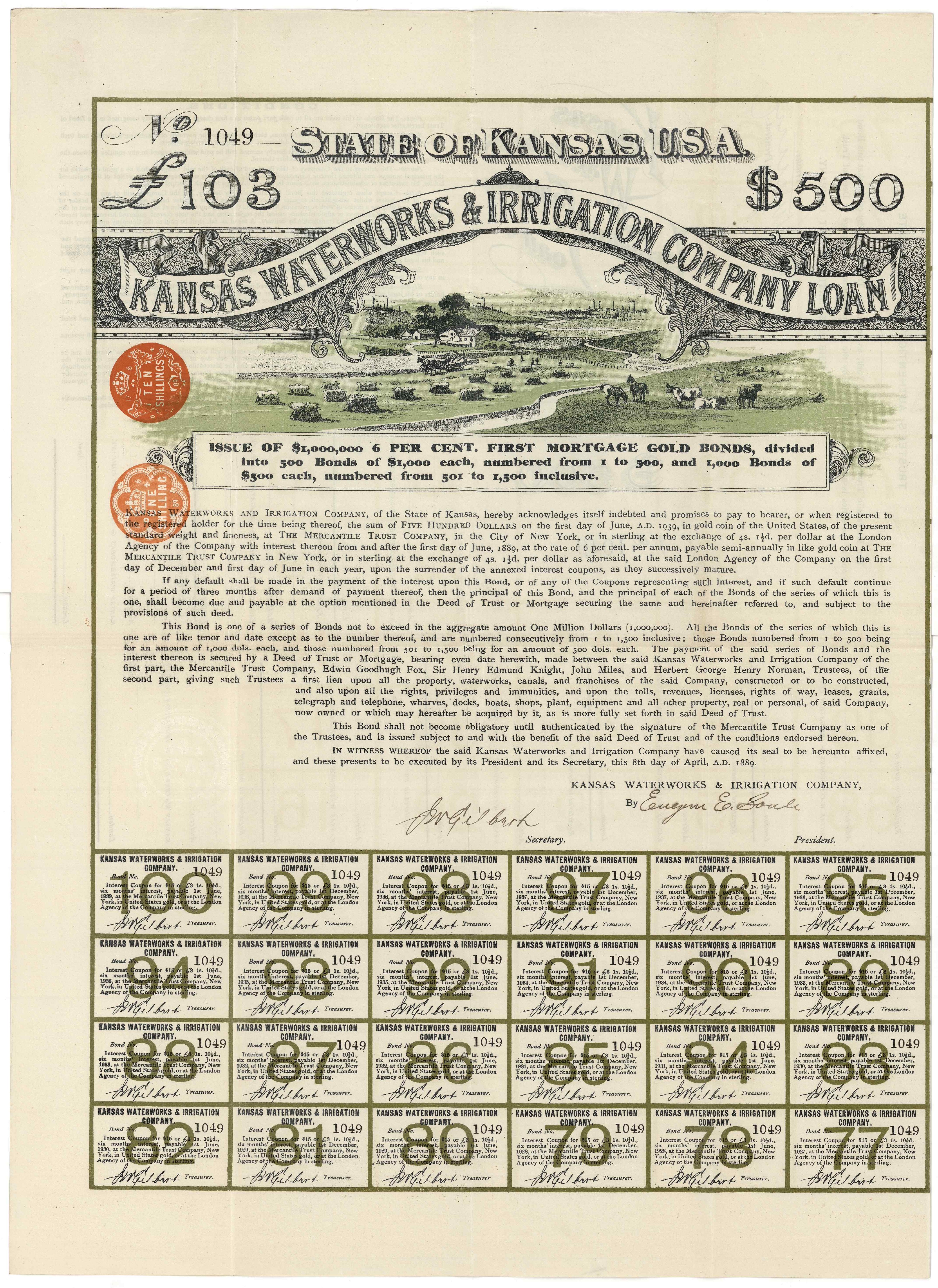
Here are the baseline characteristics of preferred stock you must internalize:
- No Voting Rights: Because they are shielded from the extreme risks of the common stockholder, preferred stockholders do not typically possess voting rights.
- Fixed Payments: Just like a bond pays a fixed coupon, preferred stock pays a fixed dividend.
- Pricing Mechanics: The standard par value for preferred stock is $100. Furthermore, a preferred stock dividend is typically expressed as a percentage of the stock par value. (For example, a 6% preferred stock pays $6 annually per share).
- Interest Rate Sensitivity: Because the dividend is fixed, the open market values preferred stock exactly how it values bonds. Preferred stock prices have an inverse relationship with prevailing interest rates. If new market interest rates rise to 8%, an older preferred stock paying only 5% becomes less attractive, and its market price will immediately fall.
- Hierarchy of Claims: In a bankruptcy scenario, preferred stockholders have a higher priority claim on corporate assets than common stockholders during a liquidation, but they have a lower priority claim on corporate assets than bondholders during a liquidation.
- Dividend Priority: Dividends on preferred stock must be paid before any dividends can be distributed to common stockholders.
Not all preferred stock is identical. Corporations attach different features to preferred shares to make them attractive to different types of investors or to give themselves financial flexibility. As a registered representative, you must match these features to your client's specific risk and income objectives.
Straight vs. Cumulative
The most basic variation is straight preferred stock, which has no special features beyond the stated dividend payment. Its biggest risk? If the company has a terrible year and the board skips the dividend, the investor is out of luck. Straight preferred stock does not require the issuer to make up missed past dividend payments.
If a client cannot stomach that risk, they need cumulative preferred stock. This variation strictly requires the issuer to pay all missed past dividends before paying any dividends to common stockholders. These heavily guarded missed dividend payments on cumulative preferred stock are called dividends in arrears.
Callable Preferred Stock
Sometimes, a company issues preferred stock at an 8% dividend, only to watch the broader economy cool down and market interest rates drop to 4%. The company is now trapped paying an unnecessarily high rate.
To escape this, companies issue callable preferred stock, which gives the issuing corporation the right to repurchase the shares at a specified price.
- When does it happen? Corporations typically call preferred stock when market interest rates decline, allowing them to refinance their equity obligations at a cheaper rate.
- The Investor's Trade-off: Calling a stock rips a great income-producing asset away from the investor just when interest rates are dropping. Because of this structural disadvantage, callable preferred stock generally pays a higher dividend rate than non-callable preferred stock. Simply put, the higher dividend rate on callable preferred stock compensates the investor for call risk.
Convertible Preferred Stock
What if your client wants the safety of a fixed dividend but doesn't want to miss out if the company's stock skyrockets?
Convertible preferred stock allows the owner to exchange the shares for a fixed number of shares of the issuing corporation's common stock.
Because this feature is highly advantageous to the investor, it comes at a cost. Convertible preferred stock generally pays a lower dividend rate than non-convertible preferred stock. The market logic is perfectly balanced: the lower dividend rate on convertible preferred stock offsets the potential for capital appreciation through conversion.
To determine exactly how many shares the investor gets upon converting, you use a strict formula:
The conversion ratio for convertible preferred stock is calculated by dividing the par value by the conversion price. (For example, if the par value is $100 and the conversion price is $25, the conversion ratio is 4. The investor gets 4 shares of common stock for every 1 share of preferred.)
Participating and Adjustable-Rate Preferred
Finally, there are two specialized forms of preferred stock designed to adapt to changing environments:
- Participating Preferred Stock: Normally, preferred dividends are strictly capped. However, participating preferred stock offers the possibility of receiving extra dividends if the corporation exceeds specific financial goals. It allows the investor to "participate" in an exceptionally profitable year alongside the common stockholders.
- Adjustable-Rate Preferred Stock: If a client is terrified of the inverse relationship between fixed dividends and interest rates (interest rate risk), this is the solution. Adjustable-rate preferred stock features a dividend rate that is periodically reset based on a predetermined benchmark interest rate (such as U.S. Treasury bill rates). Because the dividend dynamically updates to match the current economic reality, the market price of adjustable-rate preferred stock remains relatively stable because the dividend adjusts with prevailing interest rates.