Orders, Quotes, and Best Execution
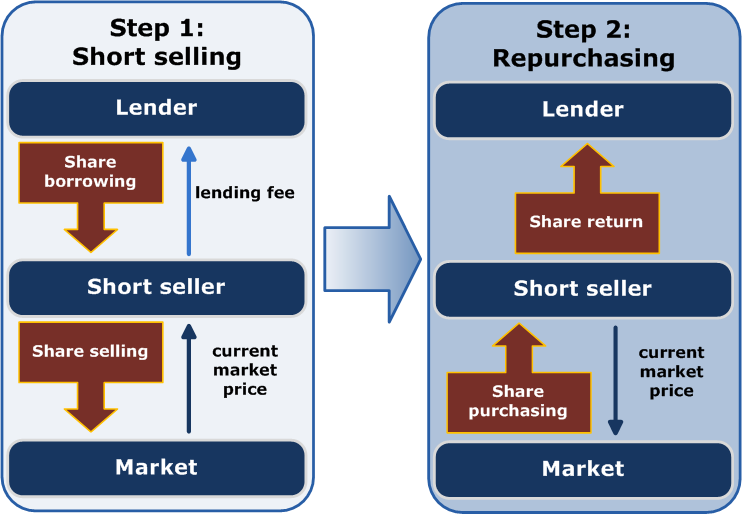
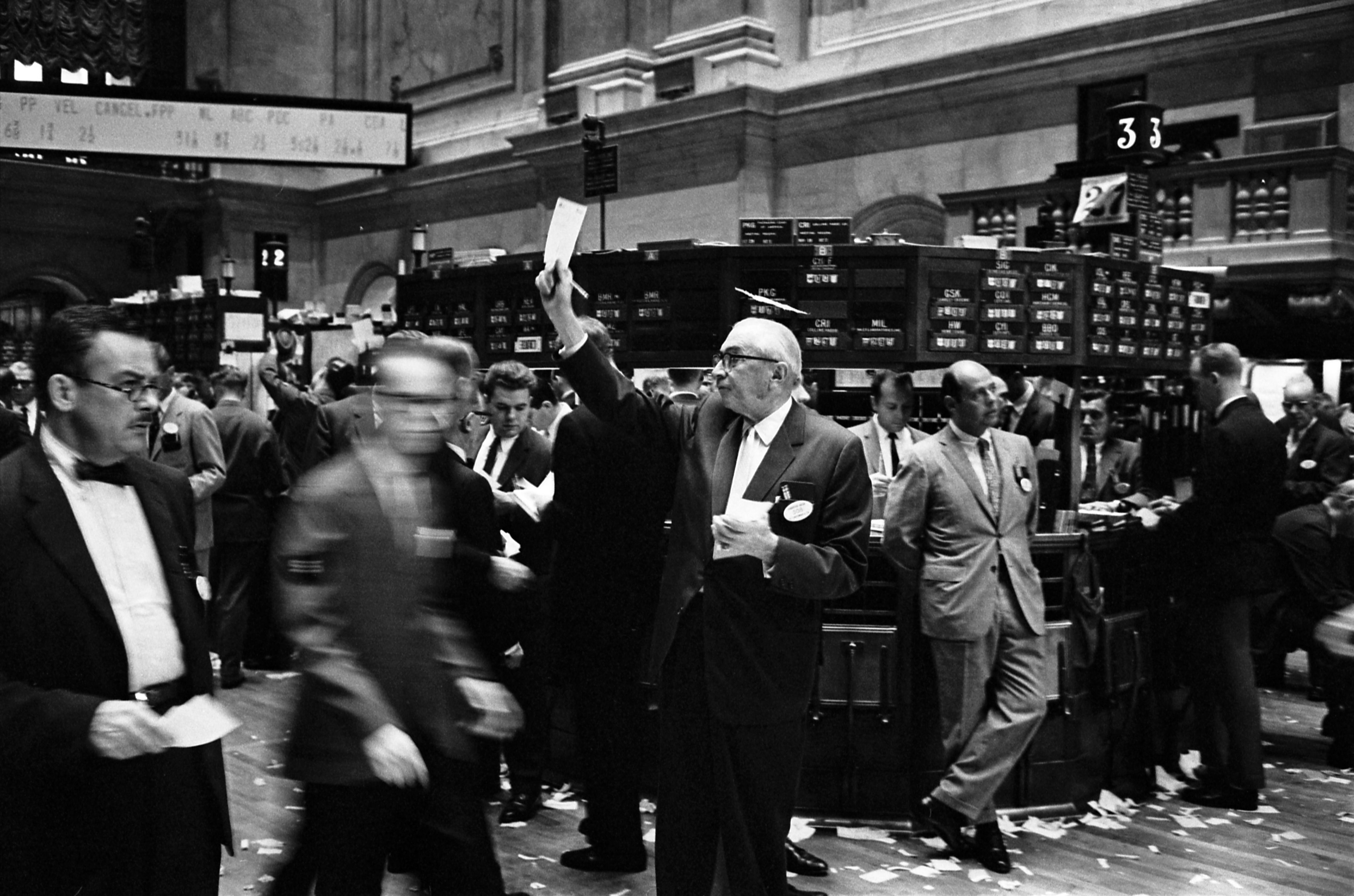
Imagine stepping onto the floor of a global auction house where millions of identical items change hands every millisecond, and prices fluctuate based purely on the continuous friction between human desire and available supply. As a registered representative, your primary interface with this chaotic reality is the order ticket. The mechanism by which a client’s intention—whether a defensive maneuver to protect a portfolio or an aggressive bid to capture a fleeting opportunity—translates into a settled trade is governed by a rigid syntax of orders, quotes, and execution protocols. Mastering this syntax is not merely about passing a licensing examination; it is about fulfilling a structural, fiduciary obligation to secure the most favorable outcome for the investor in an unforgiving market ecosystem.

To understand how trades are executed, you must first understand how market makers—the dealers who stand ready to buy and sell securities—communicate price.
A security quote consists of two interconnected numbers: a bid price and an ask price (often called the offer). Think of a market maker like a specialized dealership.
- The bid price is the highest price a dealer is willing to pay to buy a security from the market.
- The ask price is the lowest price a dealer is willing to accept to sell a security to the market.
Because the dealer is running a business, they buy at wholesale and sell at retail. Therefore, the dynamic reverses for your client: a customer sells securities to a market maker at the bid price, and a customer buys securities from a market maker at the ask price.
The numerical difference between the bid price and the ask price is called the spread. The spread is a direct indicator of market friction and health; a narrow spread typically indicates high liquidity in a security, meaning buyers and sellers are plentiful, and it is inexpensive to enter and exit positions.
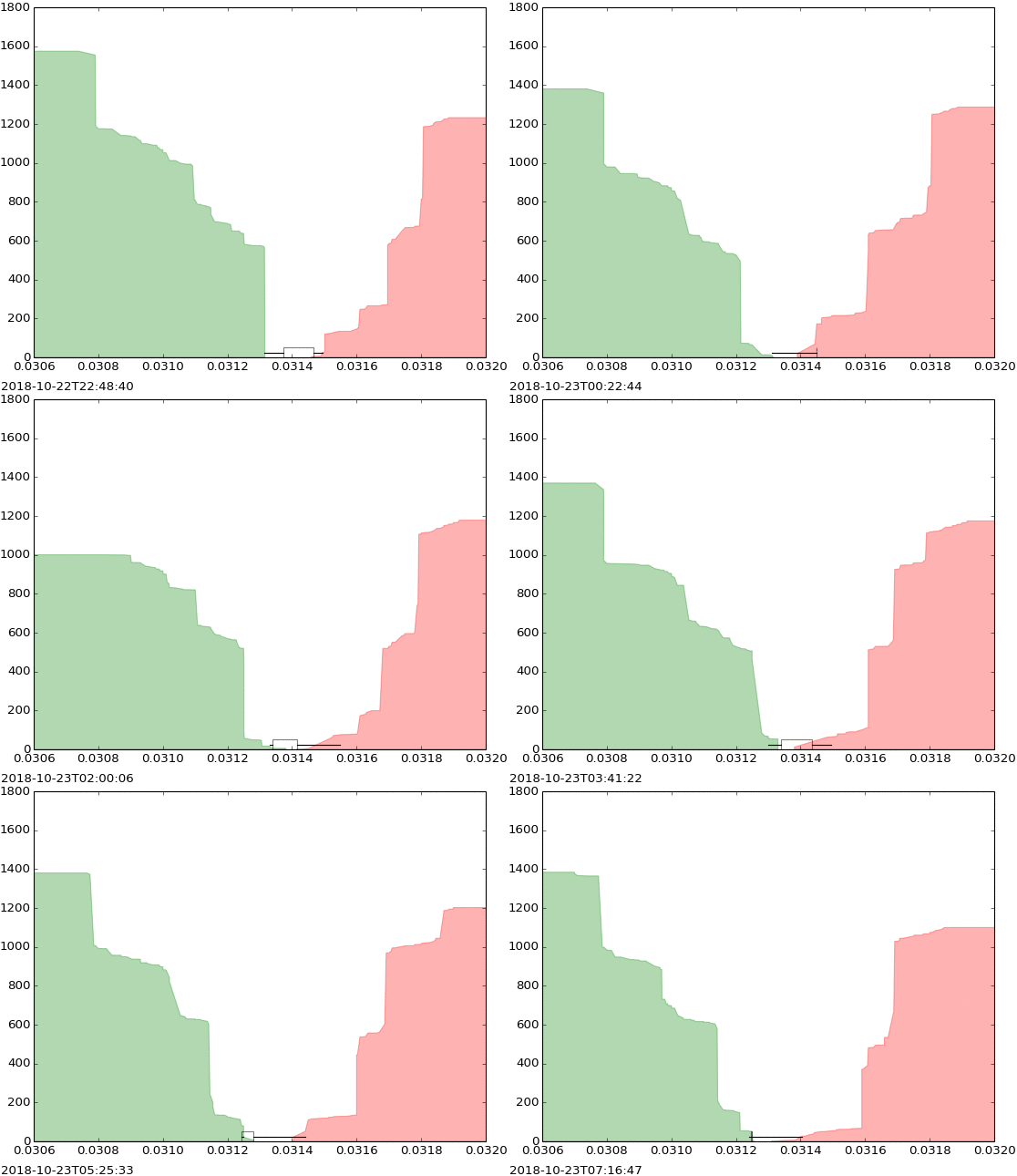
When you look at a trading screen, you will often see the inside market. The inside market represents the highest bid price and the lowest ask price available across all competing market makers. It is the absolute best theoretical price combination available at that exact second.
Firm vs. Subject Quotes
Not all quotes carry the same weight.
- A firm quote is a dealer's binding commitment to buy or sell a specified number of shares at the stated price. A standard firm quote in the equity markets represents a commitment for 100 shares (one round lot).
- A subject quote, on the other hand, is an informational estimate and is not a firm commitment to trade. A subject quote requires explicit confirmation from the market maker before an order can actually be executed against it.
If a market maker provides a firm quote and then refuses to execute a trade at that price when an order is presented, they are guilty of backing away. FINRA Rule 5220 explicitly prohibits broker-dealers from backing away from firm quotes, as this behavior shatters the reliability of the pricing ecosystem.
When you send an order into the market on behalf of a client, you are issuing a specific set of programmed instructions. The market is literal; it will do exactly what you tell it to do.
Market Orders
A market order is an instruction to execute a trade immediately at the best available current market price. Because the priority is speed over price control, market orders hold priority over all other types of pending orders in the market. If your client says, "I don't care what it costs, just get me out of this position right now," you use a market order.
Limit Orders
A limit order introduces price control. It is an instruction to execute a trade at a specified price or better.
- A buy limit order is placed at or below the current market price. (e.g., "Buy 100 shares of XYZ, but pay no more than $50.")
- A sell limit order is placed at or above the current market price. (e.g., "Sell 100 shares of XYZ, but accept no less than $55.")
Stop Orders (The Tripwires)
A stop order is a dormant instruction. It becomes a market order automatically once the security trades at or through the specified stop price. Investors use stop orders as tripwires to arrest losses or protect profits.
- A sell stop order is placed below the current market price. Sell stop orders are commonly used to protect long stock positions against downside risk. If a stock falls to the stop price, the trap is sprung, the order becomes a market order, and the long position is liquidated to stop the bleeding.
- A buy stop order is placed above the current market price. Buy stop orders are commonly used to protect short stock positions against upside risk. Since a short seller loses money as the stock price rises, a buy stop acts as an emergency parachute, buying the stock back to close the short position if the price surges.
Stop-Limit Orders
What if a client wants the trigger of a stop order, but is afraid of the unpredictability of the resulting market order? Enter the stop-limit order. This order becomes a limit order automatically once the security trades at or through the specified stop price. It offers ultimate control, but carries the risk that the limit price may never be met, leaving the customer stuck in their position.
Orders can be modified with qualifiers that dictate when and how they must be filled.
The Lifespan of an Order
- A day order is automatically canceled at the end of the trading day if it is not executed.
- A Good-til-canceled (GTC) order remains active across multiple trading sessions until it is executed or explicitly canceled by the customer.
Contingency Orders: OCO and Not Held
- A One-Cancels-the-Other (OCO) order consists of two linked orders. The execution of one order in a One-Cancels-the-Other (OCO) pair automatically cancels the second order. (e.g., Placing a target sell limit above the market to take profit, and a sell stop below the market to cut losses. Whichever hits first cancels the other).
- A Not Held order gives the floor broker discretion over the time and price of execution for a specific order. You are telling the broker, "You are a professional, use your judgment to get me the best fill."
Execution Modifiers: AON, IOC, and FOK
Broker-dealers frequently handle orders with strict volume or timing demands. The nuances here are heavily tested because they dictate exactly how market algorithms treat the order.
| Order Type | Required Timeframe | Allowed to be Partially Filled? | Outcome if unable to comply |
|---|---|---|---|
| Immediate-or-Cancel (IOC) | Immediately | Yes, partial fills are acceptable for Immediate-or-Cancel (IOC) orders. | The unexecuted portion of an Immediate-or-Cancel (IOC) order is automatically canceled. |
| All-or-None (AON) | Whenever (An All-or-None order is not required to be executed immediately). | No, must be executed in its entirety. | The order simply rests in the book until the full size is available. |
| Fill-or-Kill (FOK) | Immediately | No, must be executed immediately in its entirety. | A Fill-or-Kill (FOK) order is completely canceled if it cannot be immediately executed in full. |
Opening and Closing Orders
- A Market-on-Open (MOO) order is executed as close to the opening price as possible.
- A Market-on-Close (MOC) order is executed as close to the closing price as possible.
Here is a mechanical reality of the stock market: when a company pays a cash dividend, the stock price drops by the exact amount of the dividend on the morning of the ex-dividend date.
If your client has a dormant order sitting below the market (like a buy limit or a sell stop), this sudden, artificial price drop could accidentally trigger their order. To prevent this, FINRA rules mandate automatic adjustments.
- Open buy limit orders are automatically reduced by the amount of a cash dividend on the ex-dividend date.
- Open sell stop orders are automatically reduced by the amount of a cash dividend on the ex-dividend date.
- Open sell stop-limit orders are automatically reduced by the amount of a cash dividend on the ex-dividend date.
If a client does not want their order automatically adjusted, the order must be entered with a Do Not Reduce (DNR) instruction. Orders entered with a Do Not Reduce (DNR) instruction remain unadjusted for cash dividends.
Once an order leaves your desk, it travels through a complex digital plumbing system.
- Electronic Communications Networks (ECNs): These are digital systems that automatically match buy and sell orders outside of traditional exchanges. They remove the middleman, operating entirely on algorithms matching limits to limits.
- Dark Pools: Dark pools are private trading venues that do not publicly display their order books. They exist to offer institutional investors anonymity for large block trades to minimize market impact. If a mutual fund tries to buy 5 million shares on the open exchange, high-frequency traders will front-run them, driving the price up. Dark pools allow giants to trade with other giants in the shadows.
Regardless of where an exchange-listed equity trade happens, the public needs to know about it. The Consolidated Tape reports secondary market trades executed on national exchanges. However, you must remember that the Tape only broadcasts the raw execution data; the Consolidated Tape excludes the reporting of markups, markdowns, and broker commissions.
At the heart of trading regulation is a simple mandate: you must do right by your client. FINRA Rule 5310 requires member firms to use reasonable diligence to ascertain the best market for a security.
The primary goal of best execution is to secure the most favorable price for the customer under prevailing market conditions. This is an active, ongoing obligation. A member firm cannot rely solely on a single pricing service to satisfy its best execution obligations. To prove reasonable diligence, member firms must evaluate several critical factors:
- Member firms must consider the character of the market for the security (e.g., price, volatility, relative liquidity).
- Member firms must consider the size and type of the transaction.
- Member firms must evaluate the number of markets checked.
- Member firms must assess the accessibility of the quotation.
Furthermore, member firms routing customer orders must conduct regular and rigorous reviews of execution quality to ensure their routing logic is actually delivering the best results.
Complex Routing Arrangements
Sometimes, broker-dealers route orders to specific venues because the venue pays them to do so. Payment for order flow involves routing customer orders to a specific exchange or market maker in exchange for compensation. This is legal, but highly regulated: broker-dealers must fully disclose payment for order flow arrangements to their customers. More importantly, payment for order flow arrangements do not relieve a broker-dealer of its best execution obligations. If an exchange pays you for flow, but offers worse prices than a competing venue, sending the order there is a violation.

Another routing hazard is interpositioning, which is the practice of placing a third party between the broker-dealer and the best available market. Interpositioning is strictly prohibited unless the arrangement results in a more favorable execution for the customer (which is exceedingly rare).
Transparency: The SEC Rules
The SEC enforces transparency across the execution lifecycle through three heavily tested rules:
- SEC Rule 604 (Limit Order Display Rule): Requires market makers to display customer limit orders that improve the market maker's current quote. If a dealer's bid is $50, and your client places a buy limit for $50.10, the dealer must update their published bid to $50.10. The public gets the benefit of the better price.
- SEC Rule 605: Requires market centers to publish monthly reports detailing order execution quality statistics (speed of execution, effective spreads).
- SEC Rule 606: Requires broker-dealers to publish quarterly reports disclosing their order routing practices, detailing exactly where they send customer orders and any payment for order flow received.
Protecting the Client First: Trading Ahead and Front-Running
As a registered representative, your firm often trades for its own proprietary account while simultaneously holding customer orders. The rules dictating priority are absolute.
FINRA Rule 5320 (The Manning Rule) prohibits member firms from trading ahead of customer orders. Specifically, a member firm holding a customer limit order cannot execute a proprietary trade at a price that would satisfy the customer order. If you hold a client's limit order to buy at $50, your firm cannot buy shares for its own inventory at $50 (or lower) without immediately filling the customer's order at that same price or better.
Taking this concept to its most predatory extreme is front-running. Front-running is the strictly prohibited practice of executing a proprietary trade ahead of a known large customer block order. If you know a massive institutional order is about to hit the market and drive the stock price up, and you buy stock for your own firm's account right before submitting the institution's order, you are stealing the market impact for yourself.
By mastering these rules, you are not just memorizing trivia; you are learning the structural engineering that keeps the capital markets fair, transparent, and trustworthy. Every time you enter an order, you are activating this entire ecosystem. Execute with precision.