Equity Securities: Common and Preferred
A corporation is an economic engine designed to organize capital and human effort into profitable enterprise. To construct this engine—to build the factories, hire the engineers, and fund the research—a business requires capital. Corporations issue common stock to raise capital. When an investor purchases these shares, they are no longer a mere spectator or customer; they cross the threshold into ownership. Common stock represents an equity ownership interest in a corporation.

For the securities professional, understanding equity is not an academic exercise. It is the foundation of the financial markets. When you advise a client, process a trade, or analyze a portfolio, you are dealing with the rights, risks, and structural realities of these ownership claims. We will deconstruct the mechanics of common stock, the specialized traits of preferred stock, and the immutable laws that govern who gets paid when a corporation fails.
A corporation cannot print an infinite number of shares whenever it pleases. The lifecycle of corporate equity is strictly quantified.
- Authorized shares refer to the maximum number of shares a corporation can legally issue, a limit permanently established in the company’s corporate charter.
- Issued shares are the number of authorized shares a corporation has actually sold to investors to raise capital.
- Outstanding shares are the shares currently held by the investing public.
- Treasury stock is stock a corporation has issued and subsequently repurchased from the open market.
Why would a corporation buy back its own stock? Often, management believes the stock is undervalued, or they wish to reduce the supply of shares to increase earnings per share for remaining investors. However, once a share is pulled back into the corporate treasury, it goes dormant. Treasury stock does not carry voting rights and treasury stock does not receive dividends.
Because treasury shares are no longer in the public’s hands, we arrive at a fundamental accounting equation for equity:
To own common stock is to possess a voice in the governance of the enterprise. Management handles the daily operations, but the ultimate authority rests with the owners. Common stockholders have the right to vote on the election of the board of directors and the right to vote on major corporate events, such as mergers, acquisitions, or the issuance of additional securities.
Shareholders rarely travel to corporate headquarters to cast these votes in person. Instead, common stockholders can vote by proxy if unable to attend a shareholder meeting. A proxy is an absentee ballot used for corporate voting, allowing shareholders to delegate their voting power to a representative.

When it comes to electing the board of directors, corporations utilize one of two voting structures. The difference dictates the balance of power between large institutional investors and everyday retail investors.
| Feature | Statutory Voting | Cumulative Voting |
|---|---|---|
| Mechanism | Statutory voting allows a shareholder to cast one vote per share owned for each directorship. | Cumulative voting allows a shareholder to pool all available votes. |
| Allocation | Votes cannot be pooled. If you own 100 shares and there are 3 open board seats, you cast 100 votes for Seat A, 100 for Seat B, and 100 for Seat C. | Cumulative voting allows a shareholder to allocate pooled votes as desired among directorship candidates. You could place all 300 votes on a single candidate. |
| Beneficiary | Statutory voting benefits large shareholders, as whoever holds 51% of the shares controls 100% of the board seats. | Cumulative voting benefits smaller shareholders, giving minority owners a mathematical chance to secure at least one representative on the board. |
Beyond the ballot box, ownership confers additional privileges. Common stockholders have the right to inspect corporate books and records, typically satisfied by the receipt of quarterly and annual financial reports. Furthermore, equity is highly liquid. Common stockholders have the right to freely sell or transfer their shares without requiring permission from the corporation.
Investors buy common stock to make money, and common stock offers two distinct pathways for building wealth: growth and income.
First, common stock offers the potential for capital appreciation. If the corporation increases its earning power, the market value of its shares typically rises. Over the long horizon, common stock is generally considered a hedge against inflation, as businesses can adapt to rising costs by raising the prices of their own goods and services.
Second, common stock may pay dividends, which represents a distribution of the company's profits directly to the shareholders. However, income is never a certainty in equity markets. Common stock dividends are never guaranteed. Before a single cent can be distributed, the board of directors must declare a common stock dividend before payment occurs.
The pursuit of these returns involves profound risks. Market risk is the primary risk associated with owning common stock. This is the systemic risk that the broader stock market will decline, dragging the price of the shares down with it, regardless of how well the specific company is performing.
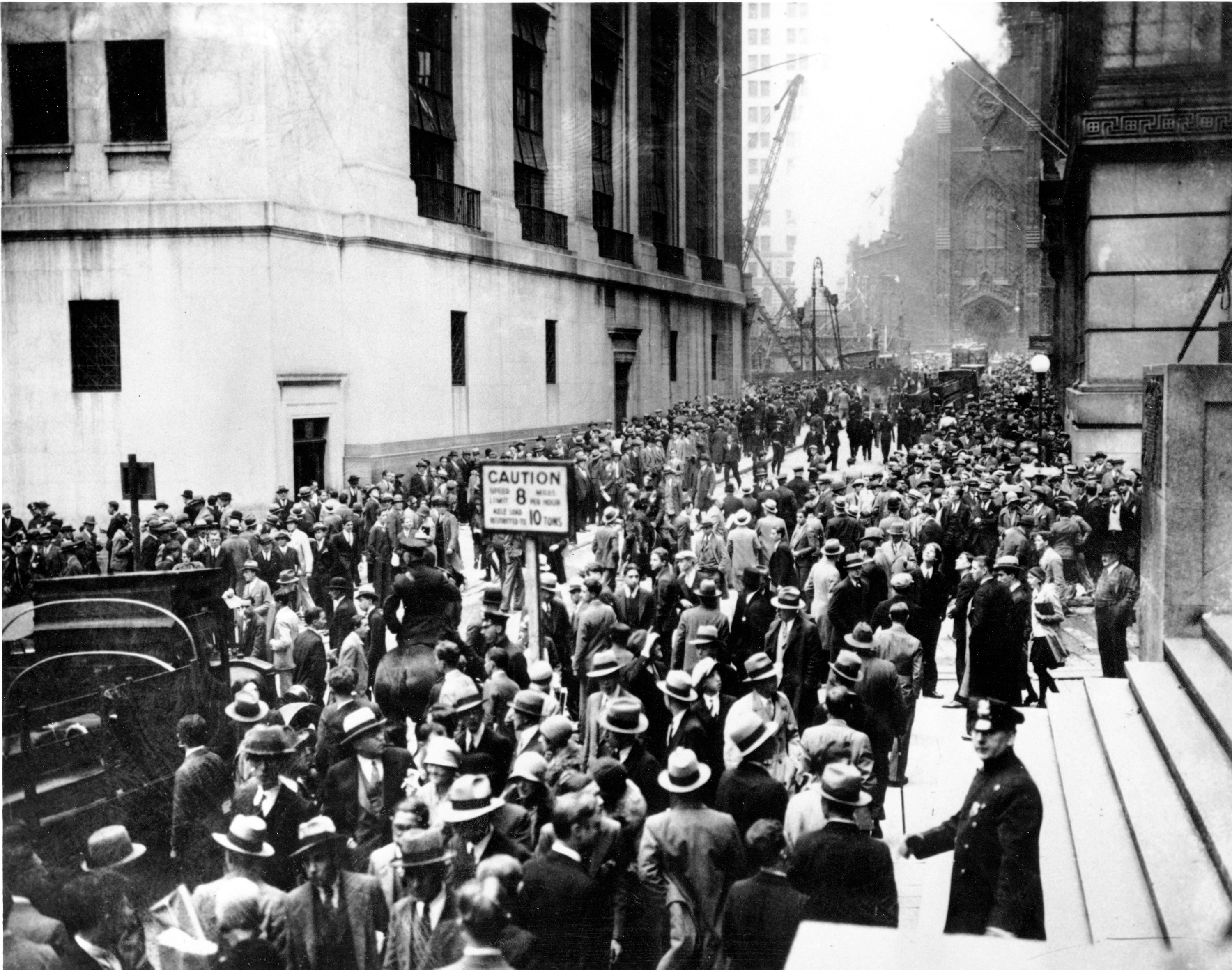
Fortunately, the modern corporation acts as a financial blast shield for the investor. Limited liability protects common stockholders from losing more than their original investment amount. If a corporation goes bankrupt owing billions of dollars, creditors cannot seize the personal assets of the common stockholders. The maximum possible loss is 100% of the purchase price of the stock.
Corporate Actions: Adjusting the Share Count
As businesses grow and require more capital, they frequently alter their share structures. These actions directly impact the retail investor.
Stock Splits
When a company’s share price rises so high that it becomes psychologically or practically difficult for retail investors to purchase, the board may authorize a stock split. Stock splits increase the number of outstanding shares and proportionately decrease the market price per share of common stock.
If you cut a pizza into eight slices instead of four, you do not possess more pizza. The fundamental value is identical. Therefore, stock splits do not change the total proportional ownership of a common stockholder.
Preemptive Rights vs. Warrants
When a corporation issues new shares to the public, existing owners face the threat of dilution—their slice of the pie is about to get smaller. To prevent this, corporations offer preemptive rights, which allow common stockholders to maintain their proportionate ownership during a new stock issuance.
These rights are distributed via rights offerings, which grant existing common stockholders the ability to purchase new shares at a discount to the current market price. Because the corporation needs the capital immediately, rights offerings are short-term equity instruments, typically expiring in 30 to 45 days.
Contrast rights with warrants. Warrants grant the holder the right to purchase common stock at a specified exercise price. Unlike rights, warrants are typically issued with an exercise price above the current market price of the common stock and act as a "sweetener" attached to bonds or preferred stock to make them more attractive to investors. Because they require the company to grow into that higher price, warrants are long-term equity instruments, often valid for years or even decades.
Domestic markets are only one part of the global economy. U.S. investors frequently want exposure to international powerhouses—from Swiss pharmaceutical giants to Japanese automakers—without the logistical nightmare of opening foreign brokerage accounts or trading in foreign time zones.
The solution is the American Depositary Receipt. American Depositary Receipts represent ownership in a foreign corporation. A U.S. bank purchases a bulk block of foreign shares, holds them in a vault in the foreign country, and issues receipts against those shares in the United States.
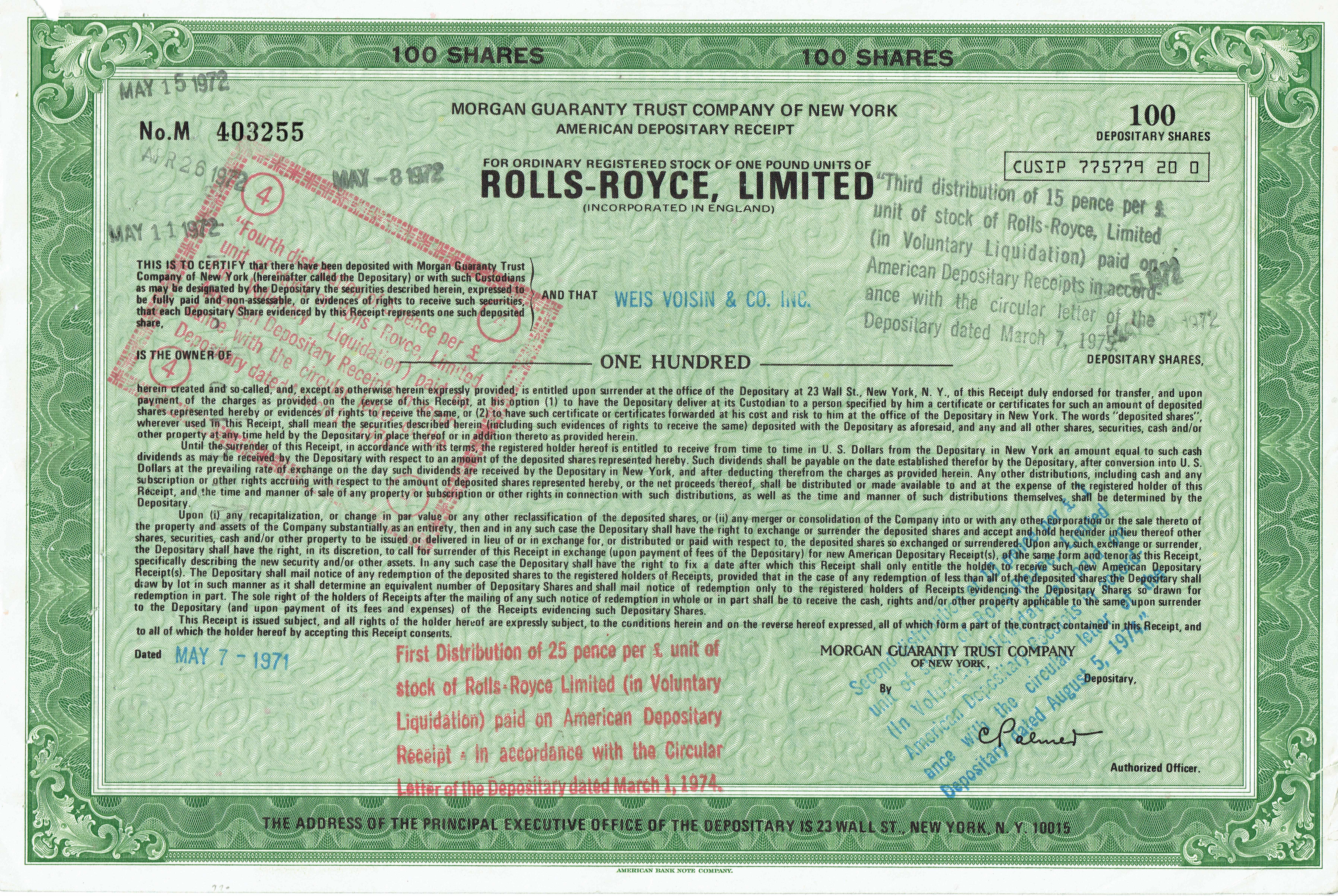
American Depositary Receipts trade on United States stock exchanges and, crucially for the domestic investor, are priced and trade in United States dollars.
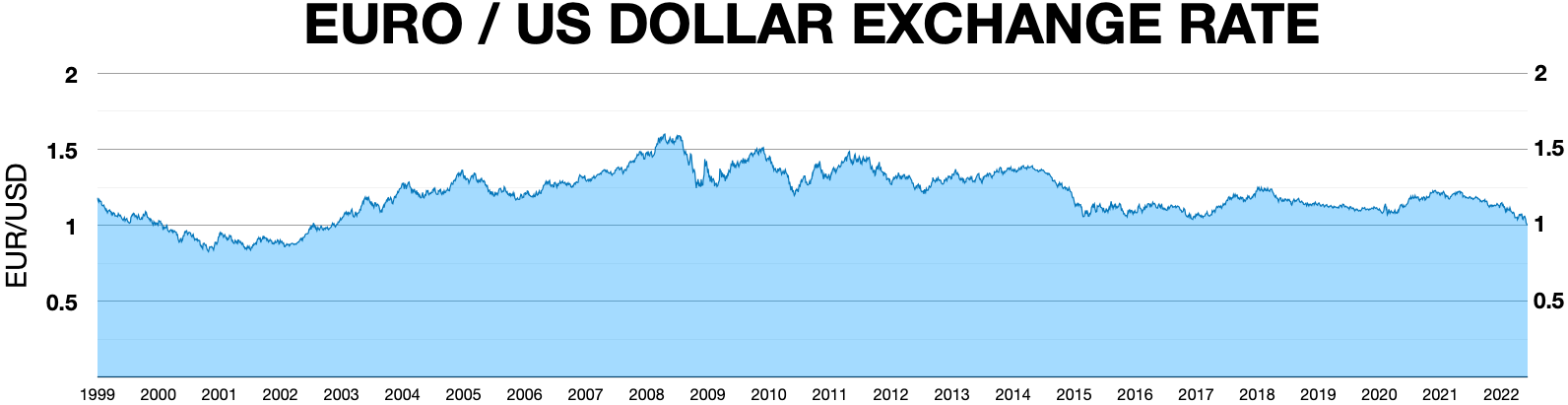
However, ADRs carry a distinct hazard. American Depositary Receipts expose investors to currency risk.
Currency risk is the risk that currency exchange rate fluctuations will negatively impact investment returns.
Even though the ADR trades in USD, the underlying foreign corporation generates profits and declares dividends in the foreign currency. When those dividends are paid out, American Depositary Receipt dividends are converted into United States dollars before payment to the investor. If the foreign currency weakens against the U.S. dollar, the converted dividend payment shrinks, eroding the investor's return.
While common stock is the pure essence of equity, the financial ecosystem includes a secondary class of ownership. Preferred stock represents an equity ownership interest in a corporation, but it behaves almost entirely like a fixed-income debt instrument.
Preferred stockholders generally do not have voting rights. They trade control for financial predictability. Preferred stock typically pays a fixed quarterly dividend. This dividend is highly standardized; preferred stock dividends are generally expressed as a percentage of par value, and the standard par value for preferred stock is $100. Therefore, a "5% preferred stock" pays exactly $5.00 per year in dividends.
Because the dividend is a static number, preferred stock behaves like a bond in the secondary market. The fixed dividend of preferred stock makes the market price sensitive to interest rate changes. Specifically, an inverse relationship exists between interest rates and the market price of existing preferred stock. If prevailing interest rates rise, the 5% dividend on an existing preferred share looks less attractive, and its market price will fall to compensate new buyers.
Unlike a bond, however, preferred stock does not have a maturity date. It exists in perpetuity unless the corporation takes specific action to retire it.
Why is it called "preferred"? It all comes down to the line at the cashier's window. Preferred stockholders have priority over common stockholders regarding dividend payments, meaning common shareholders cannot receive a dime until preferred shareholders receive their full stated dividend. Furthermore, preferred stockholders have priority over common stockholders in the liquidation of corporate assets.
Not all preferred stock is created equal. Corporations embed special features into preferred shares to attract different types of investors or to adapt to changing economic environments.
- Straight preferred stock has no special features beyond the stated dividend payment. If the board skips a dividend, it is gone forever.
- Cumulative preferred stock requires the payment of all missed past dividends before any common stock dividends are paid. These missed preferred dividends are called dividends in arrears. This is highly protective for the investor.
- Conversely, non-cumulative preferred stock does not require the payment of missed past dividends.
- Participating preferred stock offers the possibility of receiving a higher dividend than the stated rate if the corporation achieves exceptional profits.
- Adjustable-rate preferred stock features a dividend rate tied to a benchmark interest rate. Because the dividend resets as interest rates move, the market price of adjustable-rate preferred remains relatively stable.
Some features grant optionality to either the investor or the issuer:
- Convertible preferred stock allows the owner to exchange the preferred shares for a fixed number of common shares. This links the fixed-income nature of preferred stock to the limitless upside of common equity. Because of this conversion feature, the market price of convertible preferred stock tends to fluctuate in line with the underlying common stock. Because the investor receives the benefit of this upside potential, convertible preferred stock typically pays a lower dividend than straight preferred stock.
- Callable preferred stock gives the issuing corporation the right to buy back the shares at a specified price. This benefits the issuer, not the investor. Corporations typically call preferred stock when prevailing interest rates decline, allowing them to retire high-dividend stock and issue new shares at a lower rate. Because the investor bears the risk of having their income stream stripped away, callable preferred stock typically pays a higher dividend than straight preferred stock as compensation.

To truly understand a security, you must observe its behavior when the system collapses. If a corporation fails and liquidates, a strict legal hierarchy—the absolute priority rule—dictates who gets the remnants of the company’s assets.
- Secured creditors have the first claim on assets during a corporate liquidation. These are lenders whose debt is backed by physical collateral, like a mortgage on a factory.
- Unsecured creditors have the second claim on assets during a corporate liquidation. This includes corporate bondholders, suppliers, and unpaid employees.
- Subordinated debt holders have the third claim on assets during a corporate liquidation. These lenders agreed to take a lower-priority spot in exchange for higher interest rates.
- Preferred stockholders have the fourth claim on assets during a corporate liquidation. They stand behind all debt, but ahead of common equity.
- Common stockholders have the final claim on assets during a corporate liquidation.
Common stockholders possess a residual claim on corporate assets during liquidation. Because they are the ultimate owners, they are the last to be paid. Common stock is the most junior security in a corporate liquidation. In most bankruptcies, by the time the secured and unsecured creditors are made whole, the corporate treasury is entirely empty, rendering the common shares worthless.
This is the beautiful, brutal reality of capitalism. The common stockholder assumes the maximum risk of total loss at the absolute bottom of the liquidation priority. In exchange for bearing that ultimate risk, they alone capture the unlimited upside of a thriving enterprise. This asymmetric relationship is the heartbeat of the equity markets.