Rights, Warrants, and ADRs
Imagine you own a 10 percent stake in a highly profitable local restaurant. If your partners suddenly decide to issue 1,000 new shares to outside investors, your 10 percent stake mathematically shrinks to a mere sliver. Your voting power is diluted; your claim on future earnings evaporates. To prevent this exact inequity in the public markets, corporate charters utilize specialized equity instruments. While standard common stock represents foundational ownership, corporations frequently issue derivative-like equities—such as rights and warrants—to solve precise financing challenges, whether protecting current owners from dilution or sweetening a debt offering. Furthermore, as capital crosses borders, domestic investors require efficient ways to own foreign companies without navigating overseas exchanges, birthing the American Depositary Receipt (ADR). Finally, the founders and insiders who guide these corporations face strict federal speed limits when selling their own shares, governed by SEC Rule 144. Understanding these specialized instruments is not merely an exercise in rote memorization; it is recognizing the precise, mechanical levers corporations pull to raise capital while balancing the scales of shareholder equity, risk, and regulatory compliance.
Rights and warrants both give an investor the privilege to buy shares of a company at a specific price. However, they are created for entirely different structural reasons. One is a defensive shield for existing owners; the other is a speculative sweetener for new lenders. Let us dissect them.
Subscription Rights: The Anti-Dilution Shield
When a corporation needs to raise additional capital by issuing new stock, it faces a dilemma: issuing new stock dilutes the ownership of current shareholders.
To solve this, the corporation issues subscription rights. These rights grant existing shareholders the privilege to purchase new shares before the general public. Fundamentally, subscription rights protect existing shareholders from proportional dilution of company ownership.
The Mechanics of a Right: Because these are issued to current shareholders as an immediate capital-raising event, subscription rights have a short-term lifespan. The expiration period of a subscription right is typically 30 to 45 days.
To incentivize the shareholder to actually buy the new shares, the exercise price of a subscription right is set below the current market value of the underlying stock at issuance. For example, if a stock is trading at $50, the subscription right might allow the shareholder to buy new shares at $45.
But what if you, the shareholder, do not have the cash—or simply do not want to buy more shares? You are not trapped. Shareholders can sell subscription rights in the secondary market. Because the exercise price is lower than the current market value, the right itself holds intrinsic value. However, you must act. A shareholder will lose proportional ownership if subscription rights are allowed to expire unexercised.
Warrants: The Capital "Sweetener"
Now, imagine a corporation wants to borrow millions of dollars by issuing bonds, but prevailing interest rates are punishingly high. Investors are demanding a 7 percent return, but the company only wants to pay 5 percent. How do you bridge the gap? You add a sweetener.
A warrant grants the holder the right to purchase a specified number of common shares at a predetermined price. Issuers attach warrants to bond offerings as a sweetener because attaching warrants to a bond allows the issuer to offer a lower interest rate to investors. The investor accepts the lower interest payment today in exchange for a speculative equity upside tomorrow.
Because bonds mature over decades, warrants are issued with long-term expiration periods. In fact, some warrants are issued as perpetual instruments with no expiration date.
Unlike subscription rights, the initial exercise price of a warrant is set above the current market value of the underlying stock. If the stock is currently trading at $50, the warrant might grant the right to buy shares at $75 over the next ten years. The investor is betting that the company will grow massively over the long term.
Once the bond is issued, the investor has two separate assets. Warrants can be detached from the original bond, meaning detached warrants trade independently on the secondary market. You can sell the bond and keep the warrant, or vice versa.
Crucial Limitation: A warrant is merely a contract offering a future right to buy. Because it is not actual stock, a warrant does not grant dividend rights to the holder, nor does a warrant grant voting rights to the holder.
Side-by-Side Comparison
| Feature | Subscription Right | Warrant |
|---|---|---|
| Primary Purpose | Protect against dilution (Preemptive) | Sweeten a debt/preferred offering |
| Lifespan | Short-term (typically 30–45 days) | Long-term (years, or perpetual) |
| Initial Exercise Price | Below current market value | Above current market value |
| Secondary Market? | Yes, tradeable | Yes, can detach and trade independently |
Suppose you want to invest in Toyota or Samsung. In a vacuum, you would have to open a brokerage account in Japan or South Korea, convert your dollars into Yen or Won, navigate a foreign clearing system, and trade while the rest of the United States sleeps.
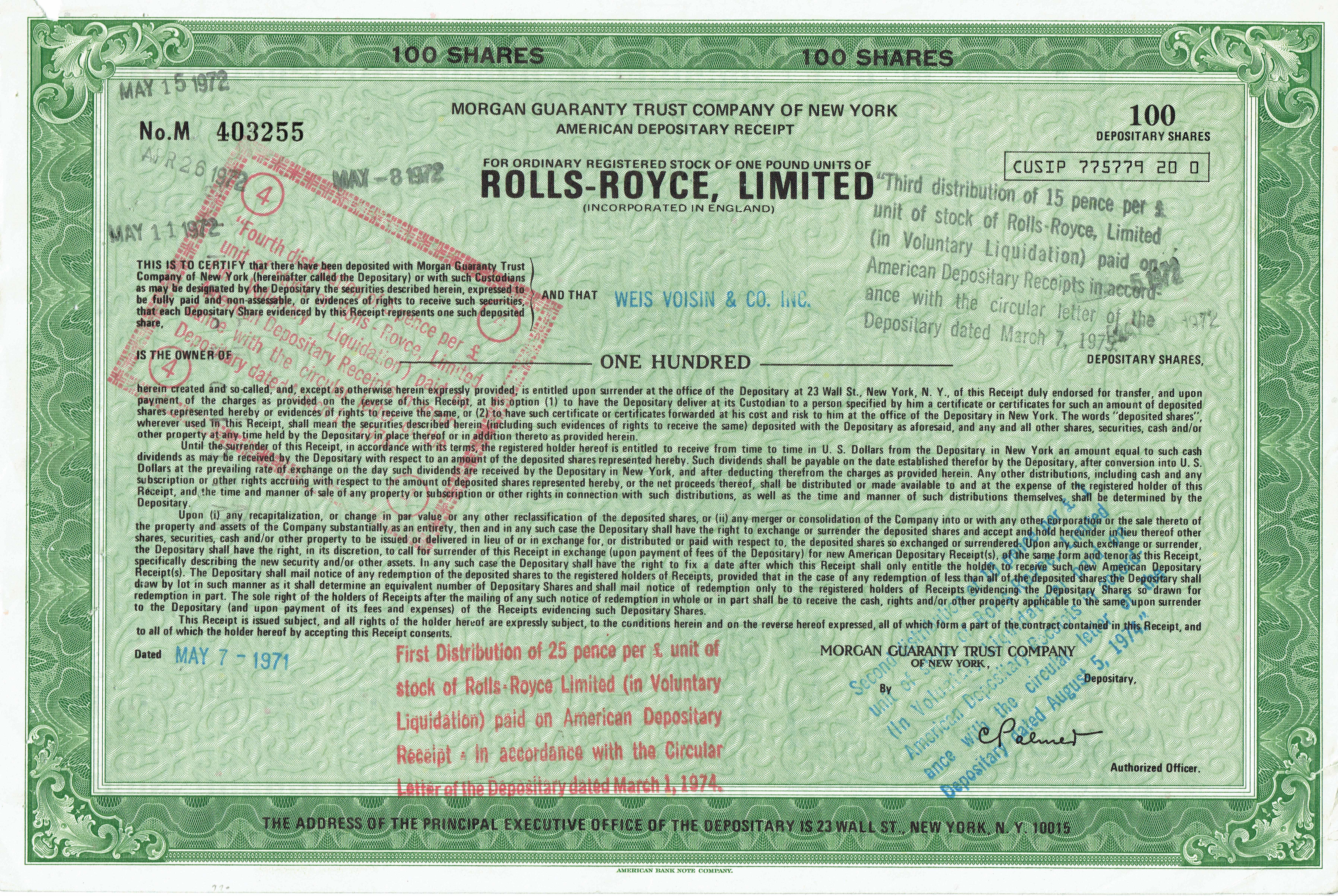
The market solved this friction by creating the American Depositary Receipt (ADR). An American Depositary Receipt represents shares of a foreign corporation and fundamentally facilitates domestic trading of foreign securities.
How ADRs Work
Instead of you going overseas, a massive financial institution brings the shares to you. The physical foreign shares underlying an American Depositary Receipt are purchased and held by a United States depositary bank (such as JPMorgan or BNY Mellon) in a foreign branch. The bank then issues a "receipt" against those vaulted shares.
Because of this brilliant structure:
- American Depositary Receipts trade on United States stock exchanges.
- They clear through the Depository Trust Company (DTC), just like shares of Apple or Microsoft.
- American Depositary Receipts are priced in United States dollars.

Dividends and Currency Risk
While the ADR is traded in dollars, the underlying foreign company still operates in its native currency. This introduces an elegant, but vital, mechanical step regarding dividends:
- American Depositary Receipt dividends are initially declared in the foreign currency.
- The United States depositary bank converts the foreign dividend into United States dollars.
- Finally, American Depositary Receipts pay dividends to the investor in United States dollars.
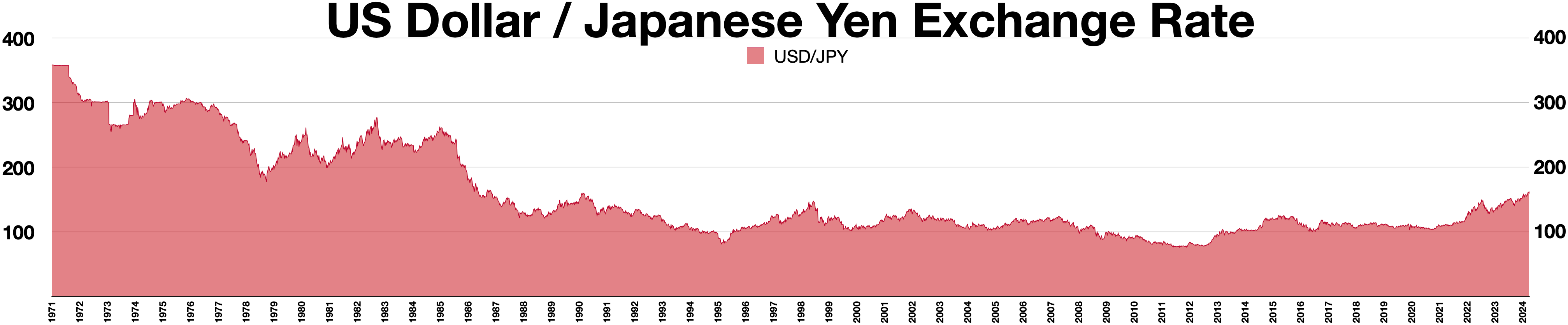
Why this matters: Because of this conversion, American Depositary Receipts expose investors to currency exchange rate risk. If the foreign currency weakens, your dividend shrinks. Specifically, a decline in the value of the foreign currency relative to the United States dollar reduces the dividend value of an American Depositary Receipt.
Furthermore, foreign governments may withhold taxes from American Depositary Receipt dividends before the cash ever reaches the US bank. Fortunately, to prevent double taxation, United States investors can claim a foreign tax credit for taxes withheld on American Depositary Receipt dividends when they file their IRS returns.
Lastly, remember the anti-dilution shield we discussed earlier? Because of the complex, cross-border nature of the depositary structure, American Depositary Receipt holders generally do not possess preemptive rights. If the foreign company issues new stock, ADR holders usually do not get first dibs.
We want transparency in our public markets. We do not want corporate insiders or private equity buyers secretly dumping massive blocks of unvetted stock onto the unsuspecting retail public. To manage this traffic, the Securities and Exchange Commission utilizes SEC Rule 144, which regulates the public sale of restricted stock and control stock.
You must understand the strict distinction between Restricted Stock (how the shares were acquired) and Control Stock (who owns the shares).
Restricted Stock: The Unregistered Shares
Restricted stock refers to unregistered shares acquired through non-public offerings (such as private placements, venture capital investments, or executive compensation). Because these shares never went through the rigorous SEC registration process of an IPO, they cannot simply be dumped on the open market.
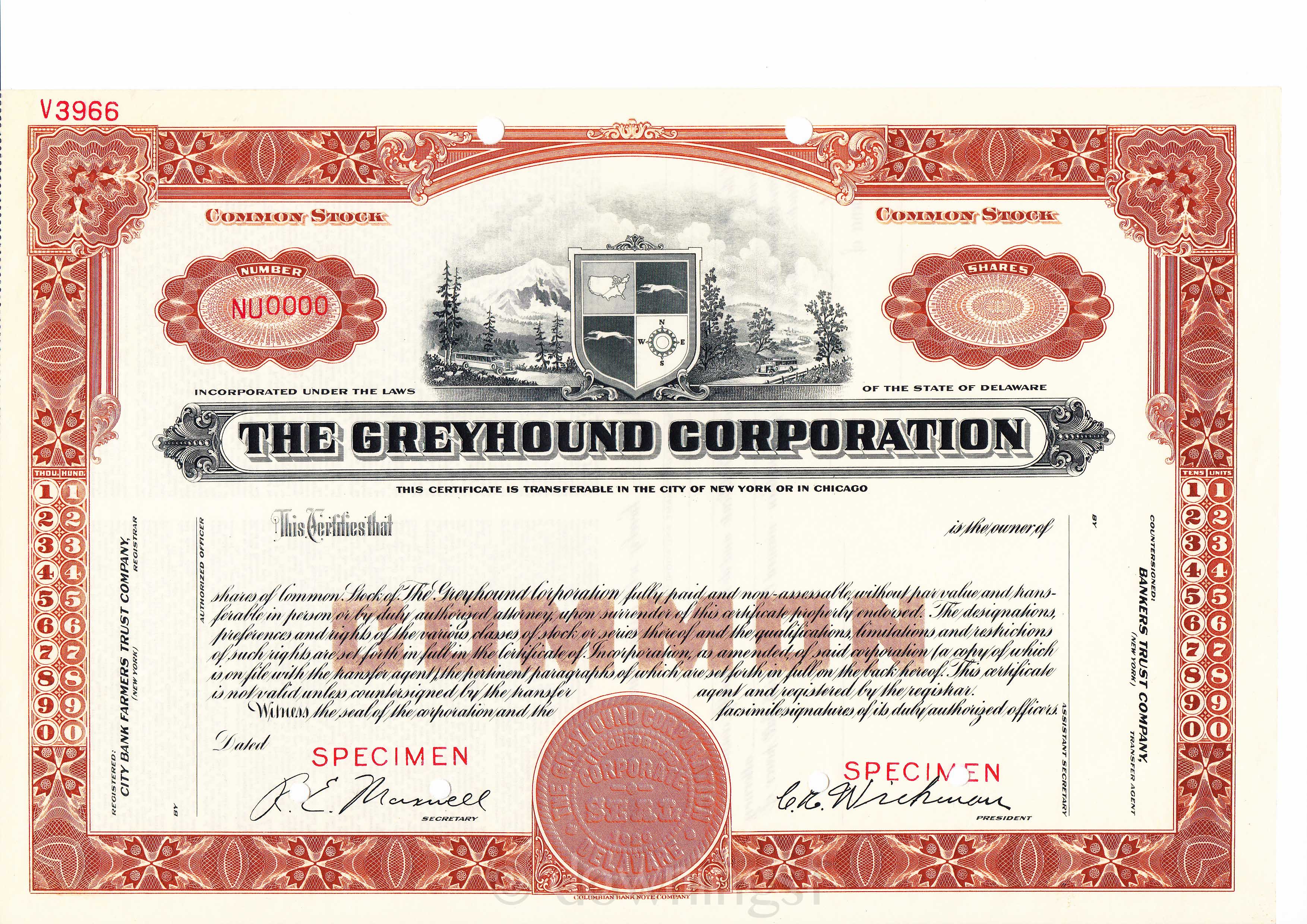
Historically, these physical share certificates were stamped with a warning text across the paper. For this reason, restricted stock is sometimes referred to as letter stock or legend stock.
Rule 144 mandates a strict timeline for these shares:
- Restricted stock issued by a reporting company requires a mandatory six-month holding period before public sale.
- Crucial caveat: The six-month holding period for restricted stock begins only after the shares are fully paid for by the investor. You cannot buy shares on margin, wait six months, and sell them if you have not fully paid off the debt.
Once the six months have passed, the shares are almost ready to trade. However, a restricted stock legend must be removed by a transfer agent before the shares can be sold in the public market. Only a transfer agent has the legal authority to wipe the restrictions clean and turn them into standard, tradeable common stock.
Control Stock: The Insider Shares
While restricted stock is about the shares, control stock is about the person. Control stock is any stock owned by corporate insiders.
Under SEC rules, corporate insiders include:
- Officers of the issuing company (e.g., CEO, CFO).
- Directors of the issuing company (e.g., Board Members).
- Shareholders owning more than 10 percent of the issuing company's voting stock.

Even if a CEO buys shares on the open public market, the moment those shares land in the CEO's account, they become control stock. But here is an important nuance: Control stock acquired in the open market is not subject to a mandatory holding period. The CEO could buy them on Tuesday and decide to sell them on Thursday.
However, whenever an insider decides to sell any control stock, they face strict speed limits to prevent market manipulation. SEC Rule 144 imposes volume limitations on the sale of control stock.
The Rule 144 Volume Limit Formula: The rule restricts sales to the greater of:
- 1 percent of outstanding shares, OR
- The average weekly trading volume over the preceding four weeks.
To enforce this, an insider must file Form 144 with the Securities and Exchange Commission prior to or concurrent with placing an order to sell control stock. Once filed, a Form 144 filing permits the insider to sell the specified number of shares within a 90-day window. If the 90 days pass and the shares are not sold, the insider must file a new Form 144 to try again.
The Intersection
What if a CEO (an insider) receives unregistered shares as part of their compensation? Those shares are both restricted and control stock. They must wait the mandatory six-month holding period (because they are restricted), and when they finally sell them, they are subject to the strict volume limits and Form 144 filing requirements (because they are an insider).
By mastering these rules, you realize the market is not just a casino of flashing prices. It is a highly engineered machine, built with specific levers like rights and ADRs to optimize capital flow, and guarded by the strict gates of Rule 144 to maintain integrity.