Investment Risks
When an engineer designs a suspension bridge, they do not merely hope the steel will hold; they calculate the exact tolerances for wind shear, seismic tremors, and metal fatigue. In the financial markets, a registered representative must apply the exact same mathematical rigor to investment portfolios. Risk is not a vague presentiment of losing money. It is the quantifiable probability that actual returns will deviate from expected returns. To navigate the capital markets, you must be able to isolate, measure, and—where possible—mitigate the specific forces threatening your clients' wealth.
Understanding these forces is not just about passing the FINRA SIE exam; it is the fundamental mechanics of your day-to-day reality in the securities industry. Every recommendation you make requires a precise alignment between a client's tolerance for loss and the mathematical realities of the products they own.

Before we examine specific perils, we must divide the financial universe into two distinct categories of risk. Think of a fleet of ships at sea. Some dangers threaten a specific vessel, while other dangers threaten the entire ocean.
Systematic Risk (The Ocean)
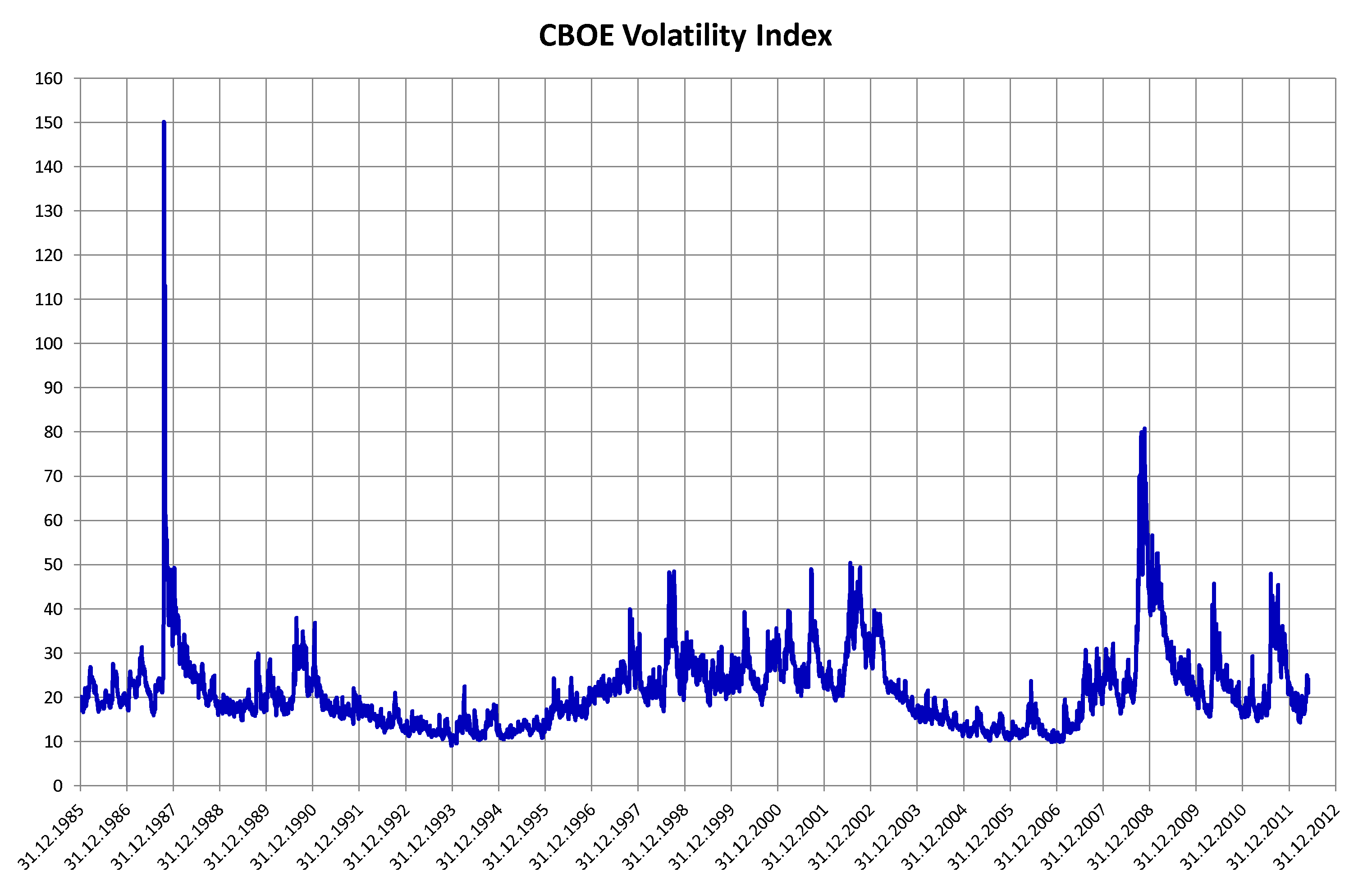
Systematic risk is the risk of a widespread market decline affecting all investments. This is the macroeconomic weather. Because it is systemic, driven by forces like global pandemics, wars, or massive economic shifts, systematic risk cannot be eliminated through portfolio diversification. You cannot hide from a hurricane by buying more boats.
In the industry, market risk is another commonly used term for systematic risk. To quantify a security's vulnerability to these broad market movements, analysts use beta, a statistical metric used to measure a security's sensitivity to systematic risk. A beta of 1.0 moves precisely with the market; a beta of 1.5 is 50% more volatile.
Crucially, interest rate risk is a specific type of systematic risk, as is inflation risk. When the central bank alters the cost of money, or the currency loses purchasing power, the entire system feels the gravity.
Non-Systematic Risk (The Ship)
Conversely, non-systematic risk is the specific risk associated with an individual company or a single industry. An oil rig explosion, a failed pharmaceutical trial, or an erratic CEO—these events decimate the offending company's stock but leave the broader market untouched.

Because these events are isolated, non-systematic risk can be significantly reduced or completely eliminated through portfolio diversification. If you own fifty different companies across ten different industries, the failure of one business barely dents the hull of your portfolio.
Nomenclature Note: The SIE exam uses several interchangeable terms. Unsystematic risk is another term for non-systematic risk, as is specific risk.
When an investor commits funds, they immediately face three foundational hazards regarding the survival of their principal and the competence of the entity taking their money.
Capital Risk
At its most basic level, capital risk is the potential for an investor to lose some or all of the original invested principal. If a client buys $10,000 of a stock and the company goes bankrupt, the capital risk has fully materialized. The money is simply gone.
Credit Risk
When an investor buys a bond, they are not buying ownership; they are lending money. Credit risk is the danger that an issuer will fail to make required interest or principal payments on a debt security. For this reason, default risk is another term for credit risk.
How do we measure this? The financial ecosystem relies on credit rating agencies (like Moody's, S&P, and Fitch) to evaluate the credit risk of bond issuers, assigning letter grades that dictate the interest rate the issuer must pay to attract capital.
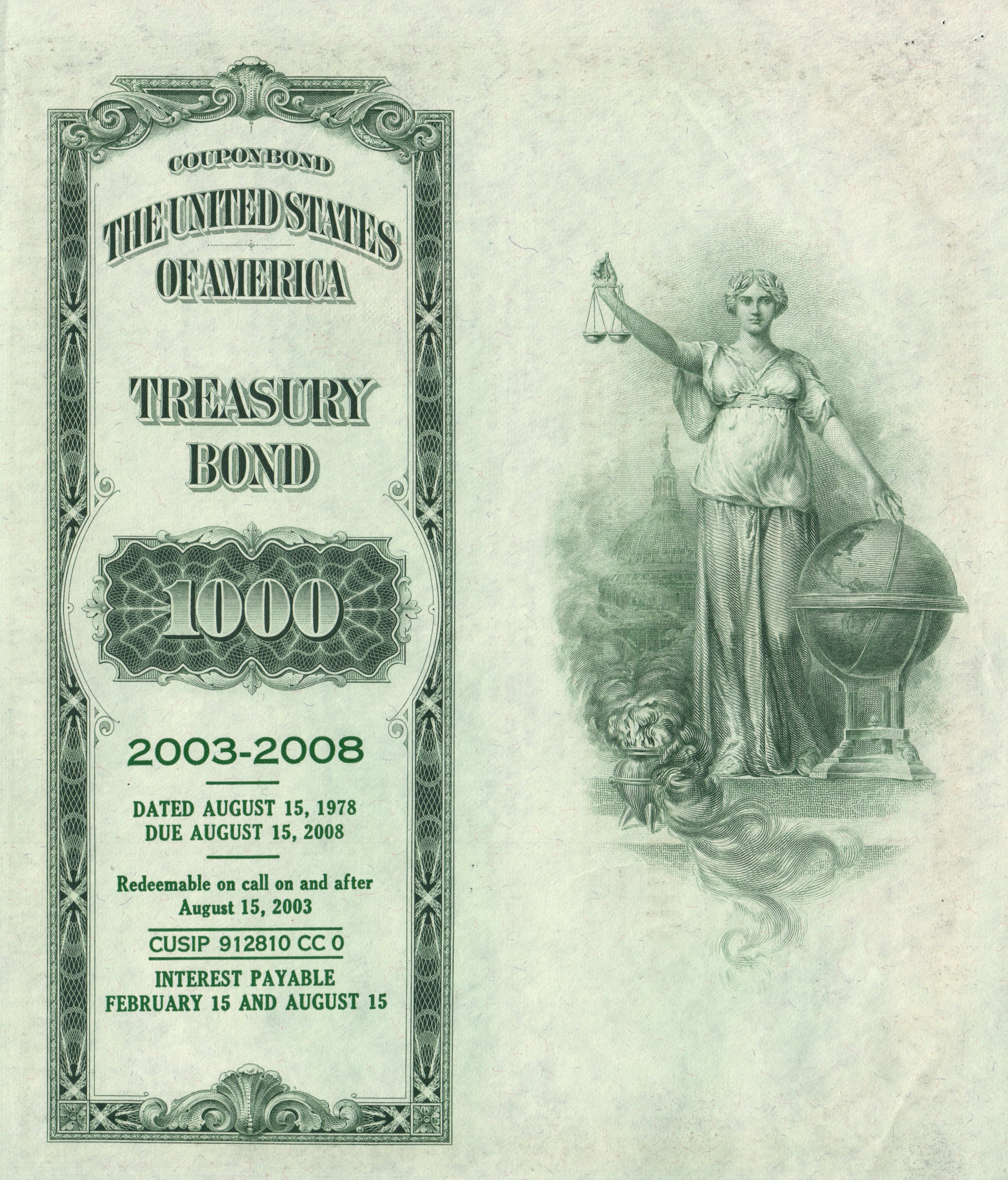
There is, however, one absolute anchor in the fixed-income world: United States Treasury securities are considered by the market to have zero credit risk. Because they are backed by the sovereign taxing power and printing presses of the U.S. government, the market assumes the risk of default is non-existent.
Business Risk
Business risk is a specific type of non-systematic risk. It isolates the specific risk associated with a company's poor management decisions or flawed operating models. If a technology company builds a smartphone that nobody wants to buy, or a retail chain over-expands into unprofitable locations, the resulting losses are purely the manifestation of business risk.
Money is only as valuable as what it can buy. Two distinct risks threaten the underlying utility of an investor's capital, even if the absolute number of dollars in their account goes up.
Inflationary Risk
Inflationary risk is the danger that the rate of return on an investment will not keep pace with the rising cost of living. If an investor earns 3% on a bond, but inflation runs at 5%, they have lost 2% of their actual wealth in real terms. Because this erodes the utility of money, purchasing power risk is another term for inflationary risk.

Asset classes react very differently to this threat:
- Fixed-income securities are highly susceptible to purchasing power risk. A bond paying $50 a year will still pay exactly $50 a year a decade from now, regardless of how expensive groceries become.
- Equities generally provide a historical hedge against inflationary risk. As the cost of goods rises, companies raise their prices, which typically drives up their revenues and stock prices over the long term.
Currency Risk
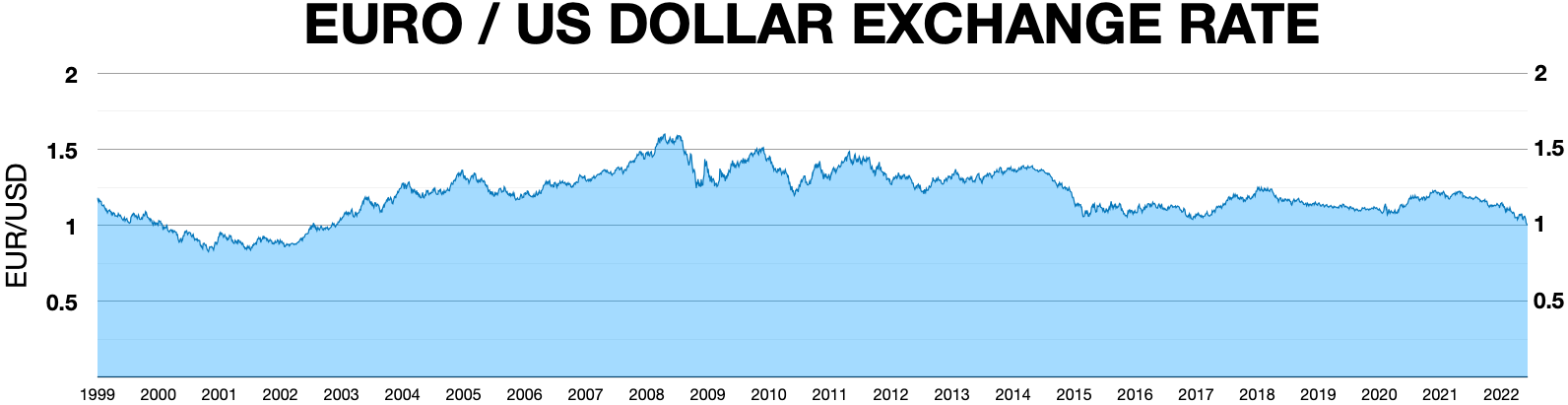
For investors looking beyond domestic borders, currency risk is the threat that fluctuations in foreign exchange rates will reduce the overall value of an investment. If you buy a European stock that gains 10%, but the Euro drops 15% against the U.S. Dollar, your actual return is negative. Exchange rate risk is another term for currency risk.
Exam Warning: Do not be fooled by domestic wrappers! American Depositary Receipts (ADRs)—which are U.S. dollar-denominated securities trading on U.S. exchanges that represent ownership in foreign companies—carry currency risk. Even though the ADR trades in dollars, the underlying company pays dividends in its local currency, and the ADR's value is fundamentally tied to the foreign exchange rate.
The cost of borrowing money acts like gravity on financial assets. When interest rates move, they trigger a cascade of specific risks, particularly for fixed-income investors.
Interest Rate Risk
Interest rate risk is the potential for an investment's value to decline due to a rise in general interest rates.
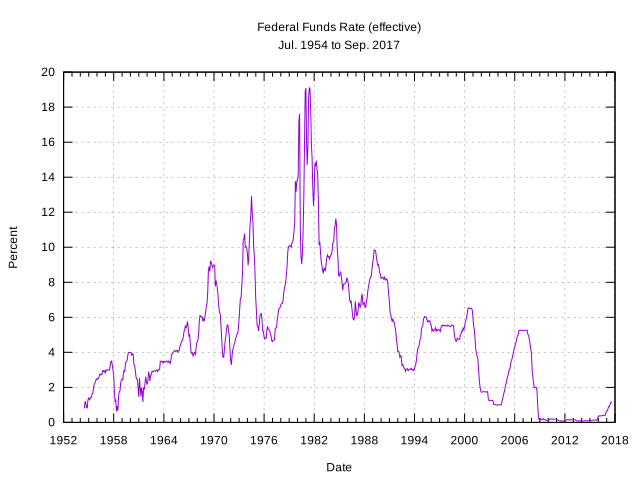
To understand this, you must memorize the cardinal rule of fixed income: General interest rates and existing bond prices have an inverse relationship. If you own a bond paying 4%, and the government raises rates so that brand new bonds pay 6%, nobody will buy your 4% bond for its full face value. You must discount the price of your bond to make it competitive.
Time amplifies this see-saw effect:
- Long-term bonds carry higher interest rate risk than short-term bonds. A 30-year bond suffers a much more violent price drop than a 1-year bond when rates rise, because the investor is trapped with the inferior yield for a much longer time.
- Zero-coupon bonds carry the highest interest rate risk among all fixed-income securities. Because zero-coupon bonds pay no intermediate interest and deliver all their value at maturity, their entire return is locked in the distant future, making their current price hyper-sensitive to interest rate changes.
Reinvestment Risk
If interest rate risk is the penalty of rising rates, reinvestment risk is the penalty of falling rates. Reinvestment risk is the likelihood that an investor will have to invest cash flows at a lower interest rate.
Therefore, reinvestment risk typically materializes when general interest rates are falling. If you receive a $50 semi-annual coupon payment, but rates have dropped since you bought the bond, you are forced to reinvest that $50 into a market offering lower yields.
Let's look at the extremes:
- Callable bonds carry a high degree of reinvestment risk. (See Call Risk below).
- Zero-coupon bonds have zero reinvestment risk during the life of the bond. Because they do not pay periodic interest coupons, there are no cash flows to reinvest! This is a beautiful paradox to remember: Zero-coupon bonds have the maximum interest rate risk, but zero reinvestment risk.
Call Risk
Call risk is the danger that a bond issuer will redeem a callable bond prior to the stated maturity date. Issuers are essentially homeowners refinancing a mortgage. Call risk typically increases when general interest rates decline. The issuer buys back the high-interest bonds and issues new ones at the new, lower rate. This forces the investor to hand over a high-yielding asset and thrusts them directly into the teeth of reinvestment risk.
Mortgage-backed securities (MBS) bundle thousands of individual home loans into a single tradable bond. Because homeowners can pay off their mortgages at any time, MBS investors face two highly unique risks based on human behavior.
Prepayment Risk
Prepayment risk is the danger that a borrower will repay a loan earlier than the scheduled maturity date.
When do people refinance their homes? When money gets cheaper. Therefore, prepayment risk typically increases when general interest rates are falling. Because of this structural reality, mortgage-backed securities are highly susceptible to prepayment risk.
When the underlying mortgages are paid off early, the MBS investor receives their principal back sooner than expected in a low-rate environment. Thus, prepayment risk directly exposes the investor to subsequent reinvestment risk.
Extension Risk
The inverse scenario is equally dangerous. Extension risk is the danger that borrowers will pay off loans slower than expected when interest rates rise.
If mortgage rates spike from 3% to 7%, nobody refinances. Homeowners stay in their houses and hold onto their cheap 3% mortgages for as long as possible. The MBS investor, who was hoping to get some principal back to reinvest at the new 7% rates, is starved of cash flow. Extension risk traps investors in lower-yielding securities during periods of rising interest rates. Naturally, like prepayment risk, extension risk is commonly associated with mortgage-backed securities.
Even if an asset is highly valuable on paper, it is functionally worthless in an emergency if you cannot convert it to cash. Liquidity risk is the inability to quickly sell an investment at a fair market price. Because it deals with the ease of finding a buyer, marketability risk is another term for liquidity risk.

| High Liquidity Risk | Low Liquidity Risk |
|---|---|
| Direct investments in real estate typically carry high liquidity risk. Selling an office building can take months or years and requires massive transaction costs. | Large-cap exchange-listed stocks can be sold in milliseconds with near-zero friction. |
| Penny stocks generally carry higher liquidity risk than large-cap exchange-listed stocks. A lack of buyers in the over-the-counter market means attempting to sell a large block of penny stocks might severely crash the price. | U.S. Treasuries are the most liquid financial market in the world. |
Finally, we must account for the sovereign powers that govern the terrain. Markets do not exist in a vacuum; they exist by the permission of governments.
Political Risk
Political risk is the potential for investment losses caused by changes in government policy or political instability. A coup d'état, a sudden nationalization of an industry, or civil war can wipe out the value of a perfectly good company. Unsurprisingly, investments in emerging markets typically carry higher political risk than investments in developed nations.
Legislative vs. Regulatory Risk
While these sound similar, the FINRA SIE draws a sharp distinction based on who is changing the rules:
- Legislative risk is the potential that new laws passed by a government body will negatively impact an investment. (e.g., The U.S. Congress passes a law completely restructuring the corporate tax code).
- Regulatory risk is the potential that changes in rules by a regulatory agency will negatively impact an investment. (e.g., The Environmental Protection Agency issues new emissions mandates, or the Food and Drug Administration pulls a drug from the market).

As a registered representative, your job is not to eliminate risk—that is mathematically impossible if you seek a return above zero. Your job is to identify the precise cocktail of systematic and non-systematic risks present in an investment, weigh them against the client's timeline and temperament, and architect a portfolio that can weather the inevitable storms. Master these definitions, understand the physics of how they interact, and you will not only conquer the SIE—you will serve your clients with the precision of a true professional.