Market Manipulation
A financial market is, at its core, an intricate pricing machine. It takes in millions of decentralized signals—buy orders, sell orders, economic forecasts, corporate earnings—and distills them into a single, undeniable truth: the current price of a security. When this mechanism operates freely, capital flows exactly where it is most useful. But if a participant introduces a counterfeit signal into the machine—not to express a genuine economic view, but to force the machine to output a false price—the entire system is compromised.
For a newly registered securities professional, understanding these deceptive tactics is not merely an academic exercise; it is the cornerstone of your fiduciary duty. Recognizing the boundary between an aggressive, legitimate trading strategy and an illegal manipulative tactic is the primary shield protecting your clients, your firm, and your career from severe legal and financial ruin.
Before we explore the mechanics of deception, we must anchor ourselves in the rules. The prohibition against rigging the market is not a recent development; it is baked into the very bedrock of modern finance.
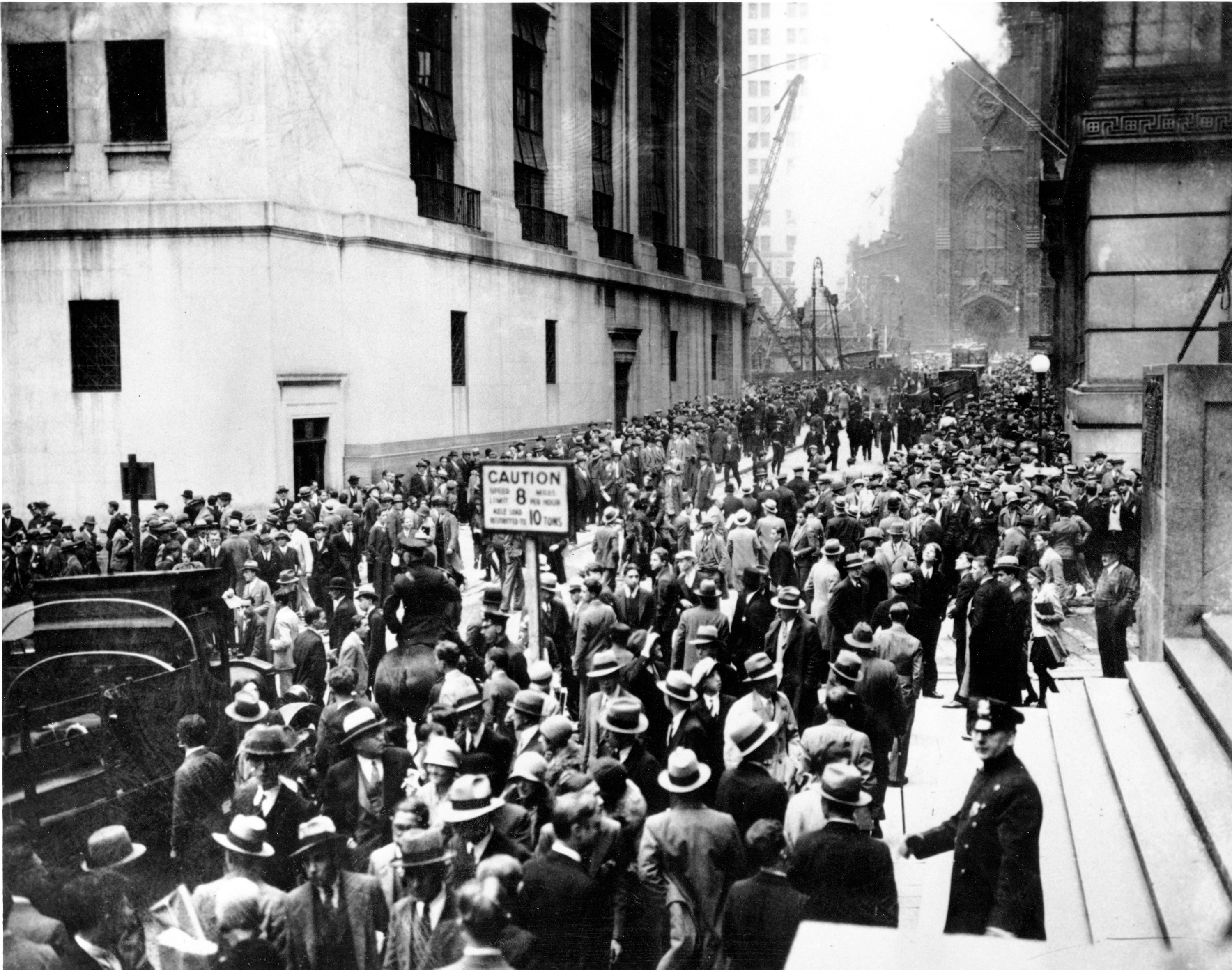
The Securities Exchange Act of 1934 contains the foundational federal laws prohibiting market manipulation in the United States securities markets. Following the catastrophic crash of 1929, Congress realized that without strict anti-manipulation laws, the public would never trust the markets again.
At the self-regulatory level, FINRA Rule 2020 explicitly prohibits broker-dealers and representatives from using manipulative, deceptive, or other fraudulent devices to effect securities transactions.
Together, these rules define the ultimate crime of the tape: market manipulation.
Market manipulation is the intentional conduct designed to deceive investors by controlling or artificially affecting the price of securities.
Let us dissect exactly how bad actors attempt to control this pricing machine, categorized by the specific illusions they try to create.
When investors see massive trading volume in a security, they naturally assume something important is happening. Momentum traders and quantitative algorithms flock to highly active stocks. Manipulators exploit this psychological trigger by generating phantom activity.
Wash Trading and Matched Orders
Imagine a man standing in an empty room, repeatedly passing a $100 bill from his left hand to his right hand, shouting, "A transaction has occurred!" To an outside observer looking only at the ledger, it appears a booming business is taking place. In reality, nothing of economic substance has happened.
This is the essence of wash trading, a manipulation tactic where a person simultaneously buys and sells the same security to create a false appearance of market activity. The defining characteristic of a wash trade is that it does not result in an actual change in the beneficial ownership of the traded security. The trader is simply trading with themselves.
When two or more people play this game together, it becomes a matched order. A matched order occurs when individuals collude to buy and sell a security among themselves at the same price and volume to create a false appearance of trading activity.
Painting the Tape and Spoofing
When wash trades and matched orders are broadcast to the world, they result in painting the tape—a manipulative technique involving a series of transactions reported on the consolidated tape to give a false impression of activity or price movement.
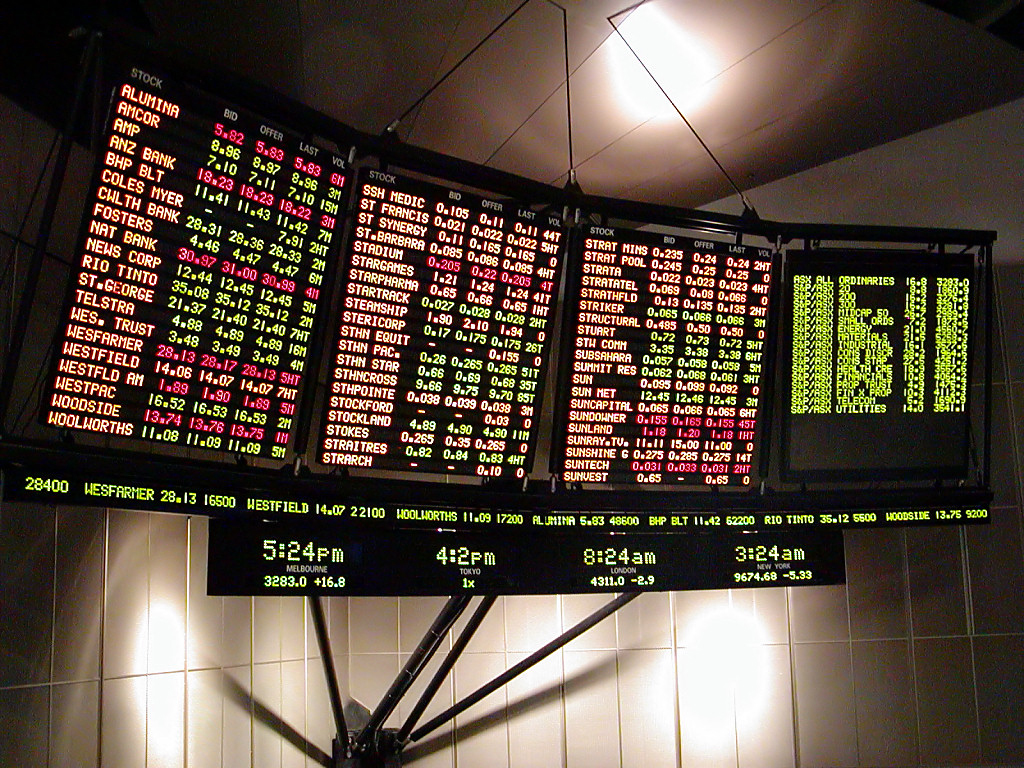
Modern manipulators, however, don't always need to execute the trades to paint a false picture. They use spoofing, a manipulative tactic where a trader enters orders with the intent to cancel those orders before execution to create a false appearance of market demand. By placing a massive buy order they never intend to fill, they trick algorithmic traders into thinking a whale is entering the market, driving the price up just long enough for the spoofer to sell their actual holdings at a profit.
Sometimes the manipulation is not about faking volume, but deliberately hijacking the narrative or exploiting the clock.
The Pump and Dump
Information is the fuel of the stock market. Inject false information, and the pricing machine outputs a false price. Spreading false rumors to influence the price of a security is a prohibited form of market manipulation.
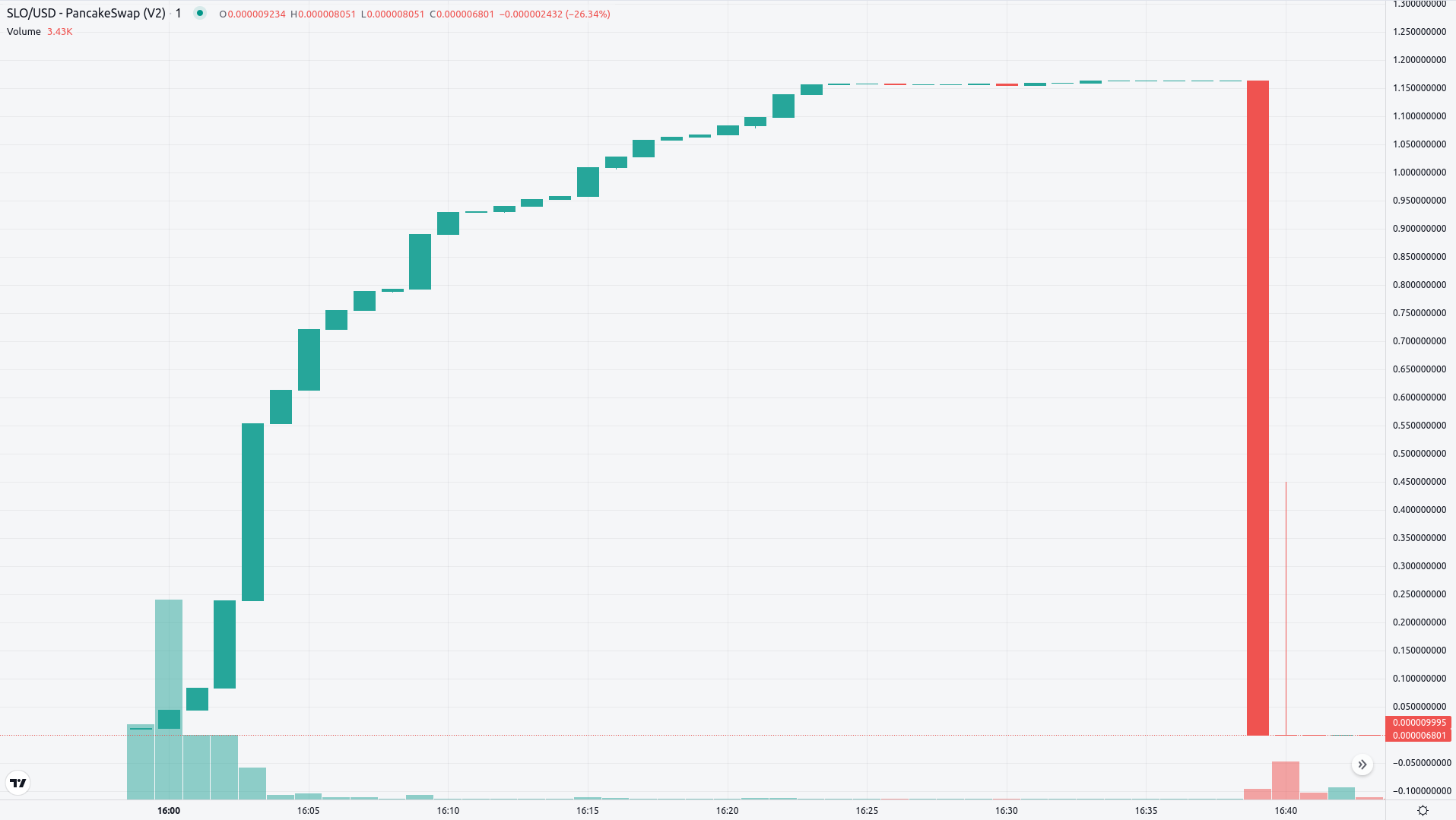
This is most commonly seen in the classic pump and dump scheme, which involves artificially inflating the price of an owned security through false or misleading positive statements. The manipulators accumulate cheap shares of a thinly traded stock, blast out fake press releases or social media posts predicting a massive breakthrough, and wait for unsuspecting retail investors to rush in.
The trap snaps shut at the peak: in a pump and dump scheme, the manipulator sells overvalued shares at an artificially inflated price before the false information is discovered. The stock crashes, and the deceived investors are left holding worthless paper.
Controlling the Timestamps: Marking the Open and Close
Certain moments in the trading day matter more than others. The opening price sets the tone for the day, while the closing price is used to calculate mutual fund net asset values (NAVs), margin requirements, and the settlement of derivative contracts. Because these specific prices hold disproportionate power, they are prime targets for manipulation.
| Tactic | Definition | Why it matters |
|---|---|---|
| Marking the Open | The manipulative practice of executing trades at or near the beginning of the trading day to artificially influence the opening price of a security. | Manipulates overnight sentiment, allowing a trader to dump shares early at an inflated price. |
| Marking the Close | The manipulative practice of executing trades at or near the end of the trading day to artificially influence the closing price of a security. | Inflates portfolio valuations reported to clients, prevents margin calls, or pushes an option into the money. |
Imposing Artificial Boundaries: Pegging and Capping
Prices are supposed to float freely based on supply and demand. But sometimes, a manipulator with a massive options position or a vested interest in a corporate buyout will build an invisible wall in the market.
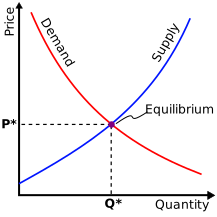
- Pegging is a manipulative practice where an individual enters buy orders to illegally prevent the price of a security from falling below a specific level. (Think of it as pegging the price to a floor).
- Capping is a manipulative practice where an individual enters sell orders to illegally prevent the price of a security from rising above a specific level. (Think of it as putting a cap, or ceiling, on the price).
As a registered representative, your primary duty is to your customer. Market manipulation isn't always directed at the broad public; sometimes, it is a surgical strike against a representative's own client.
Front Running the Elephant
Imagine you learn that a massive institution is about to buy 1 million shares of a mid-cap stock. You know that when this order hits the market, the sheer buying pressure will drive the stock price up. If you quietly buy 1,000 shares for your own account before entering the institution's order, you are guaranteed a nearly risk-free profit.
This is front running, the illegal practice of executing an order for a personal or proprietary account while in possession of an unexecuted customer block order for the same security.
To regulate this, we must define the trigger. A block order is typically defined by FINRA as an order for 10,000 shares or more. Therefore, a block order can trigger front running restrictions if a representative trades ahead of the block order, stealing the price momentum that rightfully belonged to the customer.
Bleeding the Account: Churning and Interpositioning
Your compensation as a representative often ties to the transactions you facilitate. This creates a dangerous temptation to view a customer's account not as a portfolio to be grown, but as a host to be parasitized.
Churning is the practice of excessively trading a customer account by a registered representative for the primary purpose of generating commissions. It doesn't matter if the trades are profitable or not; if the frequency and size of the trades serve only to enrich the broker at the expense of the client's long-term goals, it is a severe violation.
Another way a representative might betray a client on execution is through interpositioning. This is the prohibited practice of placing a third party between a broker-dealer and the best available market price. If there is a direct path to an exchange offering a stock at $50.00, but a broker routes the trade through an unnecessary middleman who takes a cut, the client might pay $50.05. Consequently, interpositioning typically results in a less favorable execution price for the customer.
Finally, manipulation can occur at the mechanical level of the trade itself—in the promises made by market makers, and the payment obligations of customers.
The Broken Promise: Backing Away
Market makers provide liquidity by continuously broadcasting the prices at which they are willing to buy (bid) and sell (ask) a stock. These published quotes are firm promises. Backing away is a prohibited practice where a market maker fails to honor a published firm quote for a security. If a market maker advertises that they will buy 1,000 shares at $20, and they suddenly refuse to execute when another broker routes an order to them, they have damaged the integrity of the quotation system.
Trading on Phantoms: Freeriding
While brokers have strict rules, customers are also bound by the laws of financial gravity. You cannot buy a house, flip it for a profit the next day, and use the profit to pay for the initial purchase without ever putting up your own capital.
In the securities industry, freeriding occurs when a customer purchases a security and sells the exact same security before paying for the initial purchase. The customer is attempting to take a free ride on the broker-dealer's capital.
The Federal Reserve dictates the rules for extending credit to customers. Federal Reserve Regulation T requires a brokerage firm to freeze a customer cash account for 90 days if the customer engages in freeriding.
A "frozen" account does not mean the customer is entirely banned from trading, but they lose the privilege of standard settlement grace periods. When a customer account is frozen due to freeriding, the customer must pay for any new securities purchases in full prior to trade execution. They must prove the cash is in the account before the broker will lift a finger.
The rules governing market manipulation are complex, but their underlying philosophy is incredibly simple: The market must be a reflection of reality.
Whether it is a customer attempting to freeride, a market maker backing away from a quote, or a syndicate painting the tape, every manipulative act is a lie told to the pricing machine. As you step into your role in the securities industry, you are the first line of defense. By understanding these concepts thoroughly, you protect the sanctity of the market, ensuring that when an investor looks at a ticker symbol, the price they see is the truth.