Market Participants and Their Roles
A financial market is fundamentally a sophisticated logistical network engineered to transport a single, invisible commodity: capital. When a corporation requires funding to build a new manufacturing facility, or a municipal government needs to construct a bridge, they must locate entities willing to supply that capital. The architecture of this system relies on a highly specialized cast of participants—each performing a distinct mechanical role to ensure that money and securities change hands efficiently, transparently, and securely. Understanding these market participants is not merely an exercise in memorizing definitions; it is about grasping the anatomy of the global financial engine you are preparing to operate within.
Before we examine the plumbing of the financial system, we must understand the primary actors: the investors. Regulators do not treat all investors equally. The fundamental philosophy of securities regulation is that a person’s need for government protection is inversely proportional to their financial sophistication and wealth.
Retail Investors
A retail investor is an individual who purchases securities for their own personal account rather than for an organization. When your neighbor logs into a brokerage app to buy ten shares of a tech company, they are acting as a retail investor. Because they are assumed to have less investment knowledge and fewer resources to absorb catastrophic losses, retail investors face the highest level of regulatory protection compared to other investor classes. Regulators mandate extensive disclosures, suitability checks, and transparent pricing precisely to shield this group.
Accredited Investors
When an individual accumulates sufficient wealth, regulators assume they possess the resources to endure financial risks and hire professional advisors. These individuals cross the threshold into becoming an accredited investor.
Accredited Investor Thresholds To qualify, an individual must meet one of the following financial criteria:
- A net worth exceeding $1 million, strictly excluding the value of their primary residence.
- A single individual with an annual income exceeding $200,000 in each of the two most recent years (with the expectation of the same in the current year).
- A married couple with a joint annual income exceeding $300,000 in each of the two most recent years.
Institutional Investors and QIBs
Moving beyond individuals, institutional investors are large organizations that pool money to purchase securities on behalf of others. Examples of institutional investors include pension funds, insurance companies, banks, and mutual funds. These entities trade in immense volumes, moving millions of dollars in a single keystroke.
At the absolute apex of the institutional food chain is the Qualified Institutional Buyer (QIB). A QIB is a specific type of institutional investor that must own and invest a minimum of $100 million in securities on a discretionary basis. Because of their sheer size and presumed expertise, QIBs are allowed to trade complex, unregistered securities among themselves in private markets that are entirely off-limits to the retail public.
Capital rarely flows directly from an investor to an entity that needs it. It travels through intermediaries. In the securities industry, you will frequently hear the hyphenated term "broker-dealer." However, "broker" and "dealer" describe two entirely different mechanical functions.
Brokers vs. Dealers
| Role | Capacity | Action | Compensation | Real-World Analogy |
|---|---|---|---|---|
| Broker | Agent | Executes trade orders on behalf of clients without taking ownership of the underlying securities. | Charges a commission to clients for the service of executing the trade. | A real estate agent who connects a buyer and seller for a fee, but never actually owns the house. |
| Dealer | Principal | Trades securities out of its own inventory account. | Charges a markup when selling from inventory, or a markdown when buying into inventory. | A used car dealership that buys your car (at a markdown) to hold on its lot, then sells it later (at a markup). |
Introducing vs. Clearing Broker-Dealers
Beyond the capacity in which they trade, broker-dealers are categorized by how they handle the physical mechanics of customer assets.
An introducing broker-dealer is the client-facing entity. It accepts customer orders, builds the relationships, and provides investment recommendations. However, it relies on a separate clearing firm to process and settle those trades. Crucially, an introducing broker-dealer is prohibited from physically holding customer funds or customer securities.
The heavy lifting of custody and settlement is handled by a clearing broker-dealer. A clearing broker-dealer holds customer funds and securities for safekeeping. Furthermore, it processes trades, settles transactions, and sends trade confirmations directly to customers.
When an introducing firm uses a clearing firm, the accounts can be structured in two ways:
- Fully Disclosed Account: In a fully disclosed account arrangement, the clearing firm knows the individual identities of the customers of the introducing broker-dealer. The clearing firm sends statements directly to "John Doe."
- Omnibus Account: In an omnibus account arrangement, the clearing firm maintains a single consolidated account and does not know the individual identities of the introducing broker-dealer's customers. The introducing firm handles the sub-accounting to track who owns what.
Specialized Broker-Dealers and Advisers
- Prime Broker: Large institutional clients, like hedge funds, execute complex trades across multiple different brokerages. A prime broker provides specialized services such as consolidated custody and securities lending to these large clients, acting as a central hub to track their massive, complex portfolios.
- Investment Adviser: An investment adviser is a firm or individual that provides specific advice about securities to clients in exchange for compensation. Unlike broker-dealers who are paid per transaction, advisers are typically paid a fee based on the assets they manage. Because of their systemic importance, investment advisers managing $110 million or more in client assets must generally register with the Securities and Exchange Commission (SEC).
- Municipal Advisor: A specialized professional who provides advice to municipal entities (like cities or states) regarding the issuance of municipal securities or the use of municipal financial products. They ensure local governments aren't taken advantage of when navigating complex debt issuances.
Where do securities come from, and why is it always so easy to buy or sell them at a moment's notice?
Issuers and Underwriters
An issuer is a legal entity that develops, registers, and sells securities to the investing public to finance its operations. If Apple needs cash to build a data center, it issues new bonds. If a biotech startup wants to go public, it issues stock.
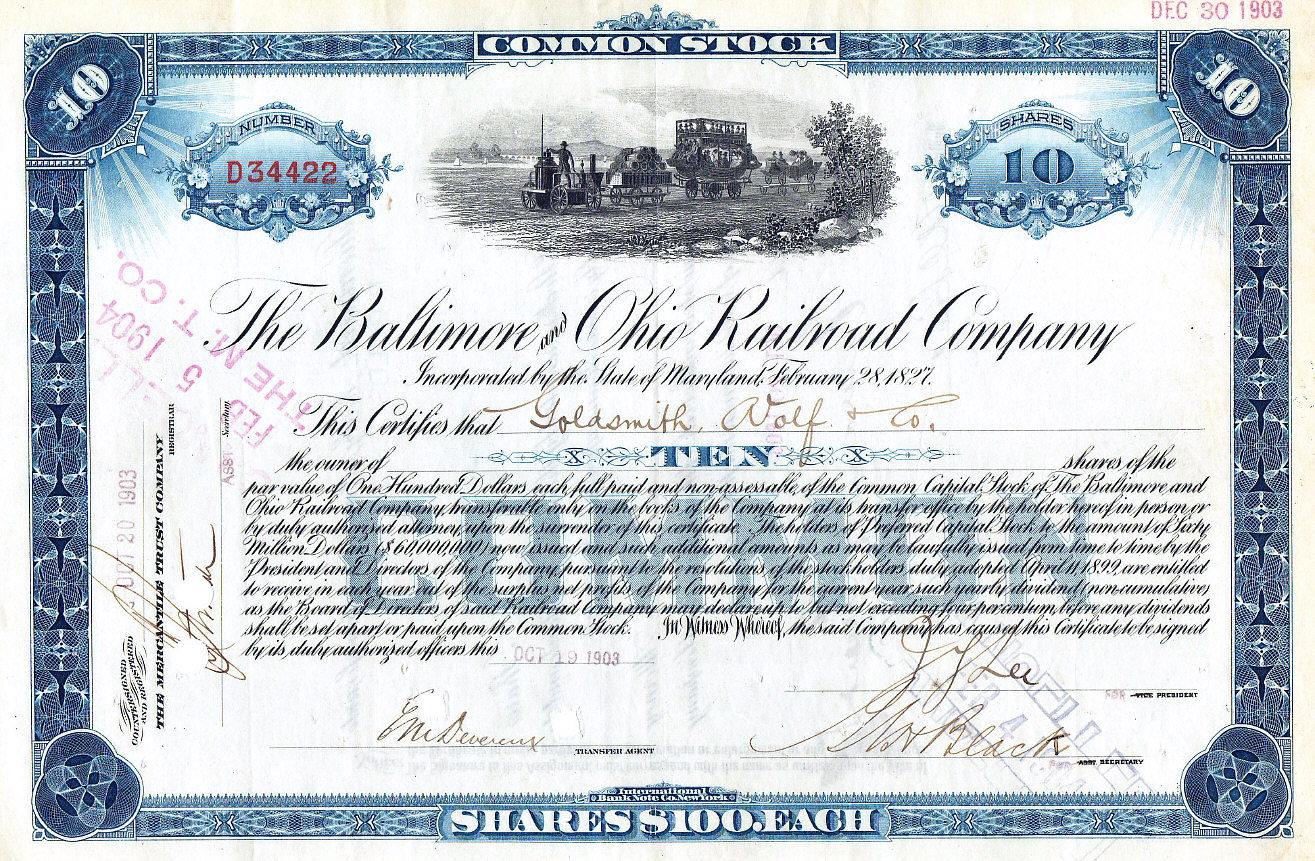
But an issuer is an expert in their business, not in the mechanics of financial distribution. Therefore, they hire an underwriter. An underwriter is a broker-dealer that helps issuers sell their newly created securities to the public. They structure the offering, price it, and find the initial buyers.
Market Makers
Once a security is issued and trading in the secondary market, investors expect to be able to sell their shares instantly. But what if there are no retail or institutional buyers who want your shares at the exact second you click "Sell"?
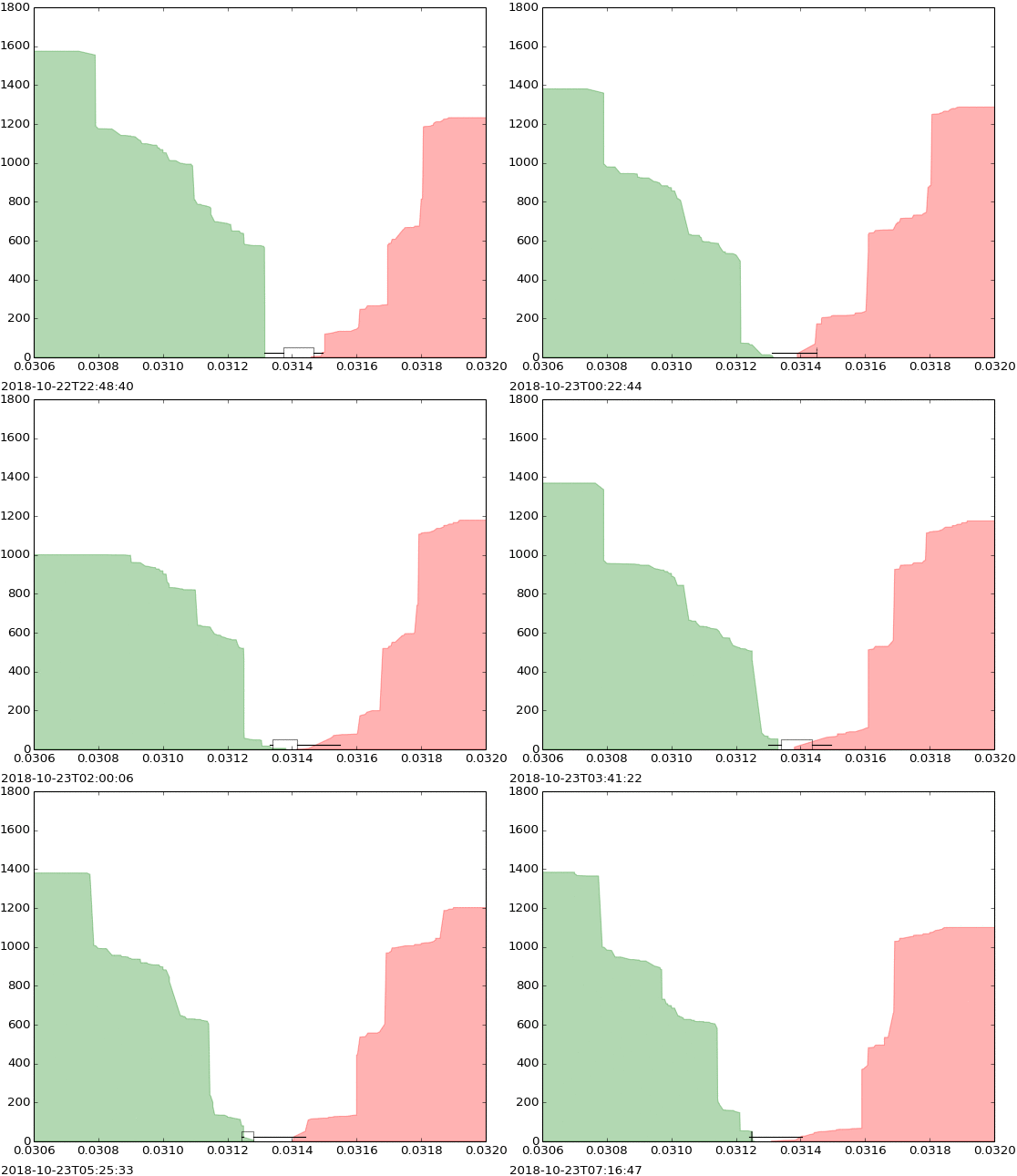
This is where the market maker steps in. A market maker is a broker-dealer that stands ready to buy or sell a specific security at all times at publicly quoted prices. They act as the universal counterparty. Market makers provide liquidity to the financial markets by continuously quoting bid (buy) and ask (sell) prices.
They are not doing this out of charity. Market makers generate profit primarily by capturing the bid-ask spread on securities transactions. If they buy a stock from you at $50.00 (the bid) and immediately sell it to someone else at $50.05 (the ask), they pocket the 5-cent difference. Multiply that by millions of shares a day, and the market maker earns a handsome return for providing the market with instant liquidity.
The modern financial market executes billions of trades a day. The sheer volume of ownership changing hands requires an invisible, highly secure infrastructure to ensure no shares are lost, no money is stolen, and every trade perfectly settles.
Custodians and Transfer Agents
When you buy a security, it is rarely a physical piece of paper anymore. A custodian is a financial institution responsible for the safekeeping of a customer's securities to prevent physical theft or loss.
Meanwhile, the issuer needs to know exactly who owns its shares so it knows who gets to vote and who receives dividends. This record-keeping is managed by a transfer agent.
- A transfer agent maintains the official record of registered owners of a company's stocks and bonds.
- They are responsible for issuing new security certificates to buyers and canceling old security certificates from sellers.
- Because they know exactly who owns the stock, a transfer agent often acts as a paying agent by distributing dividend and interest payments to investors on behalf of the issuer.
Clearing Corporations
When an exchange matches a buyer and a seller, the trade is only an agreement. The actual exchange of money for securities happens post-trade. A clearing corporation is an entity associated with a financial exchange to handle post-trade confirmation, delivery, and settlement.
There are two primary titans of clearing in the U.S. markets that you must know:
1. The Depository Trust and Clearing Corporation (DTCC) The DTCC is the central nervous system for cash markets. The Depository Trust and Clearing Corporation provides clearing and settlement services for equities, corporate bonds, and municipal bonds in the United States. In the old days, messengers ran physical certificates across Wall Street. Today, the DTCC automates and centralizes the settlement of securities transactions by maintaining book-entry records—digital ledgers that instantly transfer ownership without physical certificates ever moving.

2. The Options Clearing Corporation (OCC) Derivatives markets carry unique risks. If you buy an option contract, you are relying on the seller to honor their side of the bargain months in the future. What if they go bankrupt? The Options Clearing Corporation acts as the central clearinghouse for all listed options contracts traded in the United States. To remove counterparty risk, the Options Clearing Corporation guarantees the performance of all listed options contracts by acting as the buyer to every seller and the seller to every buyer. Because the OCC steps into the middle of every single trade, you never have to worry if the specific person who sold you a call option will default; the OCC mathematically ensures the contract will be honored.