Other Regulators and Agencies
Imagine a high-speed transit network carrying trillions of dollars across millions of interconnected accounts every single day. Without specialized engineers controlling the pressure of the system, local authorities inspecting the track in every jurisdiction, and emergency safety nets in place for catastrophic failures, the entire network would collapse under its own weight. As a future registered representative, you are about to step onto the control deck of this exact system. To operate within the United States financial markets, you must understand the architecture of its oversight. While the Securities and Exchange Commission (SEC) and the Financial Industry Regulatory Authority (FINRA) act as the primary watchdogs of the securities industry, they do not operate in a vacuum. They are flanked by a constellation of macro-economic regulators, state-level authorities, and structural insurance entities that govern how money is created, how taxes are collected, how local commerce is policed, and what happens when an institution suddenly closes its doors. Understanding these entities is not just a regulatory hurdle for your SIE exam; it is the foundation of correctly answering a client when they ask, "What happens to my life savings if this firm goes bankrupt?"
To understand the flow of capital, we must first look to the very top of the federal financial apparatus: The Department of the Treasury.
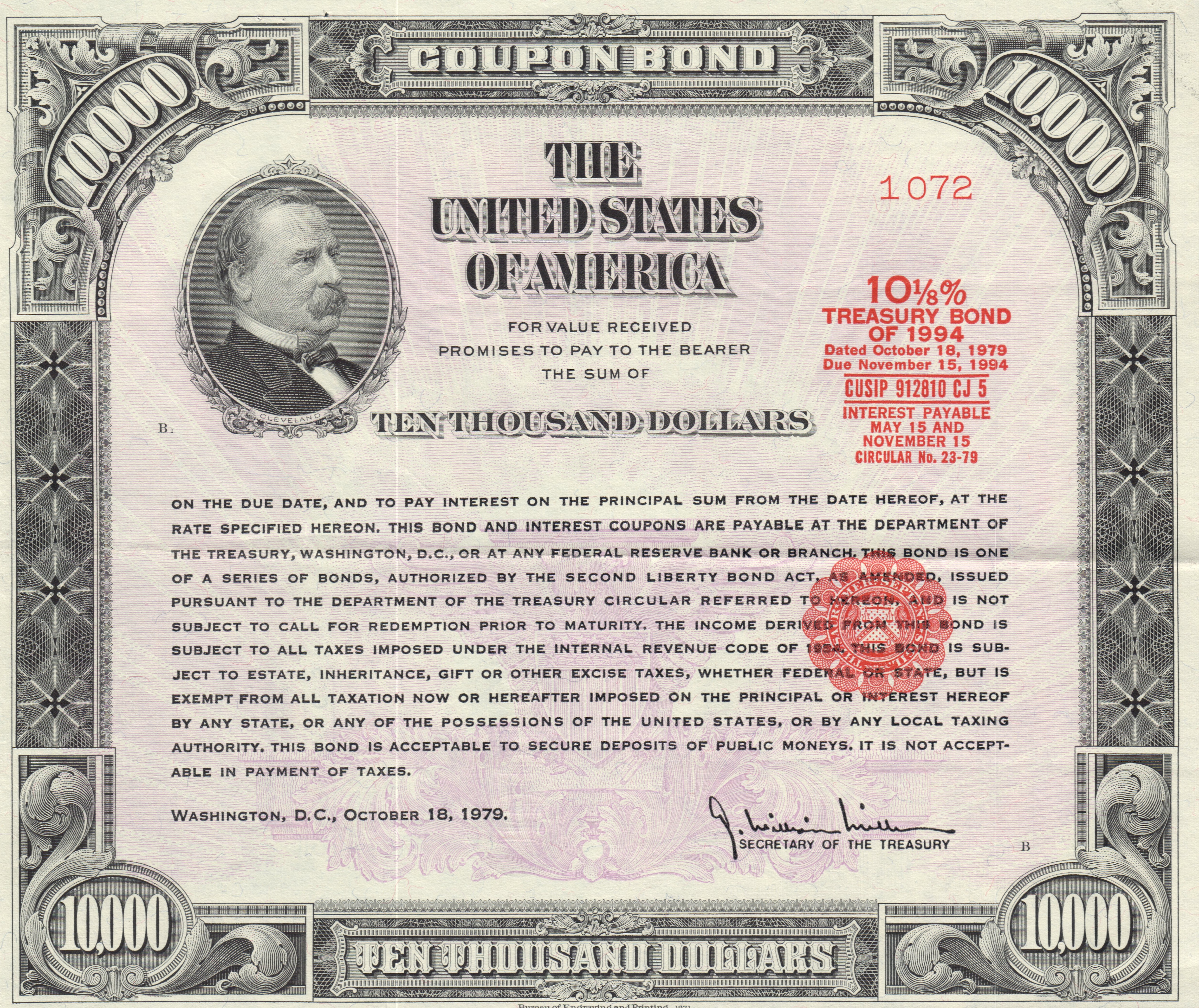
The Department of the Treasury is an executive department responsible for managing the finances of the United States federal government. If the U.S. government were a corporation, the Treasury would be its Chief Financial Officer. When the federal government spends more money than it takes in through taxes, it operates at a deficit. To bridge this gap, the Department of the Treasury oversees the issuance of United States government securities to finance the national debt. When your future clients buy Treasury Bills, Notes, or Bonds, they are directly participating in the Treasury's mechanism for funding the government.
However, borrowing is only one side of the ledger. The government must also collect revenue. This task falls to the Internal Revenue Service (IRS).
The Internal Revenue Service is a bureau operating under the United States Department of the Treasury. The IRS does not write tax legislation—that is the job of the legislative branch. Instead, the Internal Revenue Service enforces tax laws passed by the United States Congress. Within this framework, the Internal Revenue Service is responsible for determining, assessing, and collecting internal revenue in the United States.
Why this matters to you: Every transaction you execute for a client—whether it is taking a capital gain on a stock, receiving a dividend, or withdrawing from a retirement account—creates a tax footprint that falls under IRS enforcement. You must understand this relationship because tax implications heavily dictate the suitability of the investments you will recommend.
If the Treasury manages the government's checkbook, the Federal Reserve (often simply called "the Fed") manages the actual supply of money in the economy. The Federal Reserve is the central banking system of the United States.
While the Treasury is concerned with fiscal policy (taxing and spending), the Federal Reserve is responsible for conducting the monetary policy of the United States. Congress has given the Federal Reserve a dual mandate: the Federal Reserve implements monetary policy to achieve maximum employment and stable consumer prices.
To speed up or cool down the economy, the Federal Reserve Board determines the amount of money available for businesses and consumers to borrow. If borrowing is cheap and easy, businesses expand and hire (driving employment). If borrowing is too easy, prices skyrocket (driving inflation). The Fed balances this scale by manipulating the money supply using three primary tools:
- Open Market Operations (OMO): The Federal Reserve influences the money supply using open market operations, which involves buying and selling U.S. government securities on the open market. When the Fed buys securities from banks, it injects cash into the banking system, increasing the money supply. When it sells securities, it pulls cash out of the system, tightening the money supply.
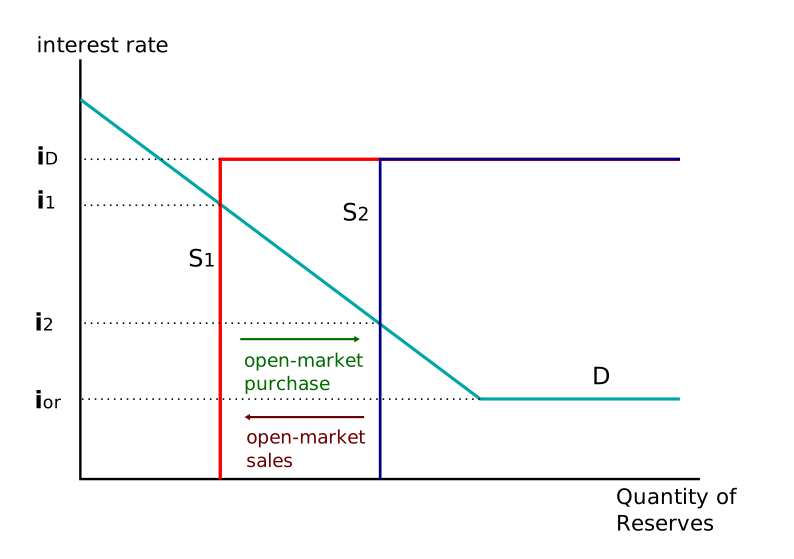
- The Discount Rate: The Federal Reserve influences the money supply by adjusting the discount rate. This is the interest rate the Fed charges member banks for short-term loans. Lowering the rate makes borrowing cheaper, expanding the money supply. Raising the rate makes borrowing more expensive, contracting the money supply.
- Reserve Requirements: The Federal Reserve influences the money supply by changing bank reserve requirements. This is the percentage of deposits that a bank must hold in its vault rather than lend out. Lowering the requirement allows banks to lend more (expanding money supply); raising it restricts lending (contracting money supply).
While federal agencies look at the macroeconomic picture, securities regulation also happens aggressively at the local level. You will not just register with FINRA; you will also register in the states where you do business.
Historically, before federal securities laws existed, opportunistic fraudsters would travel from town to town selling worthless investments—often described as selling "pieces of the blue sky." Because of this, state-level securities regulations are commonly referred to as Blue Sky Laws.

To protect citizens from these localized scams, state securities regulators enforce state-level regulations to protect investors from fraudulent practices. Each state requires broker-dealers conducting business within state borders to register with the state securities administrator. These state administrators are incredibly powerful within their borders; state securities administrators possess the authority to revoke a broker-dealer registration within their specific state jurisdiction if an individual or firm violates Blue Sky Laws.
To coordinate these efforts across borders, state regulators formed NASAA, which stands for the North American Securities Administrators Association. Because financial fraud does not stop at the U.S. border, the North American Securities Administrators Association represents state and provincial securities regulators in the United States, Canada, and Mexico.
One of the most vital concepts you must master—both for the SIE exam and for your career—is what happens when a financial institution fails. Clients frequently confuse the protections offered to their brokerage accounts with the protections offered to their bank accounts.
The Securities Investor Protection Corporation (SIPC)
If a broker-dealer goes completely bankrupt or misplaces client assets, clients are protected by SIPC.
The Securities Investor Protection Corporation is a non-profit membership corporation created under the Securities Investor Protection Act of 1970. It is crucial to understand its structure: the Securities Investor Protection Corporation is an industry-funded entity rather than a United States government agency. As a mandatory rule of the ecosystem, all broker-dealers registered with the Securities and Exchange Commission are legally required to be members of the Securities Investor Protection Corporation.
How SIPC Coverage Works: The Securities Investor Protection Corporation protects customers of a broker-dealer if the broker-dealer declares bankruptcy. It is an insurance policy for the custody of assets, not the performance of assets.
Critical Distinction: The Securities Investor Protection Corporation does not protect investors against losses resulting from normal market fluctuations. If a client buys a stock and the company goes bankrupt, SIPC does nothing. If the client buys a stock, the stock goes up, but the broker-dealer goes bankrupt and loses the shares, SIPC steps in.
Coverage Limits:
- The Securities Investor Protection Corporation provides maximum coverage of $500,000 per separate customer account.
- Within that total limit, the $500,000 maximum Securities Investor Protection Corporation coverage limit includes a maximum of $250,000 for uninvested cash per separate customer.
- What happens if a client has $800,000 in securities at a failed firm? A customer with a claim exceeding Securities Investor Protection Corporation coverage limits becomes a general creditor of the failed broker-dealer for the remaining balance (in this case, the remaining $300,000).
The Federal Deposit Insurance Corporation (FDIC)
While SIPC covers brokerage firms, the FDIC covers traditional banks.
Unlike SIPC, the Federal Deposit Insurance Corporation is an independent agency of the United States federal government. The Federal Deposit Insurance Corporation protects bank depositors in the event of a commercial bank failure.

What the FDIC Covers: The Federal Deposit Insurance Corporation covers traditional bank deposit products such as checking and savings accounts. Additionally, the Federal Deposit Insurance Corporation insures bank products such as money market deposit accounts and certificates of deposit (CDs).
What the FDIC Does NOT Cover: Just like SIPC, the Federal Deposit Insurance Corporation does not protect bank customers against losses due to market fluctuations. Furthermore, if a bank offers a brokerage wing, the Federal Deposit Insurance Corporation does not insure investment products such as mutual funds, stocks, bonds, or annuities.
Coverage Limits: The Federal Deposit Insurance Corporation provides insurance coverage of up to $250,000 per depositor per insured bank. It is important to note how this aggregates: the Federal Deposit Insurance Corporation $250,000 insurance limit applies separately to each recognized account ownership category at a given bank (for example, an individual checking account and a joint savings account are different ownership categories and would each receive separate coverage).
Summary Comparison: SIPC vs. FDIC
To ensure absolute clarity for the exam, memorize the distinctions in this table:
| Feature | SIPC (Securities Investor Protection Corp) | FDIC (Federal Deposit Insurance Corp) |
|---|---|---|
| Entity Type | Non-profit membership corporation (industry-funded) | Independent U.S. Federal Government Agency |
| Protects Against | Broker-dealer bankruptcy / failure | Commercial bank failure |
| Maximum Coverage | $500,000 per separate customer account | $250,000 per depositor per insured bank |
| Cash Limit | Max $250,000 of uninvested cash (within the $500K total) | The full $250,000 applies to cash/deposits |
| Covered Assets | Securities and uninvested cash at a broker-dealer | Checking, savings, money market deposits, CDs |
| Uncovered Assets | Commodities, futures contracts | Stocks, bonds, mutual funds, annuities |
| Market Loss Protection | NO. Does not protect against market fluctuations. | NO. Does not protect against market fluctuations. |
Understanding these regulators and agencies fundamentally shapes how you will interact with the market. The Treasury finances the system, the IRS enforces its revenue collection, the Fed engineers its monetary temperature, state regulators (NASAA) police its local integrity, and SIPC and FDIC provide the structural safety nets that allow the public to invest and deposit with confidence. Mastering these roles proves you are ready to take the helm.