Digital Tools and the Research Process
Not sure you’re ready?
Take the ~3-minute readiness diagnostic and see where you stand.
Navigating the modern landscape of human knowledge requires more than simply reading a text; it demands an active synthesis of technology and critical thinking. When a student or researcher undertakes an inquiry today, they step into a dynamic, rapidly expanding ecosystem. They must extract verifiable truth from an overwhelming volume of noise, ethically integrate the discoveries of others into their own intellectual framework, and collaborate across global digital networks. To master the research process is to understand the precise mechanics of how information is produced, discovered, verified, and shared. We are not just teaching students to find facts; we are teaching them the architecture of digital citizenship and the rigorous ethics of academic inquiry.
Long gone are the days of retyping an entire manuscript to fix a single misplaced paragraph. Today, we utilize digital writing tools, which are software applications or web platforms utilized to create, edit, format, and share written content. These tools act as the scaffolding upon which our thoughts are constructed, manipulated, and ultimately presented to the world.
At the foundation is word processing software, which allows writers to draft, revise, and format text digitally. However, the true revolution in this space has been the shift to the cloud. Cloud-based word processors enable automatic saving of document changes over an internet connection to prevent data loss. They eradicate the classical tragedy of the lost draft by continuously backing up keystrokes to a remote server.
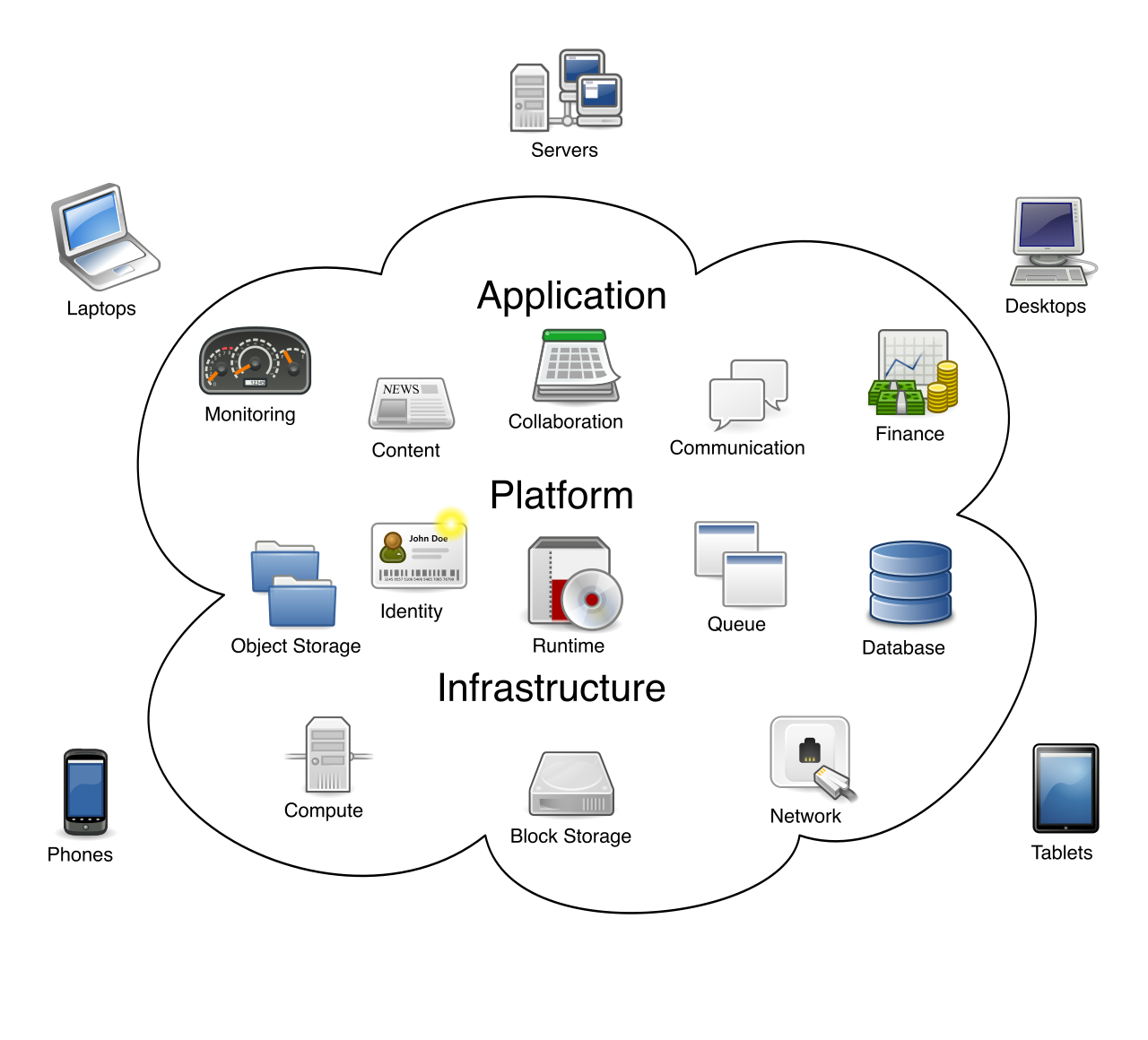
This connectivity unlocks powerful avenues for shared cognition. Digital collaborative platforms permit multiple users to view and edit the same document simultaneously. Instead of passing a single piece of paper back and forth, students can construct an essay in real-time alongside their peers. When asynchronous review is needed, digital commenting features allow peers or teachers to leave targeted feedback directly on specific sections of a writer's digital draft, anchoring the critique exactly where the revision must occur.
Digital Citizenship: The overarching framework governing our use of these technologies is digital citizenship. It involves navigating digital environments safely, responsibly, and ethically, recognizing that our actions in a digital space carry real-world weight and consequences.
Beyond the private drafting space, digital tools offer new stages for publication and discourse:
- Discussion boards serve as asynchronous digital spaces where students can respond to writing prompts and reply to peers, fostering sustained, thoughtful debate outside the temporal confines of a classroom.
- Educational blogs provide a digital platform for students to publish writing for a broader online audience, transforming them from passive consumers of information into active digital authors.
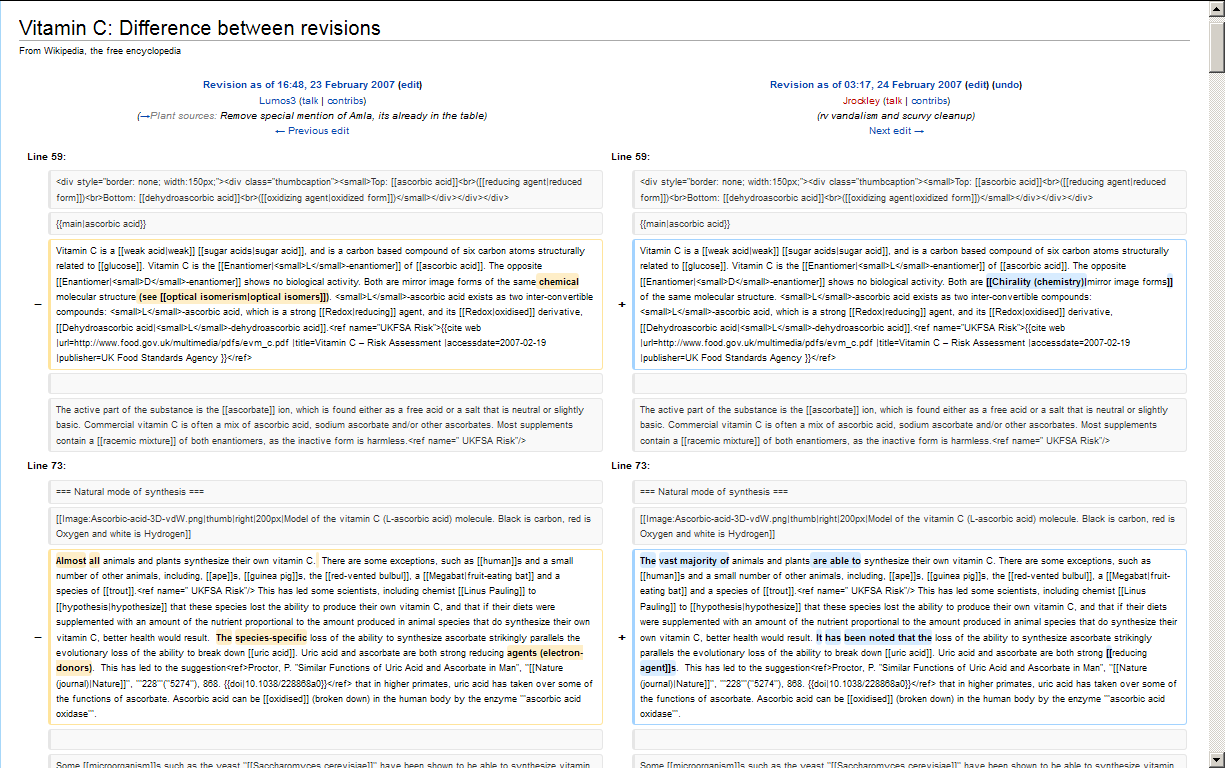
- Wikis are collaborative web pages that allow multiple users to add, modify, or delete content and structure. They model how knowledge is collectively negotiated and refined over time.
Finally, as the drafting process concludes, software steps in to assist with the mechanical polish. Digital spelling and grammar checkers assist writers in identifying and correcting mechanical errors during the editing phase, while digital citation generators automate the formatting of bibliographical references according to specific style guides (like APA or MLA), freeing the researcher to focus on the substance of their argument rather than the minutiae of punctuation.
Before we can analyze information, we must find it. Search engines use proprietary algorithms to index web pages and generate results based on user queries. However, a search engine is only as intelligent as the query it receives. If you ask a vague question, the algorithm will bury you in millions of irrelevant results.
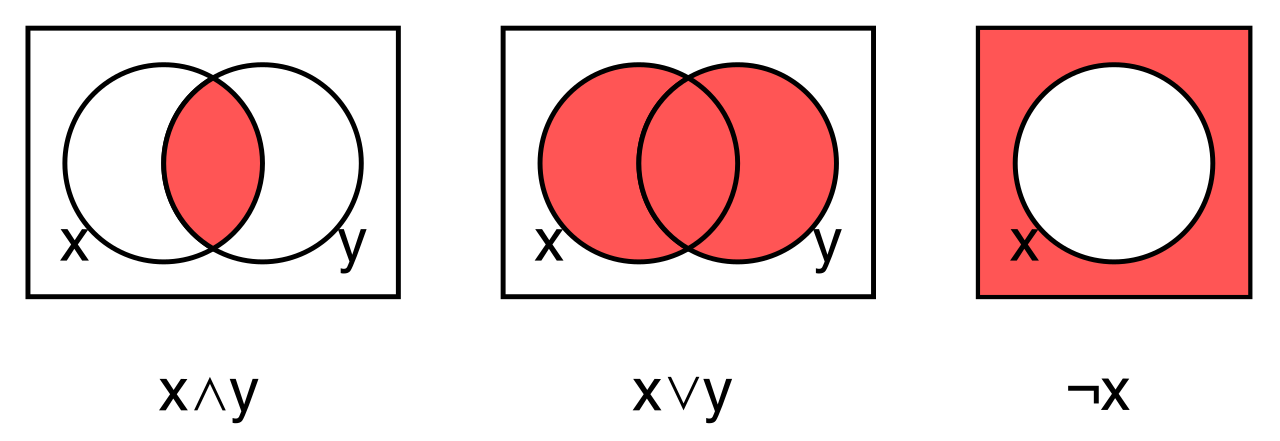
To command the algorithm, researchers use Boolean operators. These are simple words used as conjunctions to combine or exclude keywords in a digital search. They act as logical filters, narrowing or broadening the funnel through which the search engine retrieves data.
| Operator / Symbol | Function in Digital Searching |
|---|---|
| AND | Narrows digital search results to include only web pages containing all specified search terms. (e.g., volcanoes AND Hawaii) |
| OR | Broadens digital search results to include web pages containing any of the specified search terms. (e.g., volcanoes OR earthquakes) |
| NOT | Excludes specific terms from digital search results, filtering out irrelevant overlap. (e.g., volcanoes NOT movies) |
| "Quotation Marks" | Placing quotation marks around a multi-word phrase in a search engine query restricts the results to that exact phrase, rather than the words scattered individually across a page. (e.g., "Ring of Fire") |
Once you pull information from the digital ether, you must determine what kind of material you are holding. Historical and academic research relies on a fundamental distinction between the original artifacts of an event and the subsequent analysis of those artifacts.
Primary Sources: The Direct Evidence
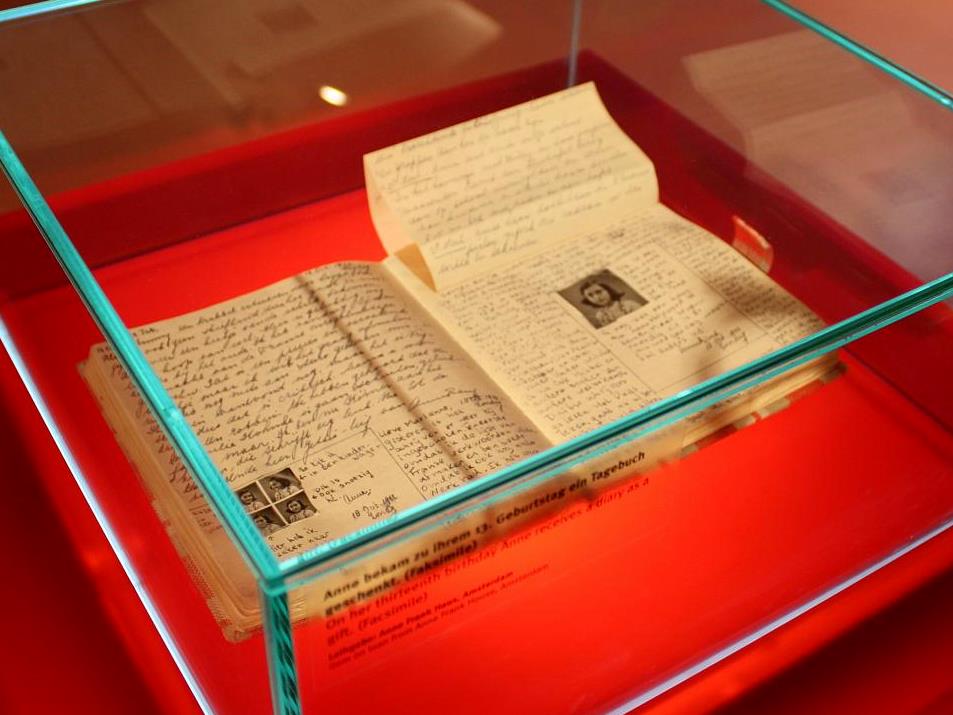
A primary source is a firsthand account, original document, or physical object from a specific historical time period or event. It is the raw data of history. Because it was created by someone who experienced the event directly, it offers an unfiltered—though often subjective—window into the past.
- Examples of primary sources include diaries, personal letters, original photographs, and interview transcripts.
- An autobiography is considered a primary source because the author writes directly about their own life experiences.
Secondary Sources: The Interpretive Lens
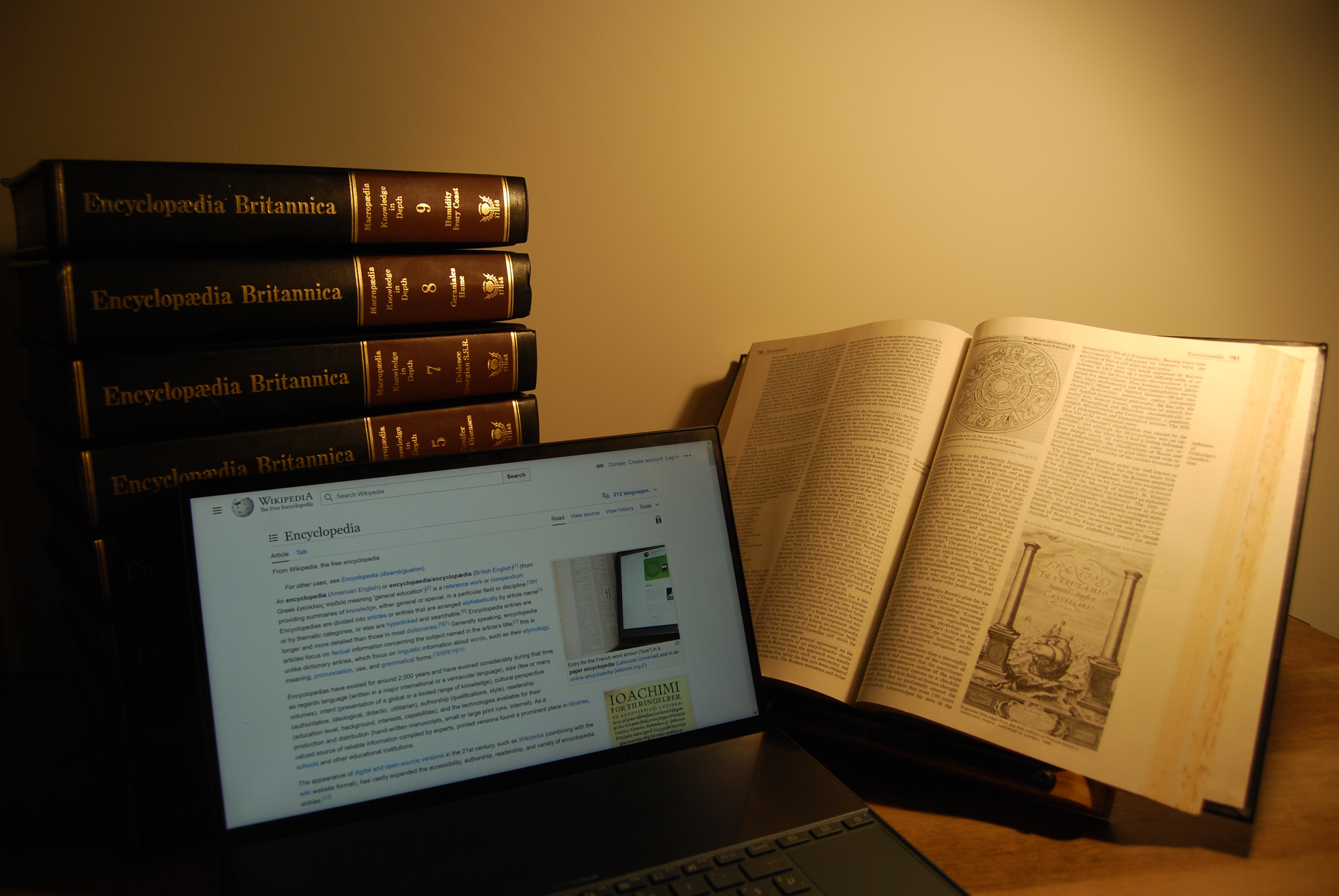
A secondary source analyzes, interprets, or evaluates primary sources. It is written after the fact, usually by a scholar or researcher who has synthesized multiple primary documents to draw broader conclusions.
- Examples of secondary sources include history textbooks, encyclopedia entries, and scholarly monographs.
- While an autobiography is primary, a biography written by a historian is considered a secondary source, as it is an external interpretation of someone else's life.
Not all sources are created equal. The democratization of the internet means anyone can publish anything at any time. Therefore, a researcher's most critical task is filtering the profound from the absurd.
Reliable sources provide accurate, unbiased, and verifiable information authored by credible experts or organizations. The gold standard for academic reliability is peer-reviewed journals. These publications feature academic articles evaluated by independent experts prior to publication to ensure factual accuracy and methodological soundness.

Conversely, an unreliable source lacks author credentials, contains unsupported claims, or presents heavily biased information. For example, websites that permit anonymous public editing (like Wikipedia) are considered unreliable for formal academic research, as the expertise and intent of the authors cannot be verified, and the information can change from one minute to the next.
Navigating Domain Extensions
The URL of a website provides immediate clues about its underlying motives:
- Websites ending in the .gov or .edu domain extensions are generally considered reliable academic sources, as they are tightly restricted to government entities and accredited educational institutions, respectively.
- The .org domain extension designates a non-profit organization and requires researcher evaluation for potential ideological bias. (A political think tank and a neutral charity both use .org).
- The .com domain extension designates a commercial entity and requires researcher evaluation for profit-driven bias. Their primary goal is often to sell a product or generate ad revenue, which can influence the information they present.
The CRAAP Test
To systematically evaluate a source, academics rely on the CRAAP test, a widely used evaluation framework measuring a source's Currency, Relevance, Authority, Accuracy, and Purpose.
- Currency in source evaluation refers to the timeliness of the published information. A 1995 paper on digital writing tools is no longer current, but a 1995 paper on the Civil War might still be highly relevant.
- Authority in source evaluation refers to the professional credentials, education, and expertise of the author or publisher. Is the author a recognized expert, or merely an enthusiastic amateur?
Research is an ongoing conversation between scholars spanning generations. When you write a research paper, you are participating in that conversation. The fundamental rule of this exchange is intellectual honesty.
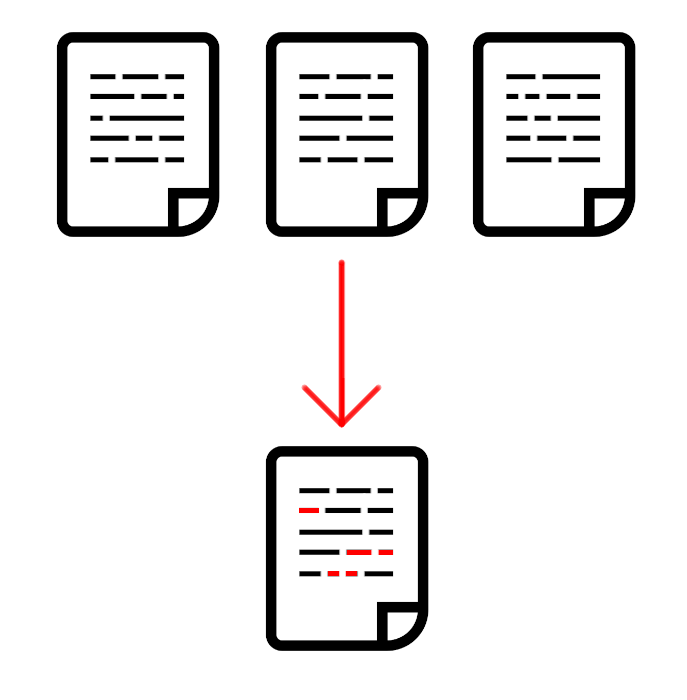
Plagiarism is the unethical act of presenting another person's words, ideas, or data as one's own original work. It is intellectual theft, and it comes in several forms:
- Direct Theft: Copying text directly from a source without utilizing quotation marks constitutes plagiarism.
- Structural Theft: Failing to include an in-text citation when summarizing another author's concept constitutes plagiarism. Even if you use your own words, the idea belongs to someone else and must be credited.
- Self-Plagiarism: Curiously, you can even plagiarize yourself. Self-plagiarism occurs when a student submits their own previously graded work for a new assignment without instructor permission, violating the expectation that each assignment represents new, original effort.
Integrating Evidence Ethically
To weave the ideas of others into your work without plagiarizing, you must master three distinct techniques: quoting, paraphrasing, and summarizing.
1. The Direct Quote A direct quote reproduces the exact original phrasing of an author and must be enclosed in quotation marks. Rule: Direct quotes require a formal citation to credit the original author.
2. Paraphrasing Paraphrasing involves rewriting an author's specific ideas entirely in the researcher's own words and sentence structure. It is used to clarify complex material while maintaining the original length and detail. Warning: Changing only a few words from an original text using a thesaurus does not constitute proper paraphrasing. If the structural skeleton of the sentence remains the original author's, it is plagiarism. Rule: Paraphrased information requires a formal citation to credit the original author.
3. Summarizing Summarizing involves condensing the broad main ideas of a source into a much shorter overview using the researcher's own words. You are extracting the macro-level thesis, not the micro-level details. Rule: Summarized information requires a formal citation to credit the original author.
The Exception: Common Knowledge
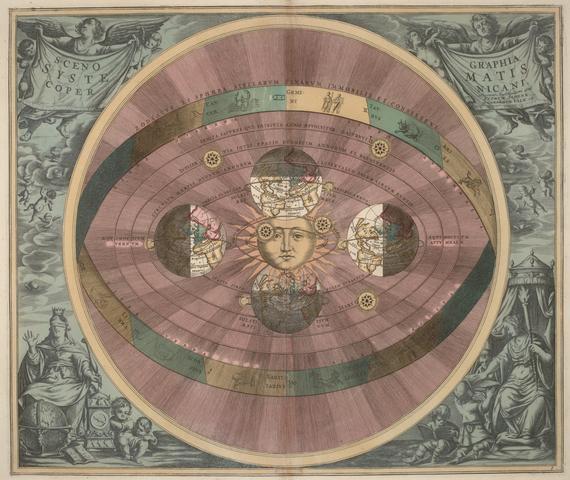
There is one major exception to the absolute rule of citation: common knowledge. This refers to factual information widely known, undisputed, and easily verified across many general sources. For instance, stating that the Earth revolves around the Sun, or that Abraham Lincoln was the 16th President of the United States, does not require you to cite an astrophysics text or a biography. Statements considered common knowledge do not require a formal citation in academic writing.
By mastering these digital tools, search techniques, source evaluations, and ethical integrations, students elevate themselves from passive readers of the internet into rigorous, responsible architects of human knowledge.