Nuances of Word Meaning and Figures of Speech
Not sure you’re ready?
Take the ~3-minute readiness diagnostic and see where you stand.
Language is fundamentally a system of acoustic pressure waves and scratched symbols that we manipulate to alter the neurochemistry of another human being across time and space. When you hand a high school sophomore a novel, you are not merely asking them to decode ink on a page; you are asking them to reverse-engineer the precise psychological architecture the author constructed. As a future English Language Arts educator, your task goes far beyond correcting grammar or pointing out symbols. You must teach your students to see the invisible gears turning beneath standard English—the subtle flex of a word's emotional weight, the historical residue clinging to a phrase, and the structural gymnastics of a well-placed metaphor.
This guide maps the anatomical layers of the English language. We will dismantle the mechanics of word meaning, trace the evolution of vocabulary, and categorize the rhetorical machinery of figurative speech, equipping you to guide students through the complexities of passage-based reasoning and advanced linguistic analysis.
To understand a text, a student must first understand that a word operates on multiple frequencies simultaneously.
Denotation is the literal, objective dictionary definition of a word.
If you look up the word snake, the denotation is a limbless, scaled reptile. However, human communication is rarely purely objective. Words carry ghosts.

Connotation refers to the emotional or cultural associations a word carries beyond the literal definition.
Connotations are categorized by their emotional valence. Positive connotations associate a word with favorable feelings or ideas (e.g., vintage), while Negative connotations associate a word with unfavorable feelings or ideas (e.g., decrepit). Neutral connotations carry no emotional weight (e.g., old).
This is where the true power of an author's diction—the specific vocabulary and phrasing an author chooses to use in a text—comes into play. Two words with the exact same denotation can possess completely opposite connotations. Consider a student analyzing a character's description: is the character assertive (positive) or pushy (negative)? Is the teenager curious (positive) or nosy (negative)? Teaching students to detect nuance in literature—which refers to subtle distinctions in meaning, expression, or sound—turns them from passive readers into active literary critics.
Decoding the Unknown: Context Clues
When a student encounters an unfamiliar word, they must rely on the immediate environment of the text to derive meaning.
- Semantic context clues are hints about a word's meaning found in the meanings of surrounding words. (e.g., "The cacophony of blaring horns, shouting pedestrians, and wailing sirens gave me a headache." The surrounding noise words define cacophony).
- Syntactic context clues are hints about a word's meaning derived from the grammatical structure of the sentence. (e.g., "The knight was valiant, but the squire was craven." The conjunction "but" creates a syntactical contrast, telling the student craven is the opposite of valiant).
Words are not static; they are living organisms that adapt to their social environments and evolve across centuries.
Linguistic Evolution
Over time, the collective usage of a word shifts its fundamental meaning through four primary processes:
- Amelioration is the linguistic process of a word's meaning improving or becoming more positive over time. (e.g., Nice originally meant "foolish" or "stupid" in Middle English).
- Pejoration is the linguistic process of a word's meaning degrading or becoming more negative over time. (e.g., Attitude originally just meant a physical posture).
- Semantic broadening occurs when the meaning of a word becomes more inclusive over time. (e.g., Business originally meant "the state of being busy," but now encompasses all commercial enterprise).
- Semantic narrowing occurs when the meaning of a word becomes less inclusive over time. (e.g., Meat used to mean any solid food, but narrowed to specifically mean animal flesh).
Sociolinguistic Variations
An author’s manipulation of vocabulary instantly signals class, profession, region, and formality.
- Register refers to the level of formality and choice of vocabulary appropriate for a specific social context. You speak in a different register to your school principal than you do to your best friend.
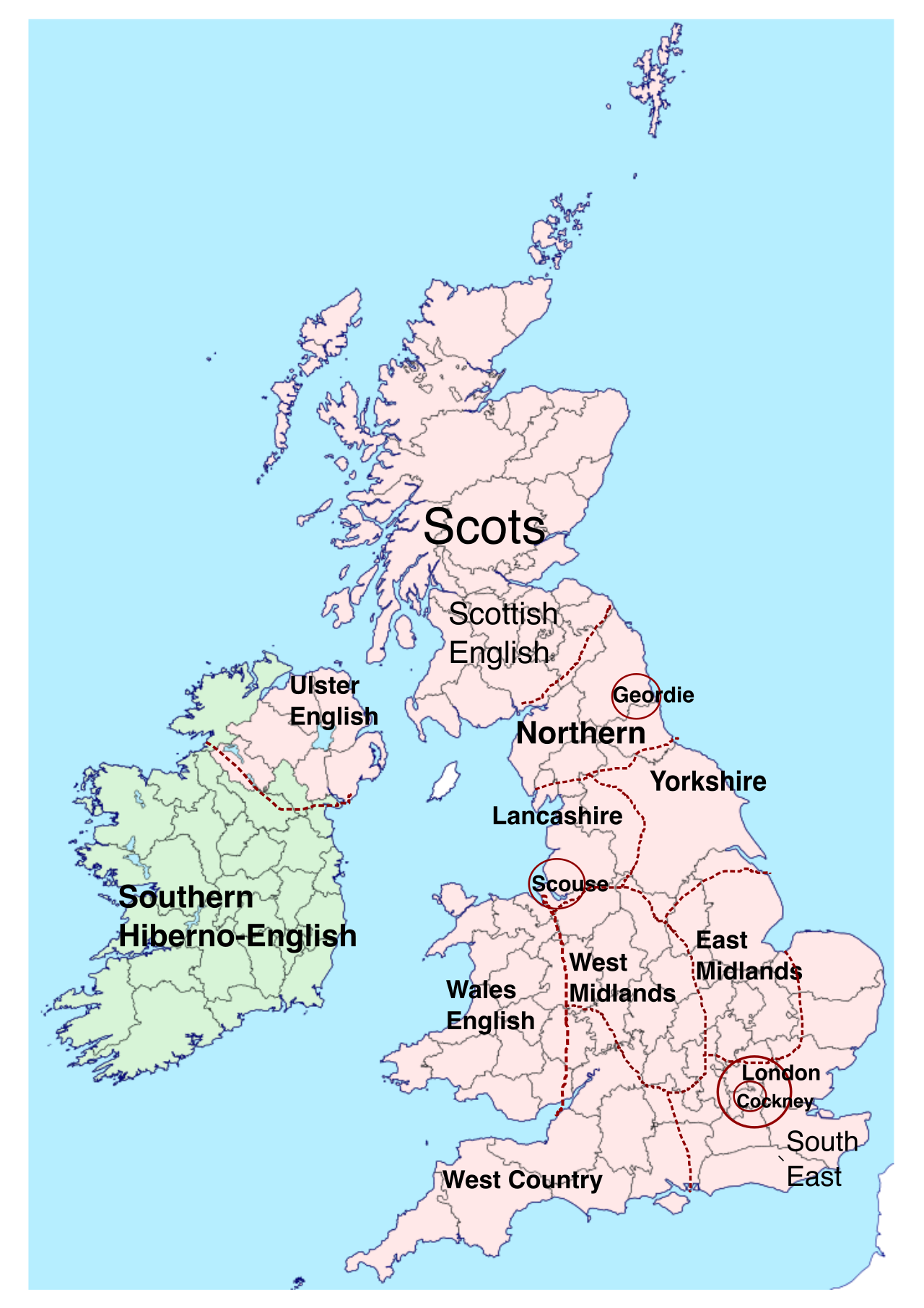
- Dialect is a particular form of a language peculiar to a specific region or social group, encompassing distinct vocabulary, grammar, and pronunciation.
- Slang consists of informal, nonstandard vocabulary typically used by specific social groups (e.g., teenagers using "cap" or "drip").
- Jargon is specialized terminology used by professionals or members of a specific field (e.g., a teacher discussing "IEPs," "scaffolding," and "pedagogy").
- Colloquialisms are informal words or phrases used in ordinary conversational speech, universally understood within a language but inappropriate for formal writing (e.g., "gonna" or "y'all").
Patterns of Combination
Words also develop habitual relationships with other words.
- Collocation refers to the habitual juxtaposition of a particular word with another word or words. For example, the phrase 'heavy rain' is an example of English collocation (we say "heavy rain," not "thick rain" or "dense rain").
- An idiom is a phrase possessing a figurative meaning completely different from the literal meaning of the individual constituent words (e.g., "kick the bucket").
- A cliché is an expression stripped of original meaning due to extreme overuse (e.g., "read between the lines").
When literal language fails to capture the complexity of human experience, writers turn to figurative language, which refers to the use of words in a way deviating from the conventional order and meaning in order to convey a complicated meaning.
Metaphorical Architecture
- A simile is a figure of speech comparing two distinct things using the connecting words 'like' or 'as'.
- A metaphor directly equates two distinct things without using connecting words like 'like' or 'as'.
- An implied metaphor hints at a comparison without explicitly stating the two entities being compared (e.g., "He barked his commands at the team"—implying he is a dog without saying it).
- An extended metaphor develops a complex comparison over multiple lines or sentences within a literary work.
- A conceit is an elaborate and highly intellectual extended metaphor comparing two vastly different things, popularized by metaphysical poets like John Donne (e.g., comparing lovers' souls to the legs of a drawing compass).

The Art of Substitution
Writers frequently swap one word for another to alter the psychological impact of a sentence.
| Figure of Speech | Definition & Function |
|---|---|
| Synecdoche | A figure of speech employing a specific part of an object to represent the entire object, or conversely, synecdoche can employ a whole object to represent a specific part of that object. For instance, using the word 'wheels' to refer to a car is an example of synecdoche. |
| Metonymy | A figure of speech replacing the name of an object or concept with the name of something closely associated with that object. For example, using the word 'suits' to refer to business executives is an example of metonymy. |
| Euphemism | A mild or indirect expression substituted for one considered to be too harsh or blunt. Using the phrase 'passed away' instead of 'died' is an example of a euphemism. |
| Dysphemism | A derogatory or unpleasant term used instead of a pleasant or neutral one. Calling a cemetery a 'boneyard' is an example of a dysphemism. |
Names and titles are also highly malleable. An epithet is a descriptive phrase expressing a quality characteristic of the person or thing mentioned (e.g., "Alexander the Great"). When a writer takes this a step further, they use antonomasia, which is the substitution of an epithet or title for a proper name (e.g., calling Shakespeare "The Bard"). Sometimes, writers intentionally take the long way around an idea; periphrasis is the use of excessive and longer words to convey a meaning previously conveyable with a shorter expression (e.g., "the mother of my father" instead of "grandmother").
To direct a reader's attention, authors distort reality through scale and logic.
Playing with Scale:
- Hyperbole is the use of deliberate and obvious exaggeration for rhetorical effect ("I've told you a million times").
- Understatement is a figure of speech employed to intentionally make a situation seem less important than reality dictates.
- Meiosis is a rhetorical understatement used to diminish the importance of an entity, often for a dismissive effect (e.g., calling a severe wound a "scratch").
- Litotes is a specific form of understatement expressing a positive statement by negating the opposite statement. Saying 'not bad' to mean 'very good' is an example of litotes.
Playing with Logic:
- An oxymoron juxtaposes two seemingly contradictory words side-by-side to create a new meaning. The phrase 'deafening silence' is an example of an oxymoron.
- A paradox is a seemingly self-contradictory statement. Unlike an oxymoron, which is an immediate linguistic clash, a paradox operates at the level of ideas. Crucially, a paradox often reveals a hidden foundational truth upon closer inspection (e.g., "I must be cruel to be kind").
Irony is a misalignment between reality and expectation. It requires advanced cognitive processing, which is why middle school students often struggle to identify it until you explicitly teach them its variants:
- Verbal irony occurs when a speaker says the exact opposite of what the speaker actually means.
- Situational irony occurs when the actual result of a situation is totally different from the expected result (e.g., a fire station burning down).
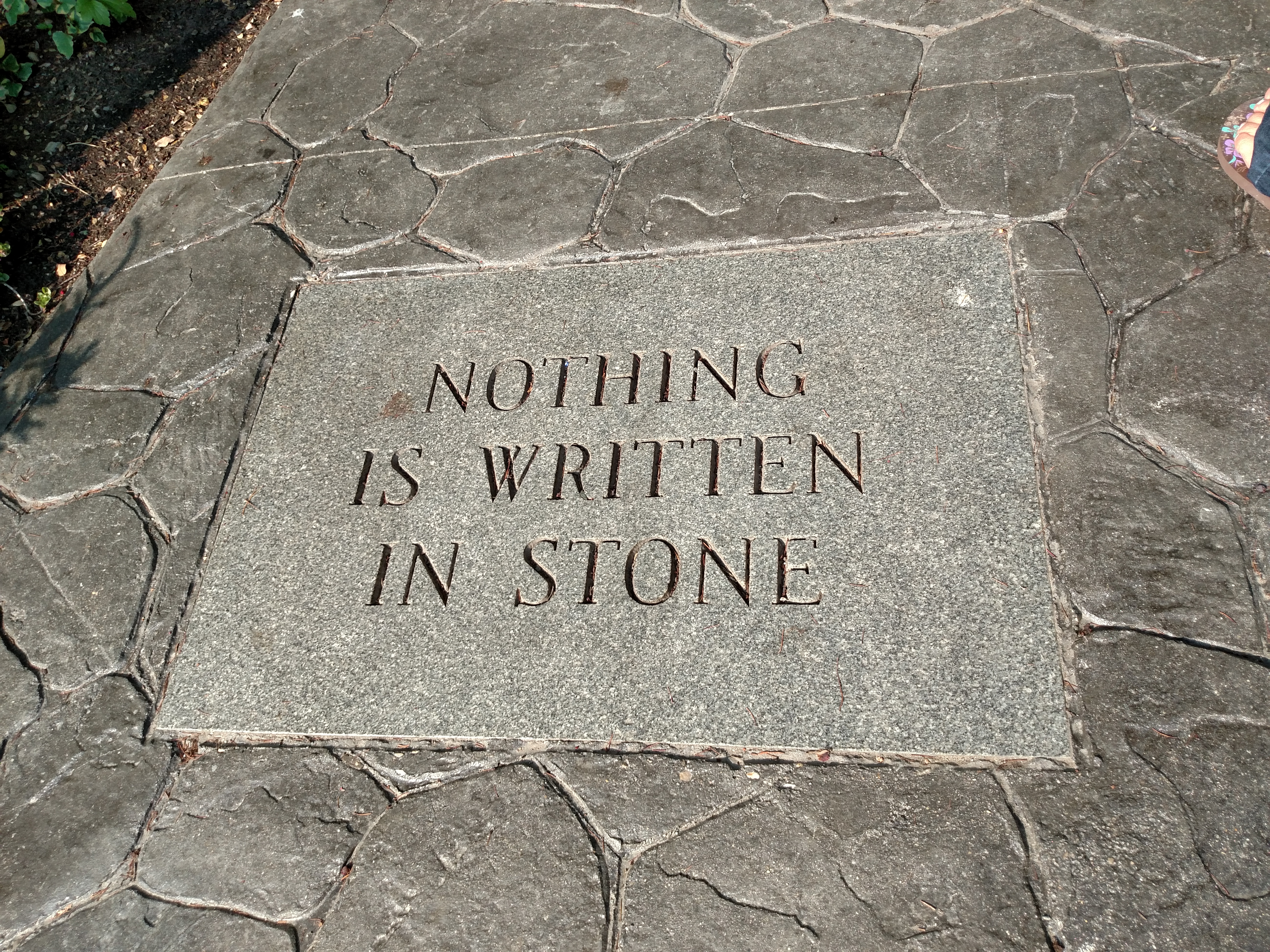
- Irony of fate, or cosmic irony, involves the idea that gods or destinies are amusing themselves by manipulating human beings, leading characters into inevitable tragedy despite their desperate attempts to avoid it (think Oedipus Rex).
Blurring the Boundaries of Life and Senses
Writers frequently cross conceptual wires to force readers to experience the world anew.
- Personification attributes human qualities or actions to inanimate objects or abstract concepts (e.g., "The wind whispered through the trees").
- Anthropomorphism involves making non-human entities physically act and behave like human beings (e.g., the animals in Animal Farm wearing clothes and walking on two legs).
- An apostrophe is a figure of speech involving a speaker directly addressing an absent person or an inanimate object (e.g., "O Death, where is thy sting?").
- Synesthesia is a figure of speech describing one sensory experience in terms of another sensory experience. The phrase 'a loud shirt' is an example of literary synesthesia, blending visual and auditory input.
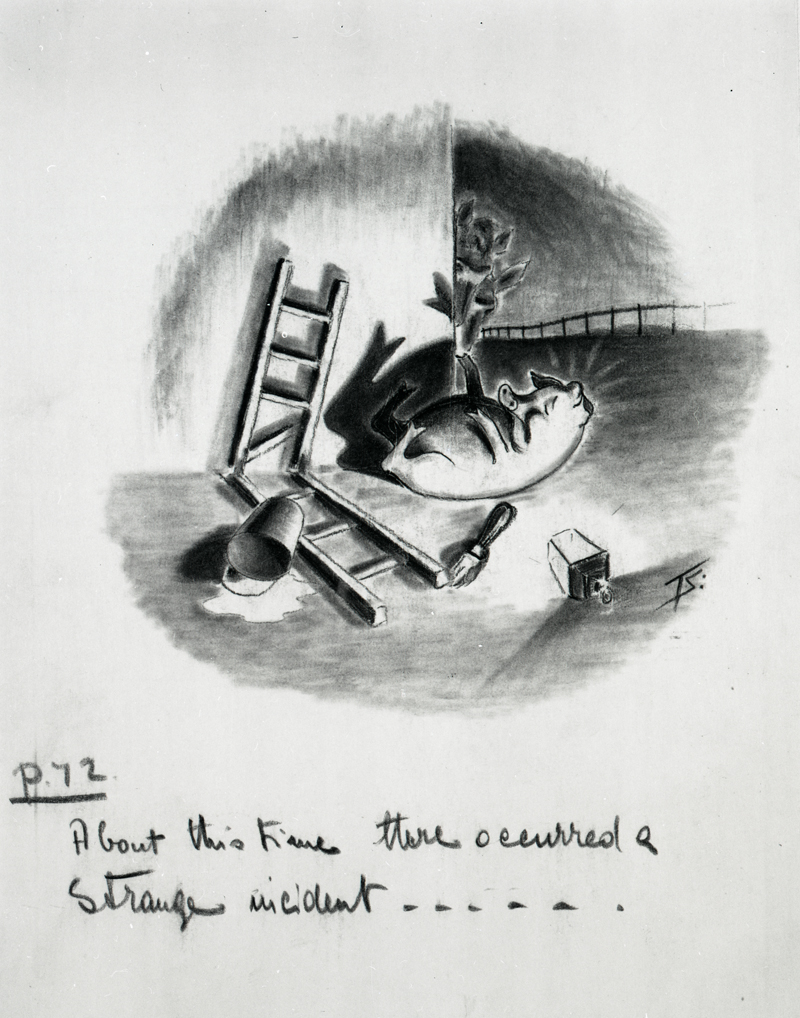
To anchor a text in a broader cultural matrix, an author will use an allusion, which is a brief and indirect reference to a person, historical event, cultural figure, or idea of historical significance.
Wordplay and Mistakes
Language is prone to playful (and accidental) collisions.
- A pun is a form of wordplay exploiting multiple meanings of a single word. Additionally, a pun can exploit the similar sounds of completely different words for humorous effect.
- When a collision goes wrong, it is a malapropism, which is the mistaken use of a word in place of a similar-sounding word. Saying 'flamingo' instead of 'flamenco' is an example of a malapropism.
The Architecture of Syntax
The very arrangement of words within a sentence can create profound rhetorical force.
- Zeugma is a figure of speech applying one single verb or adjective to two different nouns in entirely different senses. The sentence 'He caught a cold and a baseball' is an example of zeugma.
- Anaphora is the repetition of a word or phrase at the beginning of successive clauses (e.g., "I have a dream... I have a dream...").
- Epistrophe is the repetition of a word or phrase at the end of successive clauses (e.g., "...by the people, ...for the people").
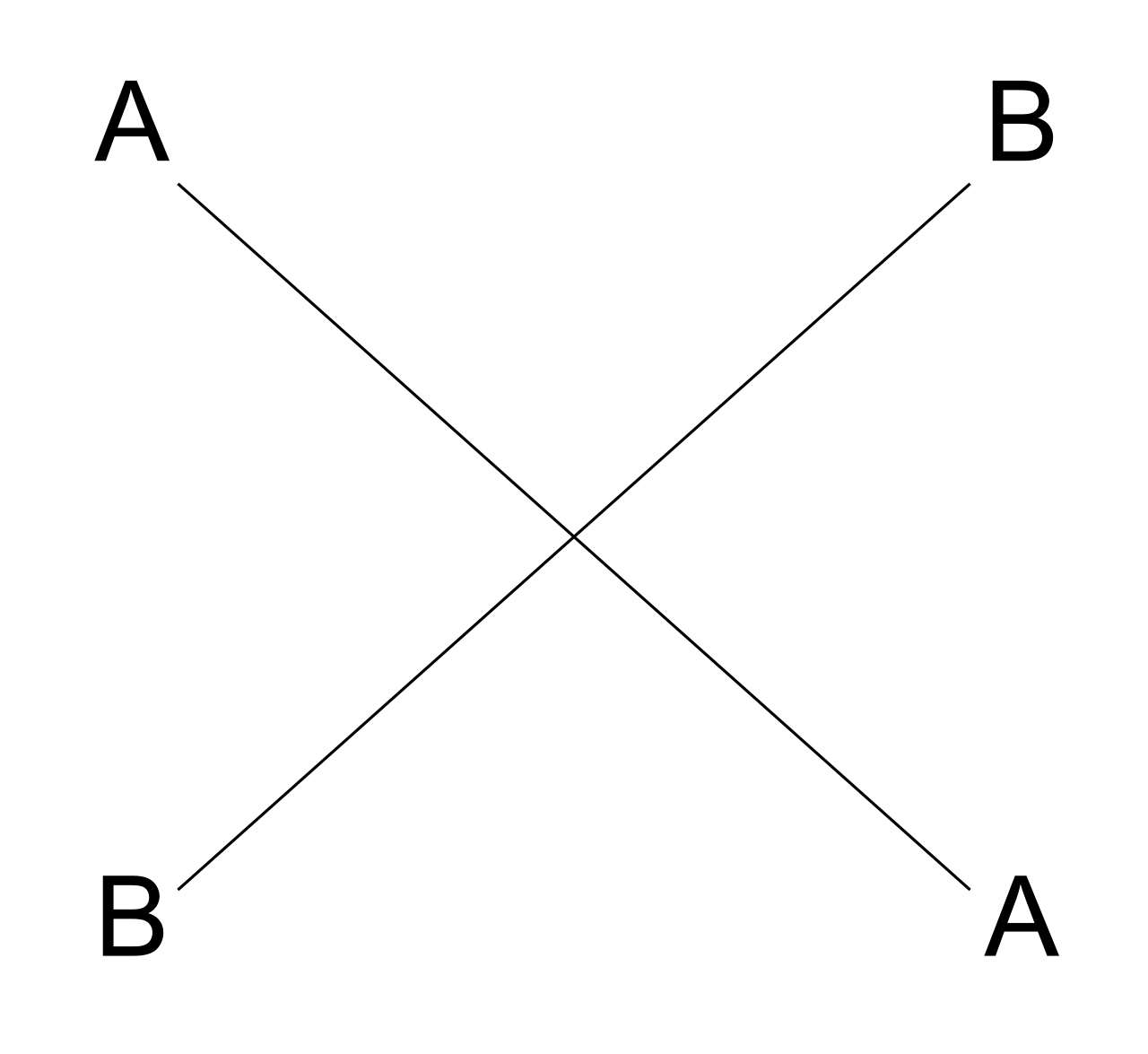
- A chiasmus is a rhetorical or literary figure in which words or concepts are repeated in reverse order (e.g., "Ask not what your country can do for you; ask what you can do for your country").
When you master these concepts, you are no longer just reading. You are looking at the source code of human thought. Bring that clarity and that wonder into your classroom, and your students will learn not just to pass exams, but to wield the English language with the precision of a master craftsperson.