Federal Definitions
Not sure you’re ready?
Take the ~3-minute readiness diagnostic and see where you stand.
The legal architecture of a classroom often feels invisible until a student’s academic progress stalls. At that moment, the distinction between a medical diagnosis and an educational eligibility becomes the most consequential factor in a child's educational trajectory. The Individuals with Disabilities Education Act (IDEA) operates not as a clinical medical manual, but as a civil rights framework. The Individuals with Disabilities Education Act defines thirteen distinct disability categories for special education eligibility. Specifically, the Individuals with Disabilities Education Act Part B outlines the federal disability definitions for special education eligibility for children ages three through twenty-one. Understanding these definitions is not merely an exercise in legal compliance; it is the foundational step in identifying exactly what kind of intervention a student needs to access their education.
One of the most profound misconceptions in special education is that a medical diagnosis automatically guarantees an Individualized Education Program (IEP). It does not. The federal law is highly pragmatic. It looks at the intersection of a child’s condition and their actual functioning in the classroom.
To qualify for special education under any of the thirteen categories, a student must meet a strict, two-pronged legal threshold:
- A student only qualifies for special education under federal law if the student's disability adversely affects the student's educational performance.
- A student only qualifies for special education under federal law if the student's disability creates a need for specially designed instruction and related services.
Think of a student with a mild physical impairment who navigates the school independently, achieves grade-level standards, and requires no instructional modifications. While they have a documented disability, it does not adversely affect their learning, nor do they require specialized teaching. They do not need special education; they might simply need a 504 accommodation. The special education label is reserved for when the standard instructional environment is fundamentally insufficient.
Intellectual Disability (ID)
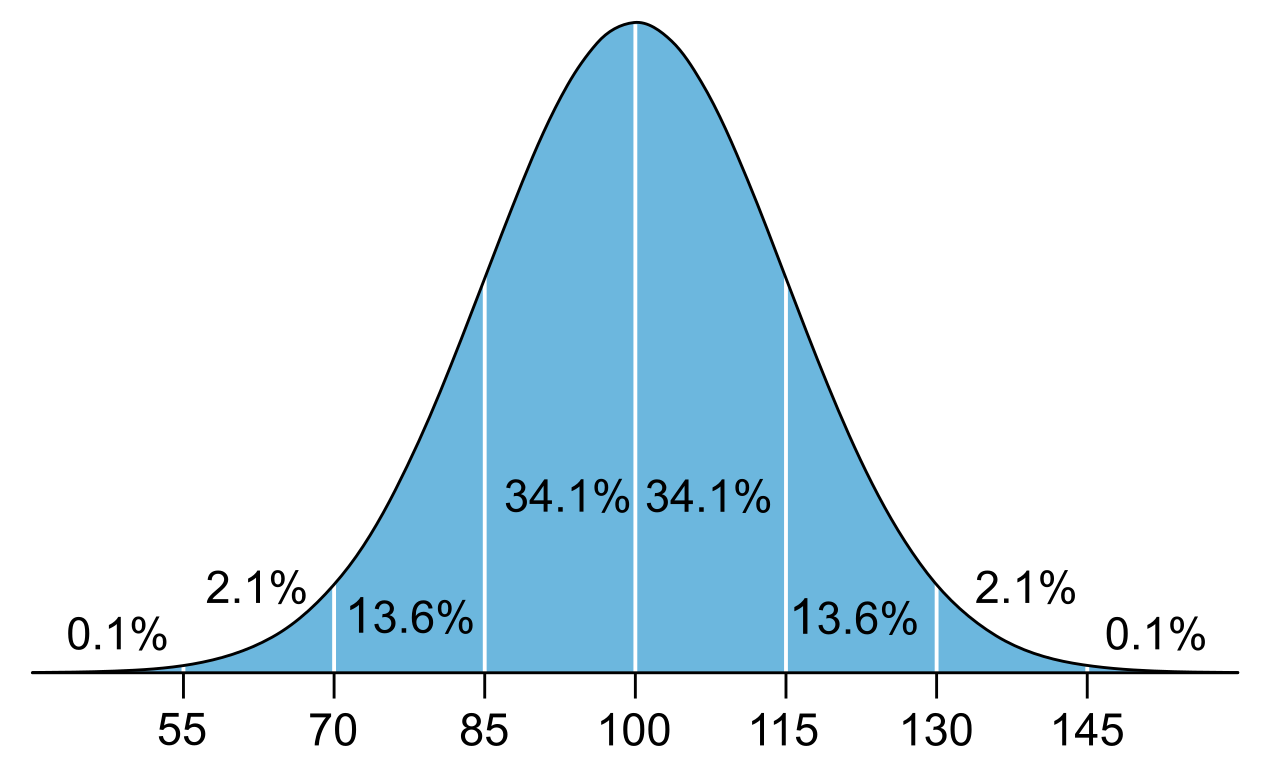
When we talk about intellectual disability, we are not just talking about an IQ score. Federal law views intelligence through a dual lens of cognition and daily living. The federal definition of intellectual disability requires significantly subaverage general intellectual functioning. However, low cognitive scores alone are insufficient. The federal definition of intellectual disability requires intellectual deficits to exist concurrently with deficits in adaptive behavior—meaning the child struggles with the practical, conceptual, and social skills needed for everyday life. Furthermore, the federal definition of intellectual disability requires the disability characteristics to manifest during the developmental period, ensuring this classification is distinct from adult-onset cognitive decline.
Autism
Autism is framed by how it alters a child's interaction with the world. The federal definition of autism specifies a developmental disability significantly affecting verbal communication, nonverbal communication, and social interaction. You will see this in the classroom when a student struggles to interpret a peer's body language or faces severe challenges with expressive language. Because this is a developmental condition, the federal definition of autism states that the disability characteristics are generally evident before a child reaches age three.
Developmental Delay
Recognizing that young children develop at highly variable rates, locking a young child into a specific disability category can sometimes be premature. Therefore, the Individuals with Disabilities Education Act allows states and local educational agencies to use the category of developmental delay for children aged three through nine. This provides a temporary safety net, allowing schools to deliver early intervention without prematurely attaching a lifelong label to a kindergartener who may simply need a few years to catch up.
Specific Learning Disability (SLD)
Specific Learning Disabilities represent the largest single category of students receiving special education. Think of the brain as a highly complex transit system. In a student with an SLD, the stations (general intelligence) are fully operational, but a specific track is blocked.
The federal definition of specific learning disability involves a disorder in one or more basic psychological processes involved in understanding or using spoken or written language. This invisible barrier may manifest in an imperfect ability to listen, think, speak, read, write, spell, or do mathematical calculations.
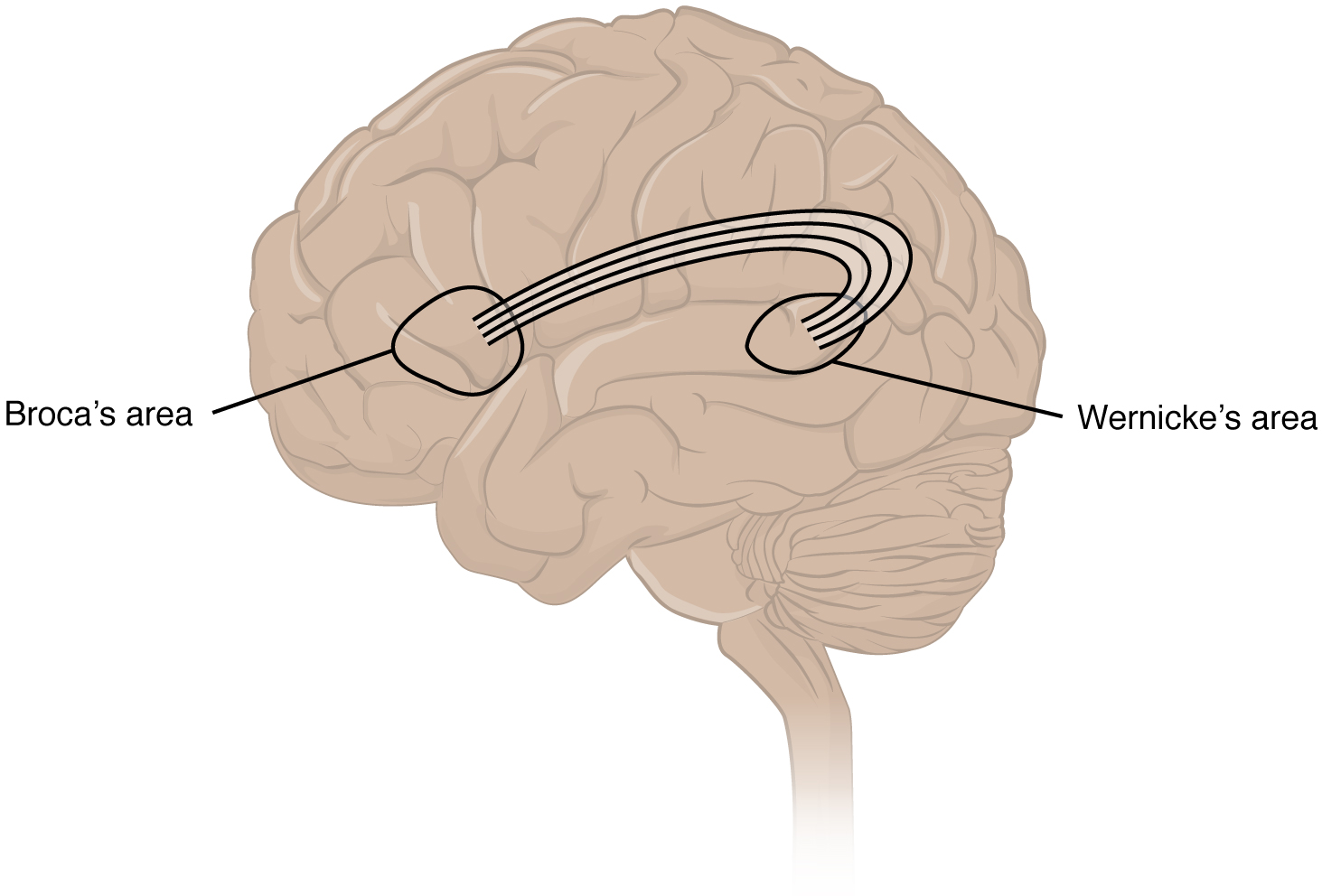
What is Included: The federal definition of specific learning disability includes conditions such as perceptual disabilities, brain injury, minimal brain dysfunction, dyslexia, and developmental aphasia.
Because an SLD specifically targets information processing, the law requires us to rule out other primary causes for the student's struggle. This is the "exclusionary criteria."
- The federal definition of specific learning disability excludes learning problems primarily resulting from visual, hearing, or motor disabilities.
- It excludes learning problems primarily resulting from intellectual disability or emotional disturbance.
- Finally, and crucially for equity, it excludes learning problems primarily resulting from environmental, cultural, or economic disadvantage. If a student is failing to read because they have missed two years of school due to poverty and transiency, they need rigorous instruction and support, not a learning disability label.
Speech or Language Impairment
Distinct from an SLD, which is a processing issue, a Speech or Language Impairment focuses on the output and structural mechanics of communication. The federal definition of speech or language impairment includes communication disorders such as stuttering, impaired articulation, a language impairment, or a voice impairment.
Classrooms are highly emotional environments, and all children have bad days. The category of Emotional Disturbance (ED) is reserved for profound, chronic distress that hijacks a child's ability to learn.
The federal definition of emotional disturbance requires specific psychological or behavioral characteristics to be exhibited over a long period of time and to a marked degree. It is not a passing phase or a reaction to a single traumatic event. Interestingly, the federal definition of emotional disturbance explicitly includes schizophrenia as a qualifying condition.
The most fiercely debated aspect of this category is its primary exclusion. The federal definition of emotional disturbance excludes children who are socially maladjusted unless the socially maladjusted children also have a qualifying emotional disturbance. In plain terms: a student who willfully breaks rules, engages in delinquency, and rejects authority (social maladjustment) does not automatically qualify for special education unless there is an underlying, qualifying psychiatric or emotional disorder driving the inability to learn.
Other Health Impairment (OHI)
The title "Other Health Impairment" sounds like a catch-all, but it hinges on three specific words. The federal definition of Other Health Impairment requires a student to have limited strength, vitality, or alertness. Naturally, this requires the limited strength, vitality, or alertness to be due to chronic or acute health problems (such as asthma, diabetes, or epilepsy).
But how does this apply to attention disorders? Here is the brilliant paradox built into the law: The federal definition of Other Health Impairment includes a heightened alertness to environmental stimuli that results in limited alertness with respect to the educational environment. A child whose brain forces them to pay equal attention to the hum of the fluorescent lights, a pencil dropping three desks away, and the teacher's voice ultimately exhibits limited alertness to the lesson. Because of this exact dynamic, Attention deficit hyperactivity disorder is explicitly listed as a qualifying condition under the federal definition of Other Health Impairment.
Orthopedic Impairment
This category addresses the skeletal system. The federal definition of orthopedic impairment includes severe skeletal impairments caused by congenital anomaly, disease, amputations, or fractures. A student with cerebral palsy or muscular dystrophy would typically receive services under this umbrella, ensuring they have the physical access and adaptive equipment necessary to engage with the curriculum.
Traumatic Brain Injury (TBI)
Traumatic Brain Injury is defined strictly by the mechanism of the injury. The federal definition of traumatic brain injury requires an acquired injury to the brain caused by an external physical force. This means a car accident, a severe sports impact, or a fall.
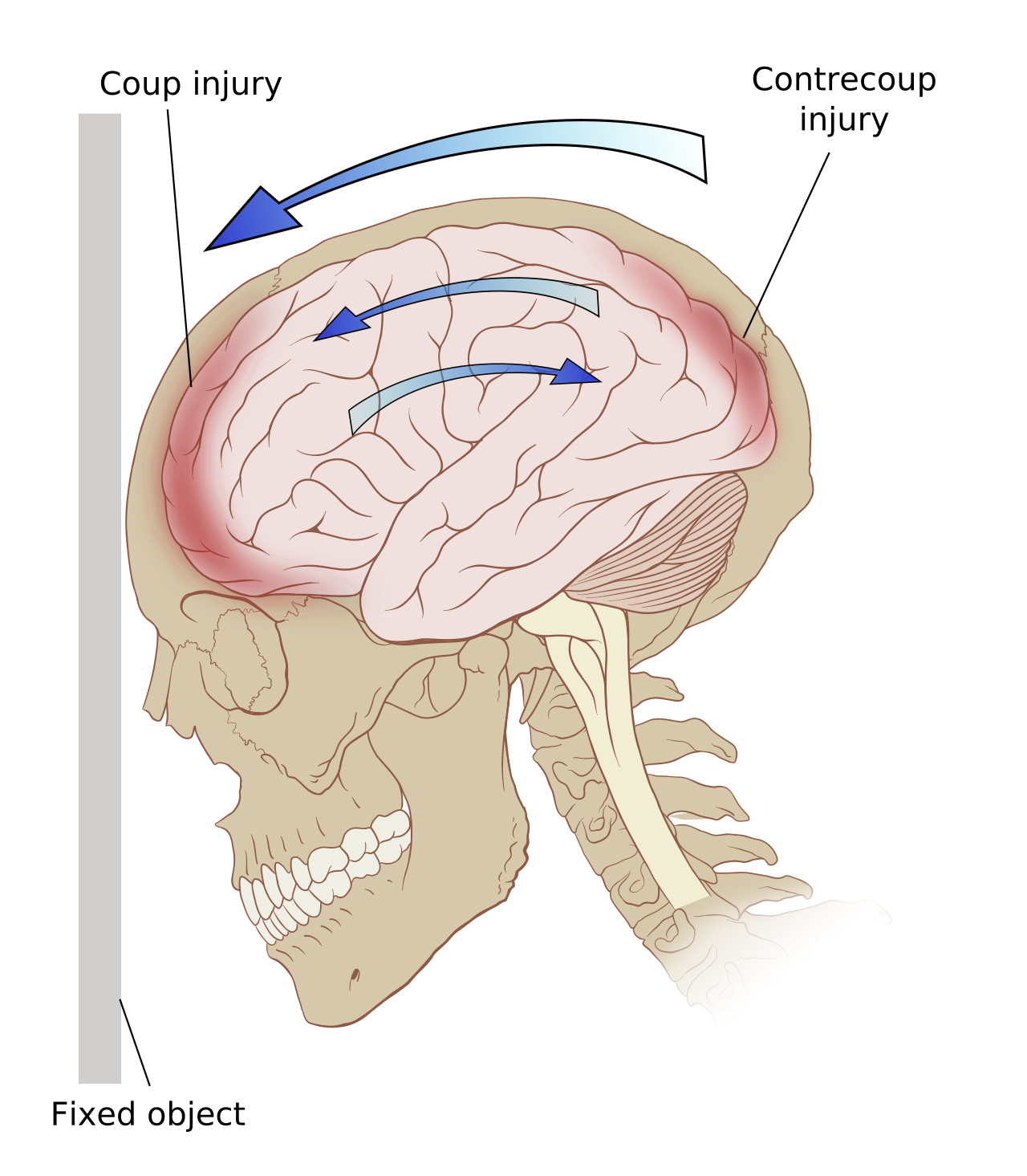
Because it is strictly an acquired injury from an external force, the law draws strict boundaries:
- The federal definition of traumatic brain injury explicitly excludes brain injuries that are congenital or degenerative.
- The federal definition of traumatic brain injury explicitly excludes brain injuries induced by birth trauma. (A brain injury caused by a lack of oxygen during birth would likely be categorized under Orthopedic Impairment, Intellectual Disability, or Multiple Disabilities, depending on the presentation).
When evaluating sensory impairments, federal definitions focus heavily on how the loss of data input alters educational access.
| Disability Category | Key Federal Requirement |
|---|---|
| Visual Impairment including blindness | Covers both partial sight and blindness. Critically, it requires that the impairment adversely affects educational performance even with vision correction. If glasses fix the issue, it is not a qualifying disability. |
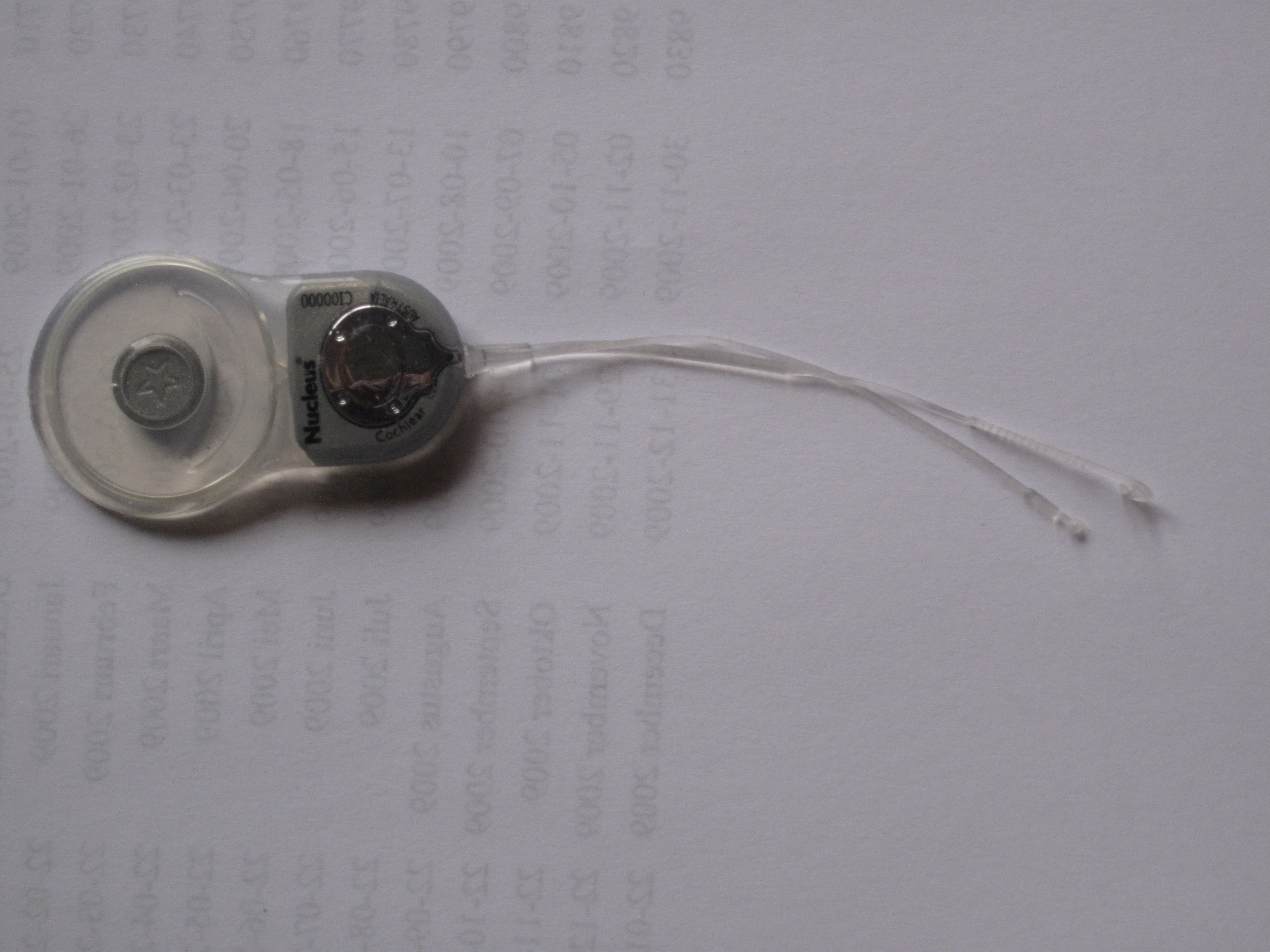
| Deafness | Involves a hearing impairment so severe that the child is impaired in processing linguistic information through hearing. This applies regardless of whether the child uses amplification devices (like hearing aids or cochlear implants). |
| Hearing Impairment | Includes permanent hearing impairments and fluctuating hearing impairments not included under the definition of deafness. This applies to students who have hearing loss that affects their education but are still able to process some linguistic information auditorily. |
The Synergistic Categories: Deaf-Blindness and Multiple Disabilities
Why aren't children who are both deaf and blind simply classified as having "Multiple Disabilities"? Because in human development, losing both primary distance senses creates an effect where 1 + 1 = 10.
The federal definition of deaf-blindness requires a student to have concomitant hearing and visual impairments. The impact of this specific combination is so profound that students with deaf-blindness cannot have their educational needs accommodated in special education programs designed solely for children with deafness or solely for children with blindness. A blind student relies heavily on auditory learning; a deaf student relies heavily on visual learning. A deaf-blind student requires an entirely unique pedagogical approach.
Conversely, the federal definition of multiple disabilities involves concomitant impairments causing severe educational needs that cannot be accommodated in programs solely for one of the impairments. (For example, a student with profound Intellectual Disability and severe Orthopedic Impairments). However, precisely because Deaf-Blindness is so phenomenologically unique, the federal category of multiple disabilities explicitly excludes the condition of deaf-blindness.
As a special educator, you are the bridge between these precise legal definitions and a living, breathing child. You will sit in IEP meetings where parents, doctors, and administrators debate these exact boundaries. By mastering these federal definitions, you ensure that the system works as it was intended: identifying the specific barriers a child faces so that you can systematically dismantle them through specialized instruction.