Federal Requirements for Pre-referral, Referral, and Identification
Not sure you’re ready?
Take the ~3-minute readiness diagnostic and see where you stand.
The transition of a struggling general education student into a student receiving specialized, legally protected education services is not a casual shift in pedagogy; it is a strictly codified legal metamorphosis. As a special educator, you are the architect and the guardian of this process. The legal framework governing pre-referral, referral, and identification—primarily authored by the Individuals with Disabilities Education Act (IDEA)—operates much like a highly sensitive diagnostic machine. It is designed with redundant safety valves and precise thresholds to ensure that we do not mistakenly label a child who merely lacks instruction, nor overlook a child who desperately needs our help. Understanding this architecture is not about memorizing bureaucratic red tape; it is about grasping the fundamental civil rights of the students sitting in your classroom.
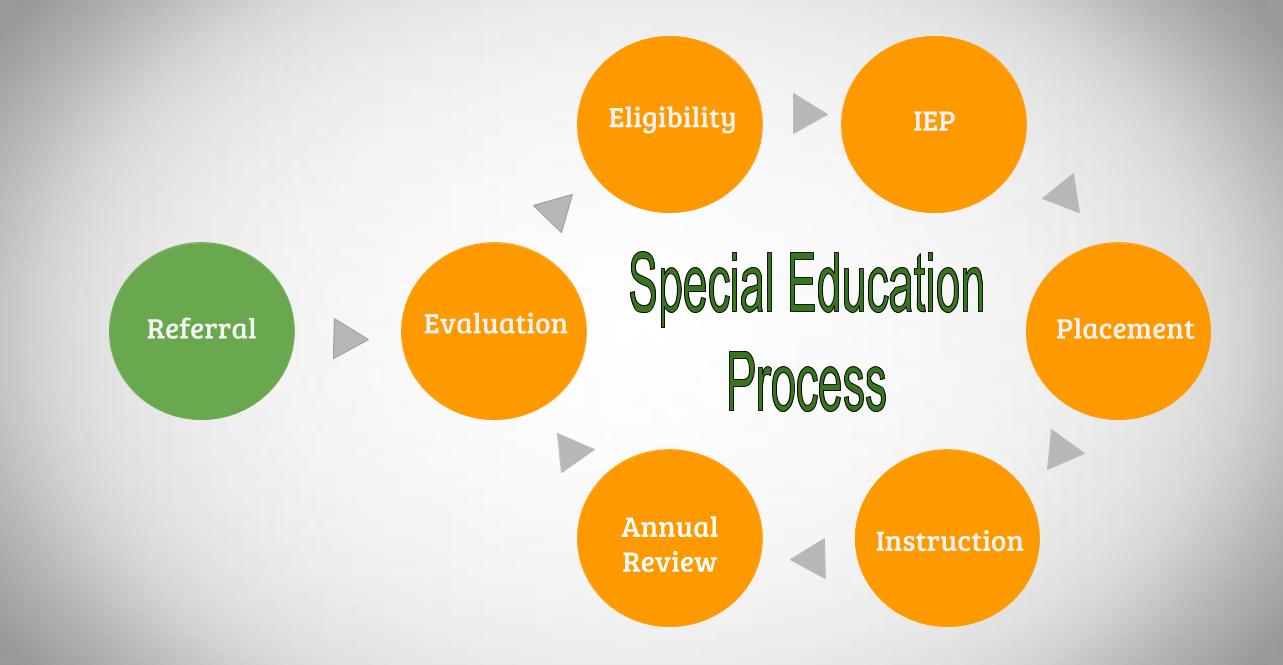
Before we even approach the machinery of special education, we must distinguish between everyday teaching practices and formal legal evaluations. A common point of confusion for new educators is the boundary between checking a student's progress and evaluating them for a disability.
The screening of a student by a teacher to determine appropriate instructional strategies is not considered a formal special education evaluation. When you administer a quick phonics screener or a math fluency check to see where your class stands, you are simply gathering data to teach better. Because this is a standard instructional practice, parental consent is not required before a teacher screens a student to determine appropriate instructional strategies.
We are simply looking at the dials on the dashboard. It is only when the dashboard flashes persistent warning lights that we move into specialized frameworks.
When a student struggles, our first instinct should not be to label the child, but to adjust the environment. The pre-referral intervention process aims to resolve student learning difficulties in the general education classroom before initiating a formal special education referral.
Think of this phase as a preventative medicine protocol. We want to rule out the possibility that the student's struggle is merely a temporary roadblock. To do this systematically, schools employ a Multi-Tiered System of Supports (MTSS). MTSS is a prevention framework used during the pre-referral process to provide targeted academic and behavioral interventions.
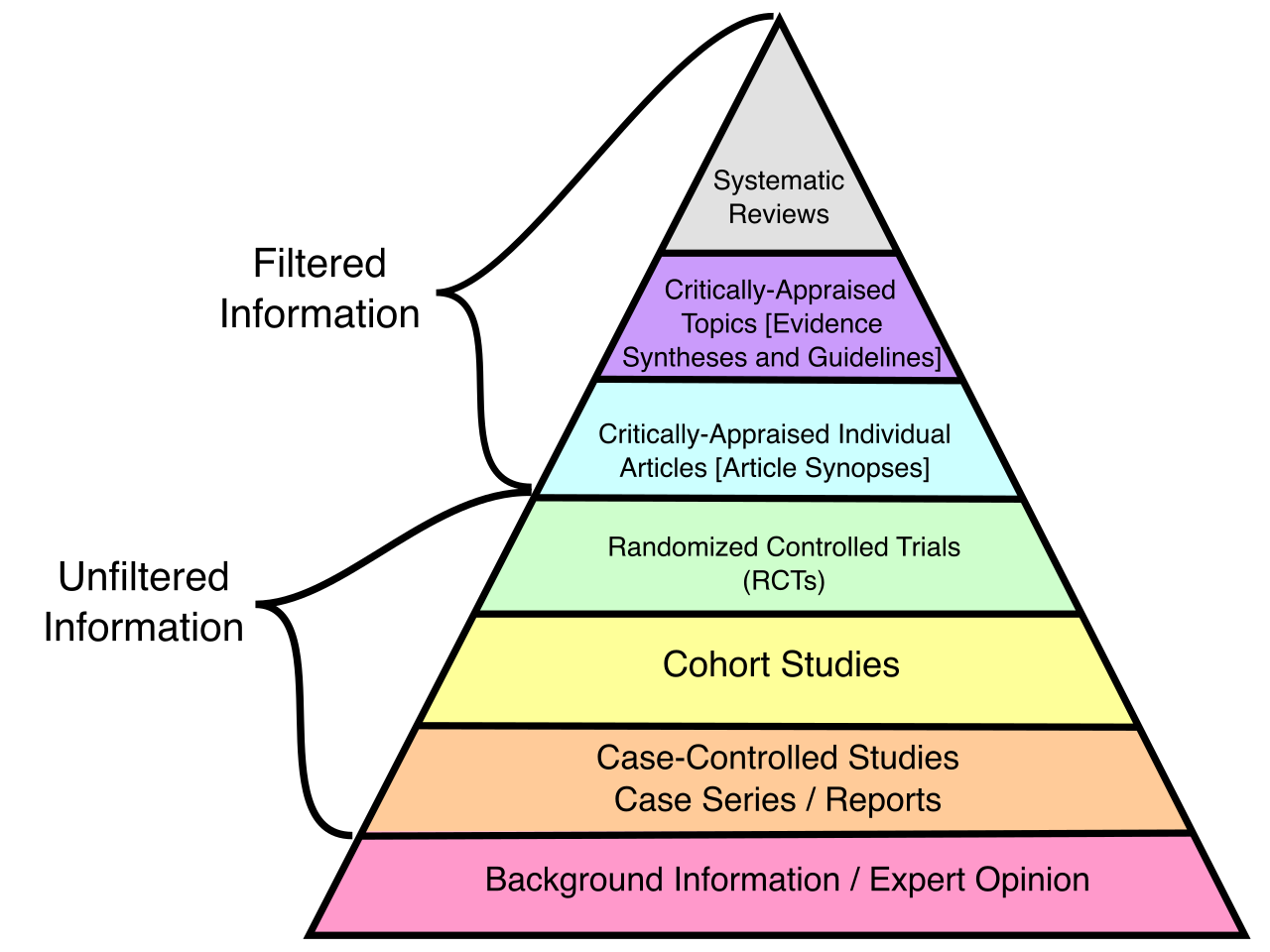
Embedded within MTSS is a more specific mechanism known as Response to Intervention (RTI). RTI is the engine of the pre-referral process. Response to Intervention uses data-based progress monitoring to determine if a student responds to scientific, research-based instruction. We introduce an evidence-based strategy, collect data over a few weeks, and look at the trend line. Are they catching up, or is the gap widening?
To support these proactive measures, federal law provides a financial mechanism. Under the Individuals with Disabilities Education Act, local education agencies may use up to 15 percent of Part B funds for coordinated early intervening services for students not identified as needing special education. This allows schools to fund the reading specialists and behavioral coaches necessary to run MTSS interventions before a special education label is ever considered.
Crucial Legal Caveat: While RTI is incredibly valuable, it can easily be misused as a bureaucratic stalling tactic. The United States Department of Education prohibits school districts from using a Response to Intervention process to delay or deny a parent's request for a special education evaluation. If a parent formally requests an evaluation, the district cannot say, "We have to finish 12 weeks of RTI first." The right to evaluation supersedes the pre-referral timeline.
Special education is not a passive system waiting for parents to knock on the door; it is an active dragnet. The Child Find mandate under the Individuals with Disabilities Education Act requires states to identify, locate, and evaluate all children with disabilities.
This responsibility does not end at the borders of the public school campus. The law explicitly casts a wider net to capture marginalized and elusive student populations. Specifically:
- The Child Find mandate applies to children attending private schools. The public school district is still responsible for identifying and evaluating them, even if the parents pay private tuition.
- The Child Find mandate applies to highly mobile children, including migrant and homeless youth. A lack of a permanent address does not absolve the state of its duty to locate and evaluate children in need.
When pre-referral interventions fail to close the gap, or when a disability is heavily suspected from the start, a formal referral is made. A formal referral for an initial special education evaluation can be initiated by a parent, or it can be initiated by school personnel.
Once a referral is made, the school district cannot simply pull the student out of class and begin running diagnostic psychological batteries. We must cross a critical legal threshold: A public agency must obtain informed written consent from a parent before conducting an initial special education evaluation. "Informed" means the parent knows exactly what tests will be run and why.
The Consent Boundary
You must understand the distinct walls built into the consent process. Parental consent for an initial special education evaluation does not constitute consent for the initial provision of special education services. A parent is perfectly within their rights to say, "Yes, you may test my child to see what is going on, but no, you may not place them in special education."
What happens if a parent flatly refuses to even let the school test a struggling child? If a parent refuses consent for an initial special education evaluation, the public agency may pursue the evaluation using procedural safeguards like due process hearings. The school can legally argue before a hearing officer that the child's right to an appropriate education outweighs the parent's refusal to evaluate.
Once the ink is dry on the consent form, the clock starts ticking. The Individuals with Disabilities Education Act mandates that an initial special education evaluation must be conducted within 60 days of receiving parental consent.
However, life is messy, and the law accounts for this. The 60-day federal timeline for an initial special education evaluation is voided in two specific circumstances:
- If the parent repeatedly fails to produce the child for the evaluation (e.g., chronic absenteeism).
- If the child enrolls in a different school district before the evaluation is completed.
Furthermore, federal law sets the baseline, but states can be more aggressive. Individual states are permitted by the Individuals with Disabilities Education Act to establish their own specific timeframes for completing initial special education evaluations. (For instance, some states require the evaluation to be completed within 45 school days rather than 60 calendar days. Always know your local state regulations).
Rules of Assessment
When evaluating human cognition and behavior, single data points are notoriously unreliable. Therefore, the law dictates strict rules for the evaluation toolkit:
- A special education evaluation must use a variety of assessment tools and strategies to gather relevant functional, developmental, and academic information. We need IQ scores, behavioral observations, parent interviews, and academic achievement data.
- A school district cannot use any single measure or assessment as the sole criterion for determining whether a child has a qualifying disability. You cannot administer one intelligence test, see a low score, and assign a disability label.
- During an initial special education evaluation, the student must be assessed in all areas related to the suspected disability. If you suspect autism, you must assess communication, social skills, and behavior—not just academics.
Historically, special education was plagued by the misidentification of minority students due to biased testing. To combat this, IDEA requires that special education evaluation materials must be selected and administered in a manner that is not discriminatory on a racial or cultural basis. Furthermore, the Individuals with Disabilities Education Act requires assessments to be provided and administered in the child's native language or primary mode of communication. You cannot claim a student has a cognitive deficit if they merely failed an English-language test while being fluent in Spanish.
Once the data is gathered, a team of qualified professionals and the parent determines whether a child is eligible for special education services.
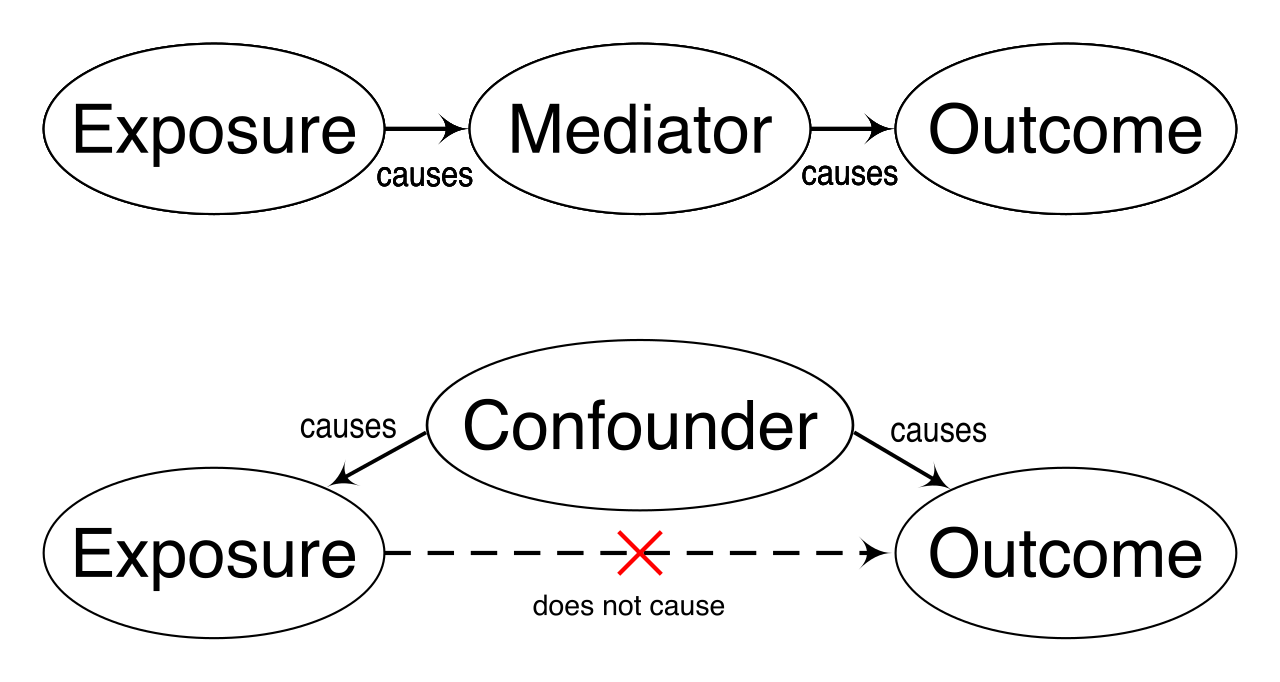
This team must act like scientists ruling out confounding variables before making a diagnosis. The law explicitly forbids assigning a disability label if the real issue is environmental. Therefore:
- A child cannot be determined eligible for special education if the primary determinant factor is a lack of appropriate instruction in reading.
- A child cannot be determined eligible for special education if the primary determinant factor is a lack of appropriate instruction in mathematics.
- A child cannot be determined eligible for special education if the primary determinant factor is limited English proficiency.
If those environmental factors are ruled out, the student must pass through three distinct gates—often called the "Three Prongs of Eligibility"—to receive services:
- The Diagnostic Prong: To be eligible for special education under federal law, a student must meet the diagnostic criteria for at least one of the thirteen recognized disability categories (e.g., Specific Learning Disability, Autism, Emotional Disturbance).
- The Adverse Effect Prong: Having a medical diagnosis is not enough. To qualify for special education services, a student's disability must adversely affect their educational performance. A student might have mild cerebral palsy, but if they are accessing the general curriculum successfully and getting A's, they do not need an IEP (though they may qualify for a 504 plan for physical accommodations).
- The Specialized Instruction Prong: To qualify for special education services, a student must require specialized instruction and related services as a direct result of their disability.
Once this determination is made, the process demands transparency. A public agency must provide a copy of the evaluation report and the documentation of determination of eligibility to the parent at no cost.
Special education is not a life sentence; it is a fluid response to a child's changing needs. Students grow, develop, and sometimes overcome their deficits.
To ensure students aren't languishing in inappropriate placements, a formal reevaluation of a student with a disability must occur at least once every three years. This is commonly known as the "triennial review." However, if both the school and the parents look at the data and agree the student's needs haven't drastically changed, the triennial special education reevaluation requirement can be waived through a mutual written agreement between the parent and the public agency.
Conversely, we do not want a scenario where a child is subjected to exhausting psychological testing every few months. Thus, a formal special education reevaluation cannot occur more than once a year unless the parent and the public agency explicitly agree otherwise.
The Power of Revocation
Finally, we must address the ultimate power of the parent in this process. Parents retain the right to withdraw their child from special education.
A parent may revoke consent for the continued provision of special education and related services at any time in writing.
Notice how the school's legal recourse changes between the initial evaluation phase and the ongoing services phase. This is a critical distinction for your exam:
| Action | School's Legal Recourse |
|---|---|
| Parent Refuses Initial Evaluation | School may use due process procedures to pursue the evaluation to fulfill Child Find obligations. |
| Parent Revokes Consent for Ongoing Services | If a parent revokes consent for special education services, the school district may not use due process procedures to challenge the revocation. |
If the parent revokes consent in writing, the school simply provides a Prior Written Notice explaining that services will cease, and the student returns to general education status. The legal machinery shuts down, yielding entirely to parental authority.
By internalizing this framework, you move beyond seeing IDEA as a list of compliance tasks. You begin to see it as a structural engineering code designed to bear the load of a child's educational future—protecting them from bias, ensuring their needs are deeply understood, and guaranteeing that the services they receive are undeniably necessary.