Roles and Responsibilities of Other Professionals
Not sure you’re ready?
Take the ~3-minute readiness diagnostic and see where you stand.
Imagine the Individualized Education Program (IEP) not as a simple contract, but as the blueprint for a highly specialized, multi-stage engineering project. A master architect cannot pour the concrete, wire the electrical grid, and install the plumbing simultaneously. Instead, the architect understands the entire vision and coordinates with specialists—structural engineers, electricians, and interior designers—to build a stable, functional structure. In the context of a school, the special education student is at the center of a similarly complex, highly regulated ecosystem. To provide a Free Appropriate Public Education (FAPE), a special education teacher does not act as an isolated tutor. They act as the primary case manager, coordinating a multidisciplinary team. Understanding the precise legal and functional roles of every individual on this team is not just about passing an exam; it is the fundamental mechanism by which a child’s educational rights are realized in practice.
Before we examine the other professionals in the room, we must establish your position. As a special educator, you are the focal point of a student’s intervention. Specifically, the special education teacher serves as the primary case manager responsible for ensuring all related services are delivered as specified in the Individualized Education Program.
You are the one looking at the entire board. When a student receives speech therapy, occupational therapy, and general education instruction, you must ensure these pieces do not exist in silos. Special education teachers coordinate with related service providers to ensure therapeutic strategies are implemented across different school settings. If a student learns a self-regulation technique with a behavioral specialist, it is your job to ensure that technique is applied seamlessly when the student is in math class or the cafeteria.
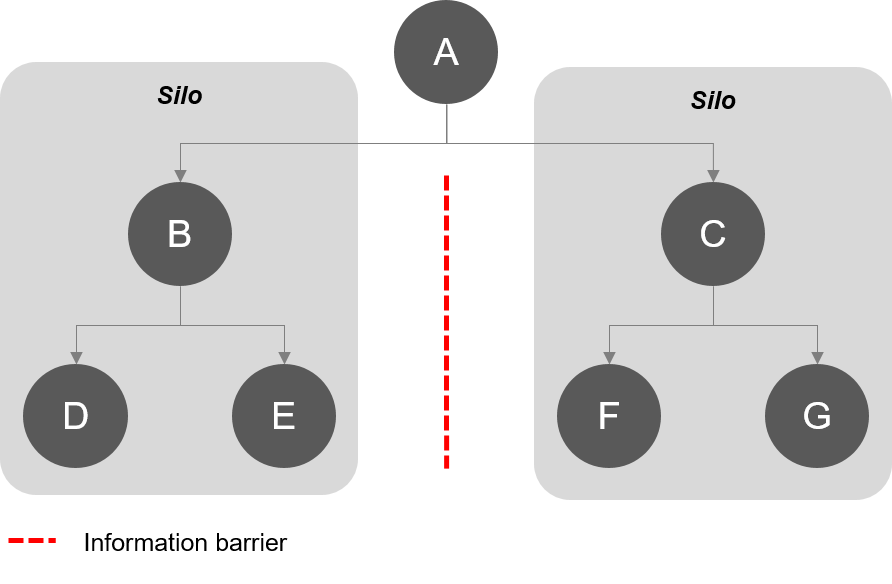
Historically, special education was a place—a separate room down the hall. Today, special education is a service brought to the student, most often within the inclusive environment.
Because of this, the Individuals with Disabilities Education Act (IDEA) mandates the inclusion of a general education teacher on an Individualized Education Program team if the student participates in the general education environment. They are not there merely to fill a seat; they bring an indispensable perspective.
During an IEP meeting, general education teachers provide expertise on the general education curriculum. You, the special educator, are the expert on the disability and the interventions; the general educator is the expert on the pacing, standards, and content of the grade level.
Once the IEP is signed, the general educator's role transitions from planning to active implementation. It is a shared ecosystem.
- General education teachers are responsible for implementing Individualized Education Program accommodations within the general education classroom (e.g., providing preferential seating or allowing extended time on a history exam).
- Furthermore, general educators share the responsibility of modifying instructional materials as specified in a student's Individualized Education Program. You do not have to adapt every worksheet in isolation; you collaborate with the general educator to ensure the curriculum is accessible.
If the IEP team is the architectural firm, the paraprofessional is the skilled technician executing the daily, granular steps of the blueprint. The relationship between the special educator and the paraprofessional is highly regulated, and understanding these boundaries is critical for your exam and your career.
Legal Boundary: Paraprofessionals are not autonomous teachers. By law, paraprofessionals must work under the direct supervision of a highly qualified or certified teacher.
To understand how to manage paraprofessionals effectively, you must strictly differentiate between what they can do and what they cannot do.
What Paraprofessionals Are Legally Prohibited From Doing
Aides and paraprofessionals cannot make instructional or programmatic decisions.
- Paraprofessionals are legally prohibited from designing original instruction for students with disabilities. They cannot look at a student who is struggling with fractions and decide to teach a new conceptual method.
- Paraprofessionals are legally prohibited from writing Individualized Education Program goals. Goal writing requires diagnostic interpretation and specialized training reserved for the certified teacher.
What Paraprofessionals Do (And Your Role in Directing Them)
The work of a paraprofessional is driven entirely by your planning. Special education teachers are responsible for planning the specific instructional duties performed by paraprofessionals. You are the one designing the lesson; they are the ones helping to facilitate it.
To ensure this relationship works:
- Special education teachers must provide clear written directions to paraprofessionals regarding instructional tasks. You cannot simply say, "Go help Sarah with reading." You must provide a specific, scripted intervention protocol.
- The special education teacher is responsible for providing initial training to paraprofessionals regarding specific student accommodations. If a student requires a specialized visual schedule, you must train the paraprofessional on exactly how to use it.
- Special education teachers must monitor the paraprofessional's implementation of behavior intervention plans. You cannot hand over a behavior plan and walk away; you must ensure the paraprofessional is applying reinforcements and consequences accurately.
- Special education teachers are responsible for evaluating the effectiveness of the interventions implemented by paraprofessionals. You analyze the data to see if the paraprofessional's delivery of your planned instruction is actually working.
The Paraprofessional as Your "Eyes and Ears"
One of the most valuable roles a paraprofessional plays is data collector. While they do not interpret the data to design programs, they are vital for gathering it.
- Paraprofessionals assist teachers by collecting observational data on student academic progress (e.g., tallying how many sight words a student read correctly during a drill).
- Paraprofessionals assist teachers by collecting observational data on student behavior (e.g., tracking the frequency and duration of a student's off-task behaviors using a chart you designed).
As we build the intervention structure, we rely on professionals with highly specific clinical expertise. Related services are supportive services required to assist a child with a disability to benefit from special education. Without these services, the child cannot access their education.
It is vital to understand that these therapies in a school setting are not identical to therapies in a hospital. Related service providers integrate their specific therapeutic goals into the broader educational goals of the student's Individualized Education Program. A school speech therapist isn't just trying to improve articulation in a vacuum; they are improving articulation so the student can participate in classroom discussions.
Let us dissect these roles by their distinct domains.
1. Communication and Swallowing
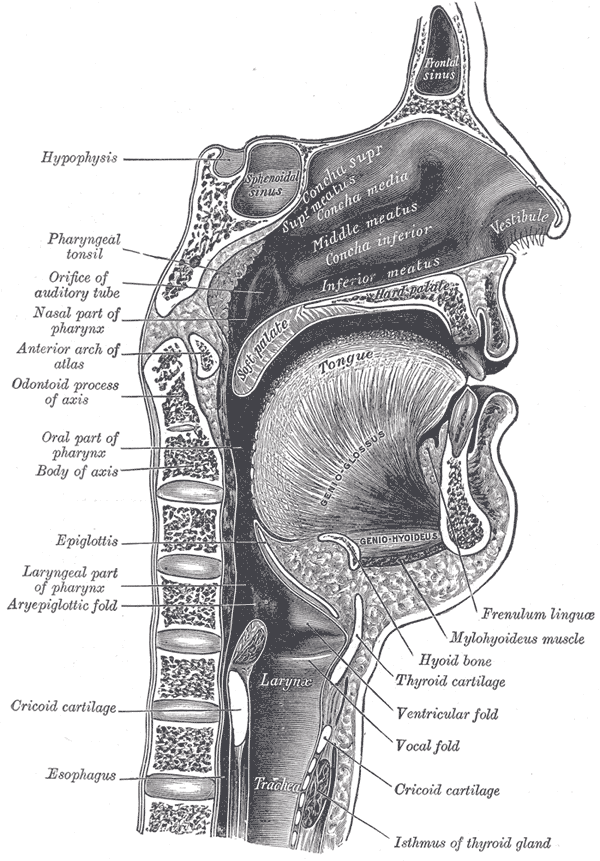
The Speech-Language Pathologist (SLP) deals with the mechanics and processing of language and the physical structures of the mouth.
- Speech-Language Pathologists assess students with expressive communication disorders. (How a student outputs language, such as speaking or writing).
- Speech-Language Pathologists assess students with receptive communication disorders. (How a student inputs and processes language, such as following verbal directions).
- Crucial Detail: Speech-Language Pathologists provide interventions for student swallowing disorders (dysphagia). Because swallowing uses the same anatomical structures as speech, the SLP ensures students can safely eat lunch at school.
2. Motor Skills, Sensory Processing, and Mobility
Aspiring teachers frequently confuse Occupational Therapists (OTs) and Physical Therapists (PTs). Think of it this way: PTs get the student to the classroom; OTs help the student do the work once they are there.
| Professional | Primary Focus | Specific Educational Applications |
|---|---|---|
| Physical Therapist (PT) | Large muscle groups, overall movement. Physical Therapists focus on improving a student's gross motor skills. | Physical Therapists assess physical mobility within the school environment (e.g., navigating crowded hallways) and provide interventions to improve a student's physical access to educational facilities (e.g., adapting wheelchairs for ramps and stairs). |
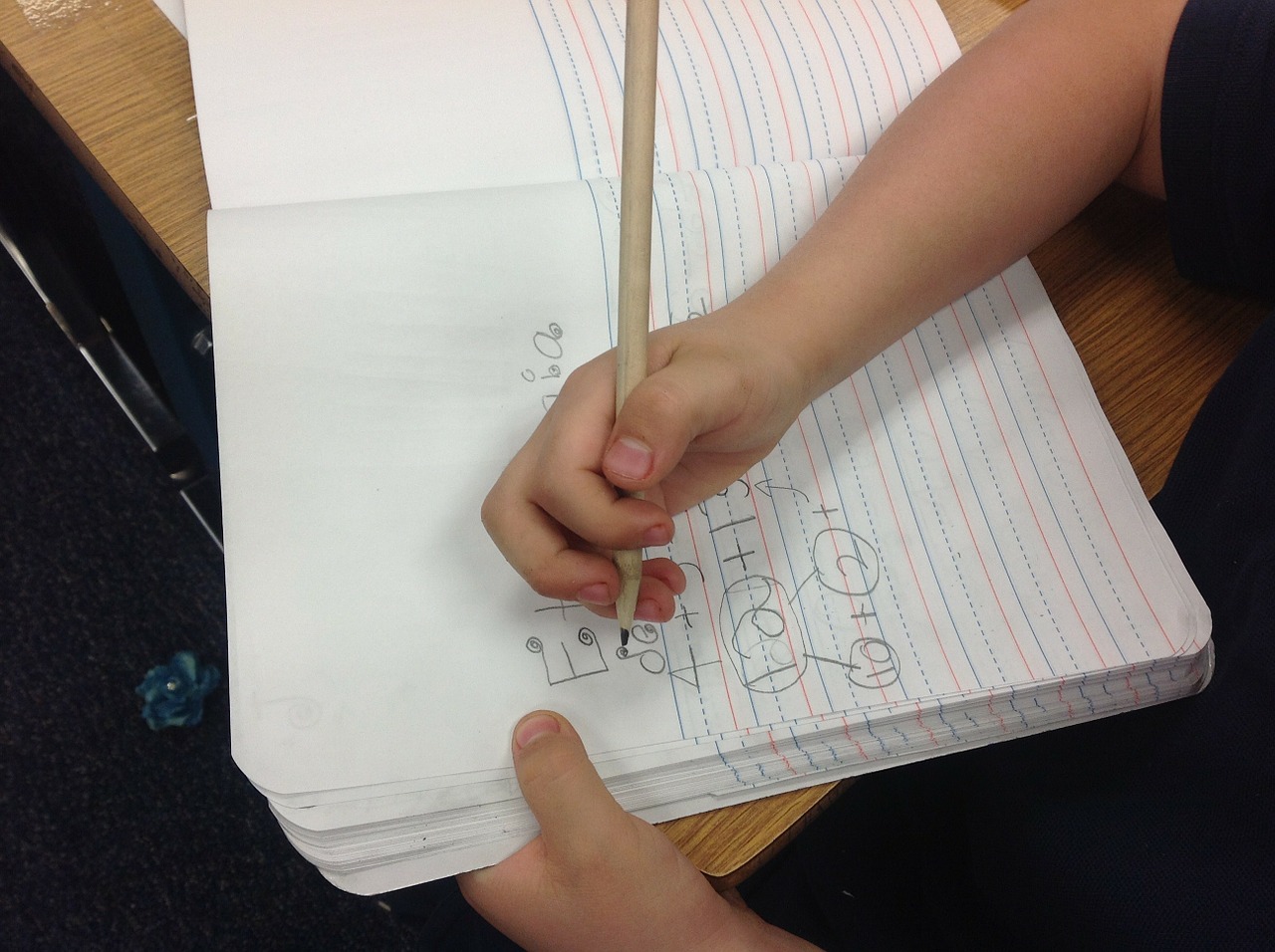
| Occupational Therapist (OT) | Small muscle groups, sensory input, daily routines. Occupational Therapists focus on improving a student's fine motor skills to enhance participation in school activities. | Occupational Therapists provide interventions to support a student's sensory processing needs within the educational environment. They also assist students in developing independence in activities of daily living (ADLs, like zipping a jacket, holding a pencil, or using scissors). |
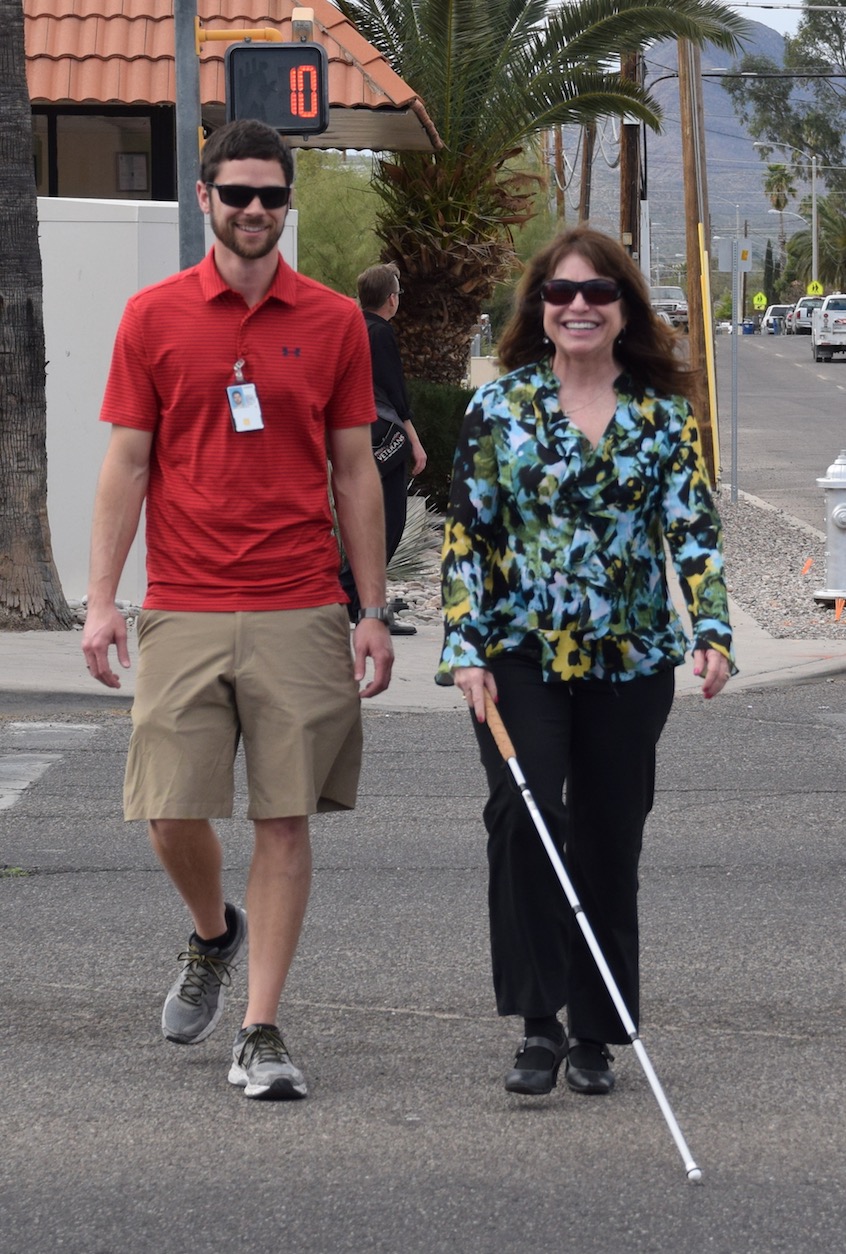
When a student has visual impairments, a specialized provider steps in for mobility: Orientation and Mobility (O&M) Specialists teach students with visual impairments how to navigate educational environments safely. Using canes or learning the tactile layout of a school building falls squarely under their purview.
3. Evaluation, Mental Health, and Behavior
To legally qualify for special education, a student must be evaluated. To support their emotional and behavioral needs, we rely on a trio of specialized professionals.
The School Psychologist: The master of cognitive data.
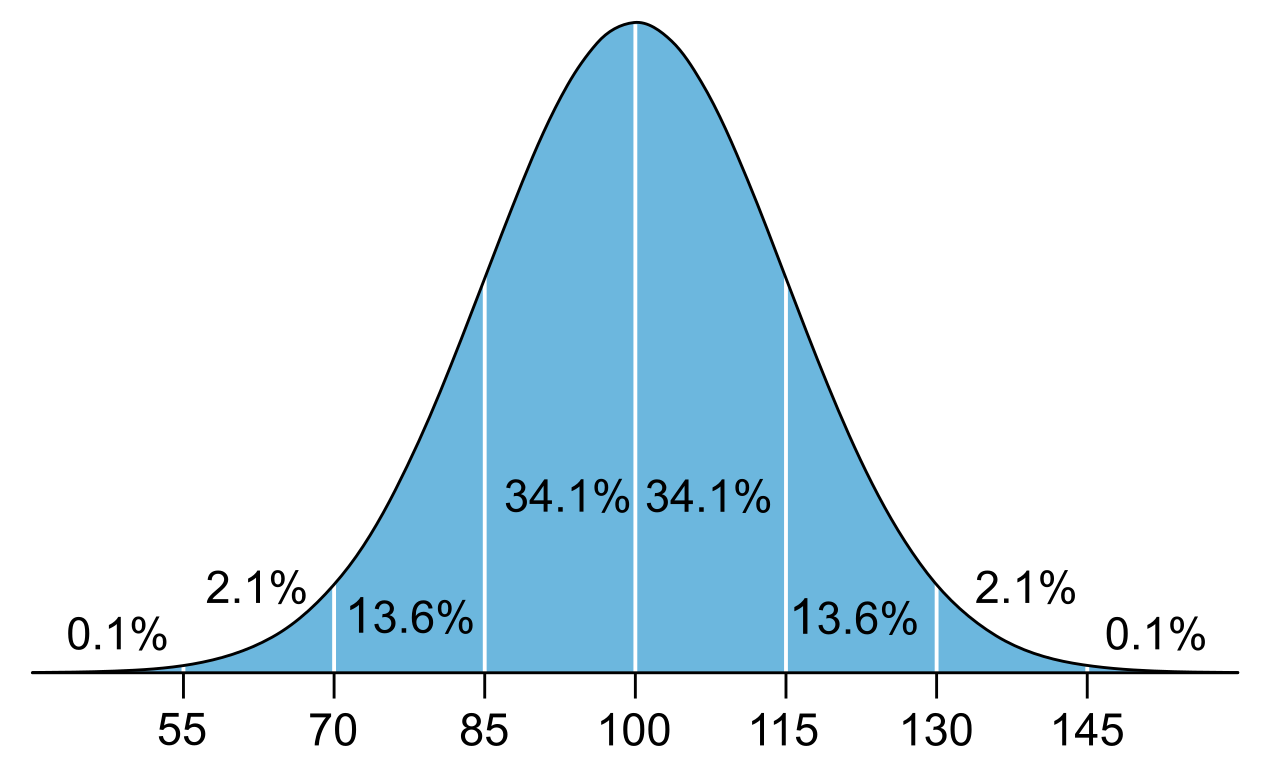
- School Psychologists conduct standardized psychoeducational assessments to determine special education eligibility. They administer IQ tests and academic achievement batteries.
- Because these tests yield complex statistical data, School Psychologists interpret cognitive assessment results for the Individualized Education Program team, translating raw scores into practical insights about how a child's brain learns.
The School Social Worker: The bridge to the outside world.
- School Social Workers conduct developmental histories for student special education evaluations. They interview parents to understand the child's early milestones and home environment.
- Furthermore, School Social Workers facilitate communication between the school and outside community agencies, ensuring families have access to housing, food, or external psychiatric support.
The Board Certified Behavior Analyst (BCBA): The architect of behavioral change.
- When a student exhibits severe disruptive actions, Board Certified Behavior Analysts conduct Functional Behavior Assessments (FBAs) for students exhibiting challenging behaviors. They determine the why (the function) behind the behavior.
- Armed with this data, Board Certified Behavior Analysts collaborate with the Individualized Education Program team to design Behavior Intervention Plans (BIPs), laying out the exact reinforcement strategies the team will use.
4. Medical and Auditory Access
If a child cannot physically exist safely in a school, or cannot hear the instruction, learning cannot occur.
The School Nurse:
- School Nurses develop Individualized Healthcare Plans (IHPs) for students with medical needs (e.g., a student with severe epilepsy or type 1 diabetes).
- During IEP meetings, School Nurses provide expertise to the Individualized Education Program team regarding the educational impact of a student's medical condition. They explain how a medication might cause drowsiness that affects morning reading blocks.
The Audiologist:
- Audiologists identify students with hearing loss.
- Beyond diagnosis, Audiologists manage hearing assistive technology used in the classroom. If a student uses an FM system (where the teacher wears a microphone that transmits directly to the student's hearing aids), the audiologist ensures the equipment is calibrated and functioning.
Special education is not a permanent holding pattern; it is preparation for life. Under IDEA, transition planning must begin by age 16 (or younger, depending on the state). This is where the Transition Specialist enters the ecosystem.
Their entire role is forward-looking. They answer the question: What happens the day after this student graduates?
- Transition specialists assist students with disabilities in preparing for post-secondary education. This includes helping students navigate college disability support offices and standardized testing accommodations.
- Transition specialists assist students with disabilities in preparing for employment after high school. They might connect a student with vocational rehabilitation programs, arrange job shadowing, or teach interview skills.
- Transition specialists assist students with disabilities in preparing for independent living after high school. For students with more significant support needs, this means teaching skills like budgeting, using public transportation, or navigating community resources.
When you sit for your exam, you will be presented with scenarios. A student is struggling to hold a pencil (OT). A student cannot safely swallow their lunch (SLP). A paraprofessional wants to write a reading goal (Illegal—must be the SPED teacher). A student needs an FM system checked (Audiologist).
The throughline is always collaboration. The general educator brings the curriculum; the specialists bring the clinical interventions; the paraprofessionals provide the vital, supervised support. But it is the special education teacher—you—who acts as the case manager, weaving these distinct threads into a single, cohesive educational program that gives a child the tools they need to succeed in the world.