Roles and Responsibilities of the Special Education Teacher
Not sure you’re ready?
Take the ~3-minute readiness diagnostic and see where you stand.
To engineer a resilient bridge, one must understand both the physical properties of the materials and the rigid legal codes governing public safety. The architecture of special education requires an identical duality. A special education teacher is not merely an instructional guide; they are the architect of a student’s cognitive and legal environment. You must synthesize rigorous pedagogical science with unwavering ethical standards, all while navigating a complex framework of civil rights law. If you fail to write a measurable goal, the student’s progress stalls; if you fail to protect their privacy, the legal foundation collapses.
Before we examine the tactical day-to-day operations of an individualized program, we must establish the ethical bedrock upon which our profession rests. You are not improvising; your actions are guided by codified, professional standards. The Council for Exceptional Children publishes the primary ethical guidelines for special education professionals.
These guidelines are not suggestions; they are the governing physics of your practice. The Council for Exceptional Children ethical principles require educators to maintain a high level of professional competence. In a practical sense, this means special education teachers must practice strictly within their professional limits of competence. If a student requires complex speech-language therapy and you are not a licensed SLP, you do not attempt to provide that therapy. You advocate for the correct specialist.
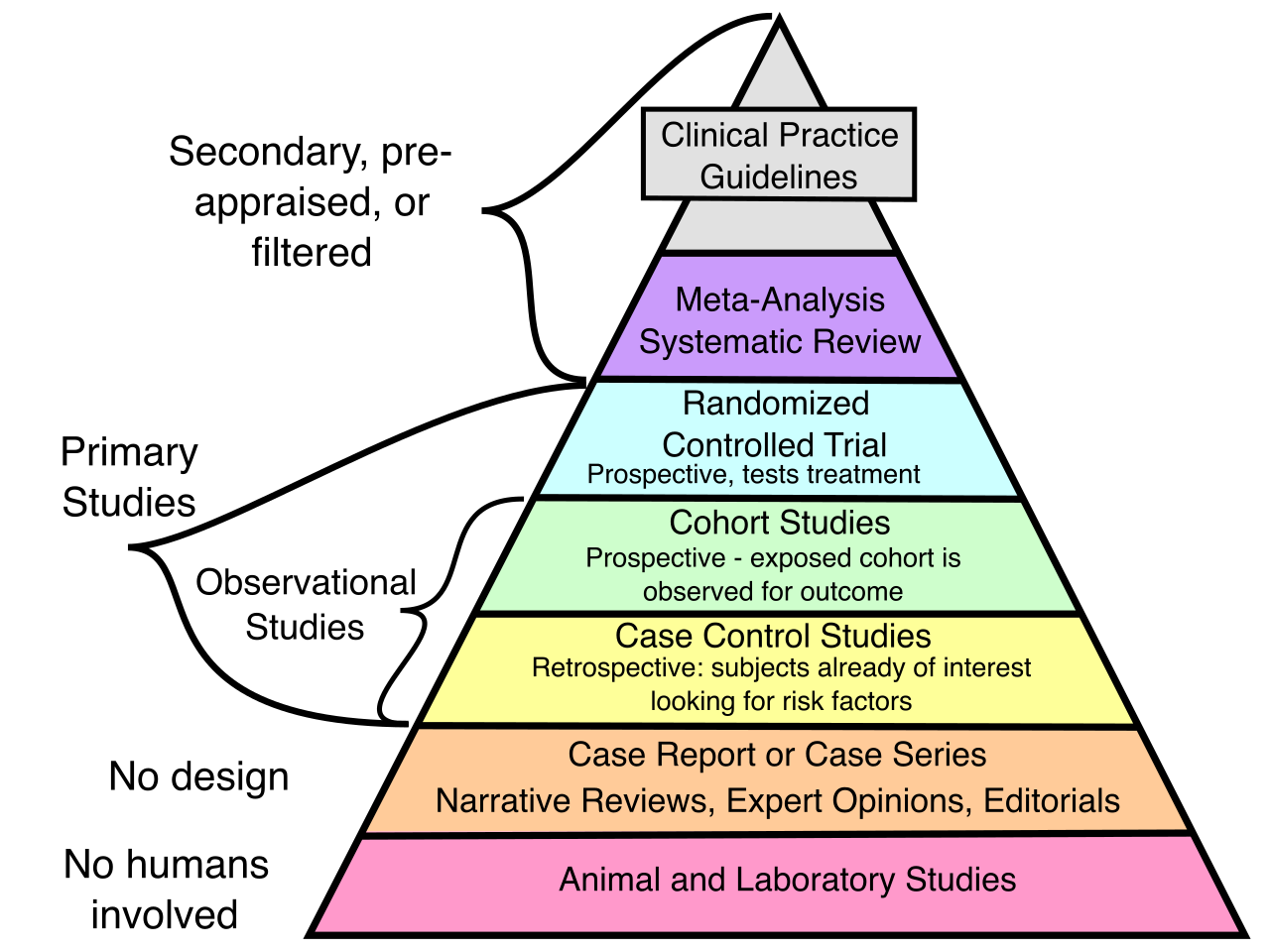
Because the landscape of cognitive science and pedagogy is entirely dynamic, yesterday’s breakthrough is often today’s baseline. Therefore, special educators must engage in continuous professional development to maintain current knowledge of evidence-based practices. Why? Because evidence-based practices form the foundation of instructional decision-making in special education. We do not rely on educational fads or intuition; we rely on empirically validated methods to construct learning environments.
Advocacy and Safety as Daily Practice
Your obligations extend far beyond the parameters of a lesson plan. As a special educator, you operate as a shield against systemic inequities and immediate harm.
The Dual Mandate of Safety Special education teachers must protect the physical safety of individuals with exceptionalities. A classroom must be physically navigable and secure. But equally vital—and often more vulnerable—is the mind. Special education teachers must protect the psychological safety of individuals with exceptionalities.
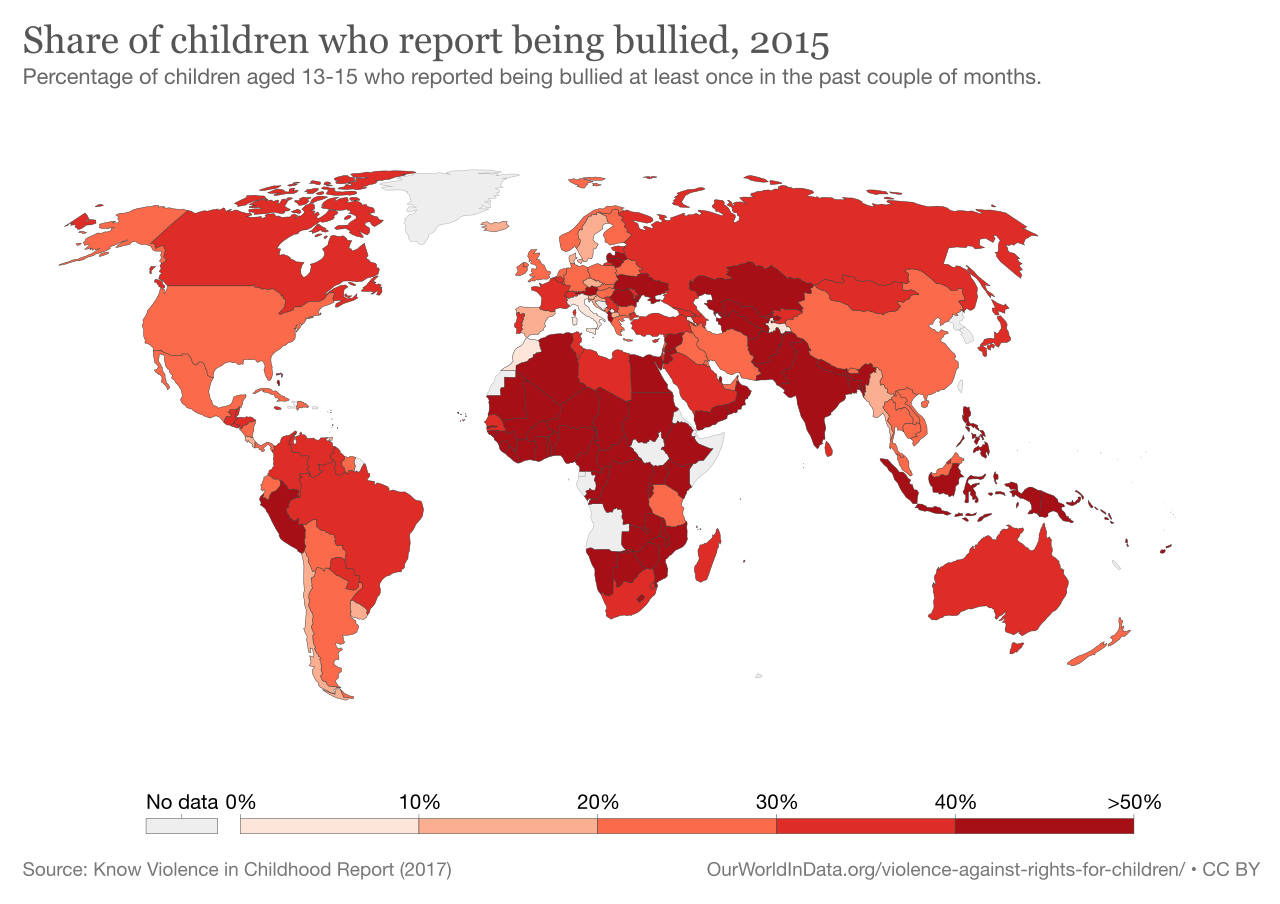
Psychological safety means a student is free from bullying, chronic anxiety, and instructional humiliation. Sometimes, the threat to this safety comes from within the system. It is a harsh reality of the profession, but special educators must intervene if a colleague creates an unsafe environment for a student with a disability. If a general education teacher improperly uses a punitive measure or isolates a student for a manifestation of their disability, you have an ethical mandate to step in.
Beyond the immediate classroom, you must leverage your voice systemically:
- Special educators must challenge negative stereotypes about individuals with disabilities wherever they manifest—in the staff lounge, in curriculum materials, or in the community.
- Special education teachers must advocate for adequate resources to support student learning. If your students lack assistive technology, your silence is complicity.
- Special education teachers must advocate for professional conditions that improve learning outcomes. A staggering caseload that prevents you from legally fulfilling IEP minutes is a professional condition you must challenge.
Information is power, and in special education, information is legally protected territory. The data you handle—medical diagnoses, cognitive evaluations, behavioral incident reports—is highly sensitive.
The Family Educational Rights and Privacy Act mandates the strict confidentiality of student educational records. Therefore, special educators must not disclose protected student information without authorized consent. You cannot casually discuss a student’s diagnostic profile with a colleague in the hallway or leave an open IEP document on your desk.
However, confidentiality has a hard limit when a child's fundamental well-being is threatened. Special educators are legally mandated reporters required to notify appropriate authorities regarding any suspected child abuse. If you suspect a child is being harmed, your duty to report overrides all internal school protocols. You do not investigate; you report.
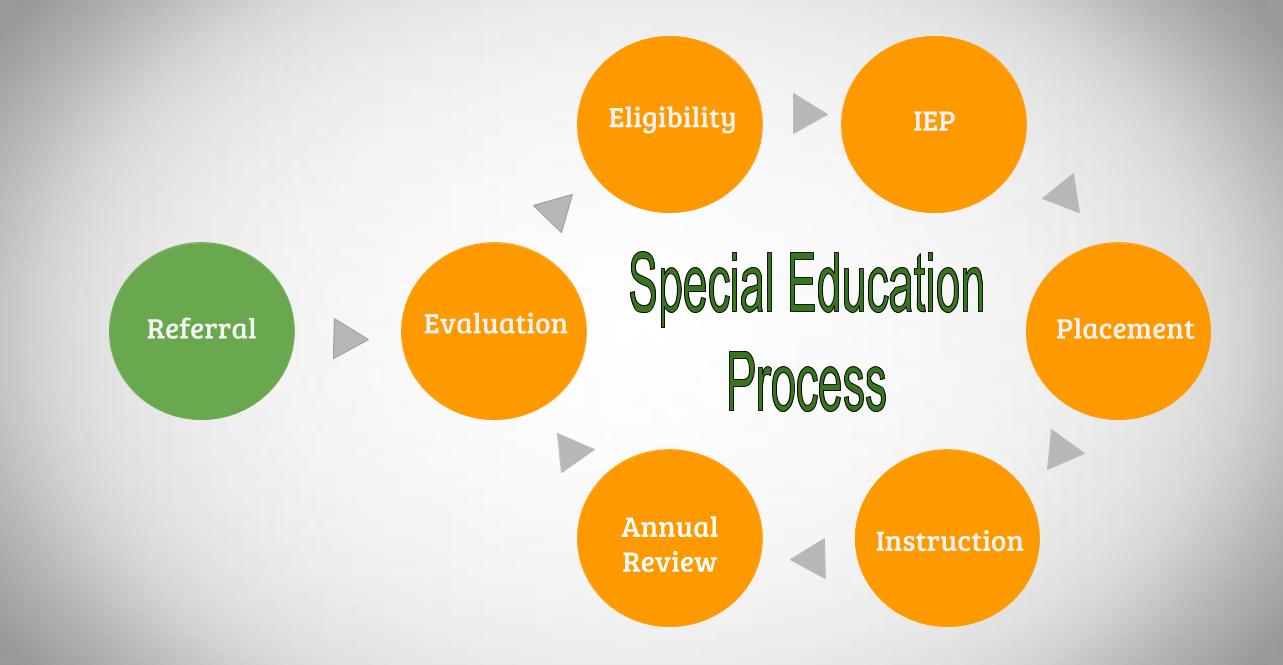
To understand your daily operational reality, you must understand case management. Special education teachers act as case managers for students on their assigned caseloads. You are the central node in a complex network of general educators, related service providers, and administrators.
The Case Manager's Core Directives
- Facilitation: Case management duties include scheduling Individualized Education Program meetings within strict legal timelines.
- Execution: Case management duties include ensuring all required special education services are delivered to the student. If a student is owed 30 minutes of occupational therapy a week, the case manager tracks that it happens.
- Documentation: Special education teachers must maintain accurate documentation of all specialized instruction provided to a student. In special education law, if it is not documented, it did not happen.
The Individualized Education Program (IEP) is the legal blueprint for a student's education. Within this blueprint, special educators must write measurable annual goals for Individualized Education Programs. You cannot write "The student will improve reading." That is a wish, not a goal. You write: "Given a 4th-grade level text, the student will read 90 words per minute with 95% accuracy in 4 out of 5 trials."
Once the blueprint is drawn, you build it. Special educators must implement the specific accommodations outlined in a student's Individualized Education Program. But how do you know if the structure is holding weight? Special educators must collect objective data to monitor student progress toward Individualized Education Program goals. Data collection is the compass that prevents instructional drift.
Special education is not a silo; it is an integrated system. Before a student even receives an IEP, special educators participate in multi-tiered systems of support teams to help identify students needing specialized interventions. We apply proactive, data-driven interventions to separate true disabilities from mere gaps in prior instruction.
Once a student is identified, your role shifts to collaborative access. Special educators must collaborate with general educators to ensure students with disabilities access the general education curriculum. The general educator is the subject-matter expert; you are the access expert.
- A special education teacher is responsible for adapting general education curriculum materials to meet individualized student needs.
- A special education teacher is responsible for modifying assessments to accommodate student disabilities.
Supervising Paraeducators
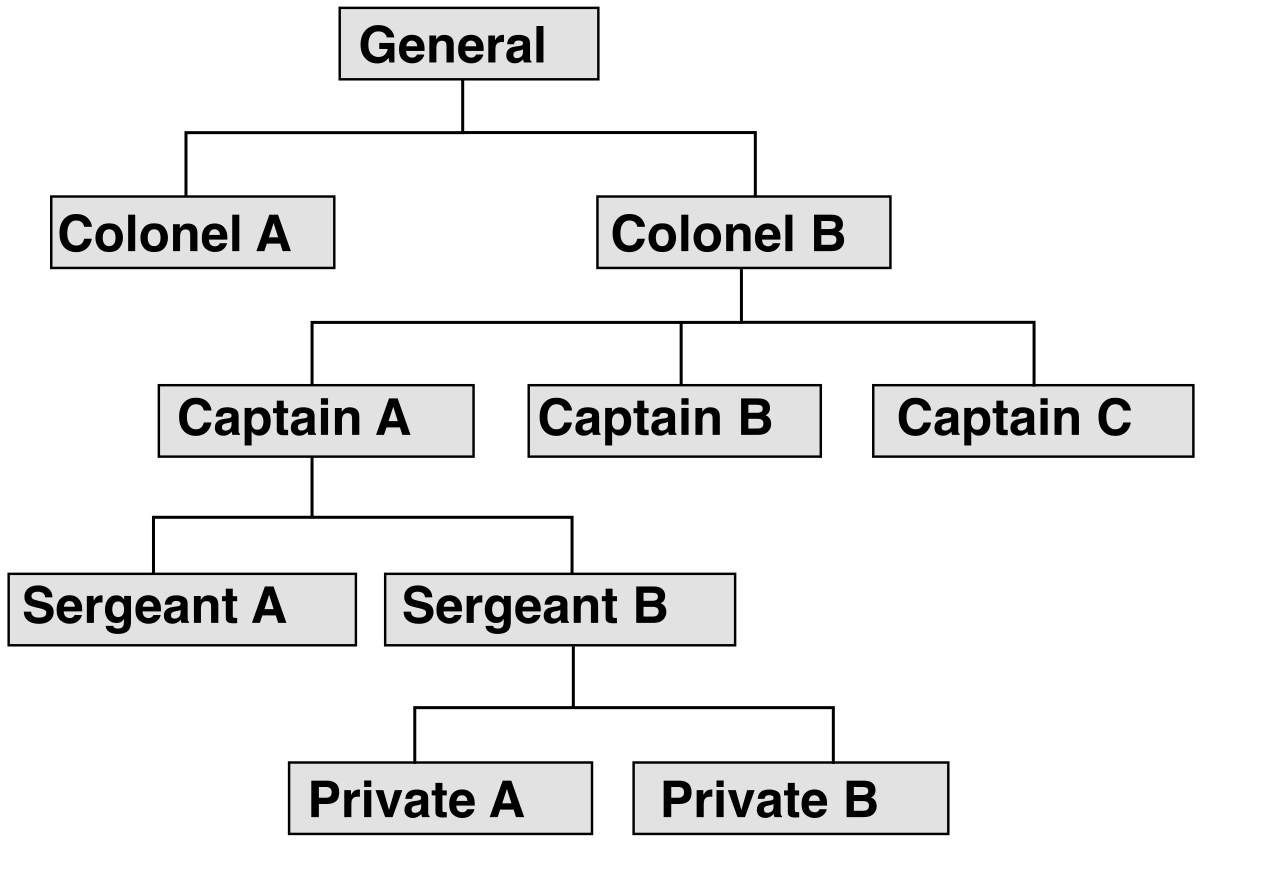
You will often direct the actions of paraprofessionals. Understand the hierarchy and liability here: paraeducators assist with instruction and behavioral support under the direct supervision of a licensed special education teacher.
| Role | Primary Operational Duty | Autonomy Level |
|---|---|---|
| Special Educator | Designs instruction, writes IEPs, analyzes data | Independent / Supervisory |
| Paraeducator | Implements designed support, tracks observed behaviors | Direct Supervision |
Because the legal responsibility rests on your license, special education teachers must supervise paraeducators working with students with disabilities. This requires you to be an explicit manager. Special education teachers must provide clear instructional guidance to assigned paraeducators. Do not assume a paraeducator knows how to execute a complex token economy behavior plan; you must teach them how to do it.
Cognitive variance is only one dimension of the students you serve. Culturally responsive teaching is an ethical obligation for special educators to support learners from diverse backgrounds. A behavior that seems "non-compliant" in one cultural context may be a sign of deep respect in another.
When evaluating students, this cultural awareness must be mathematically precise: special educators must ensure that assessment tools are culturally and linguistically unbiased. Evaluating a student's intelligence using a test loaded with regional idioms they have never encountered is scientifically invalid and ethically bankrupt.
Furthermore, we must look to the horizon. Education is not a holding pattern; it is a trajectory toward adulthood. Transition planning responsibilities require special educators to help older students prepare for post-secondary education and employment. Whether the goal is university, vocational training, or supported community living, the IEP must strategically reverse-engineer the skills required for that specific post-secondary outcome.
The school-to-home dynamic is a vital component of student success. Special educators serve as a primary point of contact between the school and the families of students with disabilities. Consequently, special educators must communicate effectively with families to build active partnerships in the educational process.
This partnership is undergirded by the law. Special education teachers must inform parents of their procedural safeguards under the Individuals with Disabilities Education Act. Parents must understand their right to independent evaluations, dispute resolution, and IEP participation. In fact, to begin the special education process, you cannot rely on a casual agreement: special education teachers must secure explicit parental consent before conducting any initial special education evaluations.
Ultimately, all of these duties—the legal compliance, the rigorous data collection, the ethical advocacy—serve a unified macro-objective.
Special educators must promote the meaningful and inclusive participation of individuals with exceptionalities in their schools. But our vision does not stop at the edge of the schoolyard. True success in our profession is realized when special educators promote the inclusive participation of individuals with exceptionalities in their surrounding communities. We engineer educational plans so that our students can navigate, enrich, and lay claim to the world outside our classroom walls.