Federal Definitions
Not sure you’re ready?
Take the ~3-minute readiness diagnostic and see where you stand.
When an engineer builds a bridge, the first step is not pouring concrete; it is defining the precise tolerances of the materials. Without a shared vocabulary of exact specifications, the structure inevitably fails. In the realm of education, the Individuals with Disabilities Education Act (IDEA) serves as our structural engineering code. The Individuals with Disabilities Education Act is the federal law that governs how states and public agencies provide early intervention, special education, and related services.
For an educator, these federal definitions are not abstract bureaucratic hurdles. They are the strict legal thresholds that dictate whether a child receives a lifeline of support or falls through the cracks of the general education system. A medical diagnosis alone does not grant a student a seat in your special education classroom; it is the federal criteria that translate observable student struggles into legally protected educational rights. Understanding these classifications is how you navigate the machinery of the school system to advocate for the students sitting in front of you.
Before we can categorize disabilities, we must understand the machinery that delivers services. IDEA is divided by the developmental timeline of the child.
- Part C of the Individuals with Disabilities Education Act ensures that early intervention services are provided to eligible infants and toddlers from birth through age two.
- Part B takes over as the child grows, dictating that special education and related services are provided to eligible children and youth ages three through twenty-one.
The Two-Pronged Gatekeeper
How does a child actually qualify for these services? The law establishes a rigid two-prong test. A "child with a disability" under the Individuals with Disabilities Education Act must be evaluated as:
- Having one of the federally defined disabilities, AND
- Needing special education and related services by reason of that disability.
The Exam Trap: What if a child has a federally defined disability (like a physical impairment) but only needs a related service (like physical therapy) and not special education? In this scenario, the child is generally not considered a "child with a disability" under the Individuals with Disabilities Education Act. To unlock IDEA, the student must require specially designed instruction.
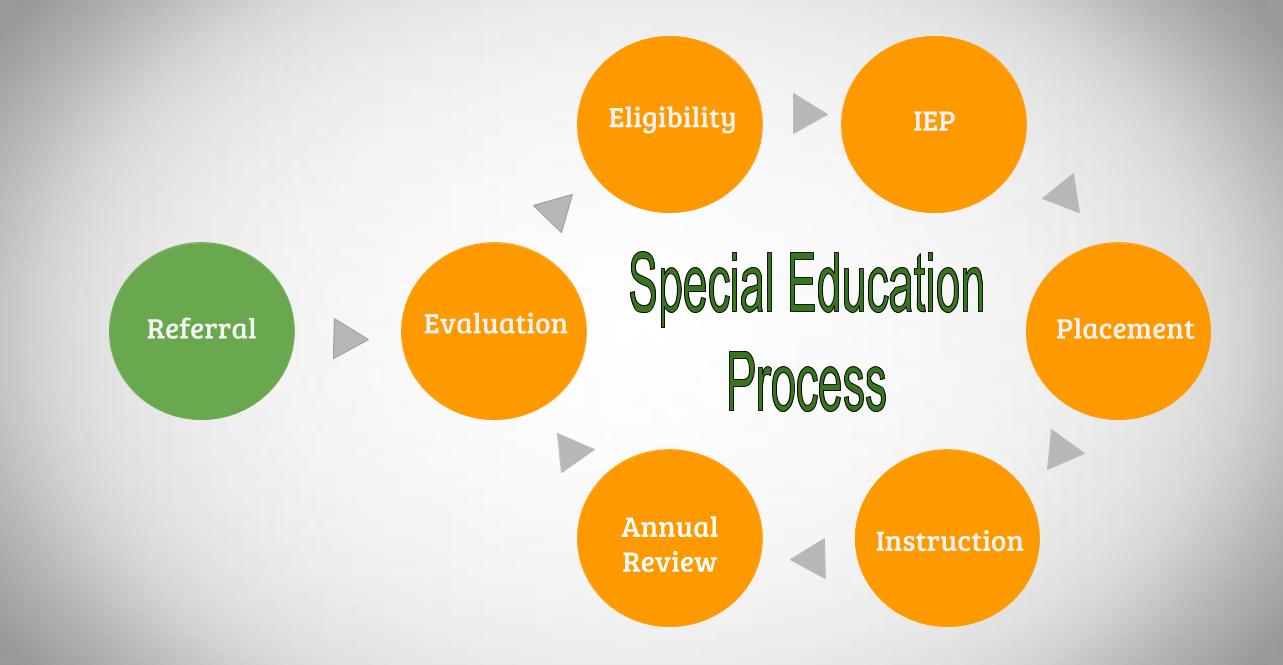
Defining the Support Network
If a student passes the two-prong test, they are entitled to a specific ecosystem of support. We must be fiercely precise about what these terms mean.
Under the Individuals with Disabilities Education Act, "special education" means specially designed instruction provided at no cost to parents to meet the unique needs of a child with a disability. It is the modification of content, methodology, or delivery.
To support that instruction, the law mandates two supplementary pillars:
- Related Services: These are transportation and developmental, corrective, or supportive services required to assist a child with a disability to benefit from special education. (Think of speech-language pathology, occupational therapy, or specialized transport).
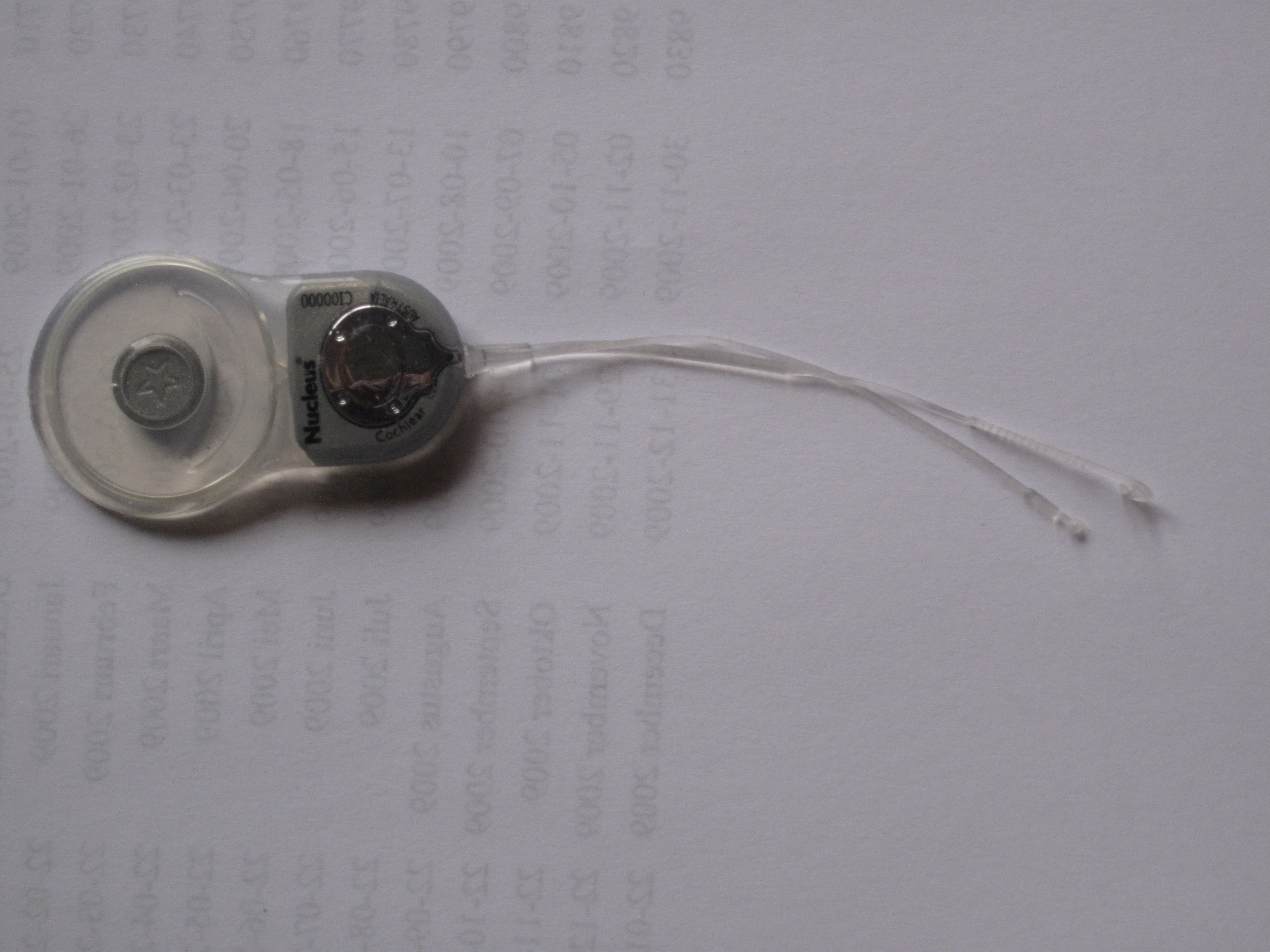
- The Crucial Exception: Related services under the Individuals with Disabilities Education Act do not include a medical device that is surgically implanted, or the replacement of such a device. The school will provide speech therapy for a student with a cochlear implant, but they are not legally responsible for replacing the implant's internal hardware.
- Supplementary Aids and Services: These are supports provided in regular education classes to enable children with disabilities to be educated with nondisabled children to the maximum extent appropriate. (Think of preferential seating, adapted materials, or a 1:1 paraprofessional in a general education math class).
Every decision you make as a special educator operates under four foundational mandates.
1. Free Appropriate Public Education (FAPE)
The cornerstone of IDEA is that every eligible child receives FAPE. But "appropriate" is a legal term of art. "Free Appropriate Public Education" requires special education and related services to be provided at public expense, under public supervision, and without charge. Furthermore, a Free Appropriate Public Education must:
- Meet the standards of the State Educational Agency.
- Include an appropriate preschool, elementary school, or secondary school education in the state involved.
- Require special education services to be provided in conformity with an Individualized Education Program.
2. The Individualized Education Program (IEP)
An "Individualized Education Program" is a written statement for each child with a disability that is developed, reviewed, and revised in a meeting in accordance with federal regulations. It is the binding contract that guarantees FAPE is actually delivered.
3. Least Restrictive Environment (LRE)
Special education is a service, not a place. The "Least Restrictive Environment" mandate requires that children with disabilities be educated with children who are nondisabled to the maximum extent appropriate.
Under the Least Restrictive Environment mandate, removal from the regular educational environment occurs only if the disability severity prevents satisfactory education in regular classes with the use of supplementary aids and services. You cannot sequester a child simply because it is more convenient for the school.
4. Transition Services
Education must lead somewhere. "Transition services" are a coordinated set of activities within a results-oriented process focused on improving academic and functional achievement to facilitate a child's movement from school to post-school activities.
The Individuals with Disabilities Education Act defines thirteen distinct disability categories under which children may be eligible for special education services. Notice a recurring theme: almost every category requires that the condition adversely affects a child's educational performance. If an impairment does not disrupt the child's education, it does not warrant an IEP.
Cognitive and Learning Differences
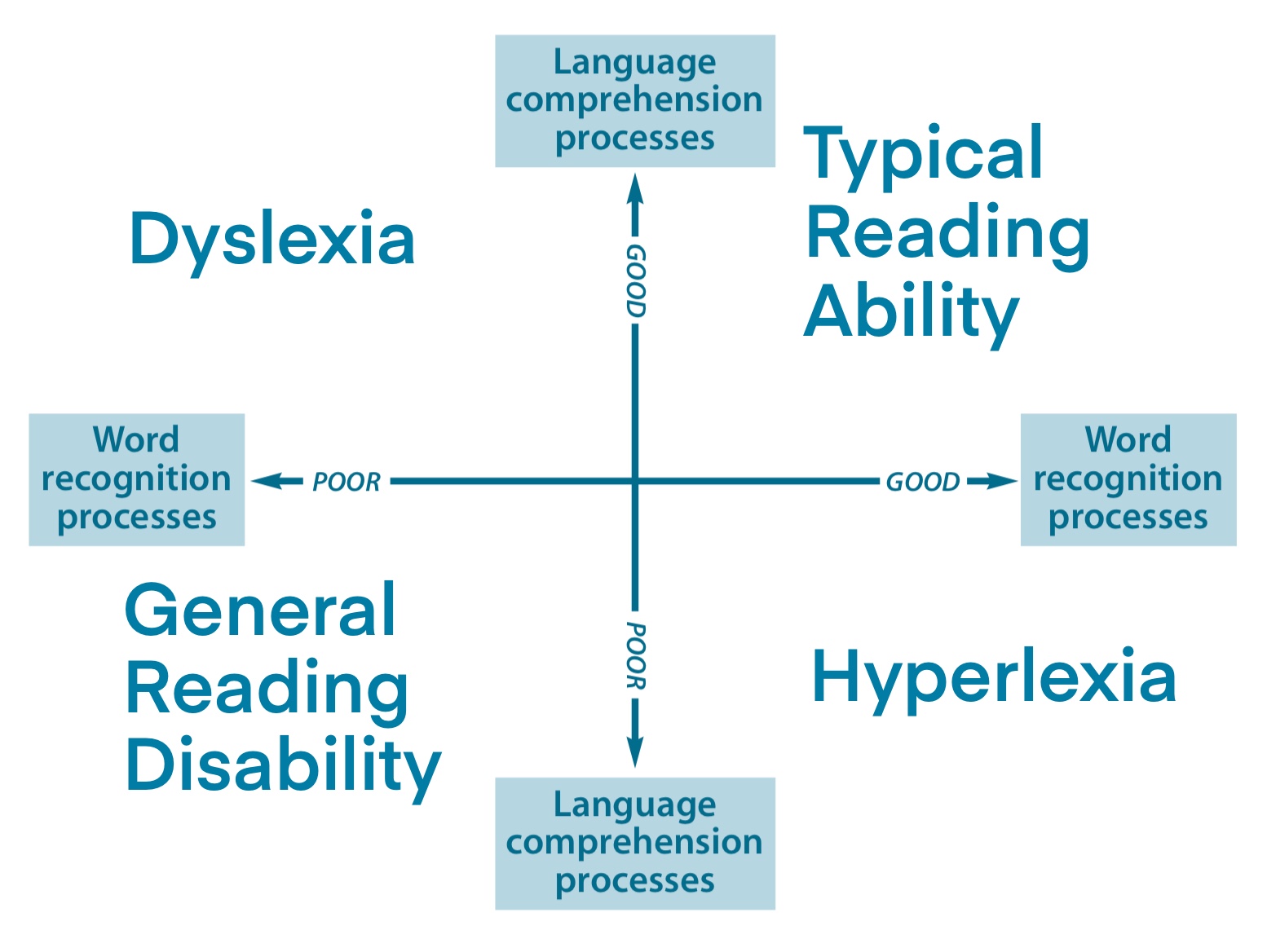
Specific Learning Disability (SLD) "Specific learning disability" means a disorder in one or more of the basic psychological processes involved in understanding or in using language, spoken or written. Think of this as an anomaly in the brain's "wiring" for processing information.
- Manifestation: A specific learning disability may manifest itself in the imperfect ability to listen, think, speak, read, write, spell, or to do mathematical calculations.
- Inclusions: Specific learning disabilities include conditions such as perceptual disabilities, brain injury, minimal brain dysfunction, dyslexia, and developmental aphasia.
- Exclusions (Highly Testable): Specific learning disabilities do not include learning problems that are primarily the result of visual, hearing, or motor disabilities; intellectual disability or emotional disturbance; or environmental, cultural, or economic disadvantage.
Intellectual Disability "Intellectual disability" means significantly subaverage general intellectual functioning existing concurrently with deficits in adaptive behavior.
- Criteria: An intellectual disability must manifest during the child's developmental period and must adversely affect a child's educational performance to qualify for special education services.
- Historical Context: The term "intellectual disability" replaced the term "mental retardation" in federal education, health, and labor laws due to Rosa's Law in 2010.
Neurodevelopmental and Emotional Profiles
Autism "Autism" is a developmental disability significantly affecting verbal and nonverbal communication and social interaction.
- Timeline: The developmental disability of Autism is generally evident before a child reaches age three.
- Characteristics: Characteristics often associated with autism include engaging in repetitive activities and stereotyped movements, resistance to environmental change or resistance to change in daily routines, and unusual responses to sensory experiences.
- Criteria & Exclusions: To qualify for special education services under the Autism category, the disability must adversely affect a child's educational performance. Crucially, a child does not meet the federal definition of autism if the child's educational performance is adversely affected primarily because the child has an emotional disturbance.
Emotional Disturbance (ED) "Emotional disturbance" is a condition exhibiting one or more specific characteristics over a long period of time and to a marked degree that adversely affects a child's educational performance.
- The 5 Characteristics (Must exhibit at least one):
- An inability to learn that cannot be explained by intellectual, sensory, or health factors.
- An inability to build or maintain satisfactory interpersonal relationships with peers and teachers.
- Exhibiting inappropriate types of behavior or feelings under normal circumstances.
- A general pervasive mood of unhappiness or depression.
- A tendency to develop physical symptoms or fears associated with personal or school problems.
- Nuances: The federal emotional disturbance category includes schizophrenia. However, the emotional disturbance category does not apply to children who are socially maladjusted, unless it is determined that they also have an emotional disturbance.
Physical, Health, and Acquired Conditions
Other Health Impairment (OHI) "Other health impairment" means having limited strength, vitality, or alertness, including a heightened alertness to environmental stimuli. (Notice the paradox: a student with ADHD has heightened alertness to the bird outside the window, which results in limited alertness with respect to the educational environment).
- Causes: An "other health impairment" must be due to chronic or acute health problems such as asthma, attention deficit disorder (ADD), attention deficit hyperactivity disorder (ADHD), or diabetes.
- Impact: An "other health impairment" must adversely affect a child's educational performance.
Orthopedic Impairment "Orthopedic impairment" means a severe orthopedic impairment that adversely affects a child's educational performance.
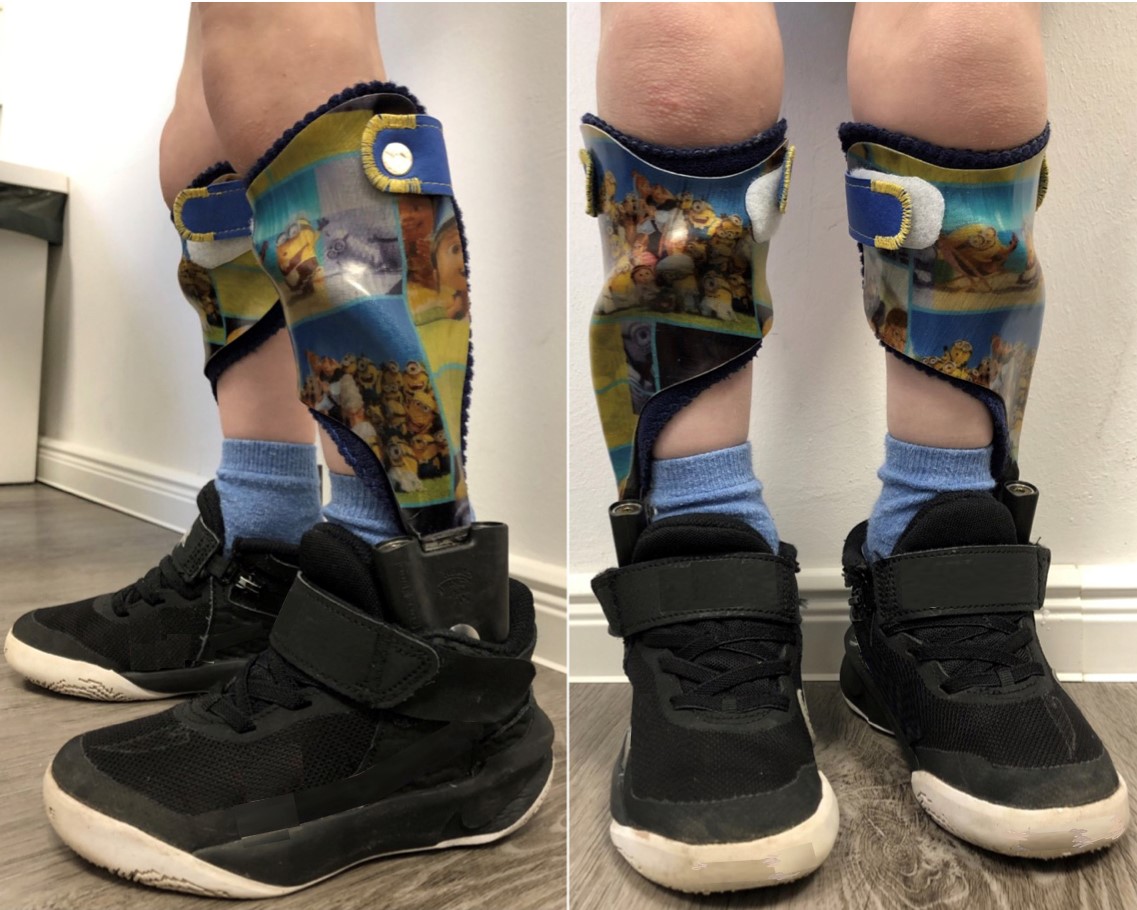
- Origins: Orthopedic impairments include impairments caused by a congenital anomaly; impairments caused by disease, such as poliomyelitis or bone tuberculosis; and impairments from other causes, such as cerebral palsy, amputations, and fractures or burns that cause contractures.
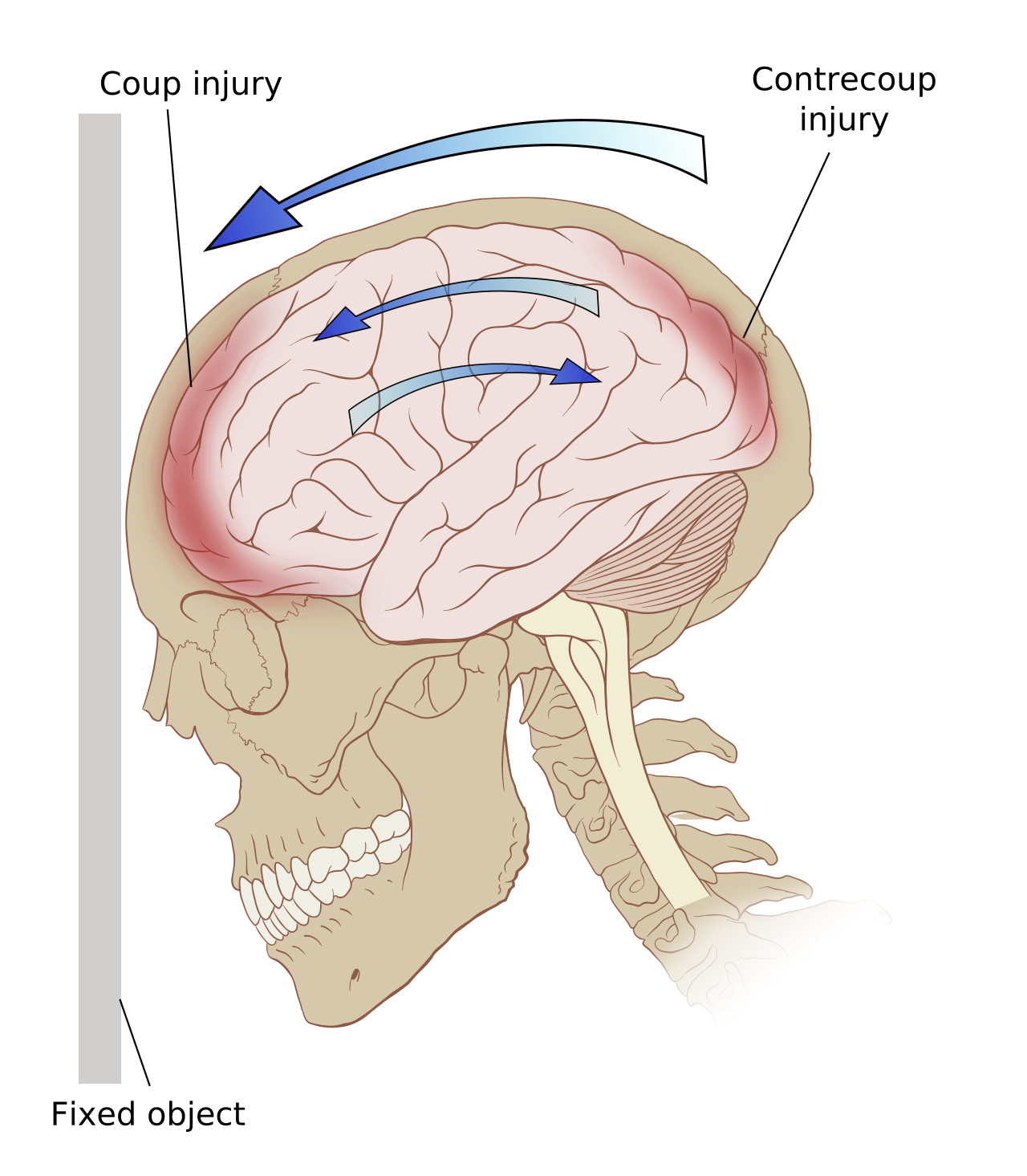
Traumatic Brain Injury (TBI) "Traumatic brain injury" means an acquired injury to the brain caused by an external physical force, resulting in total or partial functional disability or psychosocial impairment, or both.
- Scope: The traumatic brain injury category applies to open or closed head injuries resulting in impairments in areas such as cognition, language, memory, attention, or reasoning.
- Criteria & Exclusions: A traumatic brain injury must adversely affect a child's educational performance. The TBI category does not apply to brain injuries that are congenital or degenerative, nor does it apply to brain injuries induced by birth trauma. It must be an acquired injury from an external force.
Sensory and Communication Differences
| Category | Defining Federal Characteristics |
|---|---|
| Speech or Language Impairment | Means a communication disorder, such as stuttering, impaired articulation, a language impairment, or a voice impairment. Must adversely affect a child's educational performance. |
| Visual Impairment including Blindness | Means an impairment in vision that, even with correction, adversely affects a child's educational performance. The category includes both partial sight and blindness. |
| Deafness | Is a hearing impairment that is so severe that the child is impaired in processing linguistic information through hearing, with or without amplification. Must adversely affect educational performance. |
| Hearing Impairment | Means an impairment in hearing, whether permanent or fluctuating, that adversely affects a child's educational performance. Note: A hearing impairment is not included under the federal definition of deafness. |
Complex Combinations
When a student has multiple overlapping needs, the federal framework relies on two specific categories to ensure adequate programming.
Deaf-Blindness "Deaf-blindness" involves concomitant hearing and visual impairments. The combination of impairments in deaf-blindness causes severe communication and other developmental and educational needs. The defining legal threshold is that the severe needs caused by deaf-blindness cannot be accommodated in special education programs designed solely for children with deafness or solely for children with blindness.
Multiple Disabilities "Multiple disabilities" means concomitant impairments, the combination of which causes such severe educational needs that they cannot be accommodated in special education programs solely for one of the impairments.
- The Exception: The multiple disabilities category does not include deaf-blindness. Deaf-blindness is entirely its own recognized category.
Evaluating very young children is scientifically complex; pinning a permanent label on a four-year-old can be counterproductive. Therefore, IDEA provides a buffer.
"Developmental delay" is an optional category that states and local educational agencies may use for children ages three through nine who are experiencing developmental delays in one or more areas. The developmental areas for the "developmental delay" category include physical, cognitive, communication, social or emotional, or adaptive development.
Because it is an optional category, you must be familiar with whether your specific state and Local Educational Agency (LEA) have adopted it. If they have, it provides an invaluable mechanism to deliver necessary early interventions without prematurely locking a child into a specific, lifelong diagnostic category.
Understanding these classifications is not merely about passing an exam. When you sit at an IEP table, knowing the distinction between an Orthopedic Impairment and a Multiple Disability, or understanding the precise boundary of an SLD, is what allows you to engineer the right educational bridge for the child waiting on the other side.