Pre-Referral, Referral, and Identification
Not sure you’re ready?
Take the ~3-minute readiness diagnostic and see where you stand.
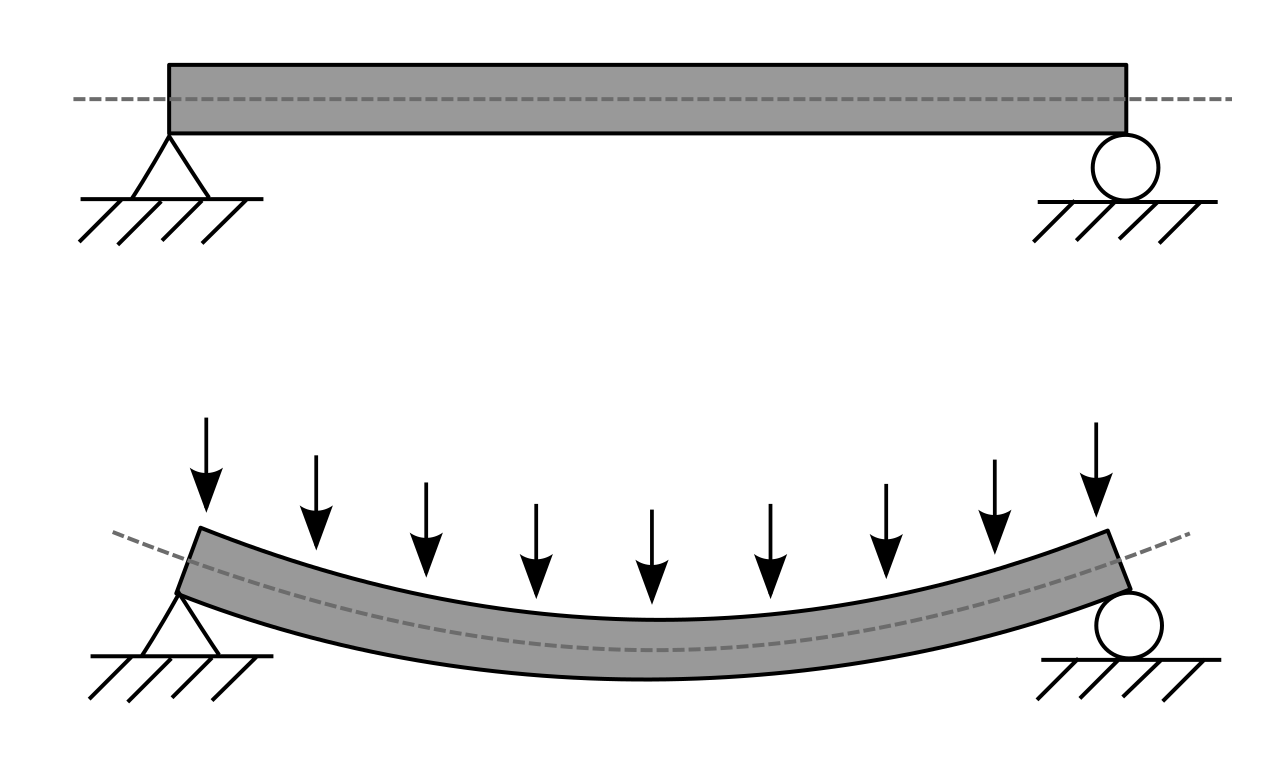
Imagine a structural engineer who notices a slight sag in a steel support beam. They do not immediately order the building demolished, nor do they ignore the anomaly until the structure fails. Instead, they apply a targeted brace, measure the beam's response over time, and only initiate a massive structural overhaul if the localized intervention fails. The pathway to special education identification operates on this exact principle of proportional, evidence-based response. The goal is not to label a child at the first sign of struggle, nor is it to wait until academic failure is absolute. It is a legally defined, highly sequenced process designed to isolate the true variables behind a student's learning profile.
As an educator, you will navigate this exact sequence. Understanding the mechanics of pre-referral, referral, and identification is not merely about compliance with federal law; it is about protecting the cognitive and developmental trajectory of your students. We must differentiate between a student who simply needs a different instructional approach and a student who possesses an intrinsic disability requiring specialized services.
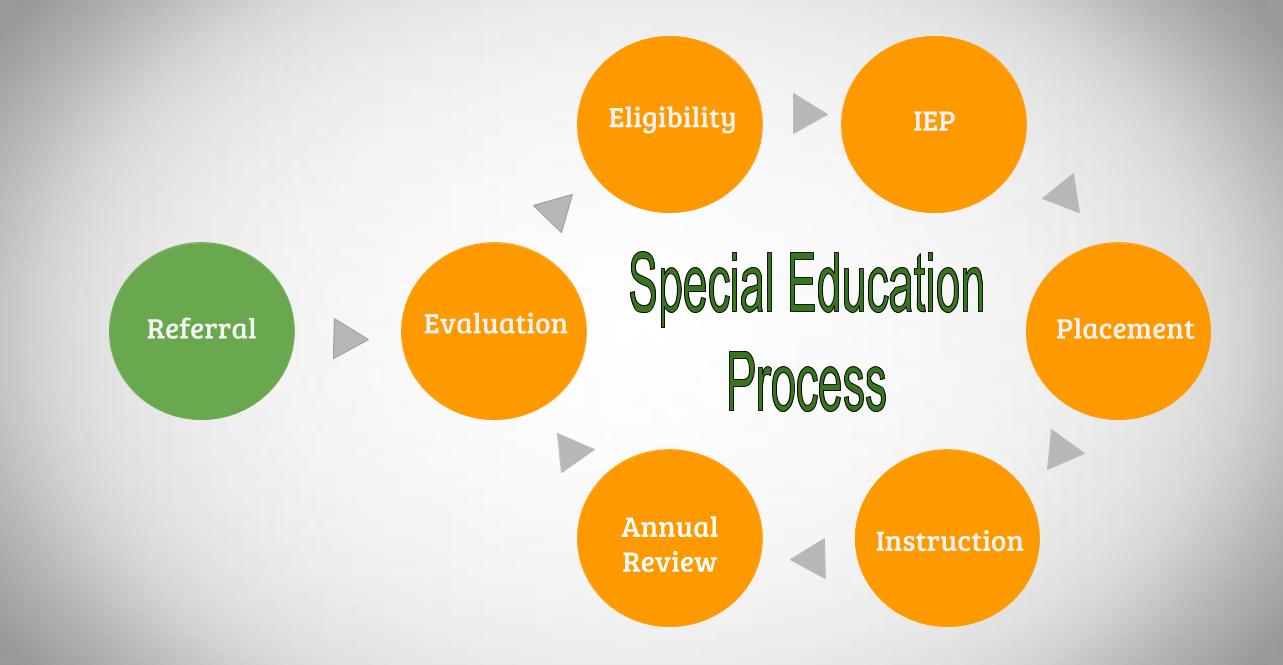
Before we ever speak of special education, we must look to the general education environment. The pre-referral process is a preventative measure implemented in the general education classroom before a formal special education evaluation occurs. Its purpose is straightforward: to resolve a student's academic or behavioral challenges using evidence-based interventions without needing the heavy machinery of special education.
To understand pre-referral, we must understand the architecture supporting it. Schools utilize a Multi-Tiered System of Supports (MTSS), which is a framework used during the pre-referral process to provide targeted interventions to struggling students. Think of MTSS as the overarching umbrella of school-wide support.
Beneath this umbrella sits Response to Intervention (RTI), a multi-tiered approach for the early identification and support of students with learning and behavior needs. RTI acts as our triage system, traditionally structured in three distinct tiers:
| RTI Tier | Description of Instruction and Intervention | Target Population |
|---|---|---|
| Tier 1 | Involves providing high-quality, research-based instruction to all students in the general education classroom. This is the foundation. | 100% of students. |
| Tier 2 | Provides targeted, small-group interventions for students who do not make adequate academic or behavioral progress in Tier 1. | Typically 10-15% of students. |
| Tier 3 | Involves highly intensive, individualized interventions for students who show minimal progress in Tier 2. | Typically 1-5% of students. |
How do we know if a student is moving successfully between these tiers? The mechanism is progress monitoring. This is the frequent assessment of student performance to evaluate the effectiveness of pre-referral interventions over time. We do not guess if an intervention is working; we graph the data.
Often, a Child Study Team—a school-based group that meets to discuss a struggling student and design pre-referral intervention strategies—will review this progress monitoring data. This team of general educators, specialists, and sometimes administration collaborates to ask: What else can we try?
The Legal Boundary of Pre-Referral
It is vital to draw a sharp legal line here. A general education teacher observing their class and adjusting instruction is standard pedagogy. Therefore, screening of a student by a teacher to determine appropriate instructional strategies is not legally considered an evaluation for special education eligibility.
However, there is a dark side to RTI if misused. Historically, some schools forced students to languish in "interventions" for years while denying them special education access. The law explicitly forbids this. The Individuals with Disabilities Education Act (IDEA) prohibits schools from using the pre-referral process to delay a formal special education evaluation. If a disability is heavily suspected, the school must move to formal referral, regardless of what tier of RTI the student is currently navigating.
When preventative measures are insufficient, or a disability is clearly evident, the process crosses a critical threshold: the referral.
A special education referral is a formal, written request to evaluate a student to determine eligibility for special education services. This is not a casual hallway conversation; it is a legal trigger. Who pulls this trigger?
- A parent has the legal right to initiate a formal referral for a special education evaluation.
- School personnel have the legal right to initiate a formal referral for a special education evaluation.
The Shield of Prior Written Notice
Once a referral is made, the school cannot simply pull the child into a room and begin administering psychological tests. The school must issue Prior Written Notice (PWN).
Prior Written Notice is a foundational legal safeguard under IDEA. The Individuals with Disabilities Education Act requires schools to provide parents with Prior Written Notice before proposing to initiate a special education evaluation.
This document cannot be a vague, bureaucratic form letter. The law demands specificity and accessibility:
- Prior Written Notice must include a detailed description of the proposed special education evaluation procedures. Parents have a right to know precisely what tests will be administered and what domains will be assessed.
- Prior Written Notice must be written in language understandable to the general public. We must strip away educational jargon.
- Prior Written Notice must be provided in the native language of the parent. A legal right is meaningless if the parent cannot read the language in which it is presented.
The Boundary of Consent
Following the PWN, schools must cross another absolute barrier: Schools must obtain informed written consent from a parent before conducting an initial evaluation for special education.
Notice the specific phrasing here. Consent is strictly siloed. Parental consent for an initial evaluation does not grant permission for the school to provide special education services. You are asking for permission to look, not to treat. If the evaluation later determines the child is eligible, a completely separate consent process is required before an Individualized Education Program (IEP) can be implemented.
Once the ink dries on the parent's consent signature, a clock begins ticking. The Individuals with Disabilities Education Act mandates that an initial special education evaluation must be conducted within 60 days of receiving parental consent.
However, in our federalist system, state law can supersede this timeframe if it is more rigorous. Individual states have the authority to establish their own timeline for special education evaluations. (For example, some states shrink this to 45 or 30 days).
There are only two precise legal exceptions where the 60-day federal evaluation timeline does not apply:
- The 60-day federal evaluation timeline does not apply if the parent repeatedly fails to produce the child for the evaluation.
- The 60-day federal evaluation timeline does not apply if the child enrolls in a new school district while an ongoing evaluation is incomplete. (The new district must make prompt progress, but the original 60-day clock resets).
The Principles of a Valid Evaluation
How do we evaluate? We operate like diagnostic scientists. We are legally bound by specific parameters to ensure we uncover the truth of a student's cognition and learning:
- Comprehensiveness: A comprehensive special education evaluation must assess the child in all areas related to the suspected disability. If we suspect autism, we do not just test reading; we assess speech, pragmatics, motor skills, and behavior.
- Multiple Measures: What if a child just had a terrible morning before an IQ test? The Individuals with Disabilities Education Act prohibits the use of a single measure or assessment as the sole criterion for determining whether a child has a disability. We triangulate data from standardized tests, classwork, and interviews.
- Ecological Validity: Testing a child in a sterile, silent room only tells you how they perform in a sterile, silent room. Therefore, a special education evaluation must include observation of the student in the student's learning environment to document academic performance and behavior.
- Qualifications: Special education assessments must be administered by trained and knowledgeable personnel. A general education teacher cannot administer a clinical psychometric assessment.
Non-Discriminatory and Linguistic Safeguards
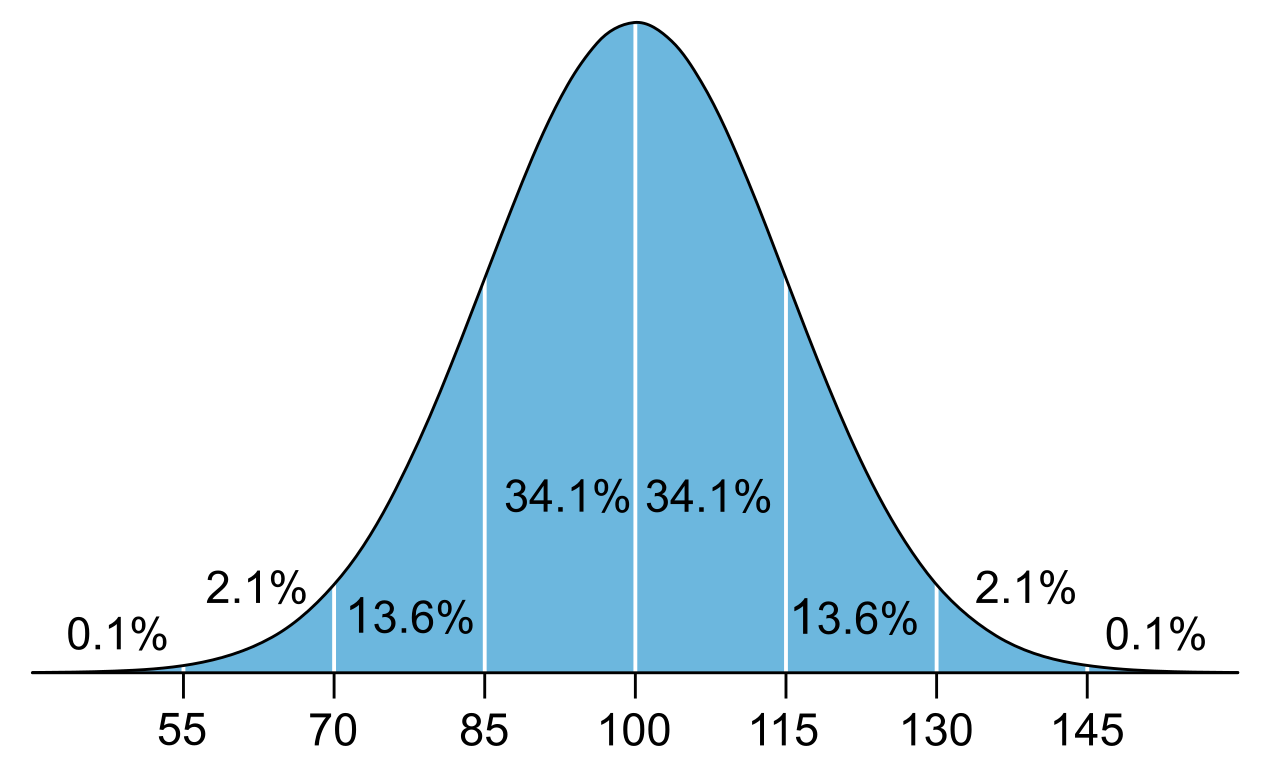
Historically, cultural and linguistic differences were often misidentified as cognitive deficits. The law corrected this through the mandate of non-discriminatory evaluation, which requires that assessment materials are selected and administered so as not to be discriminatory on a racial or cultural basis.
Furthermore, if a student's primary language is Spanish, testing their cognitive processing in English is not a test of intelligence; it is a test of English. Thus, special education assessments must be administered in the child's native language or primary mode of communication (such as American Sign Language), unless it is clearly not feasible to do so.
Specific Learning Disabilities (SLD): A Shift in Identification
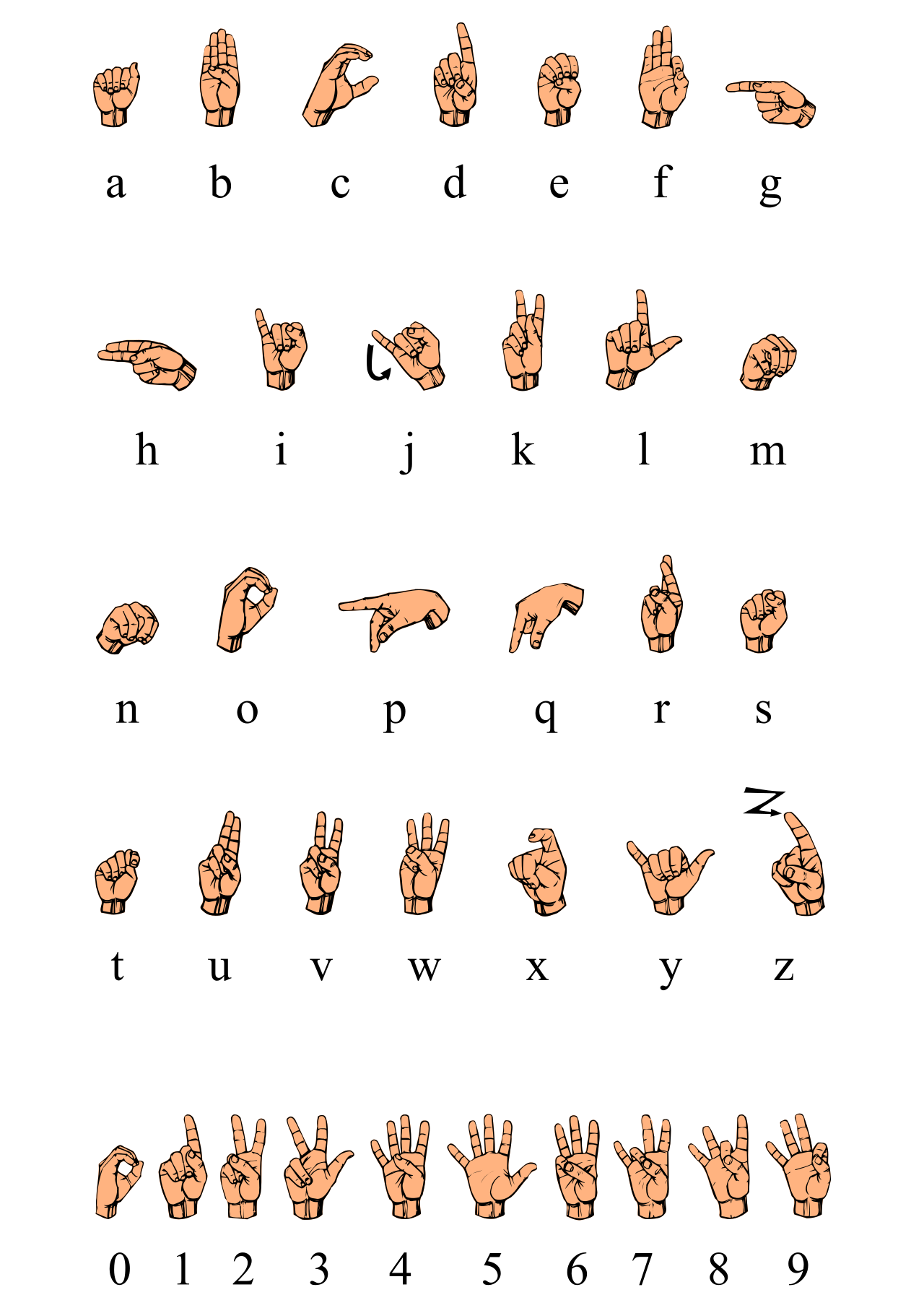
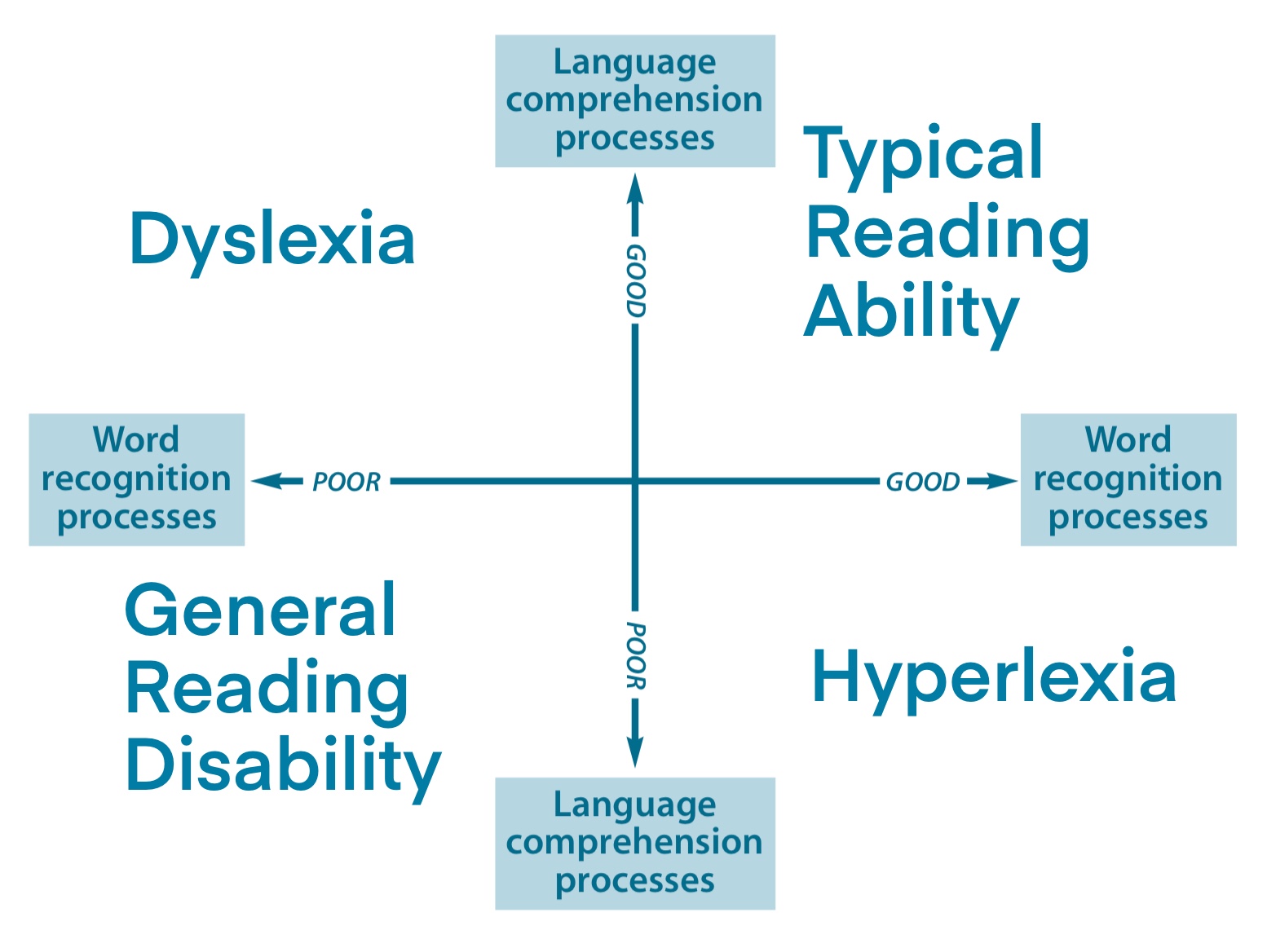
Identifying a Specific Learning Disability (like dyslexia or dyscalculia) has evolved dramatically. For decades, the law required finding a "severe discrepancy" between a student's overall intellectual ability (IQ) and their actual academic achievement. It was often called the "wait-to-fail" model, as students had to fall severely behind before the discrepancy became mathematically large enough to qualify them.
Today, the framework is vastly improved:
- Under the Individuals with Disabilities Education Act, states are not required to use a severe discrepancy between intellectual ability and achievement to determine a specific learning disability.
- Instead, schools may use a student's response to scientific, research-based intervention as part of the evaluation process to identify a specific learning disability.
This directly connects back to our pre-referral discussion. If a student receives highly intensive Tier 3 RTI interventions and still does not progress, that data itself is a powerful diagnostic indicator of a learning disability.
Once the evaluation is complete, the data must be interpreted. A multidisciplinary team is responsible for determining a student's eligibility for special education services.
Who is on this team?
- The special education eligibility determination team must include qualified professionals (like school psychologists, special educators, speech pathologists).
- Crucially, the special education eligibility determination team must include the parents of the child. Parents are legally mandated co-equals in this decision.
The Three Prongs of Eligibility
The team reviews the evaluation data and must answer a fundamental question: Is this student eligible for special education? Eligibility is not granted simply because a student is struggling. The team must verify that the student meets a strict three-prong test:
- Prong 1: To be eligible for special education under the Individuals with Disabilities Education Act, a student must have a formally documented disability (falling into one of the 13 IDEA disability categories).
- Prong 2: To be eligible for special education under the Individuals with Disabilities Education Act, the student's disability must adversely affect educational performance. (If a student has a medical diagnosis of ADHD but is getting straight A's and thriving socially, they do not require special education).
- Prong 3: To be eligible for special education under the Individuals with Disabilities Education Act, the student must require specially designed instruction. (Can their needs be met through simple accommodations in the general classroom, or do they require fundamental changes to the delivery, methodology, or content of instruction?).

The Exclusionary Factors
Even if a student is failing, we cannot label them as having a disability if the root cause is environmental or instructional. We must rule out what are known as exclusionary factors. A school legally cannot find a student eligible for special education if the primary reason for their academic struggle is:
- A lack of appropriate instruction in reading.
- A lack of appropriate instruction in math.
- Limited English proficiency.
If a student cannot read simply because they were repeatedly absent or experienced poor instruction, they do not have a neurological reading disability; they have an instructional deficit. If they are failing math because they are still learning English, that is a language acquisition process, not a cognitive disorder. Special education is not a remedy for bad teaching or linguistic transitions.
When the meeting concludes, the school's administrative duty to the parents continues. Transparency is legally enforced:
- Parents must receive a copy of the special education evaluation report at no cost.
- Parents must receive formal documentation of the special education eligibility determination at no cost.
But what happens if the school completes the comprehensive evaluation, and the parents profoundly disagree with the results? Perhaps the school found the child ineligible, but the parent feels the assessments were flawed.
The law provides a powerful counterbalance: A parent has the right to request an Independent Educational Evaluation (IEE) if the parent disagrees with the school's special education evaluation.
An Independent Educational Evaluation (IEE) is conducted by a qualified examiner who is not employed by the public agency responsible for the education of the child.
In many cases, if the parent requests an IEE, the school district must pay for this outside expert to evaluate the child, ensuring that families without immense financial resources still have a mechanism to challenge the district's findings.
As a special educator, you are the steward of this process. The sequence—from the initial RTI intervention in the general education classroom to the intricate legalities of consent, non-discriminatory evaluation, and the rigorous three-prong eligibility test—exists for a singular, profound reason. It ensures that when we finally sit down to write an Individualized Education Program, we are doing so for a child who truly requires specially designed instruction, and we are armed with the precise data needed to change their life.