Instructional Strategies Supporting Transition Goals
Not sure you’re ready?
Take the ~3-minute readiness diagnostic and see where you stand.
Imagine trying to build a bridge across a chasm by starting at one edge, laying down planks blindly, and simply hoping the other side aligns. In special education, this chasm is the profound shift from a highly structured K-12 environment to the unyielding realities of adulthood. We do not lay planks blindly; we engineer the crossing. Transition planning is the deliberate, calculated process of preparing students with mild to moderate disabilities to step off the educational bridge and walk confidently into independent living, employment, and post-secondary education. Our ultimate metric of success is not what a student does when we are watching in the classroom, but what they do when our structural supports are gone.
Before we can teach a student how to navigate the adult world, we must define exactly what their adult world will look like. The framework for this is established by federal law, but its execution requires precision and empathy.
The Individuals with Disabilities Education Act (IDEA) requires transition planning to begin no later than the first Individualized Education Program (IEP) to be in effect when the child turns 16. Think of this as the legal deadline to stop focusing purely on classroom academics and start looking at the horizon.
This planning is not meant to be a guessing game conducted by teachers behind closed doors. We begin with person-centered planning, a collaborative process that places the student and their family at the core of the transition goal-setting process. Because a student's aspirations must be grounded in reality, post-secondary transition goals must be formulated using data collected from age-appropriate transition assessments. These assessments illuminate the gap between a student's current skills and their future aspirations.
Once we have that data, the destination is locked in. IDEA mandates that transition plans include measurable post-secondary goals related to education, employment, and independent living.
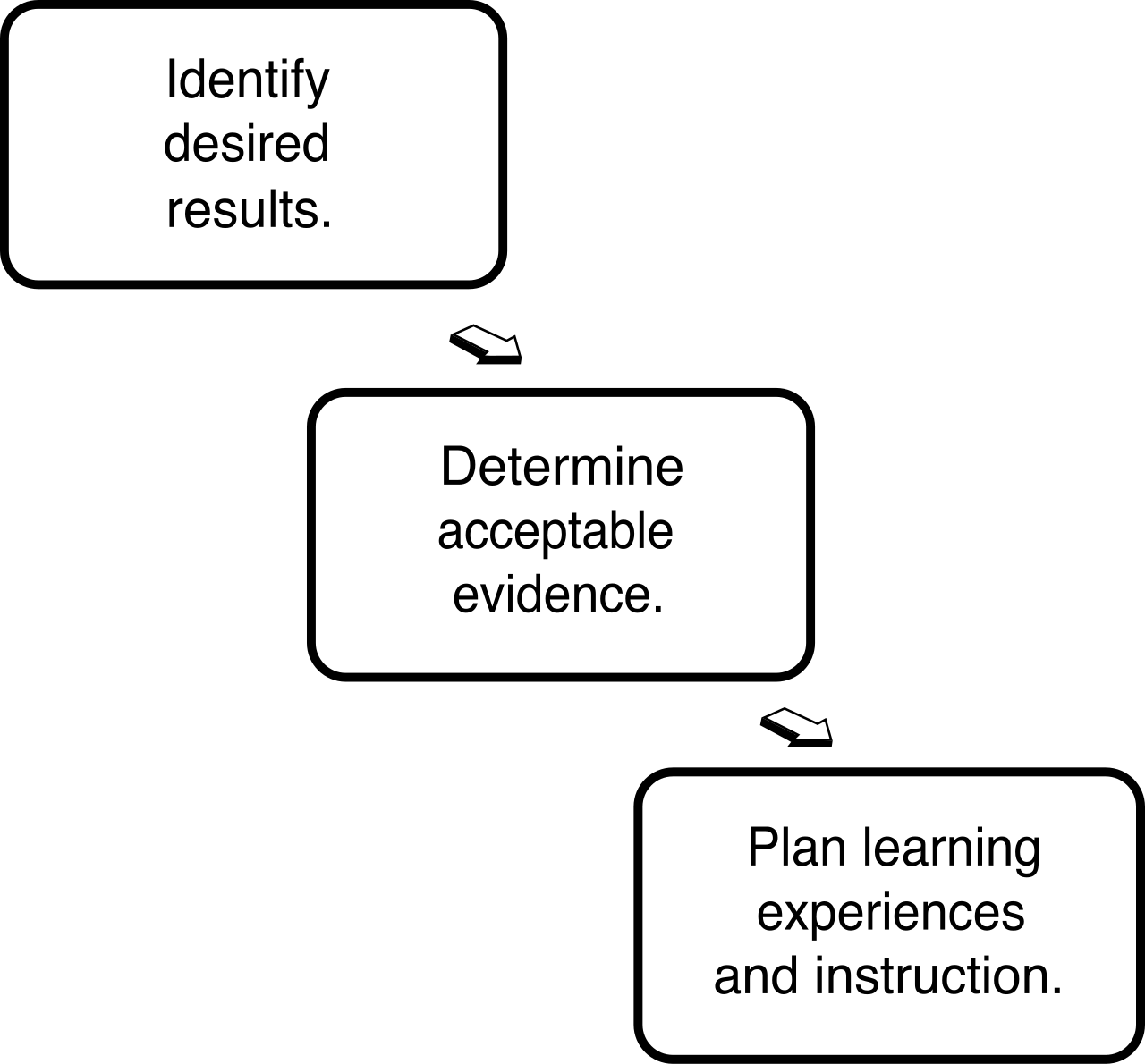
To map the route to these goals, educators rely on backward design in transition planning. This involves identifying a student's ultimate post-school outcome before developing daily instructional activities. If the post-school outcome is working in a data-entry role, we look at what that requires and step backward, month by month, until we reach today's lesson plan. Consequently, annual Individualized Education Program (IEP) goals must directly support the achievement of a student's measurable post-secondary transition goals. The annual goal is simply the immediate stepping stone toward the ultimate destination.
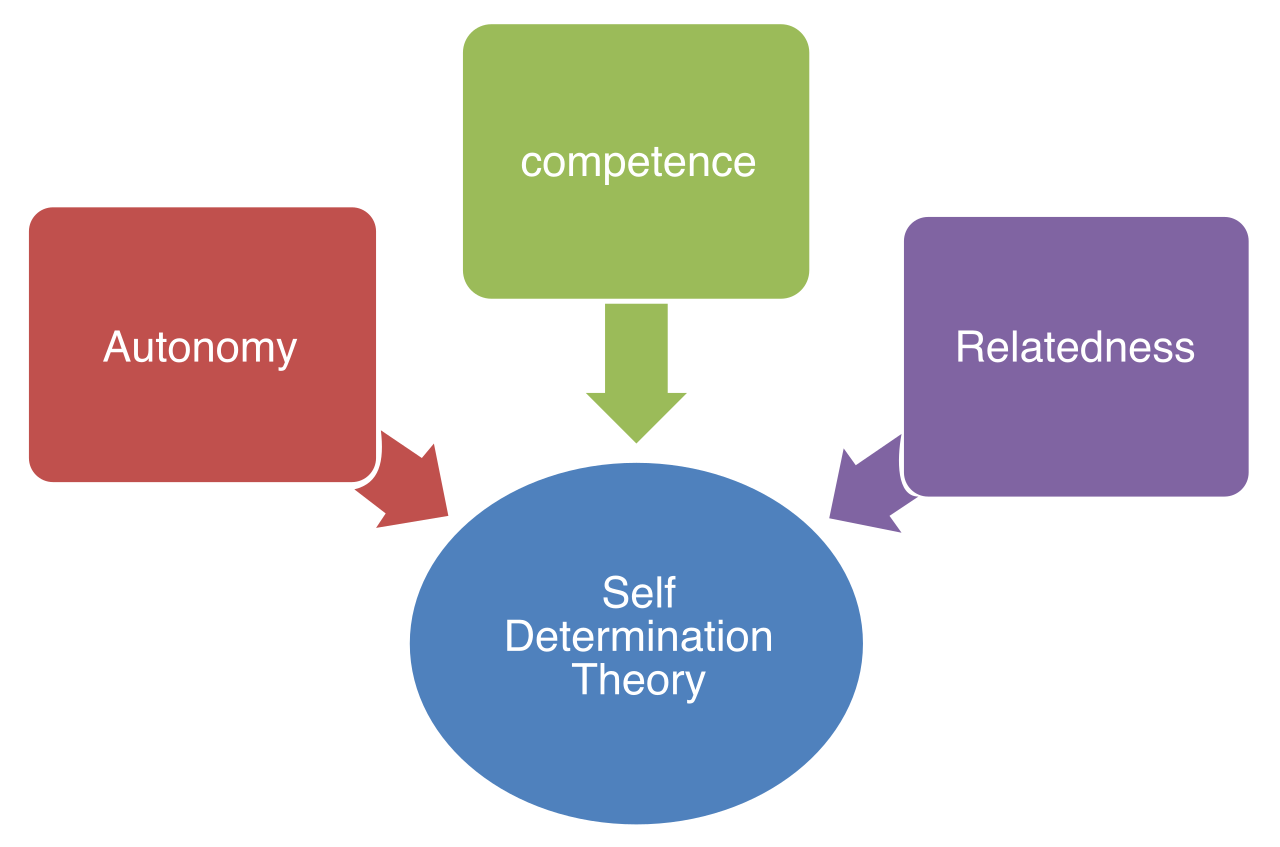
You can build a perfect bridge, but the student must still walk across it. The psychological engine of adulthood is autonomy.
Self-determination instruction teaches students to independently set personal goals and make life choices. To systematize this instruction rather than leaving it to chance, educators use the Self-Determined Learning Model of Instruction (SDLMI). The SDLMI is an evidence-based framework used to teach students how to set and attain academic and transition goals by guiding them through three phases: What is my goal? What is my plan? What have I learned?
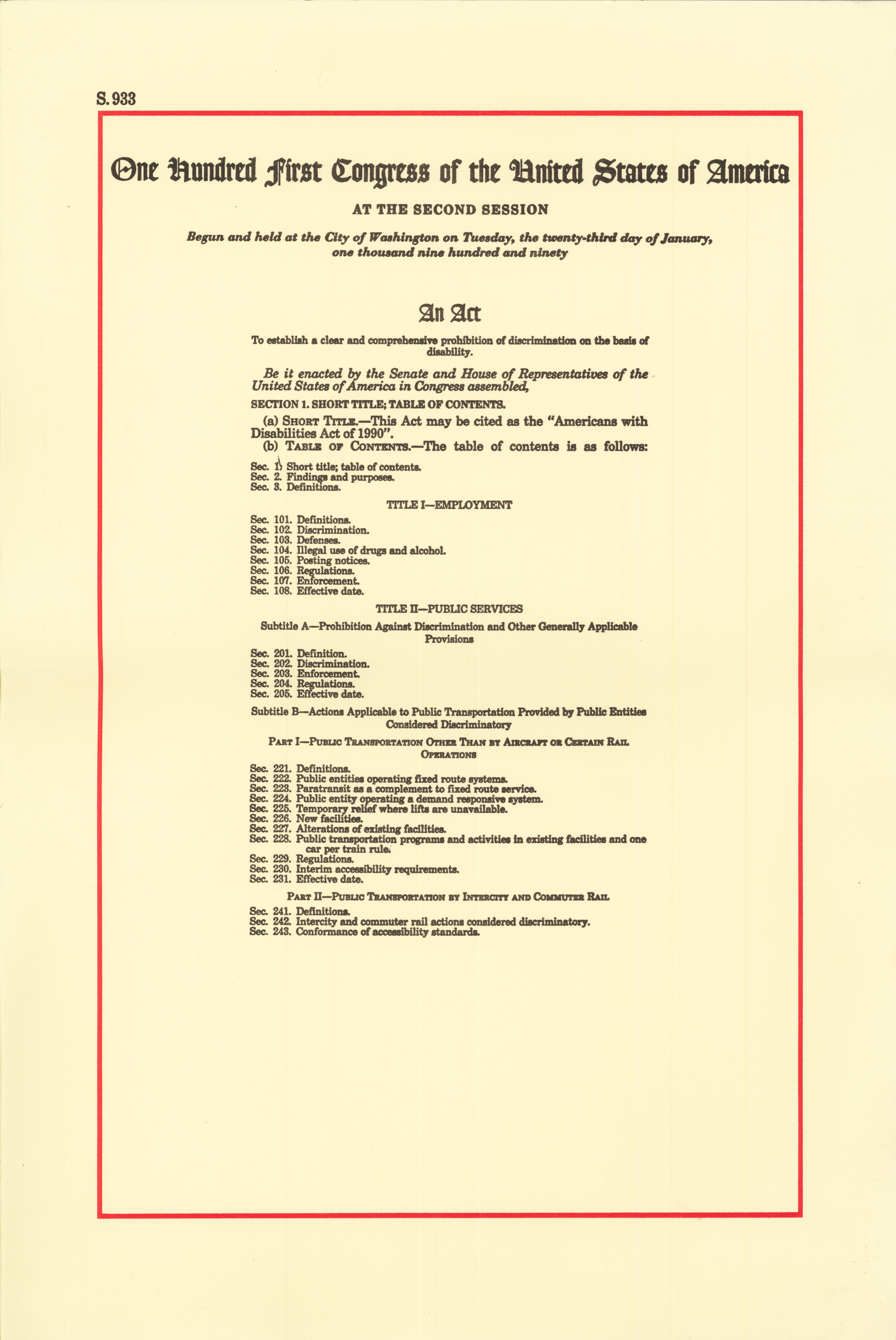
We teach this relentlessly because the legal protections protecting students abruptly shift upon graduation. In the K-12 system, the burden of proof is on the school to find and accommodate the student. In adulthood, the burden shifts entirely to the individual. Under the Americans with Disabilities Act (ADA), employees must explicitly self-disclose their disability to an employer to legally receive workplace accommodations.
Because of this harsh reality, we prioritize the direct instruction of self-advocacy skills, which prepares students to request necessary academic accommodations in post-secondary education settings or advocate for themselves in a workplace. Furthermore, to wean students off teacher reliance, we implement self-monitoring strategies. These require students to independently observe and record their own progress on specific transition-related behaviors, cultivating internal accountability.
Adulthood is a sequence of highly complex, multi-step routines. Consider the act of doing laundry or processing a retail transaction. To teach these routines, we must dissect them.
Analyzing and Chaining Tasks
Task analysis involves breaking down a complex independent living or employment skill into smaller, teachable steps. Once the task is broken down, we teach the sequence using one of two primary chaining methods:
- Forward chaining teaches a multi-step sequence by requiring a student to master the first step before instruction moves to the second step. (e.g., Learning to dial a telephone number starting with the area code).
- Backward chaining teaches a multi-step sequence by prompting a student through all initial steps and requiring independent completion of the final step. The beauty of backward chaining is that the student immediately experiences the natural reward of finishing the task, which builds momentum.
The Art of Prompting
We do not expect instant mastery. Systematic prompting provides structured instructional cues to assist a student in correctly performing a transition-related task. However, a prompt is a crutch; left indefinitely, it becomes a permanent dependency. Therefore, prompt fading involves gradually reducing the level of instructional cues as a student becomes more independent in a transition-related task.
To actively shift the cognitive load to the student, we use time-delay instruction. This involves inserting a brief, predetermined pause between an instructional cue and a prompt to encourage independent student responding. You give the instruction, wait three seconds, and only provide the prompt if the student doesn't act.
If a student is learning a high-stakes task—like operating machinery or safely crossing a street—we cannot afford trial-and-error. Here we utilize errorless learning, an instructional strategy designed to prevent students from making mistakes during the initial acquisition phase of a new employment skill. We guide them flawlessly through the task from the beginning, building accurate neurological pathways before any bad habits can form.
Scaffolding Independence
We must also provide cognitive architecture to support executive functioning deficits:
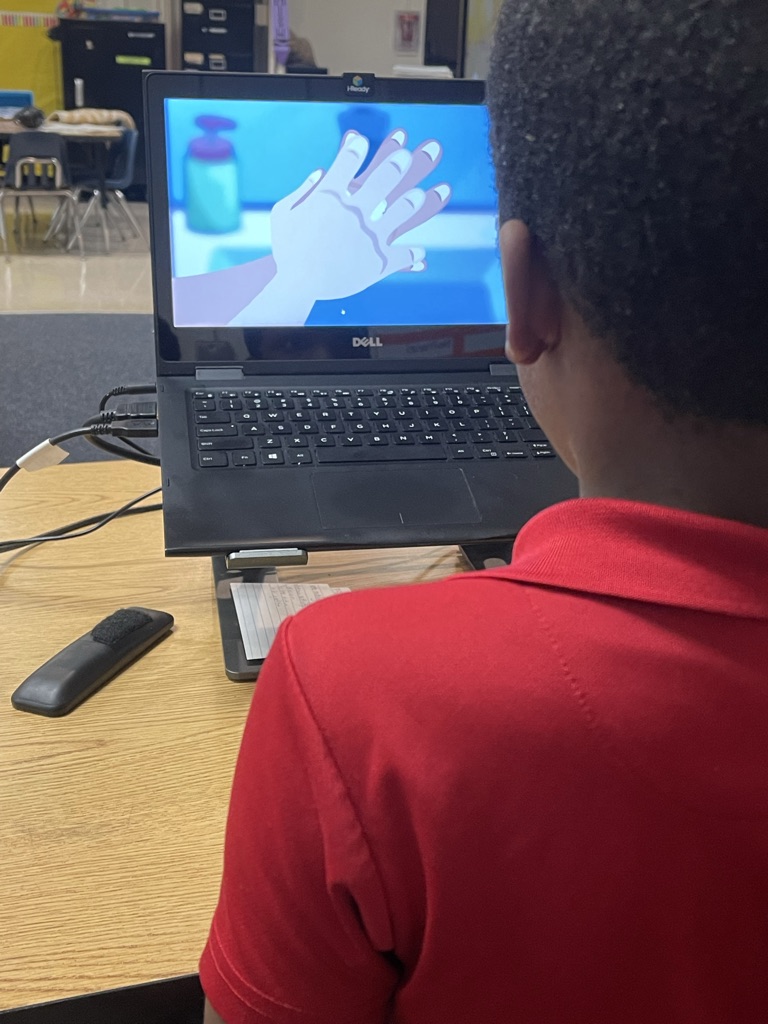
- Video modeling is an instructional strategy where a student watches a recorded demonstration of a target transition skill before attempting to perform the skill.
- Visual schedules assist students with mild to moderate disabilities in managing their time and sequencing tasks during independent living or employment activities.
- Graphic organizers can be used as cognitive supports to help students logically map out the steps required to complete a job application or formulate an email.
- Mobile technology applications can serve as instructional scaffolds for teaching daily living routines like grocery shopping or meal preparation. The device effectively replaces the teacher as the prompt.
Importantly, transition instruction does not only happen in a separate "life skills" room. Embedded instruction incorporates transition skill practice directly within the general education academic curriculum. Math class becomes an opportunity to calculate taxes; English class becomes an opportunity to draft a resume. Furthermore, peer mentoring pairs a student with a disability with a similarly aged peer to model and practice social skills required for post-secondary success, ensuring social integration happens naturally.
Employment is not just about having technical ability; it requires navigating social dynamics, understanding workplace norms, and exploring career interests.
Federal legislation heavily supports this phase. The Workforce Innovation and Opportunity Act (WIOA) mandates that state vocational rehabilitation agencies provide Pre-Employment Transition Services (Pre-ETS) to students with disabilities.
What exactly are Pre-ETS? By law, Pre-Employment Transition Services (Pre-ETS) legally include the provision of job exploration counseling (figuring out what a student might want to do) and workplace readiness training (teaching them how to behave once they get there).
Hard Skills vs. Soft Skills
When providing workplace readiness training, we bifurcate our focus. Employment hard skills instruction focuses on the specific technical tasks required to perform a particular job function (e.g., using a point-of-sale system or measuring wood).
However, individuals rarely lose their jobs because they lack hard skills; they lose them due to social friction. Employment soft skills instruction focuses on interpersonal behaviors such as workplace communication and teamwork. To practice these nuances without the risk of being fired, role-playing is an instructional strategy used to help students practice job interview skills and workplace social interactions in a safe classroom environment.
Moving from Simulation to the Real World
Instruction must follow a continuum of realism:
- Simulated instruction utilizes classroom environments that mimic real-world community or workplace settings to practice transition skills (e.g., a mock grocery store in the back of the classroom).
- Community-based instruction (CBI) involves teaching functional skills in the actual community environments where those skills will naturally be used (e.g., going to the actual local grocery store to practice purchasing).
- Work-based learning experiences provide students with real-world opportunities to practice employability skills in actual work environments.
Within work-based learning, we utilize various models. Job shadowing is a short-term work-based learning experience where a student observes an employee performing their daily work tasks. For a more integrated approach, service learning integrates community service projects with academic instruction to simultaneously build employability skills and civic responsibility.
When a student requires significant, long-term assistance to enter the workforce, we pivot to specialized employment models:
- Supported employment provides individuals with significant disabilities the ongoing assistance of a job coach to learn and maintain competitive employment.
- Customized employment involves matching the specific abilities of an individual with a disability to the unmet business needs of an employer. (e.g., An employer needs filing done but their staff is too busy; we carve out a specific role perfectly suited to a student's highly organized skill set).
Getting the job is half the battle; sustaining a life around that job is the other half.
Independent living instruction encompasses teaching functional financial literacy skills such as budgeting and managing a bank account. If a student earns a paycheck but cannot budget it, true independence remains out of reach. Similarly, physical mobility is a prerequisite for adult freedom. Travel training explicitly teaches students with disabilities how to safely and independently navigate public transportation systems.
Exiting the System: The Summary of Performance (SOP)
Eventually, the bridge ends. The student graduates or ages out of special education. At this critical juncture, we do not simply wave goodbye.
The Summary of Performance (SOP) is a federally required document summarizing a student's academic achievement and functional performance upon exiting special education.
But the SOP is not a mere look backward; it is an instruction manual for the student's next environment. To be legally and practically effective, the Summary of Performance (SOP) must include specific recommendations on how to assist a student in meeting their post-secondary goals. It hands the blueprint over to the college disability office, the vocational rehabilitation counselor, or the employer, ensuring that the momentum we've painstakingly built across the transition bridge carries the student successfully into the rest of their life.