Measurement Concepts and Tools
Not sure you’re ready?
Take the ~3-minute readiness diagnostic and see where you stand.
Imagine handing a young child a smooth, heavy river stone and asking, "How big is this?" To a physicist, the question is entirely incomplete. "Big" in what sense? Do we mean the distance around it? The amount of matter it contains? The space it occupies? Before we can quantify the universe, we must first isolate exactly what aspect of reality we intend to quantify. For an aspiring elementary educator, teaching measurement is not simply a matter of handing out rulers and asking students to read the numbers. It is the profound process of teaching a child how to translate the chaotic physical world into a rigorous, universally understood numerical language. You are guiding them from a state of visual intuition to one of mathematical precision.
At its core, measurement is the process of assigning a numerical value to an attribute of an object. But nature rarely gives us objects with only one dimension. A single object can have multiple measurable attributes such as length, weight, and capacity. To teach measurement effectively, you must first help students isolate the specific attribute they are investigating.
- Length is the one-dimensional measure of distance from one point to another. It is a straight line through space.
- Area expands our thinking. It is the two-dimensional measure of the amount of surface enclosed by a two-dimensional boundary.
- Volume takes us into the physical reality we inhabit. It is the three-dimensional measure of the amount of space occupied by a three-dimensional object.
- Capacity is closely related to volume but distinct in its application: it refers to the maximum amount of matter a container can hold.
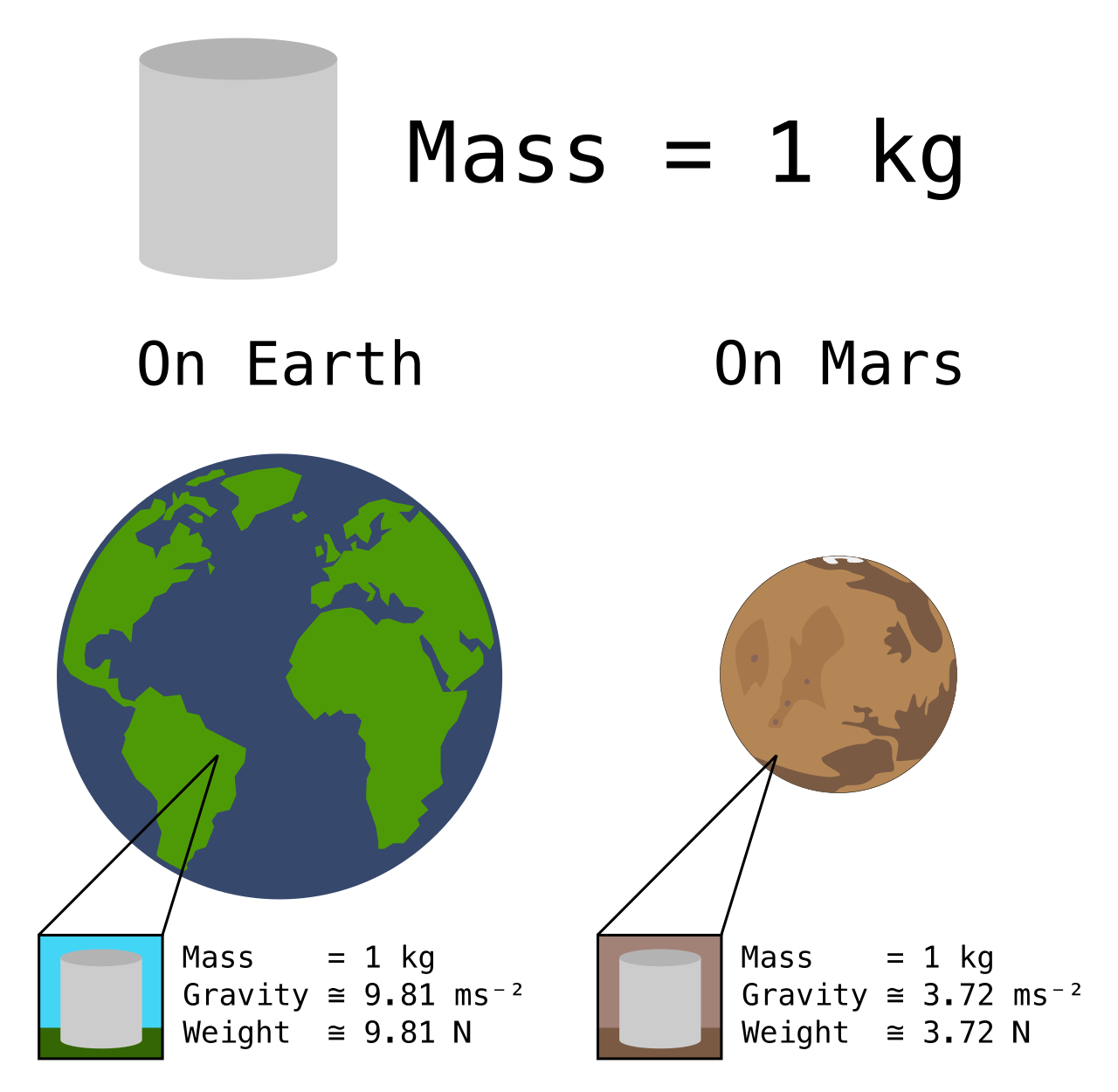
When it comes to how "heavy" something is, students often conflate two very different physics concepts. Mass measures the amount of matter contained within an object. Because matter doesn't simply vanish, an object's mass remains constant regardless of the local gravitational pull. If you take a bowling ball to the Moon, its mass is identical to what it was on Earth.
Weight, on the other hand, measures the force of gravity exerted on an object. Because it relies on gravity, an object's weight changes depending on the local gravitational pull. That same bowling ball weighs significantly less on the lunar surface. While we use these terms interchangeably on Earth, understanding the distinction allows you to answer students' inevitable questions about gravity and space with absolute accuracy.
You cannot introduce a standard ruler to a child who does not yet understand what a measurement unit actually represents. Effective measurement instruction progresses from direct comparison to using non-standard units before introducing formal standard measurement tools.
Step 1: Comparison
Before numbers are ever involved, children must learn to compare. Direct comparison involves aligning two objects side-by-side to determine which object is longer, heavier, or holds more. Think of placing two pencils flush on a desk to see which stretches further.
But what if you cannot move the objects? What if you want to compare the width of a doorway to the width of a desk? This requires indirect comparison, which uses a third reference object to compare the attributes of two other separate objects. You might use a piece of string to measure the doorway, and then hold that string up to the desk. This relies on an invisible logical bridge: the measurement transitivity principle states that if object A is longer than object B, and object B is longer than object C, then object A is longer than object C.
Step 2: The Need for Units
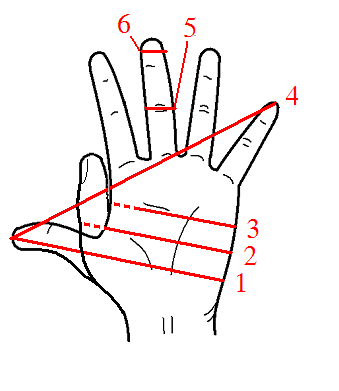
Once students grasp comparison, we introduce measurement via informal means. Non-standard measurement involves using informal, everyday units like paperclips or hand spans to measure objects.
Why do we do this? Why not jump straight to inches? Because using non-standard units helps students understand the need for standard units by demonstrating inconsistencies in measurements between different measurers. If Timmy's desk is 8 "teacher hand-spans" wide, but 14 "Timmy hand-spans" wide, who is right? The ensuing classroom debate leads to a critical realization: we need a universal system. Standard measurement units provide a consistent, universally understood language for communicating measurements.
Once we have our units, how do we use them? The fundamental physical action of measuring length is iteration—the process of repeatedly laying a single measurement unit end-to-end to measure a continuous length.
Instructional Warning: Iteration Errors When students first iterate, you will observe two classic physical mistakes.
- A common elementary student misconception in measurement is leaving gaps between units during length iteration.
- Another common elementary student misconception in measurement is overlapping units during length iteration. Both errors reveal that the child views the units merely as objects being counted, rather than as continuous, unbroken representations of distance.
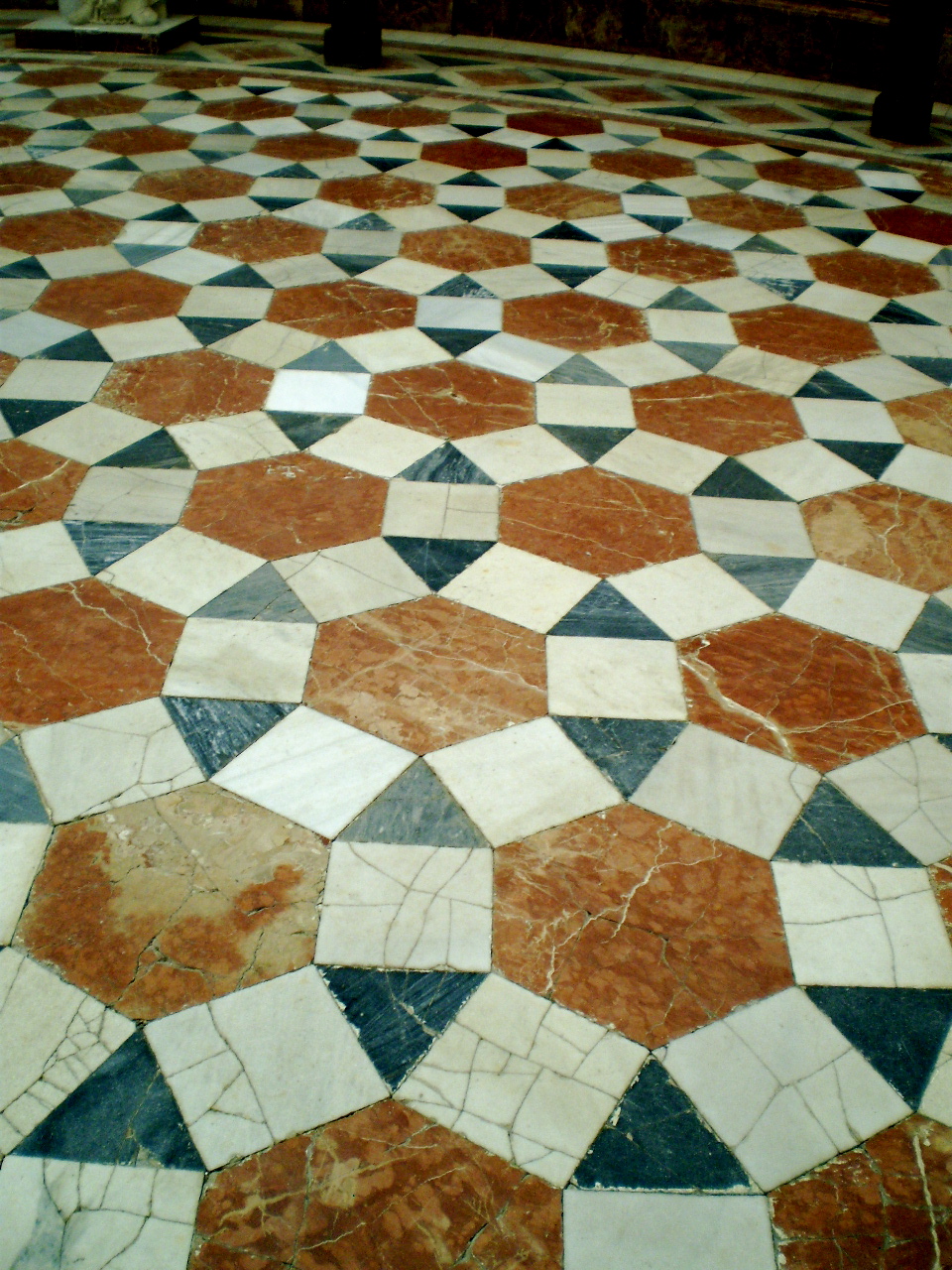
When we move from one dimension (length) to two dimensions (area), iteration takes a new form called tiling. Tiling is the process of covering a two-dimensional shape with square units without gaps or overlaps to determine the shape's area.
Instructional Warning: Area vs. Perimeter As students transition from physical tiling to mathematical formulas, students often confuse perimeter and area by adding the side lengths instead of multiplying the dimensions when calculating the area of a rectangle. They revert to a one-dimensional operation (addition of lines) for a two-dimensional concept.

The Inverse Relationship of Units
One of the most profound cognitive leaps a student must make concerns the relationship between unit size and the final number. The size of a measurement unit is inversely related to the total number of units needed to measure a specific object.
Consequently, measuring a single object with a smaller unit yields a larger numerical measurement than measuring the same object with a larger unit. A desk that is 2 feet wide is also 24 inches wide. The number 24 is much larger than 2, but the physical desk hasn't grown; the unit has simply shrunk, meaning we need more of them to traverse the same distance.
Measurement requires spatial reasoning that develops over time in children. A famous concept pioneered by developmental psychologist Jean Piaget is "conservation".
- Conservation of length is the developmental understanding that an object's length remains the same even if the object is moved or reoriented. If you lay a pencil horizontally, and then stand it vertically, it hasn't grown.
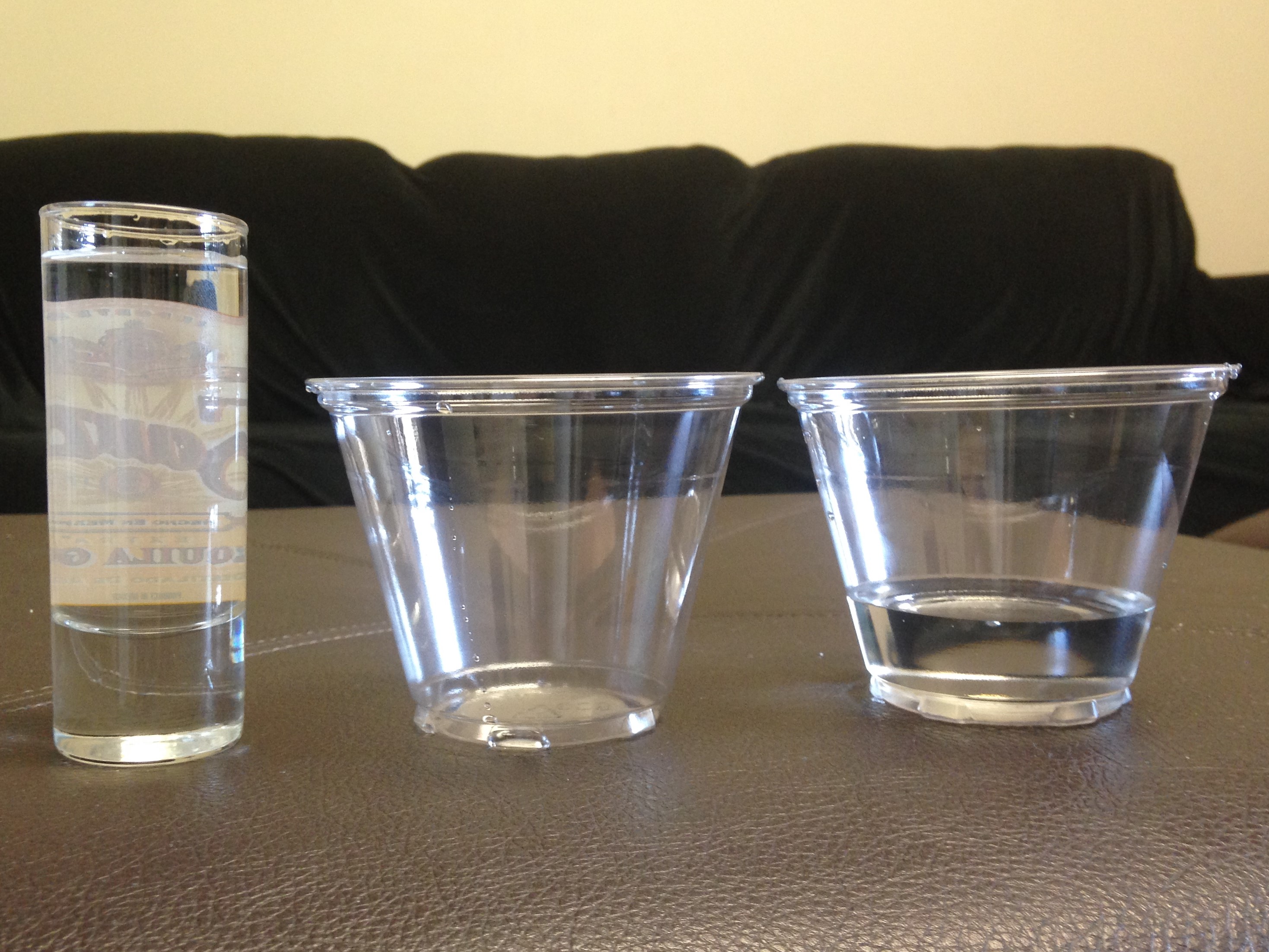
- Conservation of volume is the developmental understanding that a given liquid's volume remains the same when poured into a differently shaped container.
Instructional Warning: Visual Deception in Volume A common student misconception regarding conservation of volume is falsely believing a taller, narrower container holds more liquid than a shorter, wider container holding an identical amount of liquid. Children's eyes naturally prioritize height over width.
As students master conservation and formal measurement, they develop the ability to estimate. Measurement estimation requires students to internalize a mental benchmark of standard measurement units. A student who knows their fingernail is about a centimeter wide, or a doorway is about two meters tall, can navigate the physical world mathematically without needing a physical tool.
To capture the physical world, humanity has engineered specific tools for specific attributes.
- A ruler is a measurement tool used to measure length in standard units like inches or centimeters.
- The "Number One" Fallacy: A common student misconception when using a standard ruler is aligning the object with the number one mark instead of the zero mark. They treat the marks like counting numbers rather than representations of elapsed distance.
- The Broken Ruler Test: To test true understanding, snap a ruler in half. When measuring with a broken ruler missing the zero mark, students must count the number of unit intervals rather than reading the final number on the tool. This proves they understand the space between the lines is the unit, not the lines themselves.
- A balance scale is a measurement tool used to determine the mass or weight of an object.
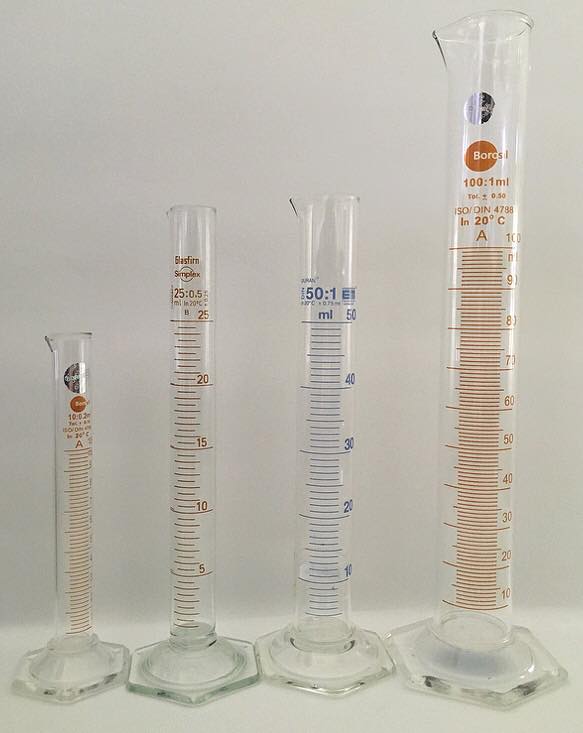
- A graduated cylinder is a precision measurement tool used to measure liquid volume or capacity. Unlike a beaker, it is designed for highly accurate, granular readings.
- A protractor is a mathematical tool used to measure angles in degrees. It does not measure linear distance; it measures rotational separation.
Ultimately, students must learn to translate between different scales. The cardinal rules of conversion are universal:
- Converting from a larger measurement unit to a smaller measurement unit within the same system requires multiplication. (You are cutting the distance into smaller pieces, so you will have more pieces).
- Converting from a smaller measurement unit to a larger measurement unit within the same system requires division. (You are grouping tiny pieces into larger chunks, so you will have fewer chunks).
The Metric System
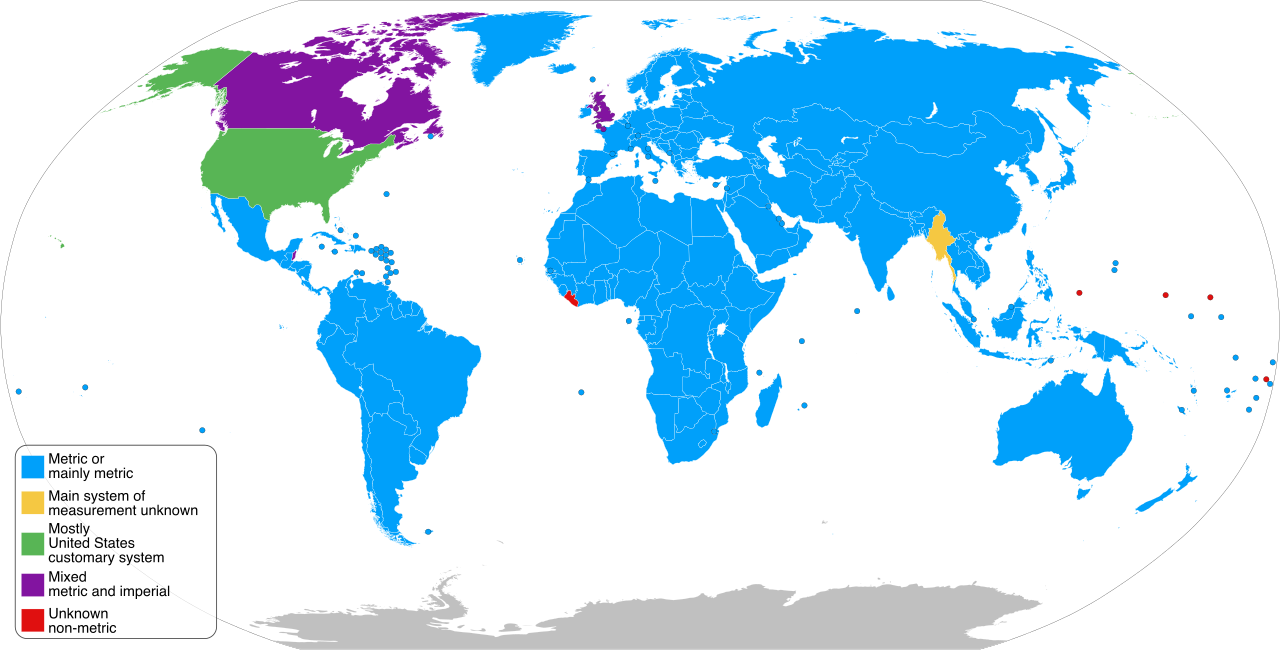
Beloved by science, the metric system is a base-10 measurement system relying on powers of ten for unit conversions. Moving between units is simply a matter of shifting decimal places. The system is built upon prefixes attached to base units (meters, liters, grams):
- In the metric system, the prefix 'kilo-' represents one thousand base units.
- In the metric system, the prefix 'centi-' represents one hundredth of a base unit.
- In the metric system, the prefix 'milli-' represents one thousandth of a base unit.
| Attribute | Base Unit | Key Metric Equivalencies |
|---|---|---|
| Length | Meter | One meter is exactly equal to 100 centimeters. <br> One meter is exactly equal to 1,000 millimeters. <br> One kilometer is exactly equal to 1,000 meters. |
| Mass | Gram | One kilogram is exactly equal to 1,000 grams. |
| Capacity | Liter | One liter is exactly equal to 1,000 milliliters. |
The United States Customary System
By contrast, the United States Customary system is a measurement system that does not follow a strict base-10 numerical structure. It is an amalgamation of historical, agrarian units. Students must memorize specific conversion factors rather than rely on decimal shifts.
| Attribute | Key US Customary Equivalencies |
|---|---|
| Length | One foot is exactly equal to 12 inches. <br> One yard is exactly equal to 3 feet. <br> One yard is exactly equal to 36 inches. <br> One mile is exactly equal to 5,280 feet. |
| Weight | One pound is exactly equal to 16 ounces. <br> One ton is exactly equal to 2,000 pounds. |
| Capacity | One standard cup is exactly equal to 8 fluid ounces. <br> One pint is exactly equal to 2 standard cups. <br> One quart is exactly equal to 2 pints. <br> One gallon is exactly equal to 4 quarts. |
As a teacher, your goal is to help students see past the rote memorization of these tables. When a student converts quarts to gallons, or measures the perimeter of their classroom, they aren't just performing arithmetic. They are actively modeling the physical universe—applying a conceptual grid over reality so that they might understand it, communicate about it, and ultimately, shape it.