Analyzing Organizational Structure
Not sure you’re ready?
Take the ~3-minute readiness diagnostic and see where you stand.
A master architect does not haphazardly pile bricks into a void; they erect a hidden scaffolding that dictates the shape, function, and load-bearing capacity of the final structure. When a novice reader stares blankly at a dense academic passage, they are often looking only at the bricks—the individual words and sentences—while entirely missing the scaffolding. As a future educator, your ability to dismantle and analyze this textual scaffolding is paramount. You are not just learning to pass the Praxis Core Reading exam; you are learning how to reverse-engineer human thought so you can teach your future students to do the same.
To comprehend a text at an elite level, you must understand its organizational structure. The structure is the invisible geometry of the author's mind, a deliberate framework chosen to carry a specific intellectual weight.
There is no such thing as an accidental structure in good writing. An author's choice of organizational structure directly supports the author's primary purpose. Form always follows function.
If an author wants you to understand how a civilization collapsed over three centuries, they need a framework built for time. A text designed to explain a historical event often uses a chronological structure. Conversely, if an author wants to change your behavior regarding plastic consumption, time is less relevant than urgency and action. Thus, a text designed to persuade readers often uses a problem and solution structure.
When you sit down with a Praxis reading passage, do not just ask, "What is the author saying?" Ask, "What kind of machine did the author build to deliver this message?"
To analyze texts effectively, you must be able to instantly recognize the classic blueprints of nonfiction writing. Let's examine how these structural frameworks operate and the "signal words" that reveal them.
1. The Timeline and The Process (Chronological vs. Sequential)
It is tempting to treat all structures dealing with order as identical, but precise readers distinguish between time and process.
- Chronological Structure: Think of a timeline. Chronological structure organizes information according to the progression of time. Because it is tethered to history or narrative sequence, texts using chronological structure often feature dates to mark the passage of time.
- Signal words for chronological structure include first, next, then, and finally.
- Sequential Structure: Think of an instruction manual. Sequential structure organizes steps in a specific process or procedure. The passage of historical time is irrelevant here; what matters is the rigorous order of operations. A recipe is a common example of sequential organizational structure. You do not bake a cake in 1842; you bake it by mixing flour before adding eggs.
2. The Analytical Engines (Cause/Effect and Problem/Solution)
These structures are the engines of academic inquiry. They are how writers map the mechanics of the real world.
- Cause and Effect Structure: This framework acts like a physics equation. It explains the reasons why a specific event occurred (the cause) and details the outcomes resulting from a specific event (the effect). It traces the invisible thread between an action and its consequence.
- Signal words for cause and effect structure include because, consequently, therefore, and as a result.
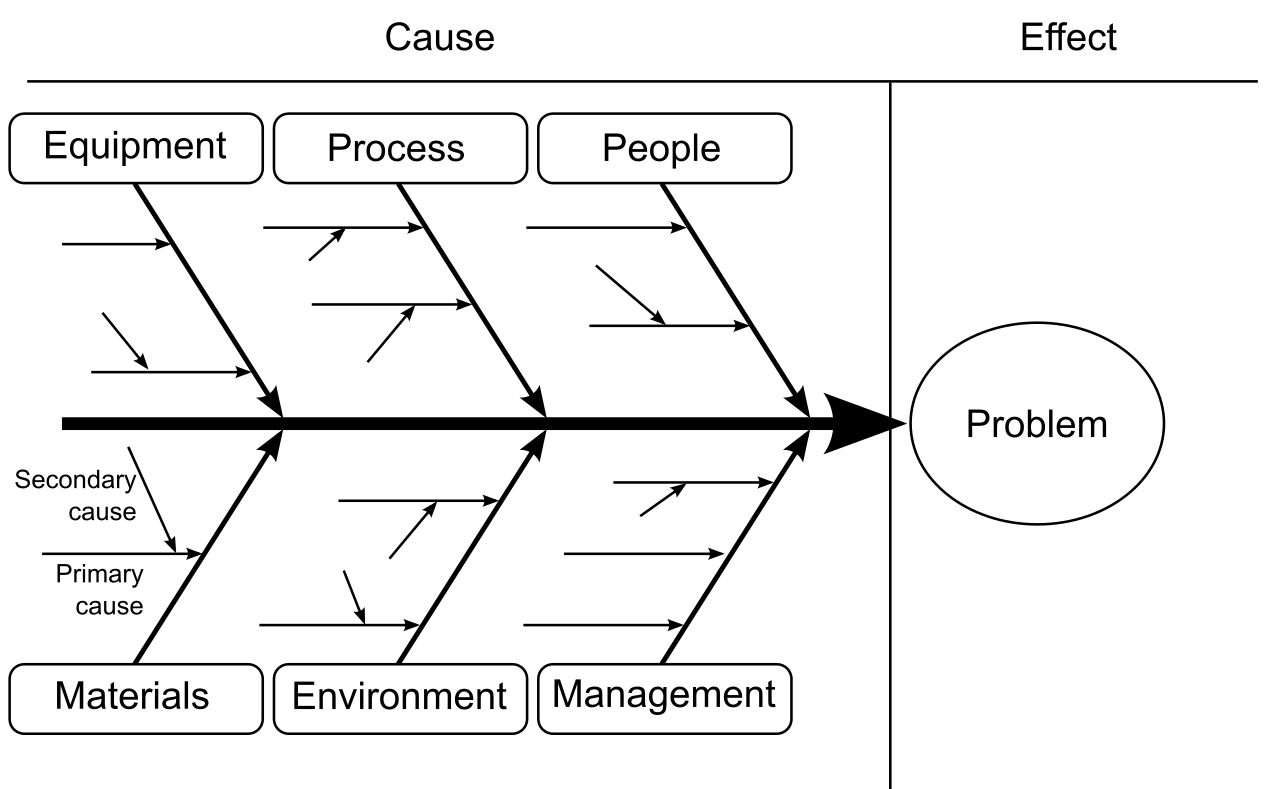
- Problem and Solution Structure: While cause and effect is strictly analytical, problem and solution is often persuasive. Problem and solution structure introduces an issue before presenting potential ways to resolve that issue. It creates tension (the problem) and then offers the reader relief (the solution).
- Signal words for problem and solution structure include dilemma, issue, solve, and remedy.
3. The Scales of Evaluation (Compare and Contrast)
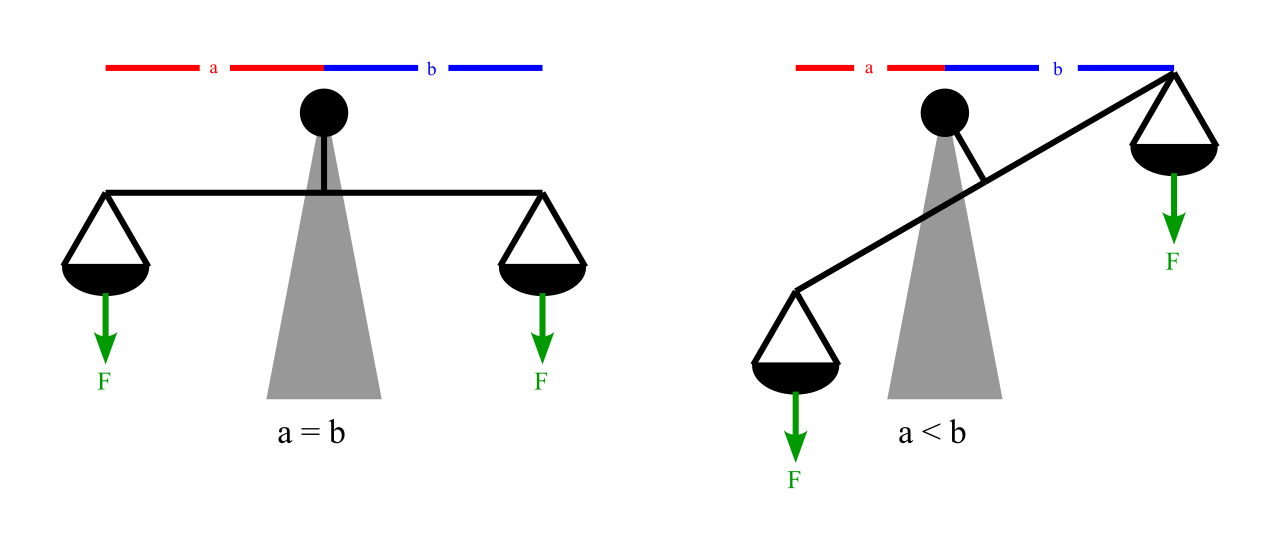
When a writer needs you to understand a concept by looking at its relationship to something else, they build a scale. Compare and contrast structure examines the similarities between two or more subjects while simultaneously ensuring it examines the differences between two or more subjects. By holding two ideas up to the light together, the distinct contours of each become obvious.
- Signal words for compare and contrast include similarly, unlike, and conversely.
4. The Visual Mappers (Descriptive and Spatial)
Sometimes the author's primary goal is simply to make you "see" something with high fidelity.
- Descriptive Structure: Broadly, descriptive structure provides detailed characteristics of a specific person, place, or object.
- Spatial Organization: Within the realm of description lies a highly specific physical map. Spatial organization arranges descriptive information according to physical location. Imagine a camera panning across a room or a geologist describing the layers of the earth from the crust to the core.
- Signal words for spatial structure include in front of, adjacent to, behind, and underneath.
5. The Hierarchy of Ideas (Order of Importance)
Imagine an inverted pyramid, or a pyramid standing upright. Order of importance structure arranges details from most significant to least significant. This is common in journalism (the "lead" contains the vital facts). Alternatively, it can arrange details from least significant to most significant, a technique often used to build suspense or lead up to a staggering conclusion.
- Signal words for order of importance include primarily, most importantly, and least of all.
The Structural Blueprint Cheat Sheet Keep your eyes darting over the passage for these structural road signs. They are the author's way of winking at you, revealing their hidden scaffolding.
| Structure | Identifying Function | Common Signal Words |
|---|---|---|
| Chronological | Progression of time | First, next, then, finally |
| Cause/Effect | Reasons and outcomes | Because, consequently, therefore, as a result |
| Compare/Contrast | Similarities and differences | Similarly, unlike, conversely |
| Problem/Solution | Issue and resolution | Dilemma, issue, solve, remedy |
| Spatial | Physical location | In front of, adjacent to, behind, underneath |
| Order of Importance | Hierarchy of significance | Primarily, most importantly, least of all |
As educators, much of the nonfiction text you will read—and eventually assign to your own students—is argumentative. Argumentative structure typically introduces a central claim before providing supporting evidence.
To understand an argument, you must understand the anatomical function of its paragraphs:
- The introductory paragraph establishes the main idea of a reading passage. It sets the coordinates for the journey.
- The middle of the text serves as the engine room. Body paragraphs provide evidence to support the main idea of a reading passage.
- Finally, the concluding paragraph summarizes the central argument of a reading passage, often zooming out to show the broader implications of the claim.
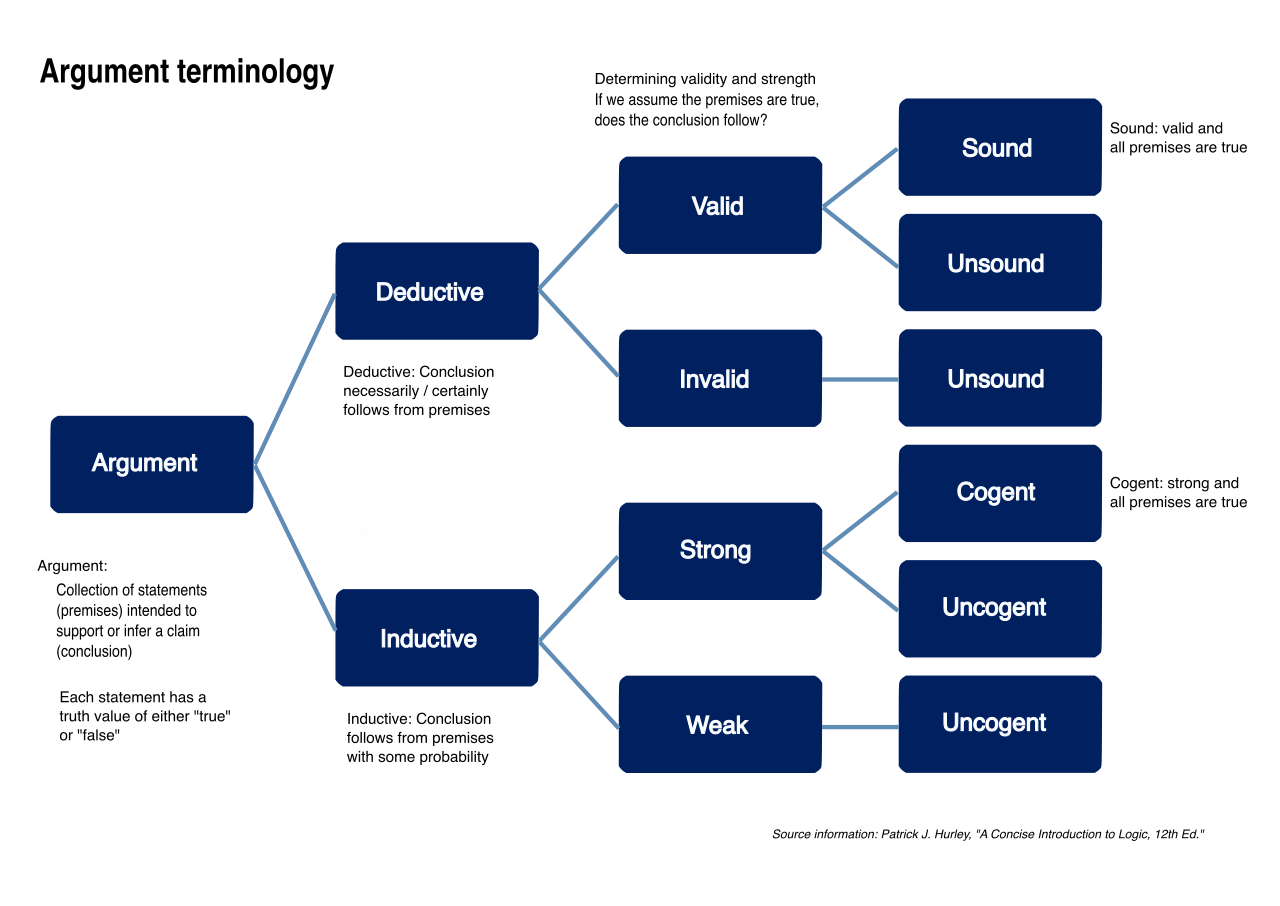
Crucially, strong arguments do not hide from debate. A robust argumentative text is like a scientific proof; it anticipates objections. Therefore, argumentative texts often include a counterargument paragraph to address opposing viewpoints. Recognizing this pivot is critical. If you miss the pivot, you might mistake the author's summary of an opposing view for the author's actual thesis.
The Praxis Core Reading exam will rarely ask you a simple, rote question. Instead of just asking for the main idea, Praxis Core Reading questions often ask test-takers to identify the primary function of a specific paragraph.
They are asking: What work is this paragraph doing for the author?
When analyzing a specific paragraph, ask yourself how it serves the whole. For instance:
- A paragraph's primary function might be to provide a concrete example of an abstract concept. (The previous paragraph explained "inflation" in economic terms; this paragraph explains how a $5.00 loaf of bread becomes an $8.00 loaf of bread).
- A paragraph's primary function might be to concede a point to an opposing argument. (The author admits that yes, electric vehicles are currently expensive, before pivoting back to their environmental benefits).
- A paragraph's primary function might be to introduce a new perspective on the main topic. (Shifting from the economic impacts of a policy to the psychological impacts).
The real world is messy, and professional writing reflects that. Identifying the overall structural framework requires analyzing the relationship between individual paragraphs. You must zoom out and look at the forest, not just the trees.
However, beware of a common trap: assuming a text uses only one structure. A passage can utilize multiple organizational structures simultaneously. Just as a house has a primary frame but contains complex internal plumbing and electrical systems, a reading passage contains micro-structures within its macro-structure.
For example, imagine an essay comparing the American Revolution to the French Revolution. The macro-structure is clearly Compare and Contrast. But within that essay, how does the author explain the specific events of the French Revolution? They will likely use a timeline. Thus, a compare and contrast passage might contain a nested chronological structure within a single paragraph.
Do not let a chronological signal word in paragraph three trick you into thinking the entire passage is purely chronological. Evaluate the whole blueprint.
By mastering these frameworks, you are doing more than preparing for a licensure exam. You are developing the analytical vision required of a master teacher. You are learning to look at a dense wall of text, see straight through the bricks, and admire the beautiful, deliberate scaffolding beneath.