Evaluating Evidence
Not sure you’re ready?
Take the ~3-minute readiness diagnostic and see where you stand.
A seventh-grader stands by your desk, hands empty, and declares, "I couldn't finish my math worksheet because my little brother tore it up." As an educator, your immediate instinct is to look for proof. You might notice the cleanly cut edge of a paper sticking out of their binder, or perhaps you remember from parent-teacher conferences that this particular student is an only child. In that microsecond, you are not merely listening; you are evaluating evidence. You are dismantling an argument, isolating its central claim, and checking the structural integrity of the supporting details.
This is exactly what you are asked to do on the Praxis (5713) Core Reading exam, albeit with formal academic passages rather than classroom excuses. To succeed, you must approach reading not as a passive sponge absorbing information, but as a structural engineer probing a bridge for weaknesses.
The Integration of Knowledge and Ideas section comprises approximately 30 percent of the Praxis Core Reading exam. This massive chunk of your score relies heavily on your ability to deconstruct arguments. More specifically, the Praxis Core Reading exam requires test-takers to identify how a specific piece of new information affects a passage's argument.
To do this consistently, we must first establish a shared vocabulary of logic.
An argument consists of a main claim supported by premises or evidence.
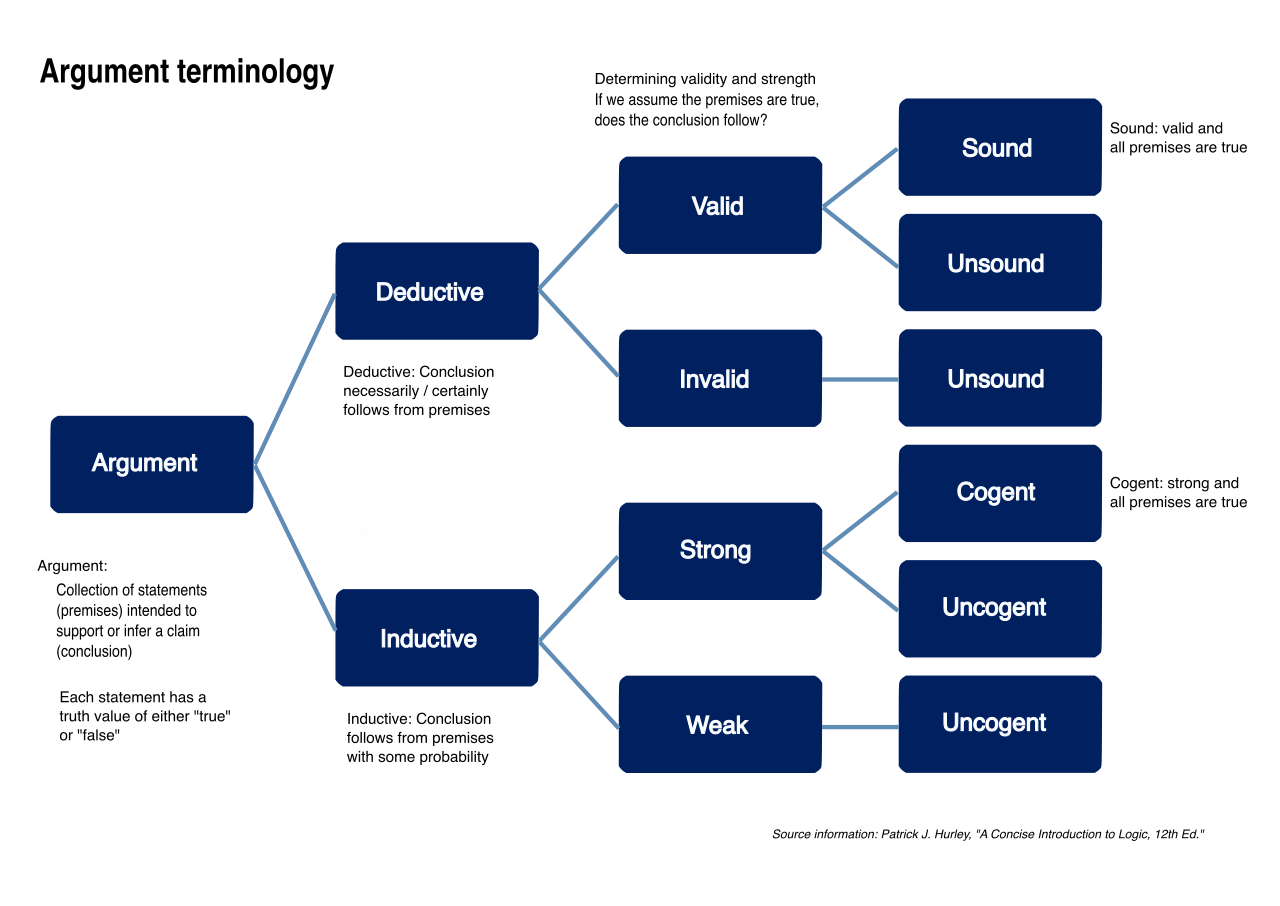
If we strip away the rhetorical flourish, every argument is just a skeleton. At its head is the claim. A claim is a debatable statement that requires proof to be accepted as true. "The school day should start at 9:00 AM" is a claim. It is debatable. It is not an eternal truth; it requires heavy lifting to convince the reader.
That heavy lifting is done by the premises. Evidence consists of the facts, statistics, examples, or expert opinions used to support a claim. But evidence does not just speak for itself. It must be woven together by the mind of the author, and this is where we find the invisible joints holding the argument together: the assumptions.
An assumption is an unstated belief that bridges the logical gap between evidence and a conclusion. Imagine a school board member argues, "We must cut the music program (claim) because the district is facing a $50,000 budget shortfall (evidence)." What is the bridge connecting that evidence to that conclusion? The unstated assumption is that the music program is the only or most expendable way to save $50,000.
Identifying underlying assumptions is necessary to fully evaluate the strength of an author's evidence. If you cannot see the invisible bridge, you cannot test whether it will hold weight.
Before we can decide if evidence is strong or weak, we must pass it through two strict filters: relevance and validity.
Filter 1: Relevance
The first question an engineer asks of a material is, "Does this actually connect to the structure?"
Relevant evidence shares a direct logical connection to the specific claim being made. If the author's claim is that a new phonics program improves reading comprehension, relevant evidence would be reading test scores before and after the program's implementation.
Irrelevant evidence does not logically relate to the core argument. If the author suddenly starts praising the phonics program because "the textbooks have beautiful, colorful illustrations," they have lost the thread. Pretty pictures do not prove comprehension. Irrelevant evidence can distract a reader without proving or disproving the main argument. Test writers love to hide irrelevant evidence in answer choices because it sounds positive, tricking readers who mistake "good information" for "relevant proof."
Filter 2: Validity
If the evidence is relevant, the second question is, "Is this material solid?" Evaluating the validity of evidence requires assessing the credibility of the information source.
To pass the test of validity, two criteria must be met:
- Valid evidence requires factual accuracy. (The data must be real).
- Valid evidence requires logical soundness. (The data must make sense in context).
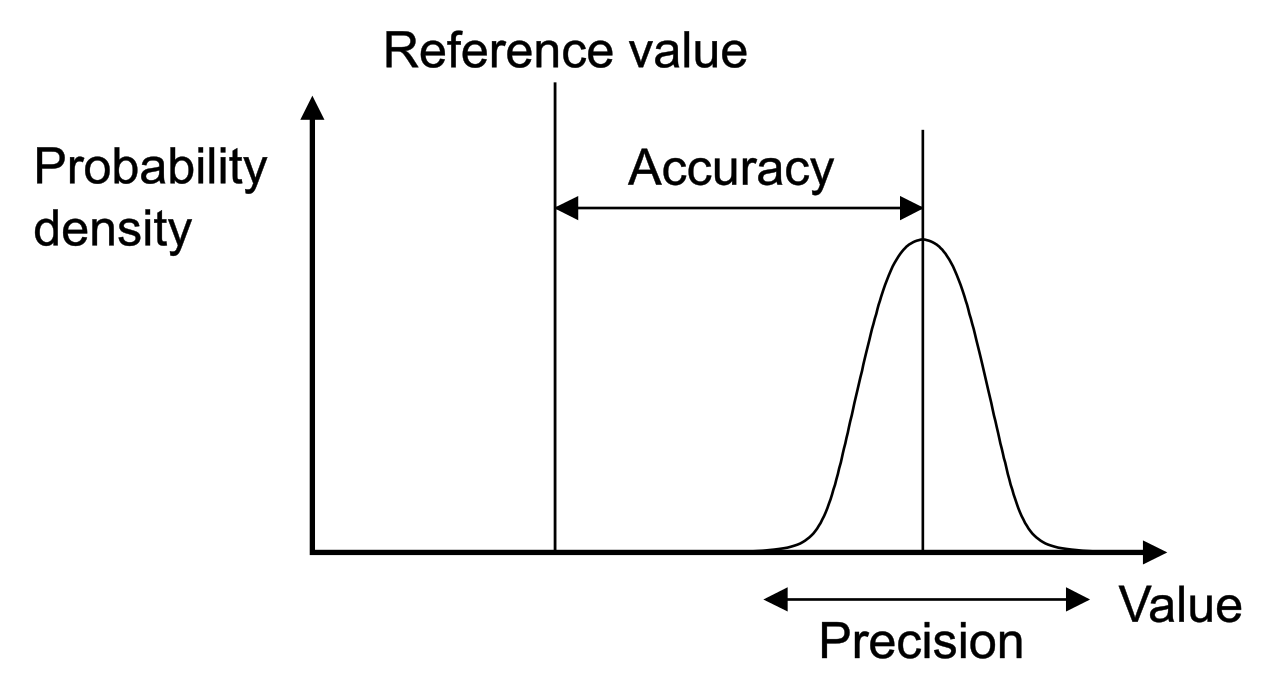
To properly evaluate evidence, a reader must distinguish between objective facts and subjective opinions.
- Objective facts can be independently verified by external sources. (e.g., "The state increased the education budget by 4 percent.")
- Subjective opinions cannot be independently verified by external sources. (e.g., "The state's education budget is finally adequate.")
On the Praxis exam, you will frequently encounter questions that ask, "Which of the following, if true, would most strengthen/weaken the author's argument?"
Think of an argument as a tug-of-war. Information pulling in the same direction as the claim strengthens it; information pulling in the opposite direction weakens it.
Strengthening the Argument
Strengthening evidence increases the probability that an argument's conclusion is true. We can achieve this in several precise ways:
- Corroboration: Evidence strengthens an argument by corroborating the existing premises. What does this mean? Corroborating evidence is independent data that supports an initial piece of evidence. If one study shows early recess improves focus, a second, independent study showing the exact same result corroborates the premise.
- Eliminating Alternatives: Evidence strengthens an argument by eliminating alternative explanations. If a teacher claims that a new software caused an increase in math scores, a skeptic might say, "Maybe the test was just easier this year." If the teacher provides evidence that the test difficulty was mathematically identical to last year, they have eliminated the alternative explanation, thereby strengthening their own claim.
- Validating Assumptions: Remember the invisible bridge? Evidence that validates an unstated assumption effectively strengthens the overall argument.
- Rebutting the Opposition: Good arguments anticipate attacks. Rebutting a counterargument with valid evidence strengthens the original claim.
Weakening the Argument
Conversely, weakening evidence decreases the probability that an argument's conclusion is true. It acts as a sledgehammer to the structure.
- Direct Contradiction: Contradictory evidence directly opposes the claims made in a given argument. If an author claims a species of bird is extinct, a verified photograph of that bird taken yesterday is contradictory evidence.
- Demonstrating Flaws: Evidence weakens an argument by demonstrating a flaw in the author's reasoning.
- Providing a Counterexample: Evidence weakens an argument by providing a counterexample to a generalized claim. If the author claims, "All public high schools in the state have seen a decline in enrollment," you only need to point to one public high school with rising enrollment to shatter the generalization.
- Introducing Alternatives: Evidence weakens an argument by introducing a more plausible alternative explanation. If an author claims students are falling asleep in class because the lectures are boring, introducing evidence that a carbon monoxide leak was found in the ventilation system provides a much more plausible (and urgent) alternative explanation.
- Attacking Assumptions: Break the invisible bridge. Evidence that attacks an unstated assumption effectively weakens the overall argument.
| Action | Impact on Probability of Conclusion | Strategic Method |
|---|---|---|
| Strengthen | Increases | Corroborate premises, eliminate alternatives, validate assumptions, rebut counterarguments. |
| Weaken | Decreases | Contradict claims, demonstrate flaws, provide counterexamples, introduce alternatives, attack assumptions. |
Not all evidence is created equal. As future educators looking at educational research, you must recognize the hierarchy of data.
At the lower end, we have personal stories. Anecdotal evidence relies on personal stories or isolated historical examples. "My grandfather smoked a pack a day and lived to be ninety!" That is an anecdote. While human and compelling, anecdotal evidence is generally considered logically weaker than broad empirical data.
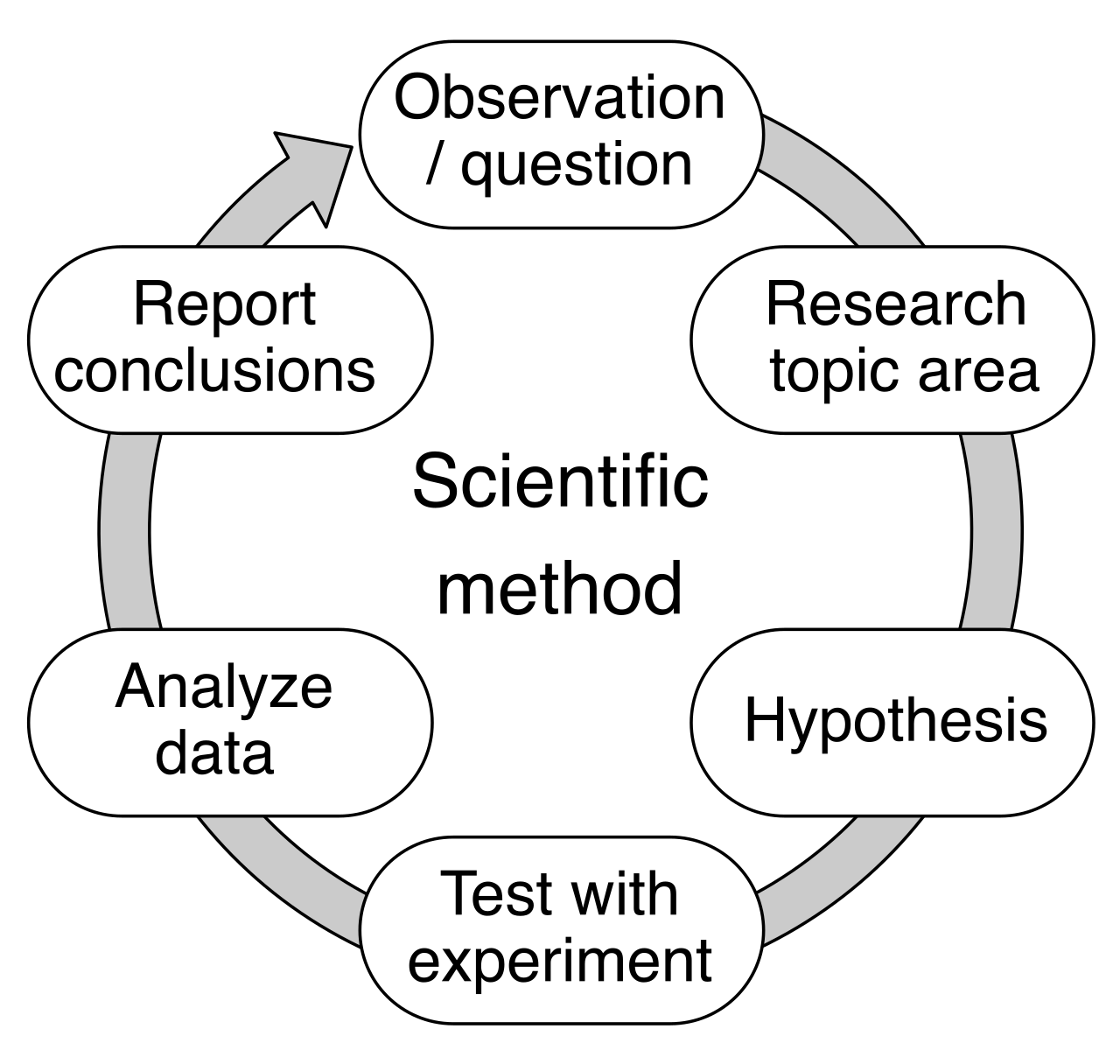
At the higher end is science. Empirical evidence is based on observation, experience, or verifiable scientific experimentation. Rather than one grandfather, empirical evidence looks at 100,000 smokers over fifty years. Consequently, empirical evidence provides stronger support for a generalized claim than anecdotal evidence.
We also frequently rely on experts. Expert testimony involves using the opinion of a recognized authority as evidence. But be warned: authority is not universal. The validity of expert testimony depends on the expert's qualifications in the specific field being discussed. A Nobel laureate in astrophysics is brilliant, but their testimony on the best practices for teaching kindergarten phonics carries no more logical weight than a layperson's. The expertise must align exactly with the claim.
Arguments frequently collapse because the author relies on broken logic. A logical fallacy is a flaw in reasoning that undermines the logical validity of an argument. When you are evaluating an author's text on the Praxis, identifying a logical fallacy in the evidence invalidates the support for the conclusion.
Here are the most common traps you must be ready to spot:
1. The Correlation/Causation Trap
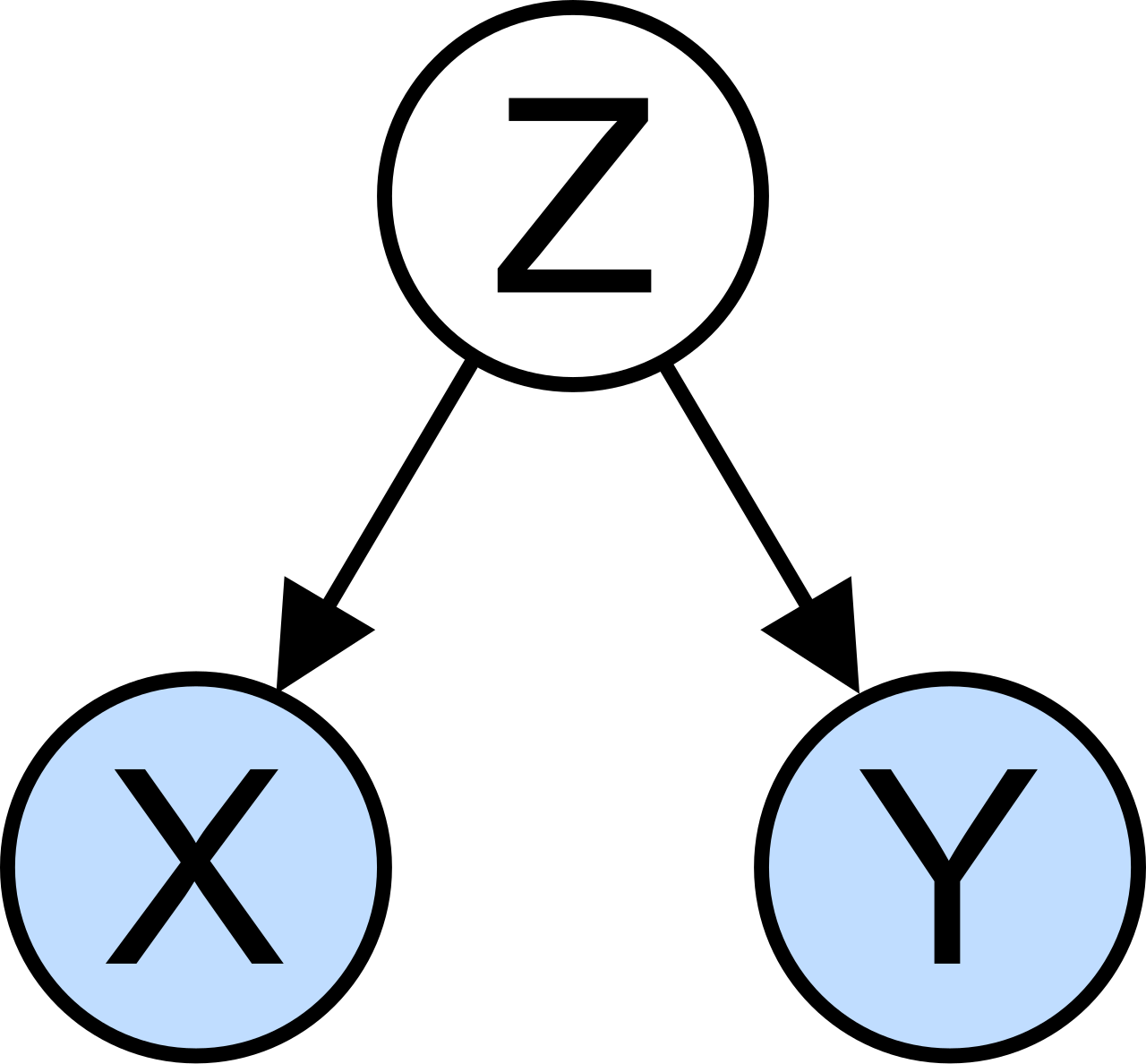
Just because two things happen together does not mean one caused the other. In summer, ice cream sales go up. Also in summer, swimming pool drownings go up. Do ice cream sales cause drownings? No. The underlying variable is the hot weather.
Correlation between two variables does not automatically prove causation. Therefore, evidence establishing only a correlation is insufficient to validate a claim of direct causation. If a passage argues that a new school uniform policy caused higher GPAs simply because GPAs went up the year uniforms were introduced, the argument is deeply flawed.
2. The Unrepresentative Sample
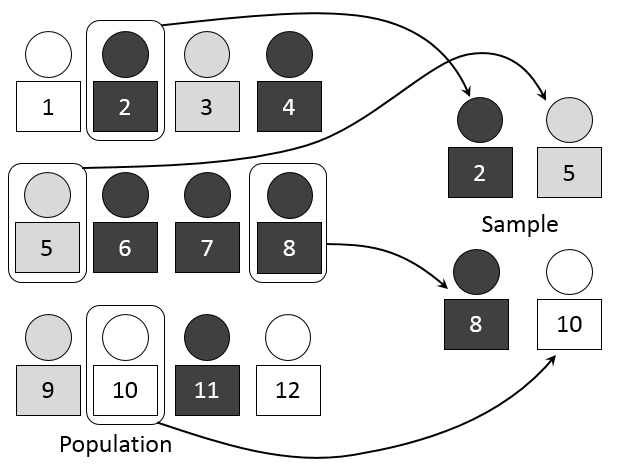
When authors use statistics, look closely at who they asked. A representative sample is necessary for statistical evidence to validly support a general conclusion. If an author claims, "90% of students think the school lunch period is too long," but you discover they only surveyed the students who eat off-campus, the sample is skewed. Statistical evidence drawn from an unrepresentative sample weakens the validity of an argument.
3. The Infection of Bias
We must always ask who is funding the research. Bias occurs when a source has a vested interest in a particular outcome. If a study concluding that standardized tests are flawless is fully funded by the corporation selling the standardized tests, red flags should fly. Bias can compromise the objective validity of presented evidence. It does not automatically mean the data is false, but it severely weakens the credibility of the source.
4. Appeals to Emotion
Sometimes, an author will run out of facts and start trying to make you cry or get angry. Appeals to emotion use manipulative language to persuade an audience. "If we don't adopt this curriculum, we are dooming our precious children to a dark, hopeless future!" This is theater, not logic. Appeals to emotion are not considered logically valid evidence in a formal academic argument.
When you sit down for the Praxis Core Reading exam, remember that reading is an active, diagnostic process. You are the architect looking at the blueprints of someone else's mind.
Locate the claim. Weigh the evidence. Dig for the unstated assumptions. Differentiate the objective facts from the subjective opinions. Strip away the emotional manipulation, test the validity of the experts, and look out for logical fallacies. If you master the mechanics of how new information strengthens or weakens a core premise, you won't just pass the Praxis exam—you will possess the precise critical thinking required to advocate fiercely and logically for your future students.