Identifying Inferences from Stated Content
Not sure you’re ready?
Take the ~3-minute readiness diagnostic and see where you stand.
When observing a seventh-grade classroom, an educator might notice a student repeatedly checking the clock, tapping a pencil against the desk, and exhaling loudly during a lecture on fractions. The explicit data is simple: clock-checking, pencil-tapping, sighing. From this observable evidence, the educator deduces that the student is losing focus. This deduction is an inference—a logical conclusion drawn directly from observable facts rather than a plainly stated declaration of the student's internal state. However, concluding that the student specifically hates mathematics, or that they slept poorly the night before, requires leaping far beyond the available evidence.
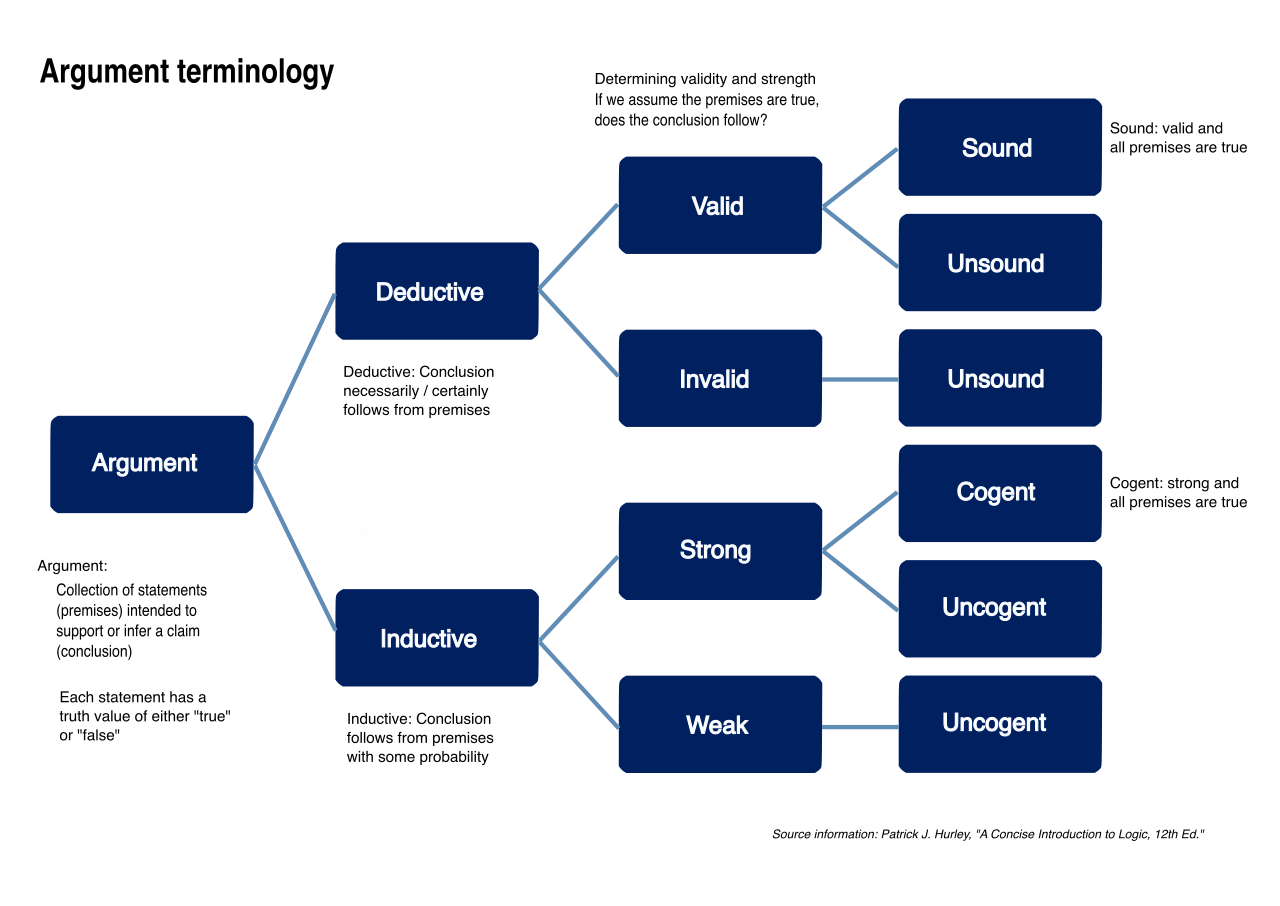
The Praxis 5713 Core Reading exam tests the ability to analyze and draw conclusions exclusively from provided reading passages, mimicking this exact cognitive boundary. As an educator, you must constantly separate what is actually in front of you from what you assume to be true. On the exam, mastering this distinction is the difference between selecting a rigorously proven answer and falling for a cleverly disguised trap.