Continuity of Care and Establishing Priorities
Not sure you’re ready?
Take the ~3-minute readiness diagnostic and see where you stand.
Mastering the Chaos: Continuity of Care and Establishing Priorities
Welcome! Pull up a chair. Let’s talk about what actually happens when you put on those scrubs and walk onto the floor.
A lot of people think nursing is just a series of isolated actions: you push a medication, you change a dressing, you check a blood pressure. But that is completely missing the magic of it. Nursing isn't a checklist; it’s a dynamic, flowing continuum of information, biology, and time. You are managing a constantly shifting puzzle of human needs.
To survive and thrive in this environment—and to absolutely crush the NCLEX-PN—you need to understand two fundamental forces: Prioritization (what do I do right now?) and Continuity of Care (how do I safely hand this patient off to the next person, or send them home?).
Let's break down these concepts, not by memorizing dry rules, but by understanding the deep, logical why behind them.
Imagine walking onto your unit at 7:00 AM. You have four patients. One is complaining of severe pain, another has a heart rate of 130 beats per minute, a third needs a routine dressing change, and the fourth is upset because their breakfast is cold. Who do you see first?
You can't do everything at once. You must prioritize. To do this, we use distinct, universally accepted frameworks to decide who needs our attention immediately and who can wait.
The Absolute Baseline: ABCs
The human body is an incredible machine, but it has a very strict sequence of dependencies. The Airway, Breathing, and Circulation framework dictates the order of immediate life-saving interventions.
Think of it like a plumbing and engine system:
- Airway: Is the pipe open? If the airway is blocked, nothing else matters. You can't breathe if air can't get in.
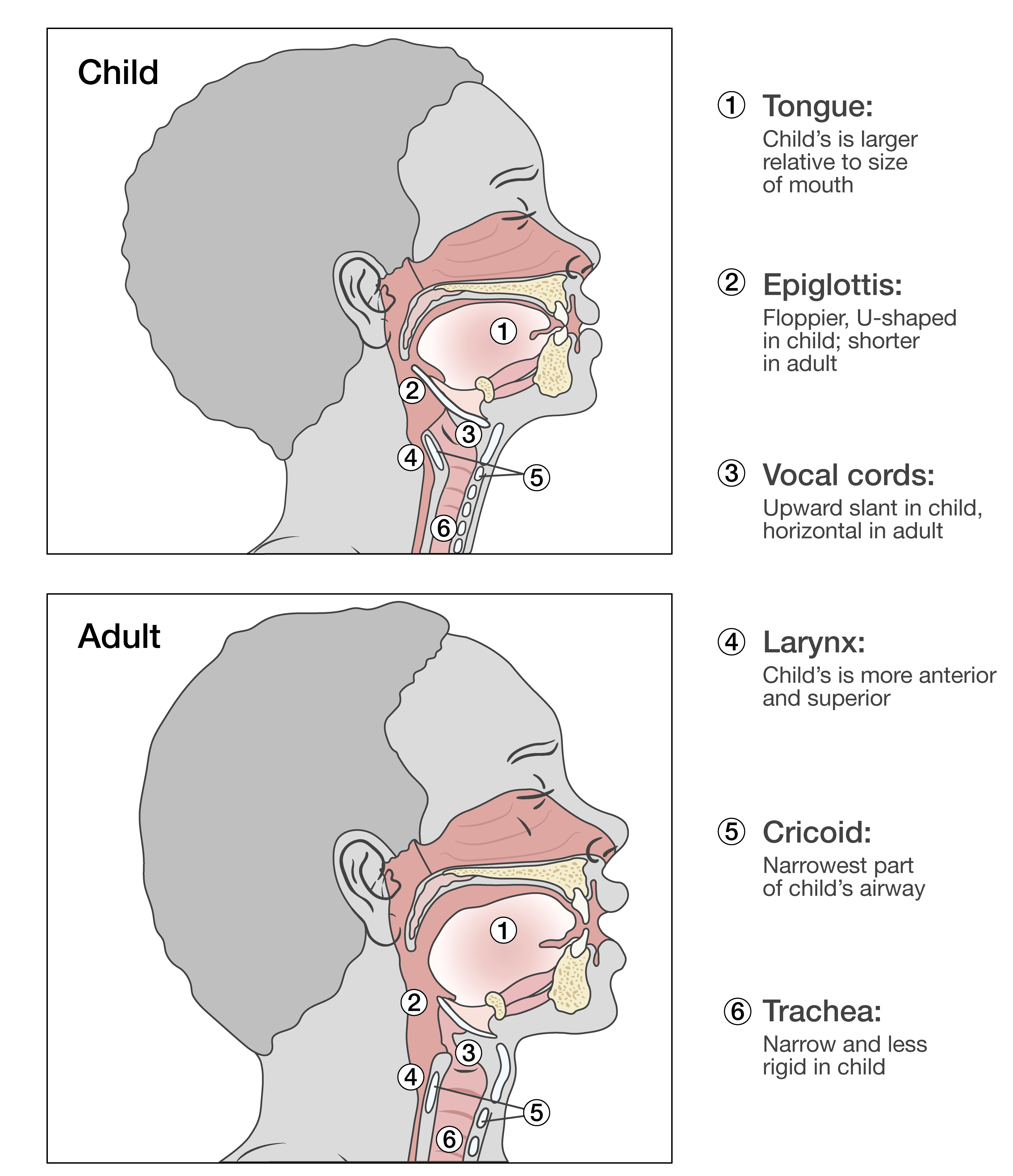
- Breathing: Is the pump working? Is gas exchange happening?
- Circulation: Is the blood carrying that oxygen to the rest of the body?
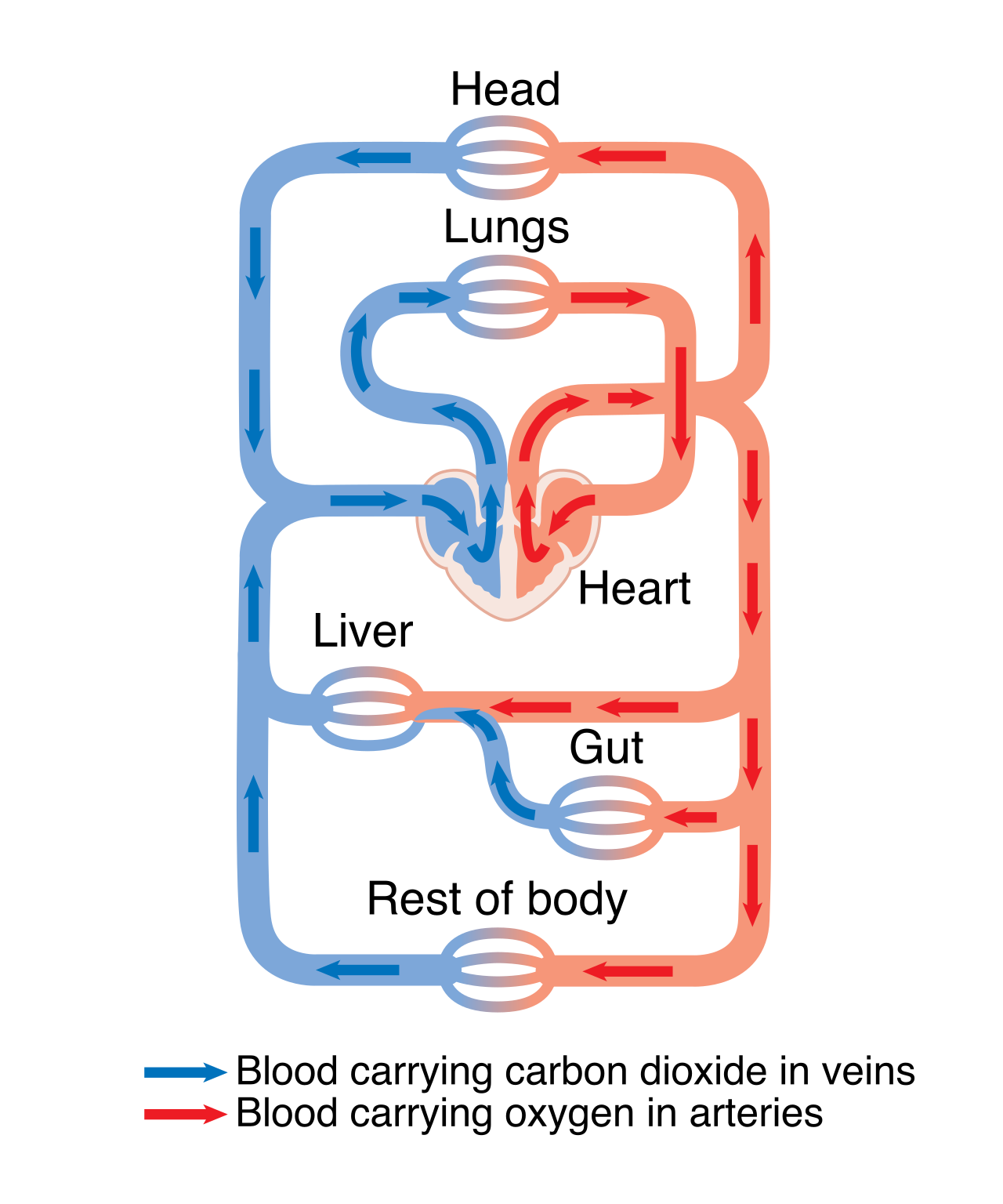
Always prioritize an Airway problem over a Breathing problem, and a Breathing problem over a Circulation problem.
Maslow’s Hierarchy of Needs
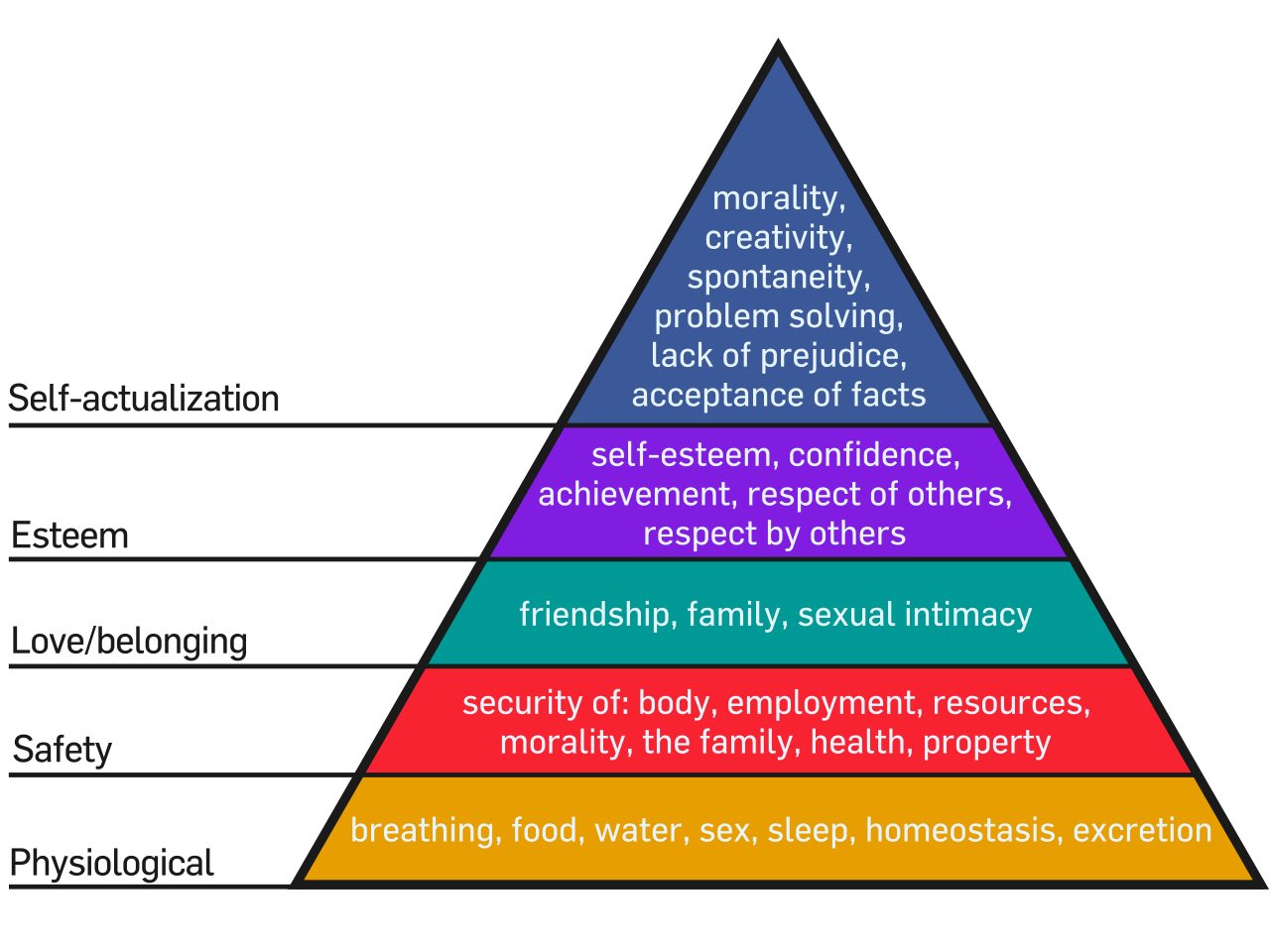
Abraham Maslow gave us a beautiful pyramid of human needs. In nursing, the rule is simple: Maslow's Hierarchy of Needs establishes that physiological needs require attention before psychosocial needs.
If a patient is suffocating (physiological), they are not going to care about their self-esteem or their anxiety regarding tomorrow's procedure (psychosocial). Fix the body first, then tend to the mind.
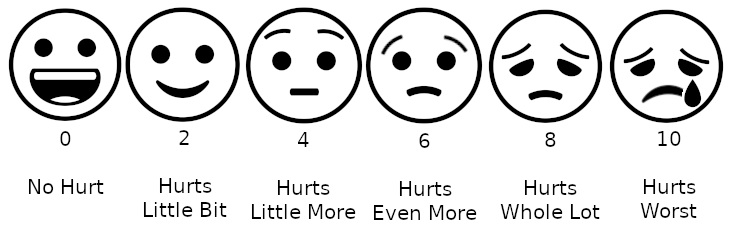
Crucial NCLEX Insight: Never underestimate pain. Pain management is considered a high-priority physiological need when prioritizing client care. It drastically impacts heart rate, breathing, and healing. Treat pain as a critical physiological barrier to recovery.
The Four Golden Rules of Prioritization
Beyond the ABCs and Maslow, the NCLEX will test your clinical judgment using four distinct dichotomies. Commit these to your intuition:
| Priority Framework | Explanation | Example |
|---|---|---|
| Acute > Chronic | Clients with acute or unstable conditions require priority care over clients with chronic or stable conditions. An acute condition is new, unpredictable, and the body hasn't adapted to it. | A patient having a sudden asthma attack (Acute) takes priority over a patient with a 10-year history of COPD who is resting comfortably (Chronic). |
| Unexpected > Expected | Clients displaying unexpected clinical findings take priority over clients displaying expected clinical findings. We expect a fresh surgical patient to have some incisional pain. We do not expect them to suddenly stop talking. | A post-op patient with a sudden drop in blood pressure (Unexpected) beats a post-op patient with mild wound drainage (Expected). |
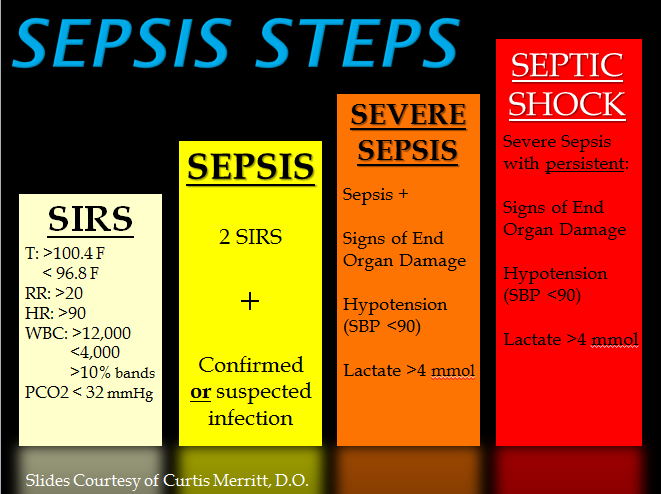
| Systemic > Localized | Systemic clinical conditions take prioritization precedence over localized clinical conditions. A systemic issue involves the whole body; a localized issue is contained. | A patient showing signs of widespread sepsis (Systemic) is a higher priority than a patient with a localized toe infection (Localized). |
The Feedback Loop
Priorities are not set in stone at the beginning of your shift. Evaluating the outcome of nursing interventions is a continuous process that dictates shifting care priorities.
You give a pain pill. You check back. Did the pain go away? Did their breathing slow down too much? Every intervention changes the patient's state, which means you must constantly re-evaluate and re-prioritize. It is an endless, fascinating feedback loop.
A hospital is a system naturally leaning toward chaos (entropy). Your job is to impose order. Good time management isn't just about walking faster; it’s about thinking smarter.
How do we do this?
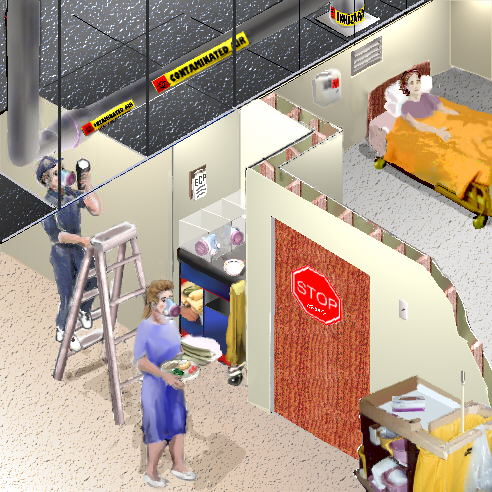
- Reduce your footsteps. Effective time management involves gathering all necessary supplies before entering a client's room. Imagine walking into an isolation room, putting on your gown, gloves, and mask, only to realize you forgot the saline flush. You have to take everything off, leave, get the flush, and start over. That is wasted time. Think ahead. Play the tape of the procedure in your head and grab what you need.
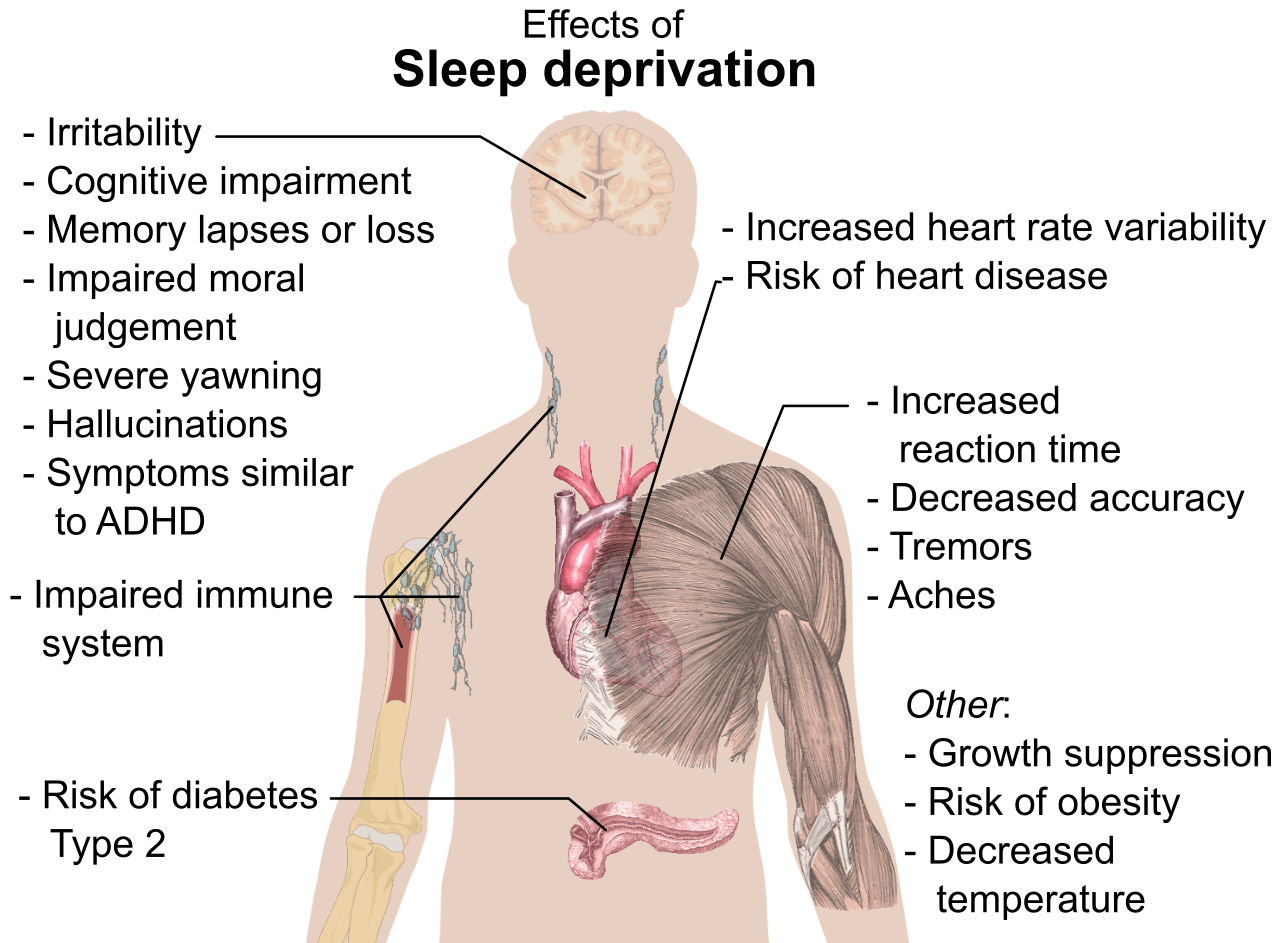
- Cluster your care. Grouping routine nursing tasks together minimizes interruptions to client rest periods. Healing requires deep, uninterrupted sleep. If you wake the patient at 2:00 AM for vital signs, 3:00 AM for medication, and 4:00 AM for a blood draw, you are harming their recovery. Group those tasks into a single 2:00 AM visit.
When you end your shift, or when a patient moves to a different unit or facility, the care doesn't stop. The continuity of care must be flawless. Think of this like a relay race. If you drop the baton during the handoff, the team loses.

The Handoff Report
Information lost during shift changes is a leading cause of medical errors. To fix this, we don't just chat; we use structured, algorithmic communication.
Standardized handoff communication tools include the Situation, Background, Assessment, and Recommendation (SBAR) format. Why do we use SBAR? Because standardized handoff communication minimizes the risk of omitted critical client information during shift changes. It forces you to cover every necessary detail in a logical sequence.
When giving these handoff reports, remember that time is linear. The receiving nurse needs to know what just happened. Therefore, handoff reports must include any recent changes in the client's condition.
We also bring the patient into the loop! Bedside shift reports allow clients to participate in the client care planning process. By doing the handoff in front of the patient, they can correct errors ("Actually, my pain is much worse than it was an hour ago") and feel empowered in their own care.
The Journey: Admission to Discharge
1. Admission
Continuity starts the second the patient arrives. Did you know that discharge planning begins at the time of client admission? We immediately start asking: What is their home setup? Do they have stairs? This allows us to map out the entire trajectory of their stay.
Also, we must protect their property. The Practical Nurse documents client belongings upon admission and verifies client belongings during discharge. Keep a strict inventory. A lost pair of dentures is a massive, life-altering problem for an elderly patient!
2. Unit Transfers & New Facilities
Sometimes patients get better (moving from ICU to a step-down unit) or need specialized care (moving to a long-term care facility).
- Forms: The Practical Nurse assists in completing client transfer forms when a client moves to another unit.
- The Content: A transfer report must include the client's current physical condition and current prescribed interventions.
- The Ultimate Question (Code Status): If a patient's heart stops during transport, you need to know exactly what they want. The receiving nurse must be informed of the client's code status during a unit transfer.
- Going Outside: If the patient is leaving the building entirely, the Practical Nurse provides a verbal report to the receiving nurse when transferring a client to a new facility. Paperwork isn't enough; you must speak nurse-to-nurse to ensure complete understanding.
3. Discharge
Sending a patient home is dangerous if they don't know how to take care of themselves.
- Teaching: The Registered Nurse (RN) creates the initial teaching plan. However, the Practical Nurse reinforces discharge teaching initially performed by the Registered Nurse. It's a team effort. You will review the diet, the wound care, and the restrictions with the patient.
- Unresolved Issues: What if the patient is scheduled to go home, but their blood pressure is suddenly skyrocketing, or they still haven't received their home oxygen concentrator? Stop the presses! The Practical Nurse must report unresolved client issues to the Registered Nurse or healthcare provider prior to discharge. Never send a patient into an unsafe situation.
- Next Steps: They need to know what happens next. Follow-up appointment dates and times must be provided to the client during the discharge process.
- The Final Summary: The medical record needs closure. The Practical Nurse contributes data to the client discharge summary, ensuring all final vitals and responses to treatments are captured.
The Medication Reconciliation Masterstroke
One of the most dangerous times for a patient is when they transition from home to hospital, or hospital to rehab. Medications get mixed up. Dosages get changed.
To combat this, we perform a ritual called Medication Reconciliation.
Definition: Medication reconciliation involves comparing a client's current medication orders to all medications the client has been taking.
You look at what the doctor just ordered, and you compare it to the crumpled list of pills the patient brought from home. Are we duplicating a blood thinner? Did we forget their thyroid medication? Why do we do this? Because medication reconciliation prevents medication errors during transitions of care. It is your safety net.
In the world of healthcare, if it wasn't documented, it wasn't done. Your documentation is a legal transcript of the patient's reality.
The Art of Charting
When you write a note, you must act like a scientist. Client documentation must contain only objective data and direct client quotes.
- Wrong: "The patient is angry and acting crazy." (This is subjective and judgmental).
- Right: "The patient is pacing the room with clenched fists, stating, 'I am sick of waiting for the doctor!'" (This is objective observation and a direct quote).
Sometimes, despite your best efforts, you forget to chart something right when it happens. That's okay, but you must be honest about it. Late documentation entries must be clearly designated as late entries within the medical record. Never try to squeeze an entry in or fake the time. Integrity is everything.
The Vault: Protecting Health Information
We are entrusted with people's deepest secrets. Their diagnoses, their struggles, their lab results.
The Health Insurance Portability and Accountability Act (HIPAA) mandates the secure recording and storage of client health information. It is a federal law.
In the modern hospital, everything is digital. This means your electronic health record (EHR) is the gateway to this secure vault.
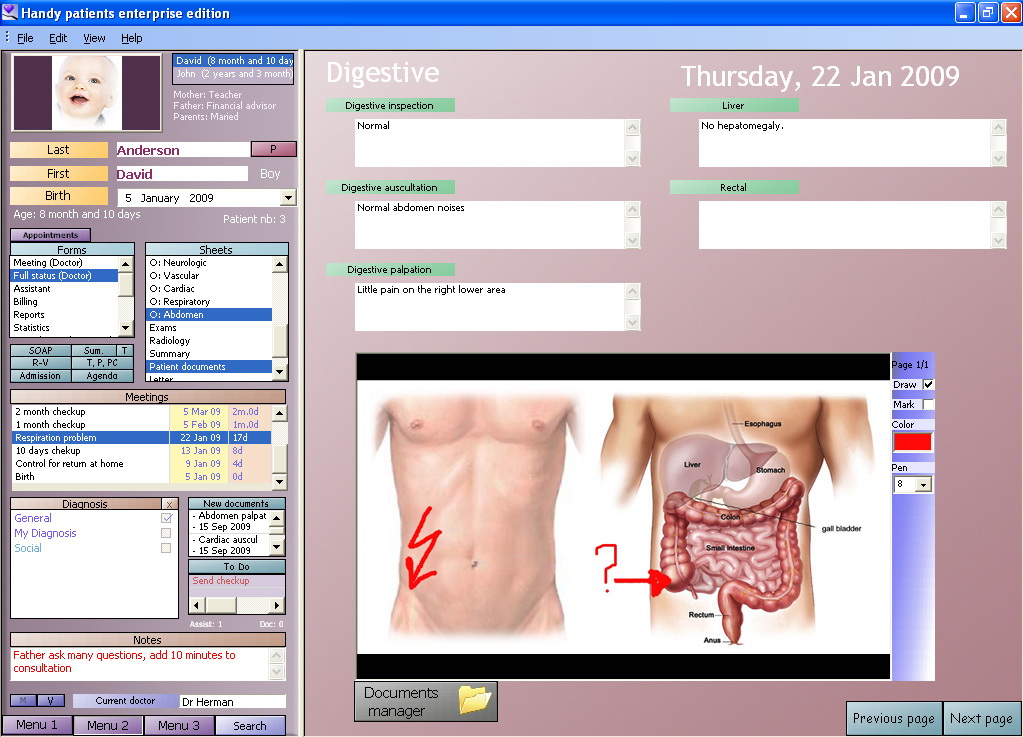
- Lock the door behind you: Nurses must log off electronic health record systems immediately upon stepping away from the computer terminal. If you walk away to silence an IV pump, log off. It takes two seconds. If you leave it open, anyone passing by can view confidential data under your name.
- Protect the keys: Healthcare personnel must never share electronic health record passwords with coworkers. Not even if your best friend forgot theirs. Not even if the doctor asks to use your terminal to place a quick order. Never. Your password is your digital signature, and you are legally responsible for everything done under it.
When you look at it through this lens, Continuity of Care and Prioritization aren't just bureaucratic red tape. They are the beautiful, complex choreography that keeps human beings alive and safe in our healthcare system.
You prioritize to save the brain and the body. You manage time to protect the patient's healing environment. You secure the record to protect their dignity. And you pass the baton flawlessly—through handoffs, transfers, and brilliant discharge planning—to ensure that the care you started is successfully carried across the finish line.
Master this, and you will not only conquer the NCLEX-PN; you will become a profoundly impactful nurse. Now, go out there and practice the art!