Nutrition, Hydration, and Elimination
Not sure you’re ready?
Take the ~3-minute readiness diagnostic and see where you stand.
Welcome to the study of Nutrition, Hydration, and Elimination! Think about the human body like a masterfully designed, dynamic engine. It needs fuel (nutrition), it needs a constant circulation of coolant (hydration), and it absolutely must clear out its exhaust and waste safely (elimination).
As a nurse, you are the chief engineer of this remarkable system. When it works perfectly, it’s a beautiful thing. But when a valve sticks, a pump slows down, or a pipe gets clogged, it’s your job to step in, understand why the mechanics are failing, and apply the perfect physiological fix. Let’s dive into the fascinating, elegant physics and biology of keeping your patients fueled, hydrated, and flowing!
Normally, taking in fuel is simple. But what happens when the very mechanics of swallowing fail? We call this dysphagia, which is simply the medical term for difficulty swallowing.
Why do we care? Because the human throat is a busy intersection. The path to the stomach (esophagus) and the path to the lungs (trachea) sit right next to each other. Dysphagia significantly increases a client’s risk for aspiration—the terrifying event where food or fluid drops into the respiratory tract instead of the digestive tract.
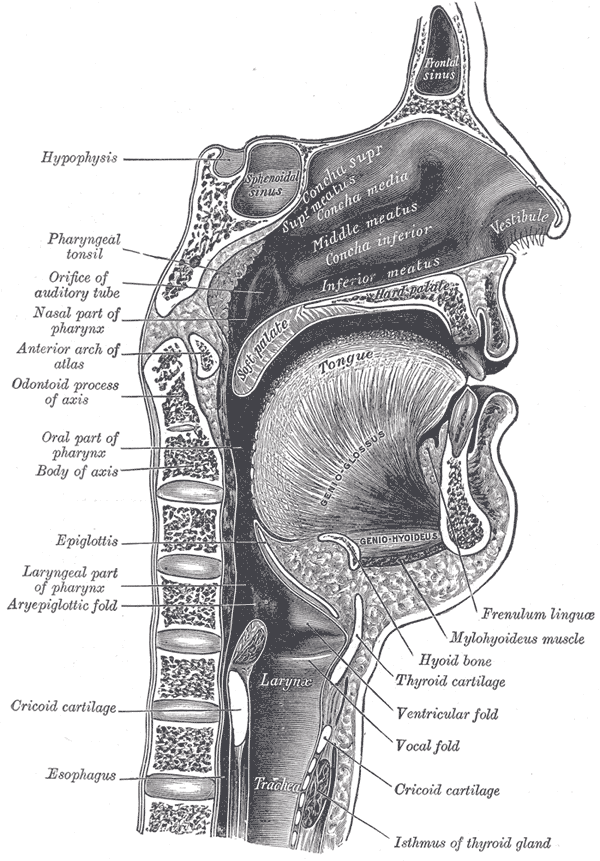
How do you spot this engine misfiring? Watch your client closely. Signs of dysphagia include coughing during meals, pocketing food in the cheeks, and a wet-sounding voice after swallowing. That "wet" sound is a red alarm; it means fluid is hovering right over the vocal cords.
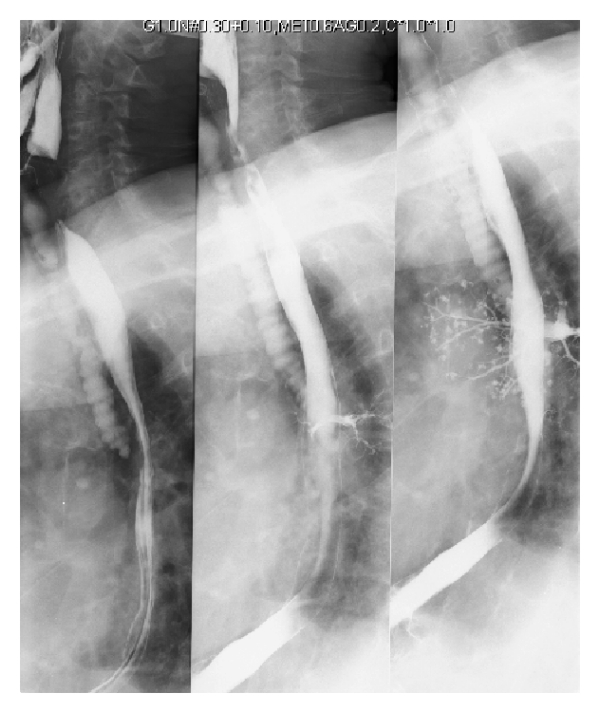
The Physics of Safe Swallowing
If the swallow reflex is weak, we have to use gravity and anatomy to our advantage. First, posture! The nurse should instruct the client to remain upright for 30 minutes after oral meals. Second, the maneuver: Clients with dysphagia should swallow with the chin tucked toward the chest. Why does this work? It’s pure anatomy. The chin-tuck maneuver narrows the airway opening, and naturally, narrowing the airway opening reduces the risk of aspiration during swallowing. You are physically closing the door to the lungs!
Modifying the Fuel: Liquid Consistencies
Thin liquids, like water, move fast. They are incredibly dangerous for a dysphagia patient because they splash right past the weak swallow muscles and into the lungs. By adding resistance (viscosity), we slow the fluid down, giving the muscles time to react. Therefore, thickened liquids are easier for clients with dysphagia to swallow than thin liquids.
| Consistency Level | Physical Properties |
|---|---|
| Thin | Water, coffee, plain juice. (Moves rapidly, high aspiration risk). |
| Nectar-thick | Viscous enough that it falls slowly from a spoon, like maple syrup. |
| Honey-thick | Denser; it drops from a spoon in a thick mass. |
| Pudding-thick | Practically solid. It maintains its shape and must be eaten with a spoon. |
Diet Progressions: Texture is Everything
When a patient is recovering from illness or surgery, we don't just hand them a steak. We introduce foods based on what the gastrointestinal tract can handle.
- Clear liquid diets: Think "see-through." This includes water, broth, clear juices, and gelatin. It leaves almost no residue in the gut.
- Full liquid diets: A step up. It includes all clear liquids plus milk, pudding, and strained creamy soups.
- Pureed diet: For those who can't chew. It consists of food blended to a smooth, pudding-like consistency.
- Mechanical soft diet: For those with mild chewing issues. It includes ground meats, flaked fish, and soft cooked vegetables. It’s essentially normal food that has been mechanically altered to require less jaw work.
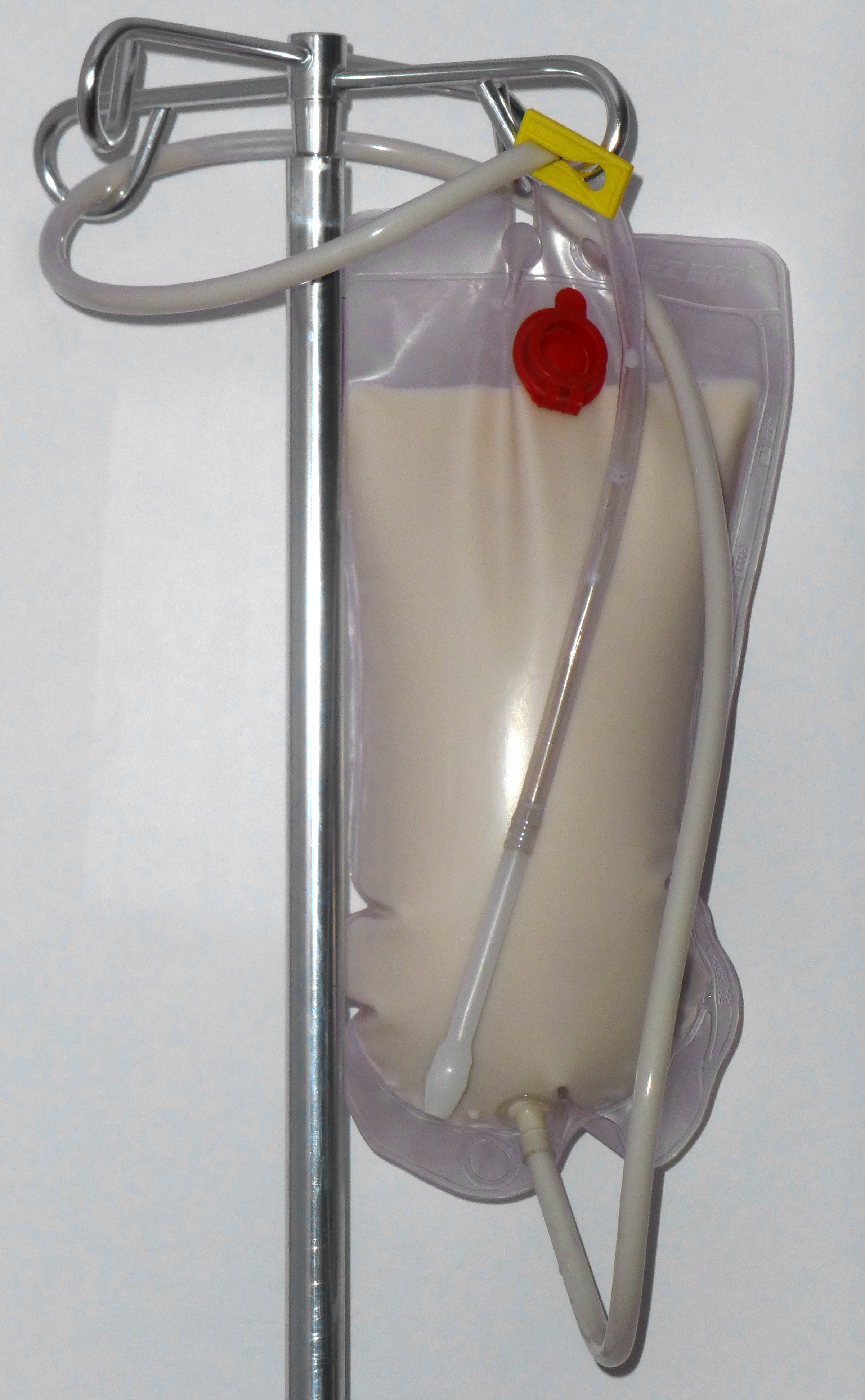
Sometimes, the oral route is completely off-limits, but the gut still works perfectly. We have a saying: "If the gut works, use it!" To do this, we bypass the mouth with an enteral feeding tube.

Location, Location, Location!
You are sliding a tube blindly down a patient's throat. How do you know if it went into the stomach, or if it took a wrong turn into the lungs? This is a life-or-death question.
Crucial Rule: Radiographic verification (an X-ray) is the most reliable method to confirm initial enteral feeding tube placement.
But you can't get an X-ray every time you touch the tube. So, for ongoing checks, we use chemistry—specifically, pH levels! The nurse must check enteral tube placement before administering any fluid, medication, or feeding. You pull back a little fluid (aspirate) and test it:
- Gastric aspirate pH of less than 5.5 indicates correct gastric placement of an enteral tube. The stomach is a vat of hydrochloric acid!
- If the tube is in the lungs, the pH will be much higher. Respiratory tract aspirate typically has a pH greater than 6.0.
- If the tube slipped too far down into the intestines, the pH shifts alkaline. Intestinal aspirate typically has a pH greater than 7.0.
Keeping the Pipes Clean: The Magic of 30 mL
A clogged feeding tube is a nightmare. It requires replacing the tube and putting the patient through the trauma of reinsertion. Prevent it with rigorous flushing!
- Enteral tubes should be flushed with 30 mL of water before medication administration.
- Enteral tubes should be flushed with 30 mL of water after medication administration.
- If feeding around the clock, enteral tubes should be flushed with 30 mL of water every 4 hours during continuous feeding.
The Dynamics of Enteral Feeding
When you introduce the feed, you must respect the biology of the stomach. First, temperature. Enteral feedings must be administered at room temperature. Why? Because your core body temperature is warm. Cold enteral feedings can cause severe abdominal cramping as the stomach aggressively spasms in response to the shock.
Second, hygiene. Liquid nutrition is a perfect breeding ground for bacteria. Thus, enteral feeding bags and tubing must be changed every 24 hours to prevent bacterial growth.
Third, capacity. Is the stomach actually emptying the food you are putting in? For continuous feeds, gastric residual volume should be checked every 4 to 6 hours.
- A gastric residual volume exceeding 500 mL indicates delayed gastric emptying. The stomach is full and backed up!
- Why is this an emergency? Because physics dictates that fluid takes the path of least resistance. If the stomach overflows, the fluid travels back up the esophagus. Therefore, delayed gastric emptying increases the risk of pulmonary aspiration.
Finally, gravity! Always use gravity to keep the food where it belongs.
- The client's head of the bed must be elevated to at least 30 degrees during enteral feeding.
- For bolus meals, the client's head of the bed must remain elevated for 30 to 60 minutes after intermittent enteral feeding.
Now, let's look at the exhaust system. The kidneys are magnificent filters, and their output is the ultimate gauge of the body's hydration and cardiovascular pressure.
The Magic Number: 30 mL/hr
If you remember one number about urine, make it this: Normal urine output for an adult is approximately 30 mL per hour.
This is the baseline speed at which the kidneys must run to clear toxins. Therefore, urine output less than 30 mL per hour indicates potential fluid volume deficit (dehydration/shock) or renal impairment. If output drops below this, alarms in your head should go off!
Indwelling Catheters: Fighting Infection with Gravity
When a patient has a tube directly into their bladder (an indwelling catheter), we have bypassed their natural defenses against bacteria.
Crucial Rule: An indwelling urinary catheter bag must be kept below the level of the client's bladder.
Why? Because keeping the urinary catheter bag below the bladder prevents the backflow of urine. Once urine sits in that bag, it starts growing bacteria. If you lift the bag above the bladder, that contaminated urine flows right back into the sterile bladder. Urine backflow into the bladder increases the risk of a catheter-associated urinary tract infection (CAUTI).
To further protect the patient, catheter care should be performed at least every 8 hours using mild soap and water to clean the insertion site.

Continuous Bladder Irrigation (CBI)
Imagine a patient just had prostate or bladder surgery. The surgical site is going to bleed. If blood clots in the bladder, it acts like a cork in a bottle, causing agonizing urinary retention.
To solve this, we set up a dynamic wash system. Bladder irrigation is used to flush blood clots from the bladder after genitourinary surgery. To do this simultaneously (putting fluid in while letting fluid out), continuous bladder irrigation requires a three-way urinary catheter (one port for the balloon, one for fluid in, one for fluid out).
How fast do you run the irrigation? It’s visual! The rate of continuous bladder irrigation should be adjusted to keep the urine drainage light pink. If it's bright red, turn up the flow. If it's totally clear, you can slow it down.
Finally, we arrive at the gastrointestinal exhaust. The intestines are essentially a muscular conveyor belt moving waste out of the body.
Listening to the Gut
You assess this conveyor belt with your stethoscope. Normal bowel sounds occur every 5 to 15 seconds—a happy, gurgling sound indicating peristalsis.
But what if there is absolute silence? Absent bowel sounds indicate a potential paralytic ileus—a dangerous condition where the intestinal muscles have completely frozen, stopping the movement of waste. However, you cannot jump to this conclusion immediately. Because the gut can be momentarily quiet, the nurse must listen for bowel sounds for a full 5 minutes before documenting them as absent.
The Physics of Enemas
When a patient is severely constipated, we must trigger the body's natural evacuation reflexes from the bottom up. A cleansing enema stimulates bowel peristalsis through intestinal distention. By filling the colon with fluid, we stretch the walls, which tricks the colon into contracting and pushing the waste out!
To align the anatomy properly (since the descending colon sits on the left side of the body), the client should be placed in the left lateral Sims position for enema administration.
Let's talk about pressure. The enema container should be held 12 to 18 inches above the client's rectum. Gravity creates the water pressure. If the water flows in too fast, the sudden distention causes painful spasms. The solution is simple physics: Lowering the enema container decreases the flow rate and reduces client cramping.
Ostomy Care: A Window to the Bowel
Sometimes, the lower bowel is bypassed entirely, and the intestine is brought directly to the abdominal wall—a stoma. A stoma is literally exposed internal tissue, giving you a real-time look at your patient's vascular health.
- Healthy colostomy stomas should appear beefy red and moist. This means blood is flowing beautifully!
- Conversely, a pale or blue colostomy stoma indicates impaired blood perfusion to the bowel. This is a medical emergency; the tissue is suffocating!
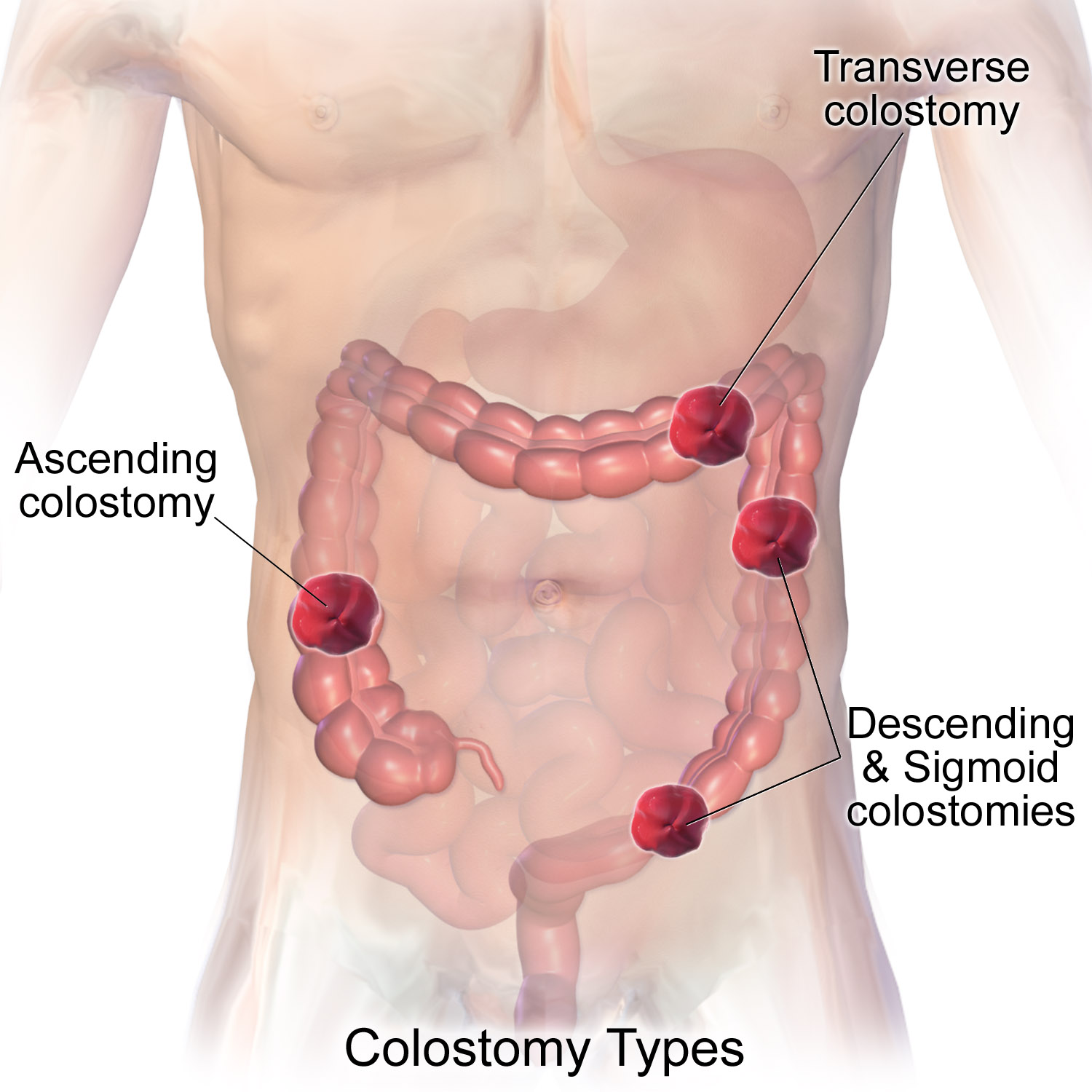
Managing the appliance is key to skin integrity. An ostomy pouch should be emptied when the pouch is one-third to one-half full. If you wait until it is completely full, the weight of the waste will literally pull the adhesive off the skin, causing a caustic leak.
Bowel Training: Routine and Roughage
For patients suffering from chronic bowel issues, we don't just want to rely on medications; we want to retrain the body's biological clock.
Bowel training programs require encouraging toileting at the same time every day. The body loves a predictable rhythm. Specifically, scheduling toileting 30 minutes after meals capitalizes on the gastrocolic reflex to promote defecation. (This is the reflex where the stomach senses food and tells the colon, "Make room, new cargo is coming!").
We must also ensure the waste itself is properly formed.
- Fluid intake should be maintained at 2000 to 3000 mL per day to prevent constipation. Think of a water slide—if there’s no water, nobody is sliding down!
- Finally, adequate dietary fiber increases fecal bulk and speeds transit time through the intestines. Fiber is the non-digestible scaffolding that sweeps the colon clean.
The Professor's Summary
Whether you are dealing with a pureed diet, a clogged enteral tube, a catheter bag, or an ostomy pouch, you are managing the extraordinary, interconnected plumbing of the human body. Respect gravity, utilize the body's natural reflexes, test your pH levels, and always, always ensure that what goes in is safe, and what comes out is effectively managed! Keep your eyes open, think about the physics behind the physiology, and you will be an exceptional nurse. Good luck on the NCLEX!