Potential for Alterations and Surgical Complications
Not sure you’re ready?
Take the ~3-minute readiness diagnostic and see where you stand.
The Mechanics of Survival: Decoding Alterations and Surgical Complications
Welcome! I want you to completely change how you think about nursing for a moment. Stop thinking of it as a checklist of tasks or a dictionary of diseases you have to memorize for the NCLEX-PN. Instead, think of the human body as the most brilliant, complex, pressurized engine in the universe.
When you understand how the engine works, you don't need to memorize what a red warning light means—you can feel why it's flashing. As a nurse, you are the master mechanic of this machine. Whether a patient is growing a new human life, suffering a catastrophic pressure leak in their nervous system, or recovering from the controlled trauma of surgery, your job is to read the dashboard, anticipate the failures, and intervene before the engine stalls.
Let’s break down the potential for alterations and surgical complications by looking at the pure, beautiful logic of how the body responds to stress.
Pregnancy is essentially a nine-month fluid dynamics and life-support project. The maternal body has to adapt rapidly. When the mechanics of this system begin to fail, the body gives us specific, undeniable clues.
Early System Errors
In the beginning, the system is just trying to adapt to new hormones and establish a connection. Nausea is normal, but persistent severe vomiting past the first trimester indicates hyperemesis gravidarum. The engine is rejecting its own fuel, putting the mother at risk for severe dehydration.
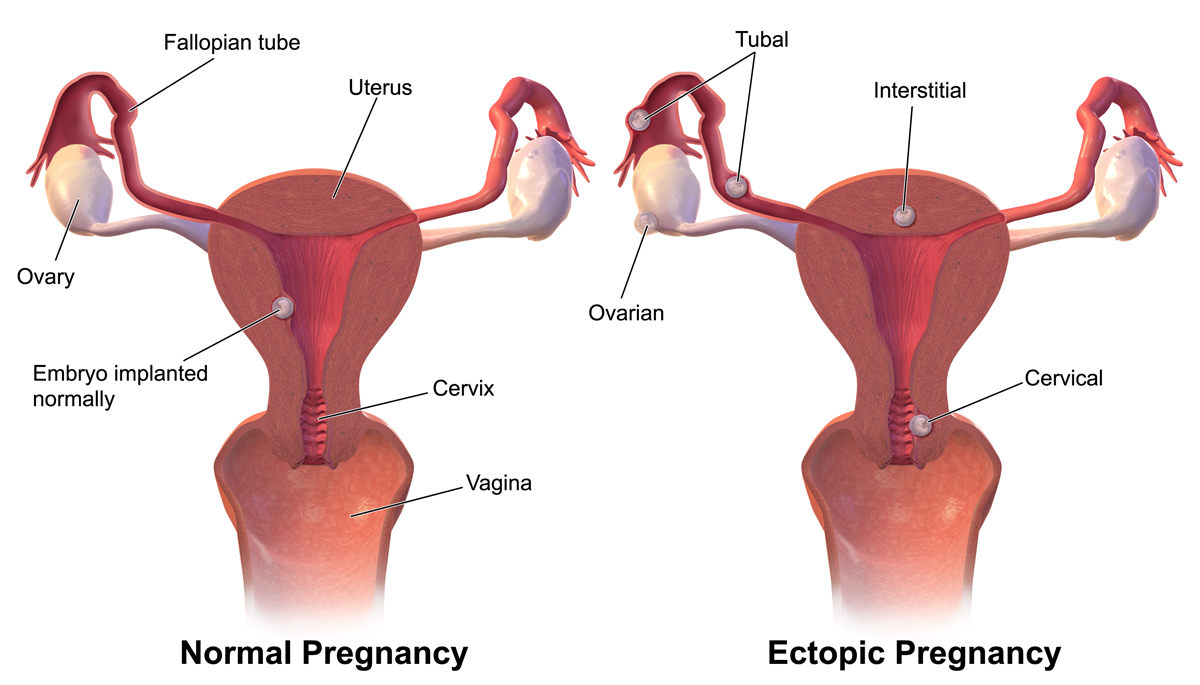
Where is the embryo growing? If the fertilized egg gets stuck in the fallopian plumbing, we have an ectopic pregnancy. This typically presents with unilateral sharp lower abdominal pain, and because the tissue isn't meant to stretch there, an ectopic pregnancy can present with early vaginal spotting.
Pressure and Protein: The Preeclampsia Spectrum
Around the middle of the pregnancy, the vascular system is under immense strain. We test the maternal metabolic response by ensuring gestational diabetes screening typically occurs between 24 and 28 weeks of gestation. But the real danger to the vascular plumbing is preeclampsia.
The Preeclampsia Rule of Thumb: When the maternal blood vessels spasm and clamp down, pressure skyrockets, and the kidneys start leaking. New-onset hypertension after 20 weeks of gestation is a primary characteristic of preeclampsia, and proteinuria after 20 weeks of gestation is a characteristic finding in this condition.
Because the vessels are leaky, fluid escapes into the tissues. Therefore, swelling of the face and hands during pregnancy is a clinical indicator of potential preeclampsia. But what about the brain? The high blood pressure causes cerebral swelling. If your patient complains of a severe headache unresponsive to medication during pregnancy, that is a massive warning sign! This swelling also affects the optic nerves, meaning visual disturbances such as blurred vision or seeing spots are symptoms of preeclampsia.
If the vascular damage progresses to the liver and blood cells, the patient may complain of epigastric pain during pregnancy, which is a potential sign of HELLP syndrome (Hemolysis, Elevated Liver enzymes, Low Platelets). The liver is literally stretching its capsule.
The Placenta and The Fluid
The baby lives in a protective swimming pool of amniotic fluid, fed by the placenta. If the fluid volume is too low, we call it oligohydramnios (a condition characterized by a lower than normal volume of amniotic fluid). If the plumbing backs up and there is an excessive accumulation of amniotic fluid, it is polyhydramnios. The balloon can only hold so much; a sudden gush of fluid from the vagina before 37 weeks gestation indicates premature rupture of membranes.
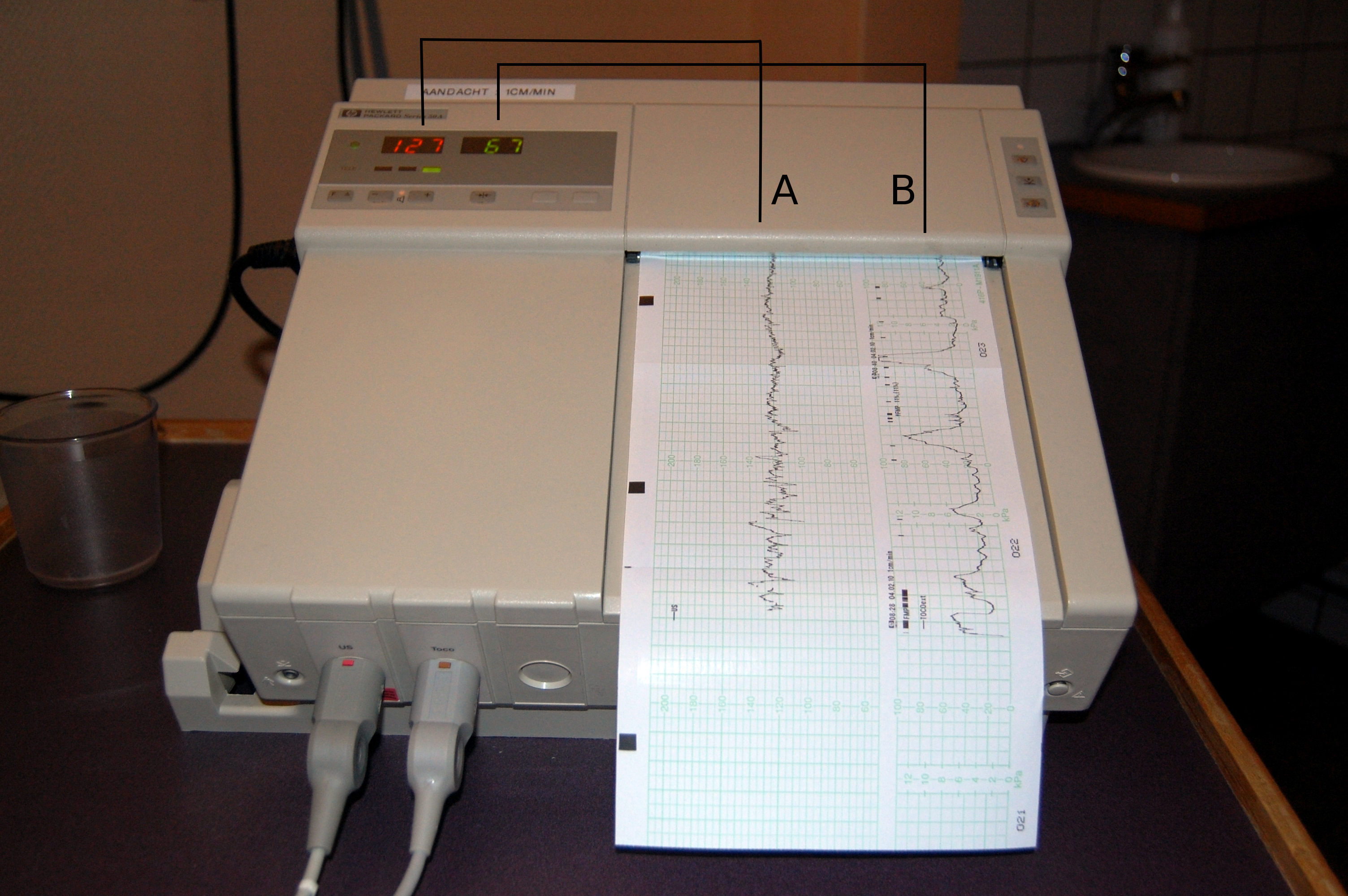
If the mother reports that the baby has stopped bouncing around, take it seriously. Decreased fetal movement reported by the pregnant client requires immediate fetal heart rate monitoring.
And what if the baby is just too big? Fetal macrosomia increases the risk of birth trauma during vaginal delivery. The physics simply don't allow a safe passage.
Let's look at the placenta—the power cord.
- Placenta Previa: The placenta has grown over the exit (the cervix). As the cervix stretches, vessels tear. Thus, vaginal bleeding during pregnancy is a potential clinical sign of placenta previa.
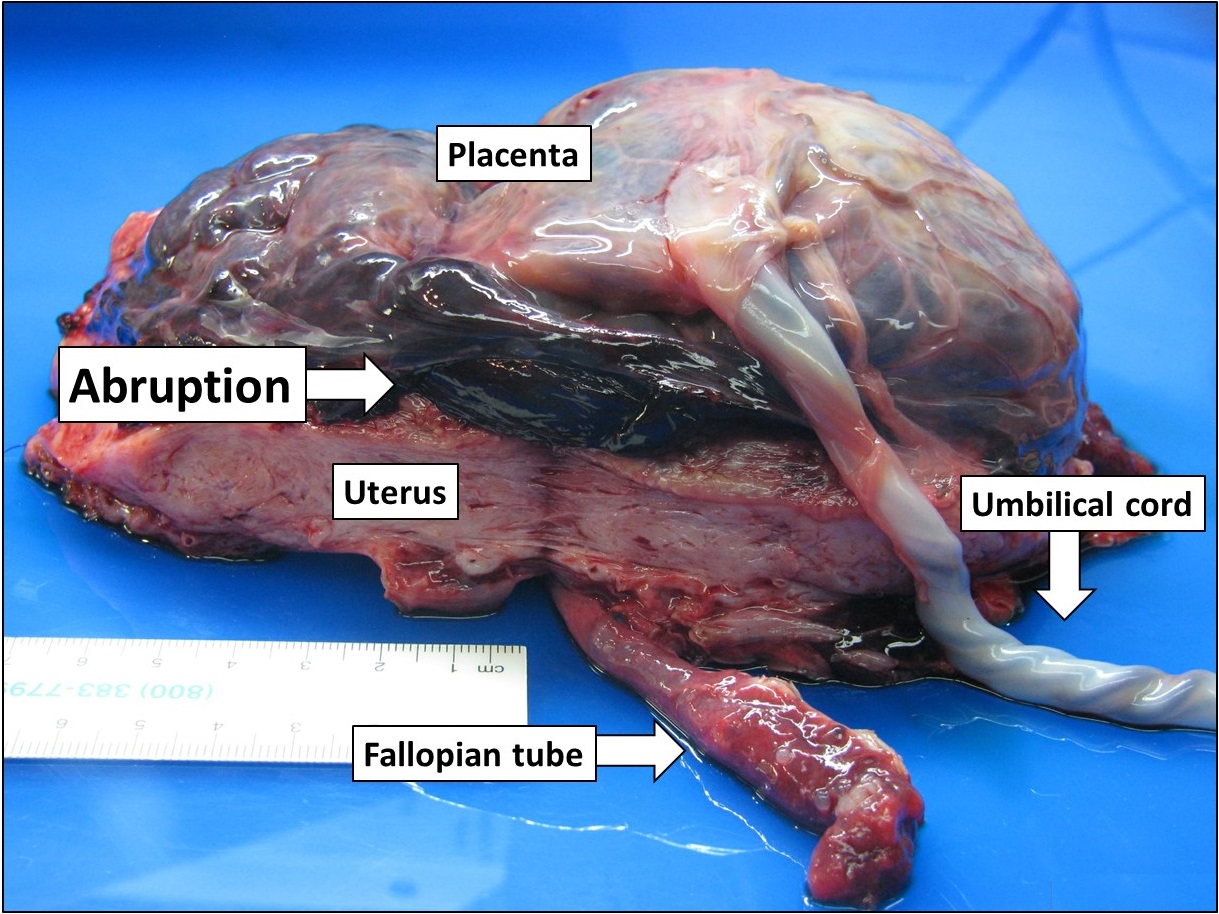
- Placental Abruption: The placenta rips away from the uterine wall prematurely. This is violent. Severe continuous abdominal pain during pregnancy can indicate a placental abruption, and just like previa, vaginal bleeding during pregnancy is a potential clinical sign of placental abruption.
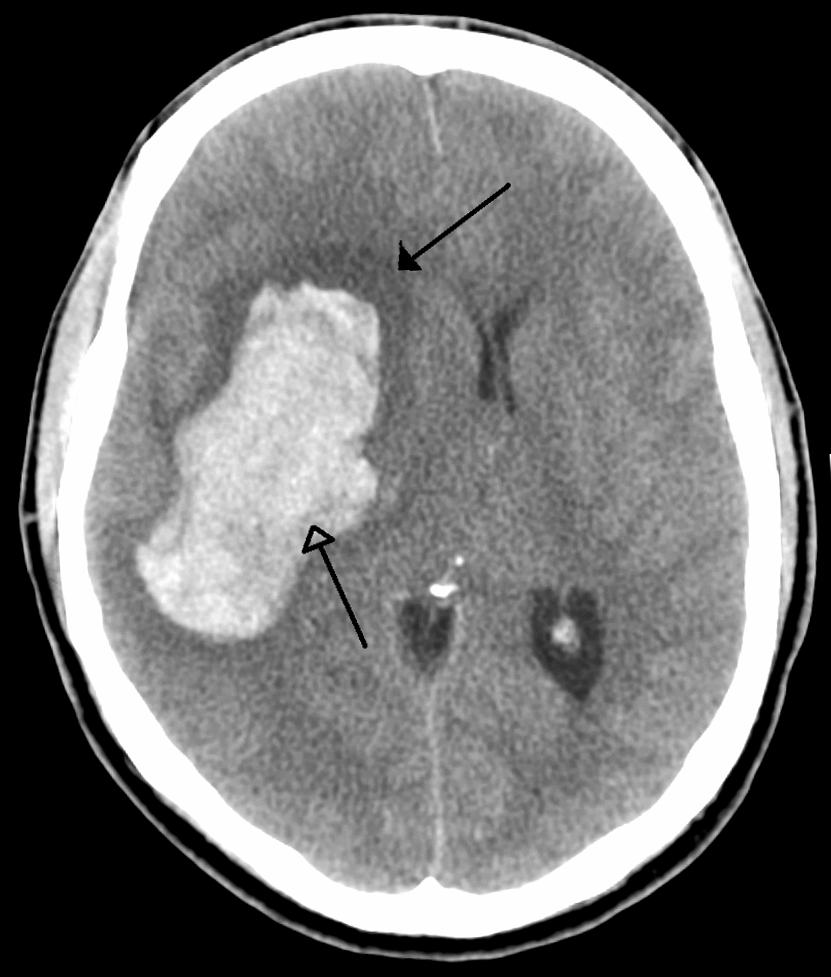
The human brain is a three-pound universe locked inside a rigid bone box. It has no room to expand. If it bleeds, swells, or develops a tumor, the pressure inside that box goes up. We call this Increased Intracranial Pressure (ICP).
How do you, the mechanic, know the pressure is rising? You perform a focused neurologic assessment.
Assessing orientation to person and place is a standard component of evaluating neurologic status. The absolute rule of neuro nursing is this: an altered level of consciousness is often the earliest sign of increased intracranial pressure. Before the heart rate changes, before the breathing changes, the patient just gets a little... confused. A little sleepy. Pay attention to that!
The Glasgow Coma Scale
To measure this objectively, we use the Glasgow Coma Scale (GCS). It's incredibly simple and elegant.
- The Glasgow Coma Scale evaluates eye opening to assess neurologic status.
- The Glasgow Coma Scale evaluates verbal response to assess neurologic status.
- The Glasgow Coma Scale evaluates motor response to assess neurologic status.
- A decrease in the Glasgow Coma Scale score indicates a deterioration in neurologic status.
Windows to the Brain: Pupils and Movement
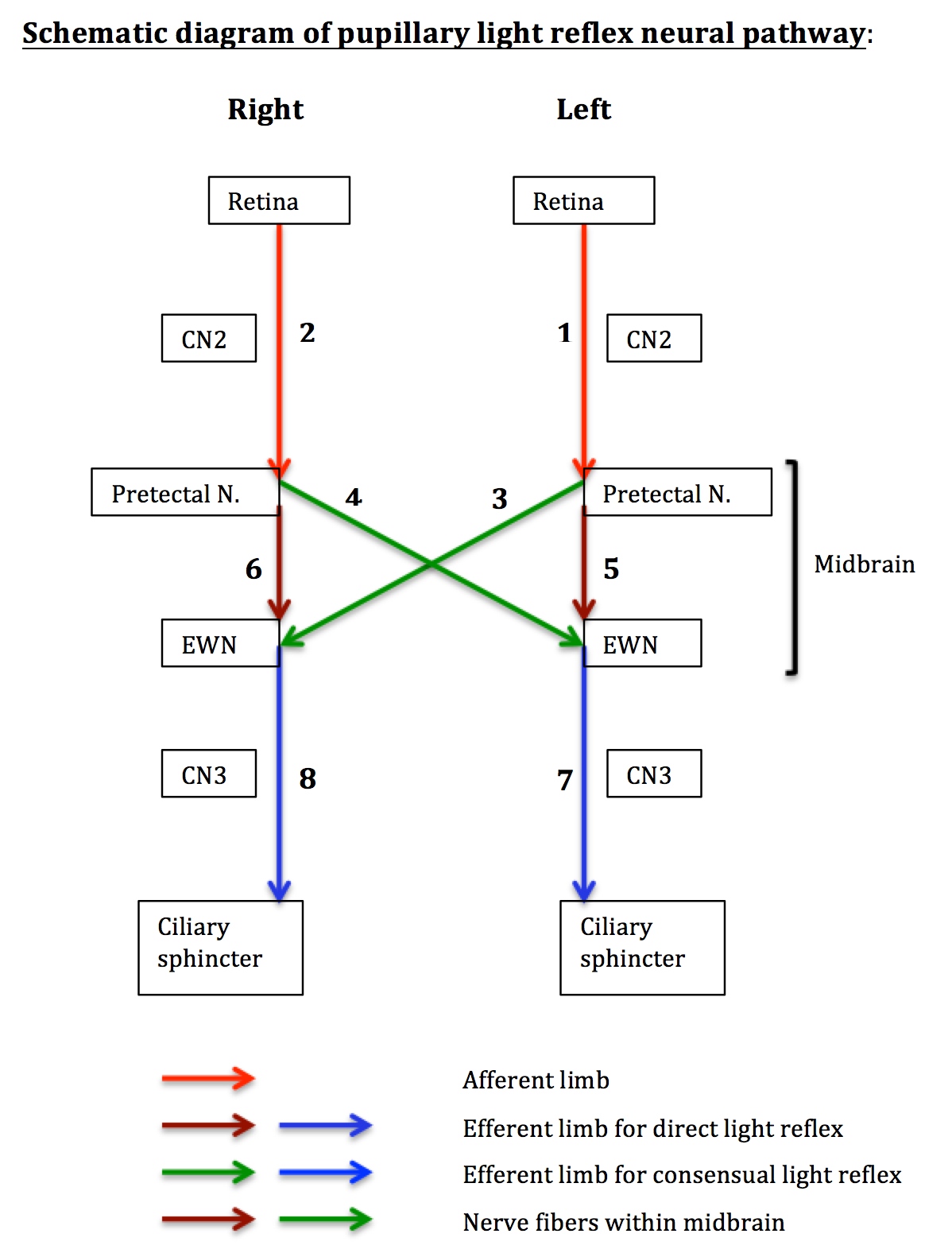
When you shine a light into a patient's eyes, you are testing a cranial nerve that wraps right around the brainstem. A focused neurologic assessment includes checking the pupillary response to light. If the pressure in the brain is squishing that nerve, the pupil won't react properly. Sluggish pupillary changes indicate potential neurologic compromise, and asymmetrical pupillary changes (one big, one small) indicate potential neurologic compromise.
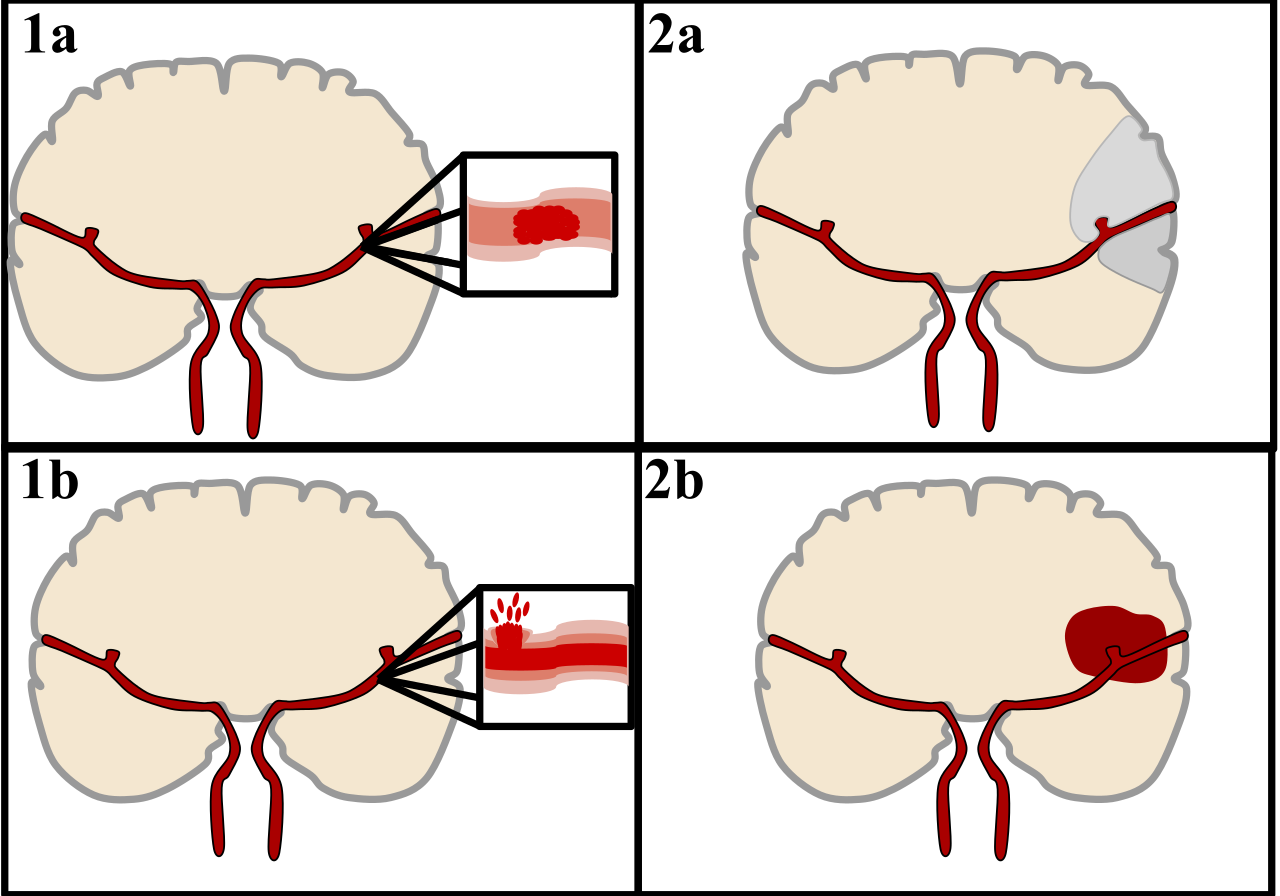
What about body mechanics? In a focused neuro exam, the nurse assesses the strength of hand grasps and assesses the strength of foot pushes. If a blood vessel in the brain gets blocked or bursts (a stroke), you will see localized system failures. New-onset unilateral weakness is a symptom of a possible stroke, and if the language center is hit, you'll see aphasia—a neurological deficit involving the inability to understand or express speech.
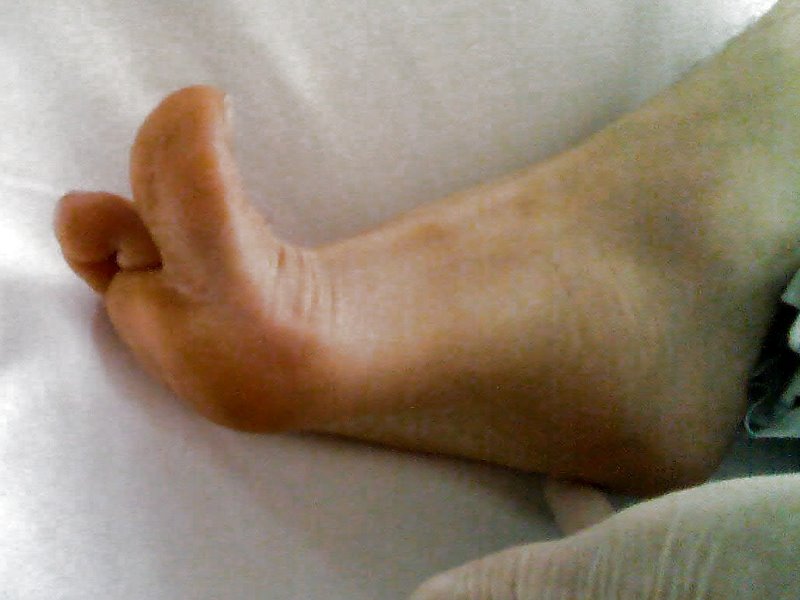
If the brain damage is severe, primitive reflexes return. A positive Babinski reflex in an adult is an abnormal finding indicating upper motor neuron damage. The toes shouldn't fan out when you stroke the sole of an adult's foot!
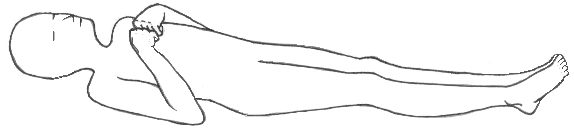
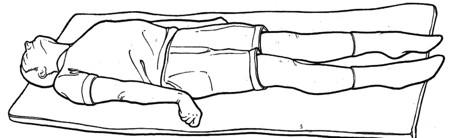
As the brain gets crushed by pressure, posture changes:
- Decorticate posturing involves abnormal flexion of the upper extremities towards the core. (Think "cor" = "core". They pull their arms tight to their chest).
- Decerebrate posturing involves abnormal extension of the upper extremities. (This is worse; the brainstem is taking damage).
Cushing's Triad: The Final Alarm
If the pressure isn't relieved, the brain stem gets crushed. The body tries to save itself by forcing blood up into the brain with massive force. This creates a terrifying physiological response.
Cushing's triad is a late sign of increased intracranial pressure. It consists of three classic components:
- A widening pulse pressure (systolic goes way up, diastolic stays low).
- Bradycardia (the pressure on the brainstem drops the heart rate).
- Irregular respirations (the breathing control center is failing).
Note on trauma: If your patient smashed their head and you notice fluid leaking from their face, be suspicious. Clear drainage from the nose after head trauma may indicate a cerebrospinal fluid leak. How do we check? We look for the "halo." The halo test detects the presence of cerebrospinal fluid in bloody drainage from the ear or nose (a yellow ring will form around the red blood on a piece of gauze).
Surgery is not magical; it is carefully planned trauma. We stab, slice, and drug the patient, and then we rely on our nursing care to help them put themselves back together.
Before the Cut: Preoperative Care
Before we even think about going to the operating room, we run down our preoperative checklist to ensure all necessary preparations are completed before surgery.
- Consent: We don't touch the patient until preoperative care includes verifying the presence of signed informed consent in the medical record.
- Safety: Never guess who you are cutting. The nurse must verify the preoperative client's identity using two identifiers before transferring to the operating room.
- Infection Control: Administering prophylactic antibiotics within one hour prior to surgical incision reduces surgical site infections.
- Airway Protection: You put someone to sleep, their stomach valves relax. If there is food in there, it comes up and goes into the lungs. Therefore, the nurse must ensure the preoperative client has been NPO for the prescribed time prior to surgery, because NPO status before surgery reduces the risk of aspiration during the administration of anesthesia.
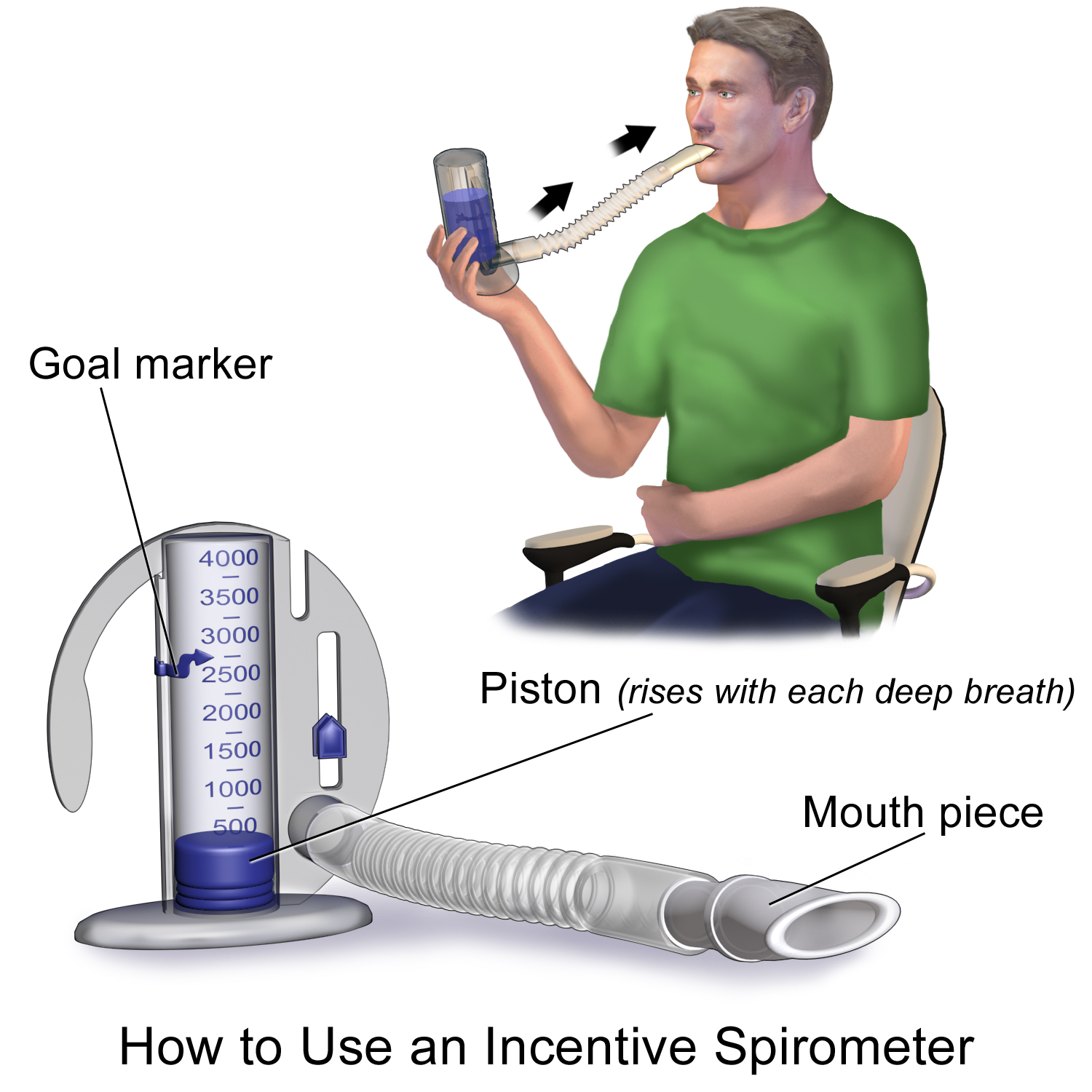
- Preparation for the Aftermath: Don't teach a patient how to use breathing tools when they are waking up in agony! Preoperative client education includes demonstrating the use of an incentive spirometer. We also apply sequential compression devices preoperatively or postoperatively to prevent venous stasis.
The Immediate Aftermath: The PACU
When the patient rolls out of the OR, the engine is sputtering. They are cold, drugged, and bleeding.
- Postoperative monitoring includes assessing vital signs every 15 minutes during the initial recovery phase.
- Keep them warm! Hypothermia in the immediate postoperative period can prolong recovery from anesthesia.
- Watch out for a rare but deadly genetic reaction: Malignant hyperthermia is a severe reaction to certain anesthetic agents characterized by a rapid increase in body temperature. It is a hypermetabolic state that cooks the muscles. How do we stop it? Dantrolene is the primary medication used to treat malignant hyperthermia.
What about the plumbing after anesthesia? Before you give them a sip of water, remember their throat might still be asleep. The nurse must assess the client's gag reflex before allowing oral intake after procedures involving sedation.
Watching for the Leaks: Hemorrhage and Fluid Dynamics
We sliced into blood vessels. Are they holding? If the patient starts bleeding internally, the heart will realize there isn't enough fluid in the pipes. It will pump faster to compensate. Therefore, tachycardia in the postoperative period is an early sign of potential Hemorrhage. As the fluid level drops further, the pressure plummets—meaning hypotension in the postoperative period is an early sign of potential hemorrhage.
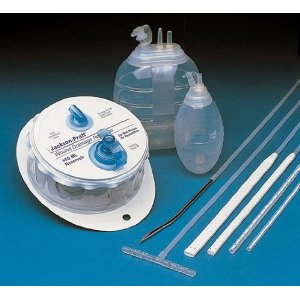
Externally, the nurse monitors the surgical dressing for excessive bloody drainage during the postoperative period. Often, the surgeon leaves a tool behind to help drain the fluid: A Jackson-Pratt drain uses negative pressure to remove excess fluid from a surgical site.
Don't forget the kidneys. They tell you about blood volume! A urine output of less than 30 milliliters per hour postoperatively indicates potential fluid volume deficit. And check the limbs: checking peripheral pulses distal to a surgical site assesses vascular compromise. If you had knee surgery, you better be able to feel a strong pedal pulse!
The Lungs and The Legs (Atelectasis and DVT)
When a patient has abdominal pain from surgery, they take shallow breaths. The tiny air sacs (alveoli) in the base of their lungs collapse. This is called atelectasis. Postoperative atelectasis presents with diminished breath sounds.
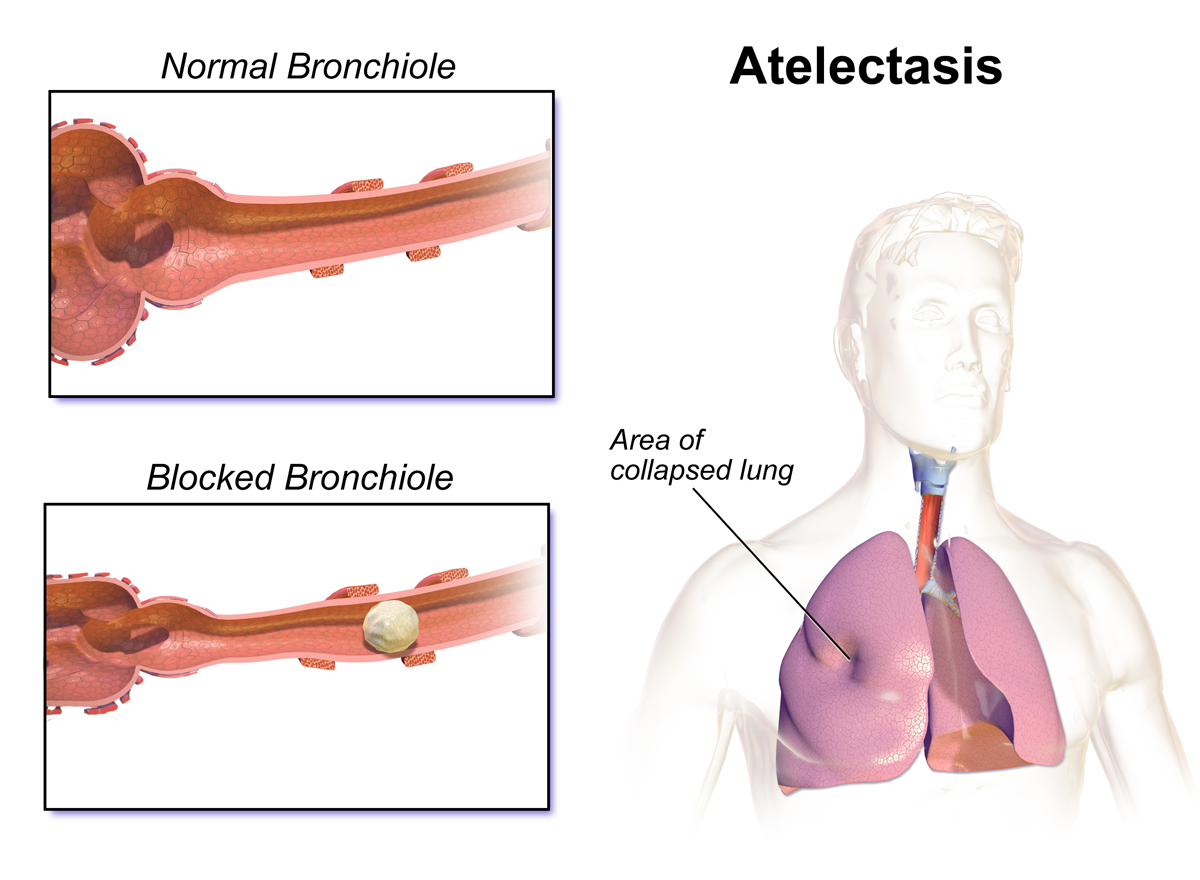
How do we fix it? Deep breathing and coughing exercises help clear respiratory secretions after surgery. But coughing hurts! So, instructing the client to splint the abdominal incision with a pillow reduces pain during coughing exercises. Furthermore, postoperative pain management promotes client participation in breathing exercises. If they aren't in agony, they will breathe for you.
| Post-Op Complication | The Physiology | The Nursing Intervention/Sign |
|---|---|---|
| Atelectasis | Alveoli collapse due to shallow breathing. | Early ambulation after surgery decreases the incidence of postoperative atelectasis. |
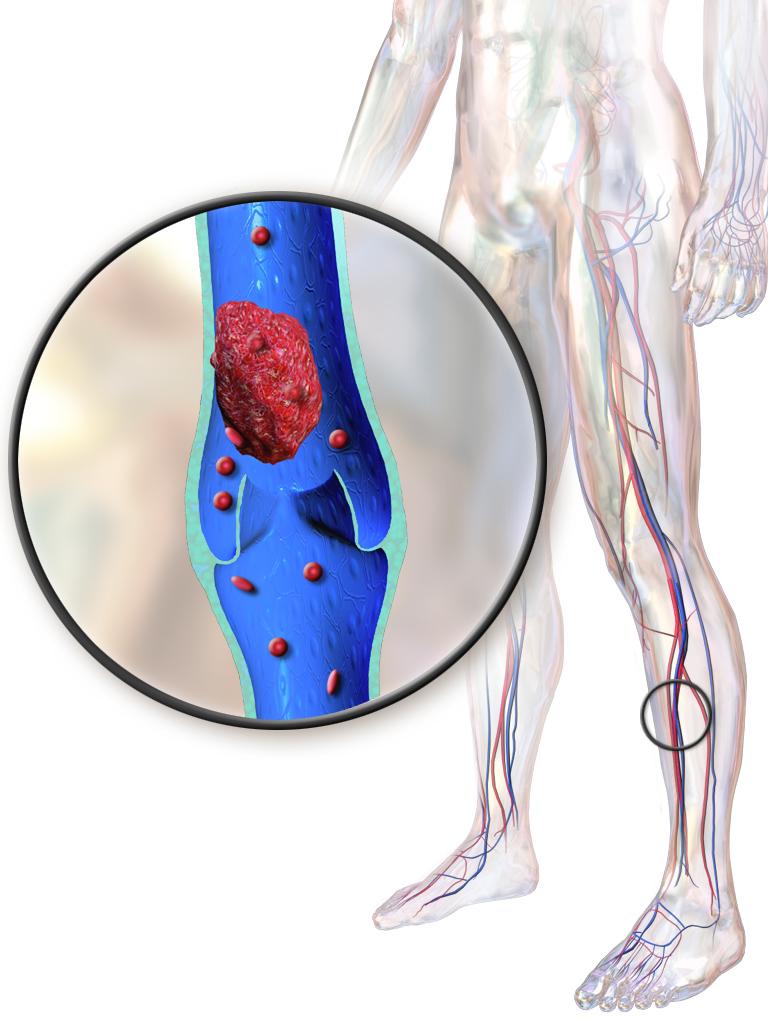
| Deep Vein Thrombosis (DVT) | Blood pools in the legs from lying still (venous stasis). | Unilateral leg swelling is a potential clinical sign of a deep vein thrombosis. Treat with early ambulation after surgery to reduce the risk. |
| Pulmonary Embolism | A blood clot from a DVT breaks off and shoots into the lungs. | A sudden onset of shortness of breath postoperatively may indicate a pulmonary embolism. |
| Paralytic Ileus | The intestines "go to sleep" and stop moving after abdominal surgery. | Absent bowel sounds 24 hours after abdominal surgery can indicate a paralytic ileus. |
The Worst Case Scenario: The Incision Fails
Sometimes, the stitches don't hold. If the patient coughs too hard and the wound edges pull apart, that is postoperative wound dehiscence (the separation of surgical incision edges).
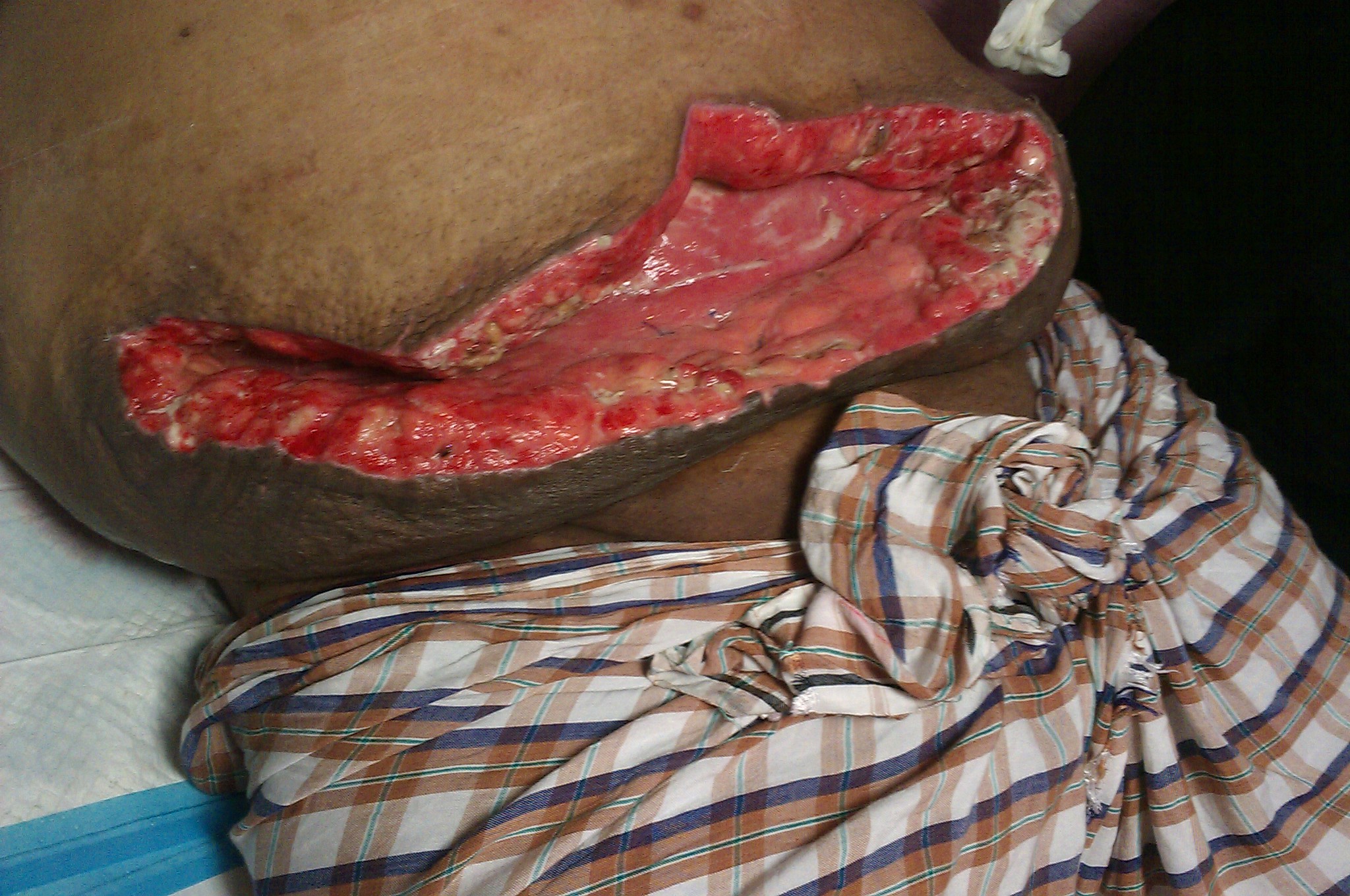
But what if it's worse? What if the intestines literally fall out of the body? That is a postoperative wound evisceration, which involves the protrusion of internal organs through a surgical incision. This is a terrifying moment, but you are a brilliant mechanic. You know exactly what to do: A client with a surgical evisceration requires immediate coverage of the protruding organs with sterile saline-soaked dressings. Keep it moist, keep it sterile, and get the surgeon!
The Final Lesson
Whether you are listening to the heart rate of a baby in distress, watching the pupils of a stroke victim, or coaxing a post-op patient out of bed to prevent a blood clot, remember this: the human body operates on physical, observable rules. Understand the pressures. Understand the plumbing. Understand the mechanics.
You aren't just memorizing facts for a test. You are learning how to save a life. Now, go out there and read the dashboard!