Legal Rights, Ethical Practice, and Quality Improvement
Not sure you’re ready?
Take the ~3-minute readiness diagnostic and see where you stand.
Welcome to the fascinating intersection of human morality, the law, and the relentless pursuit of perfection. As a Practical Nurse, you don’t just administer medications and check vital signs. You operate at the delicate boundary where science meets human vulnerability.
Imagine you are walking a tightrope. On one side is the ethical mandate to do good; on the other is the rigid framework of the law. How do you keep your balance? How do you ensure that tomorrow’s care is better than today’s?
Let’s strip away the jargon. We’re going to look at the rules of the game not as red tape, but as the fundamental physics of safe, profound nursing care.
Before we ever talk about what is legal, we have to talk about what is right. Ethics refers to the moral principles dictating right and wrong conduct in nursing practice. It is the internal compass that guides your daily decisions. To ensure every nurse reads from the same map, the American Nurses Association Code of Ethics establishes the ethical standard for the nursing profession. It isn't just a suggestion; it is the philosophical bedrock of your license.
But what are these principles, really? Let’s break them down:
- Autonomy is the ethical principle that respects a client's right to make independent healthcare decisions. Even if you think a patient is making a foolish choice, if they are competent, they are the captain of their own ship.
- Beneficence is the ethical principle of acting in the best interest of the client. It’s the drive to actively do good—to hold a hand, to manage pain, to heal.
- Nonmaleficence is the flip side of the coin: it is the ethical principle of avoiding harm to the client. First, do no harm.
- Justice is the ethical principle requiring fair and equal distribution of healthcare resources. It means the uninsured patient in room 201 gets the exact same standard of care as the VIP in room 202.
- Fidelity is the ethical principle of keeping promises and remaining faithful to professional commitments. If you tell a patient, "I will be back in ten minutes with your pain medication," you return in ten minutes.
- Veracity is the ethical principle of telling the truth to clients. We don't lie to patients to make them feel better; we give them the truth with compassion.
When a healthcare provider forgets these principles and decides they know best, bypassing the patient's autonomy, we call it paternalism. Paternalism occurs when a healthcare provider makes decisions for a client without the client's consent. It is treating an adult like a child, and in modern healthcare, it’s a major foul.
When the Compass Spins: Ethical Dilemmas
Sometimes, these beautiful principles crash into one another. An ethical dilemma occurs when two or more moral principles conflict in a clinical situation. Imagine a patient who refuses a life-saving blood transfusion due to religious beliefs. Your desire to save their life (beneficence) directly conflicts with their right to choose (autonomy).
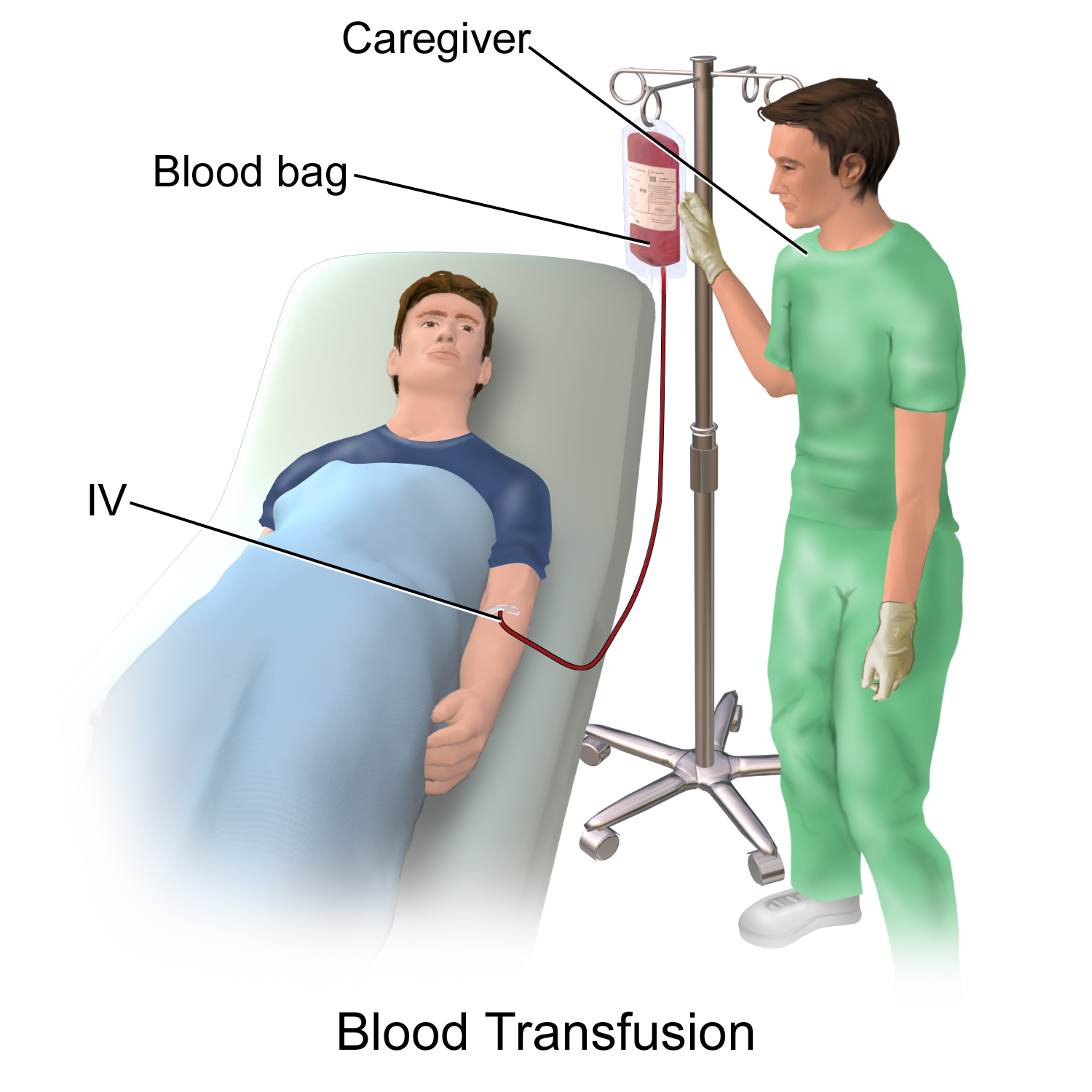
When you hit a wall like this, you don't guess. You call in the cavalry. An ethics committee is a multidisciplinary hospital group that provides guidance on complex ethical dilemmas. They are the philosophers, the doctors, the nurses, and the clergy who help navigate the grey areas.
Through it all, your ultimate job is nursing advocacy, which involves protecting the rights and interests of the client. You are their voice when they are too sick, too scared, or too uninformed to speak for themselves.
If ethics is the compass, the law is the guardrail. Cross it, and you tumble into civil or criminal liability. Let's get the language right, because the law demands precision.
Intentional Torts (Crossing the Line)
You must understand physical boundaries.
- Assault involves the threat of unconsented physical contact that makes a client fear imminent harm. You don't even have to touch them. Saying, "If you don't stay in bed, I'm going to tie you down," is assault.
- Battery is the intentional and unauthorized physical contact with a client. If you actually force that patient into restraints, or give an injection they explicitly refused, you have committed battery.
- False imprisonment involves unlawfully restraining a client against their will. This isn't just locking a door; it’s putting all four bed rails up on a competent patient so they can't get out.
Negligence and Malpractice
Mistakes happen, but when a professional makes a mistake that causes harm, it has a specific name. Malpractice is a form of negligence where a licensed professional fails to meet the standard of care resulting in client harm.
To prove malpractice in a courtroom, a lawyer must prove a chain of events. It starts with a breach of duty, which occurs when a nurse fails to perform care at the expected standard of a prudent nurse. But a breach isn't enough on its own. There must be causation, which requires proof that a nurse's specific breach of duty directly caused the client's injury.
The Golden Rule of Scope: You are only legally protected when you act within your training. Therefore, nurses have a legal duty to refuse assignments that fall outside their legally defined scope of practice. Refusing an unsafe assignment isn't insubordination; it is a legal imperative.
Consent and Privacy
Who owns a patient's information and body? The patient.
The Health Insurance Portability and Accountability Act (HIPAA) legally protects the privacy of client health information. You do not look at the chart of a celebrity in the ER, and you do not talk about your patients in the hospital elevator.
When it comes to procedures, informed consent requires the healthcare provider to explain risks and benefits before a client agrees to a procedure. Pay close attention here: it is the provider's (physician/NP/PA) job to explain the surgery. The practical nurse's role in informed consent is limited to witnessing the client's signature. If the patient signs but says, "I still don't understand what the surgeon is cutting," you stop and call the provider back.
Planning for the End
Patients have the right to dictate their future care. The Patient Self-Determination Act requires healthcare facilities to ask clients if they have an advance directive upon admission.
There are two main types you will encounter:
- A living will is a legal document specifying the life-sustaining treatments a client wishes to receive if incapacitated. (Think: ventilators, feeding tubes).
- A durable power of attorney for healthcare designates a surrogate to make medical decisions when the client cannot. (Think: a trusted person who speaks for you).
Nursing is no place for bystanders. Sometimes you have to protect the patient from the environment, the public, or even your own colleagues.
The Mandate to Report
Mandatory reporting is the legal requirement for nurses to report suspected abuse or certain diseases to authorities.
Let me be absolutely clear: A nurse only needs reasonable suspicion to report abuse. You are not a detective, and a nurse does not need absolute proof of abuse to file a mandatory report. If your gut and your clinical assessment tell you something is wrong, you report it.
- All US states require licensed nurses to report suspected child abuse to the appropriate child protective services.
- Furthermore, nurses are legally mandated to report suspected elder abuse to adult protective services.
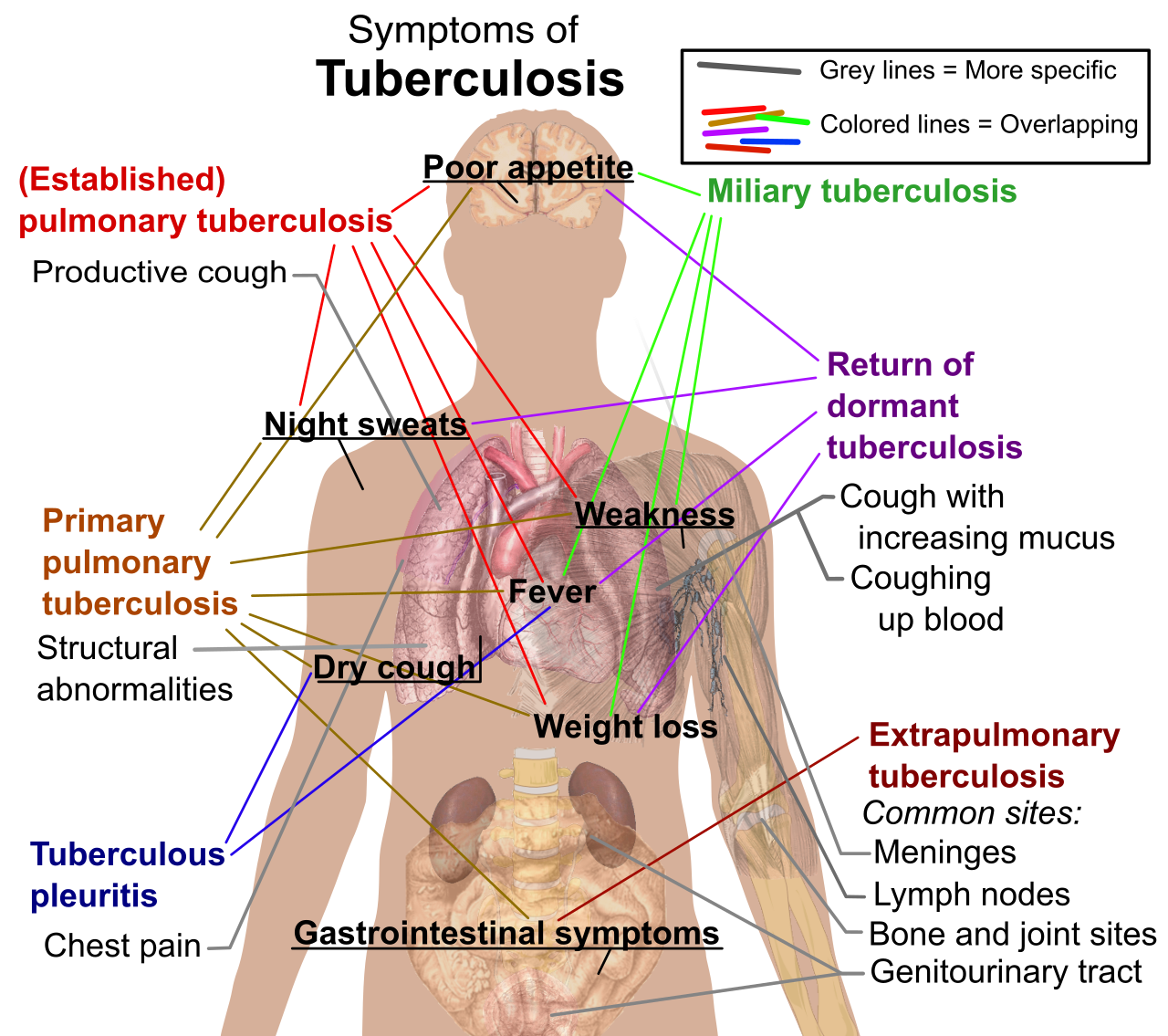
This mandate extends to public health. State health departments mandate the reporting of specific communicable diseases like tuberculosis and syphilis. Why? Because one case can become a thousand. The Centers for Disease Control and Prevention (CDC) monitors communicable disease trends based on state health department reports to deploy resources and stop outbreaks.
Policing Our Own
What happens when the threat is wearing scrubs?
- A practical nurse must report unethical behavior by colleagues to the direct supervisor or charge nurse.
- If safety is on the line, act faster. A practical nurse must immediately report a colleague suspected of working under the influence to the nursing supervisor. Do not confront the impaired nurse alone; protect the patient by going to leadership immediately.
If you are terrified of losing your job for exposing a dangerous hospital practice, take a breath. Whistleblower laws protect healthcare workers from retaliation when reporting illegal or unsafe practices.
Documenting the Unexpected
When things go sideways—a patient falls, a medication error occurs—we use a specific tool. An incident report is an internal facility document used to record unusual events or errors.
CRITICAL EXAM FACT: A nurse must never document the completion of an incident report in the client's medical record. Why? Because an incident report is an internal risk-management document. By writing "Incident report filed" in the patient chart, you legally tie the internal document to the subpoena-able medical record, exposing the hospital to massive legal liability. Document the clinical facts of the event in the chart, but keep the words "incident report" entirely out of it.
A Note on Off-Duty Emergencies
What if you are driving home and see a car crash? Good Samaritan laws protect healthcare professionals providing emergency care outside of the workplace from civil liability. As long as you act reasonably and within your training without expecting payment, the law shields you for trying to help.
Healthcare is an imperfect science performed by imperfect humans. So how do we stop making the same mistakes?
Quality improvement (QI) is a systematic process used by healthcare facilities to enhance client care outcomes. We don't just guess what works; we use evidence-based practice, which integrates the best current research with clinical expertise to improve client care.
The Anatomy of QI
How do we know if our hospital is doing a good job? We look at the data.
| Concept | The Feynman Translation |
|---|---|
| Benchmarking | This compares a facility's performance metrics against national standards to identify areas for improvement. (e.g., "The national average for patient falls is 2%; ours is 5%. We have a problem.") |
| Core Measures | These are evidence-based standardized quality indicators established by The Joint Commission. They are the universal scorecards for hospital performance (like treating a heart attack with aspirin upon arrival). |
| Retrospective Audit | This evaluates clinical records after client discharge to measure compliance with care standards. (Looking in the rearview mirror to see what we missed). |
| Concurrent Audit | This evaluates ongoing client care against established facility standards. (Checking the map while we are still driving). |
What happens when an absolute tragedy occurs? A patient dies because they were given the wrong blood type. This is called a sentinel event—an unexpected occurrence involving death or serious physical or psychological injury.
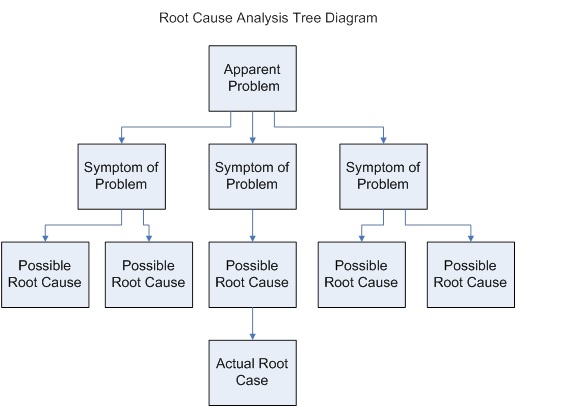
When a sentinel event happens, we don't just fire the nurse and move on. We perform a root cause analysis, which investigates the underlying reasons for a sentinel event to prevent future occurrences. Did the barcode scanner fail? Were the labels printed wrong? We look for the system failure, not just the human failure.
To test new solutions, we use the Plan-Do-Study-Act (PDSA) cycle, which is a formal framework used to test and implement quality improvement changes. You Plan a change, Do it on a small scale, Study the results, and Act to implement it hospital-wide if it works.
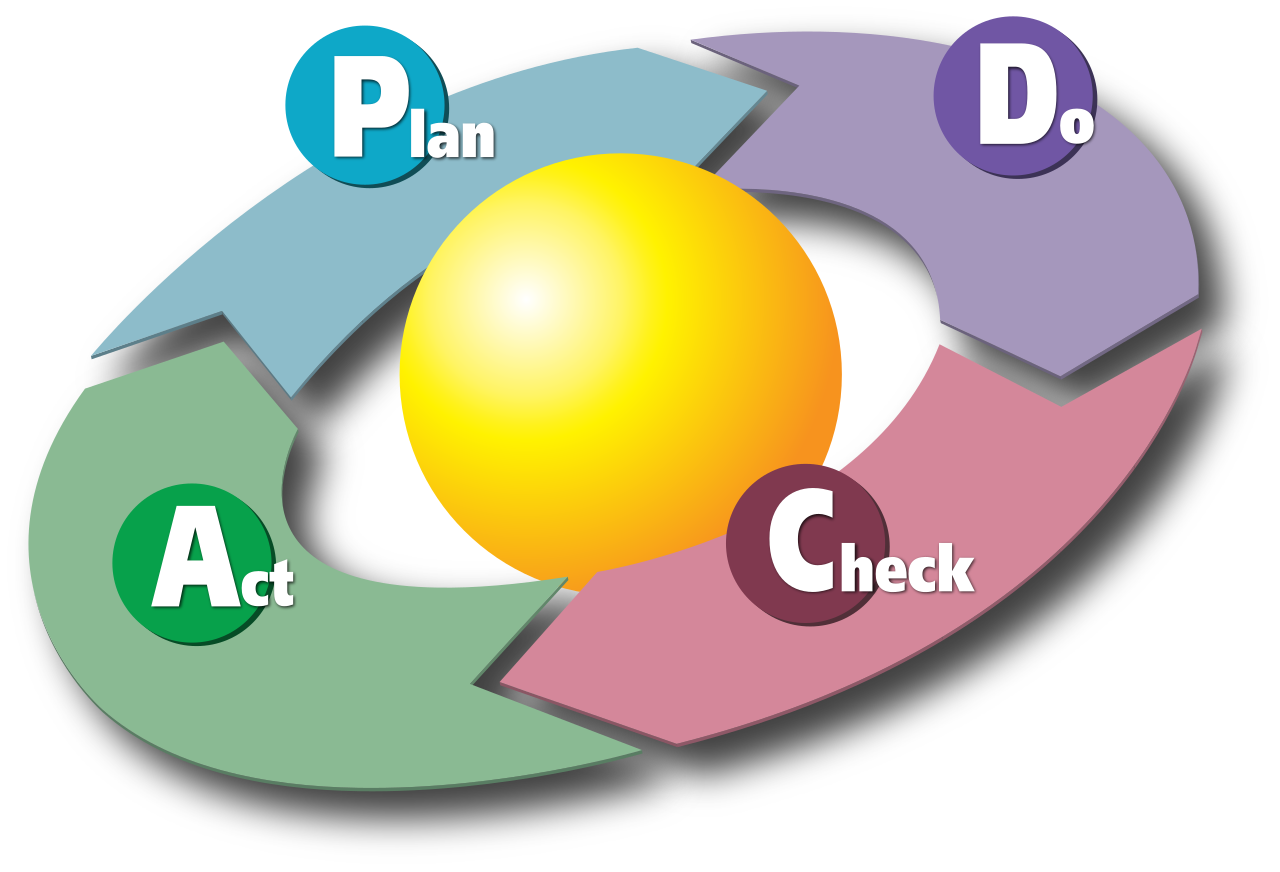
Ultimately, quality improvement activities directly aim to reduce hospital-acquired infections and medication errors.
Your Role and Your Environment
You might think QI is for hospital administrators in fancy offices. Wrong. Practical nurses participate in quality improvement by collecting data on client falls and infection rates. You are the boots on the ground; your data drives the entire engine of progress.
None of this works if nurses are terrified of being fired for making an honest mistake. This is why modern healthcare demands a just culture environment, which encourages nurses to report errors without fear of punitive action to improve system safety. We treat reckless behavior firmly, but we treat honest human error as a learning opportunity.
Finally, you cannot do it all yourself. You must work as a team. Delegation involves transferring the authority to perform a nursing task while retaining accountability for the outcome.
Let me repeat that: you transfer the authority (the ability to do the task), but you keep the accountability (the responsibility for the result). If you delegate taking a blood pressure to an unlicensed assistive personnel (UAP), and they do it wrong, you are still ultimately accountable for your patient.
To keep you safe, the profession created the Five Rights of Delegation. Before you delegate anything, verify:
- Right Task: Is this task legally allowed to be delegated?
- Right Circumstance: Is the patient stable enough for this to be delegated?
- Right Person: Does the delegatee possess the right skills and training?
- Right Direction/Communication: Did you give clear, specific instructions?
- Right Supervision/Evaluation: Will you follow up to ensure it was done correctly?
Final Thoughts
Look at the big picture. The ANA Code of Ethics is your heart. The law—understanding torts, malpractice, and HIPAA—is your armor. Mandatory reporting is your voice. Quality improvement is your vision for the future. And delegation is how you multiply your hands.
You aren't just memorizing definitions for the NCLEX-PN. You are learning the structural engineering of safe, profoundly human care. Know the rules, respect the boundaries, and go out there and do some spectacular good.