Standard and Transmission-Based Precautions
Not sure you’re ready?
Take the ~3-minute readiness diagnostic and see where you stand.
Welcome! Pull up a chair. Let’s talk about one of the most fascinating, high-stakes games of physics and biology you will ever play as a nurse: Infection Control.
Now, a lot of textbooks treat infection control like a boring list of arbitrary rules. Put this mask on. Wash your hands. Stand over there. But if you just memorize rules, you’ll forget them the moment you're stressed on the NCLEX-PN. Instead, I want you to look at infection control the way a physicist looks at the universe. We are dealing with invisible particles, fluid dynamics, gravity, and airflow. Once you understand how the microscopic world moves, the rules become simple, intuitive common sense.
Let's dive in.
Before we talk about masks and gloves, we have to understand our goal. In nursing, we have two different levels of "clean." Think of them as two different mathematical thresholds.
- Medical asepsis is about reduction. It reduces the number of pathogens and prevents their transfer. You use medical asepsis when you wash your hands, wipe down a stethoscope, or put on a pair of clean gloves. You aren't killing every single microbe in the room; you're just knocking their numbers down so far that they can't effectively cause trouble.
- Surgical asepsis is the nuclear option. It eliminates all microorganisms from an object or an area. Zero microbes. None. We use this when we bypass the body's natural defenses, like inserting a urinary catheter or doing wound care.
Keep this distinction in your head: Medical asepsis is "clean." Surgical asepsis is "sterile."
Here is a brilliant rule of thumb for your nursing career: Assume everyone is carrying something invisible.
Standard precautions apply to all clients regardless of their diagnosis or presumed infection status. It doesn't matter if they are in the hospital for a broken toe or a heart attack. You treat their bodily fluids with the exact same respect you would treat a known pathogen.
The Hand Hygiene Rulebook
At the core of standard precautions is hand hygiene. Standard precautions require hand hygiene before and after client contact. But how do we clean them? This is where a little biology helps.
- Alcohol-based hand rub is the preferred method of hand hygiene when hands are not visibly soiled. Why? Because alcohol rapidly denatures the proteins of most bacteria and viruses, obliterating them on contact. It's fast, efficient, and protects your skin better than constant scrubbing.
- However, if you have actual gunk on your hands—blood, dirt, mucus—alcohol can't penetrate it. Handwashing with soap and water is required when a healthcare worker's hands are visibly soiled. You need the mechanical friction of soap and water to physically lift and wash the soil down the drain.
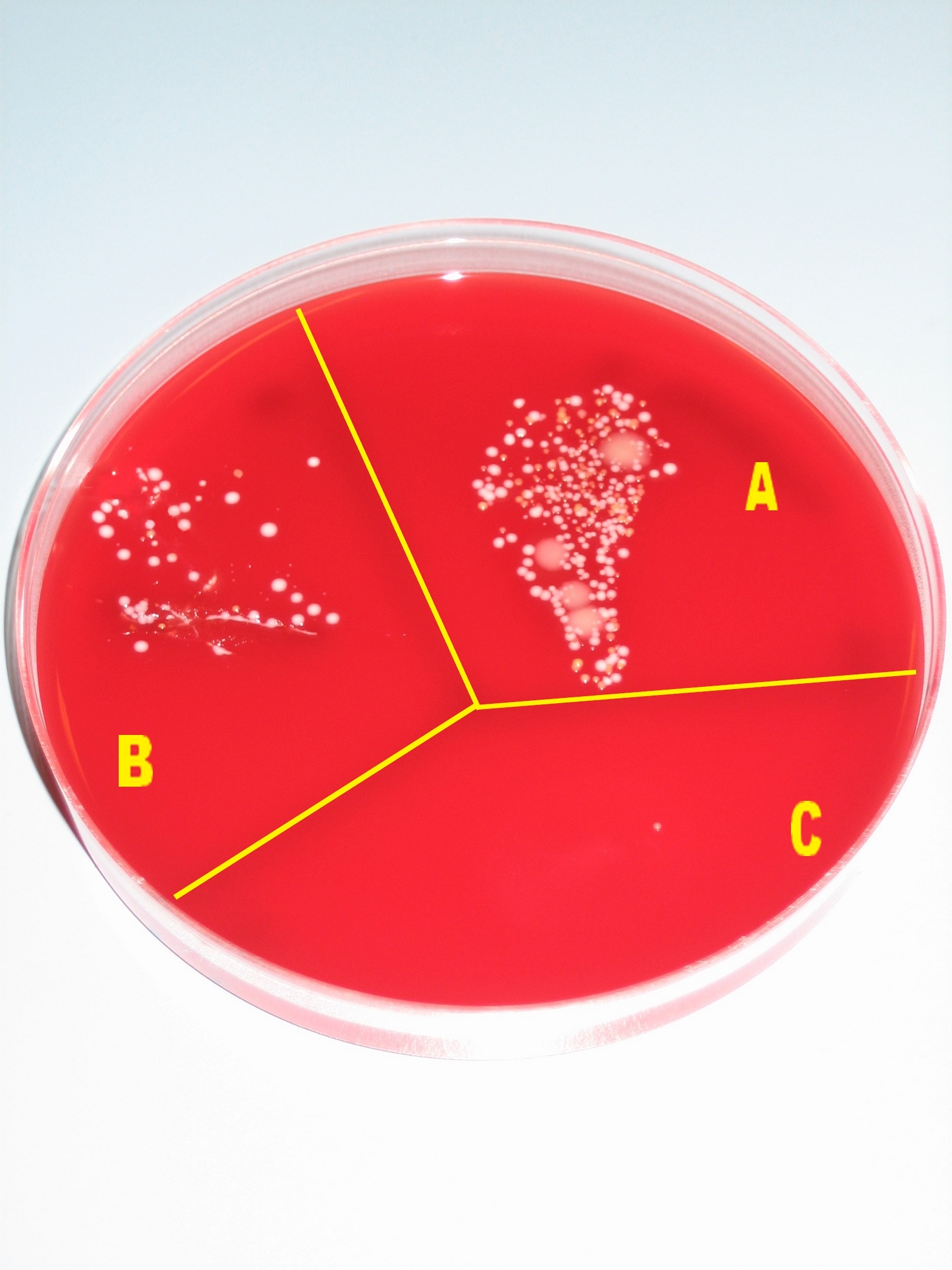
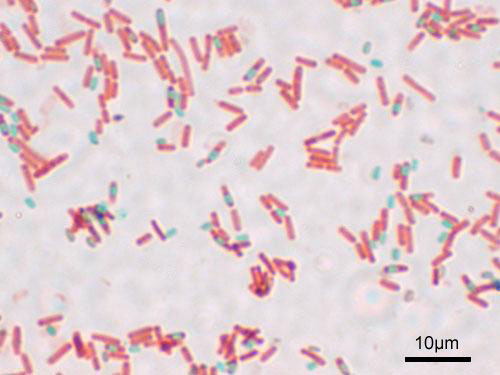
The Clostridioides difficile (C. diff) Exception: C. diff is a nasty gut bacteria that causes severe diarrhea. It has a superpower: it creates spores. Think of spores as microscopic armored tanks. Alcohol-based hand rubs do not eliminate Clostridioides difficile spores. The alcohol just makes them wet; they survive entirely unharmed! Therefore, handwashing with soap and water is required after caring for a client infected with Clostridioides difficile. The physical friction of handwashing is the only way to send those armored tanks down the sink.
Gloves and Sharps
- Standard precautions require wearing gloves when there is a risk of touching blood or body fluids.
- When dealing with sharps, remember that gravity and mechanics are your friends, but rushing is your enemy. Used needles must be disposed of immediately in a puncture-resistant, leak-proof sharps container.
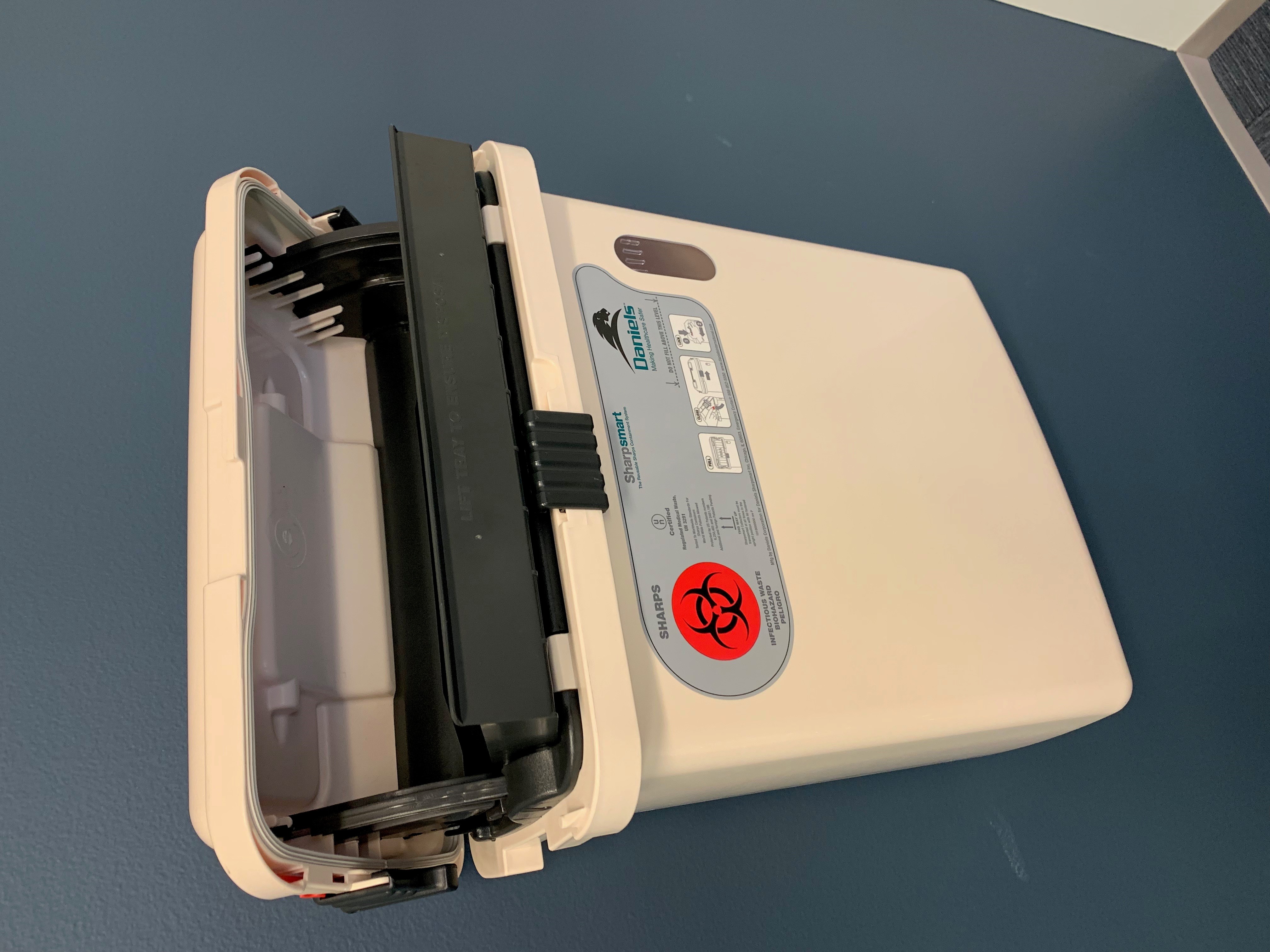
- Contaminated needles must never be recapped using two hands. Why? Because one tiny miscalculation of distance, and you've stabbed your non-dominant hand.
- What about all the bloody gauze and saturated bandages? Biomedical waste heavily soiled with liquid or semi-liquid blood must be placed in a red biohazard bag.
When we know (or suspect) a client has a highly contagious pathogen, we layer Transmission-Based Precautions on top of Standard Precautions.
To master these for the NCLEX, you just have to ask yourself one question: How heavy is the pathogen?
1. Airborne Precautions: The Floaters
Airborne precautions prevent transmission of infectious agents that remain suspended in the air over long distances. These are the tiny, ultra-lightweight particles. When the client breathes or coughs, these microbes float around the room on air currents like dandelion seeds.
- The Pathogens: Tuberculosis, Measles, and Varicella (Chickenpox). All three of these require the implementation of airborne precautions.
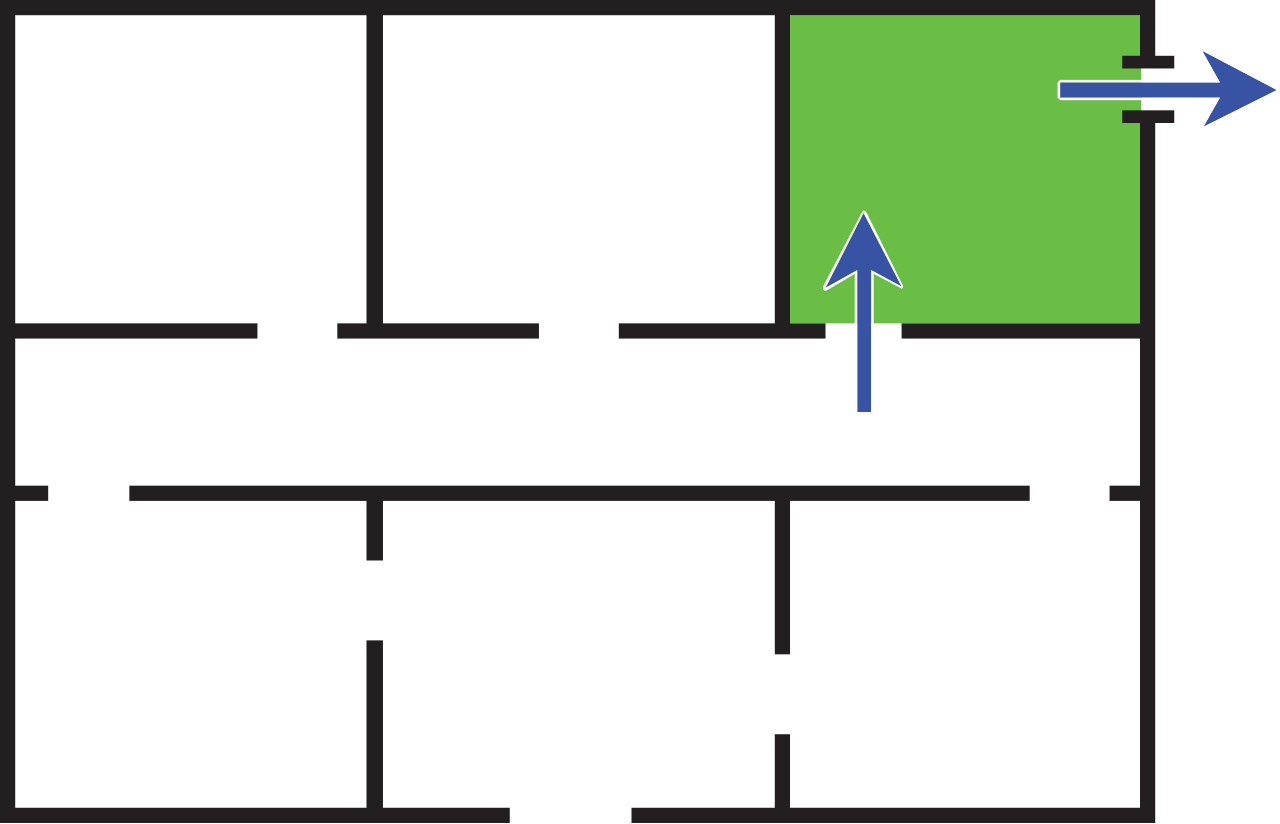
- The Room (The Physics of Airflow): Because the microbes float, they will drift out the door and down the hallway if you let them. To stop this, airborne precautions require placing the client in a private, negative-pressure room. Negative pressure is like a gentle vacuum; air flows into the room from the hallway, preventing the contaminated air from escaping. Furthermore, a negative-pressure airborne infection isolation room must have at least six to twelve air exchanges per hour to constantly filter the floating microbes out of the environment.
- Your Armor: A standard surgical mask won't cut it—the particles are too small and will slip right through the gaps. Healthcare workers must wear an N95 respirator or higher-level mask when entering an airborne precaution room.
- Transporting the Client: If the client must leave the room for a test, we don't put them in an N95. Instead, clients on airborne precautions must wear a surgical mask when being transported outside their isolation room. We just need to trap their exhalations at the source!
2. Droplet Precautions: The Heavy Splashers
Droplet precautions prevent transmission of pathogens spread through close respiratory or mucous membrane contact with respiratory secretions. These microbes travel in heavier droplets of saliva and mucus. Think of them like tiny water balloons. When the client coughs or sneezes, the droplets fly out, but because they are heavy, gravity pulls them down within about 3 to 6 feet. They don't float.
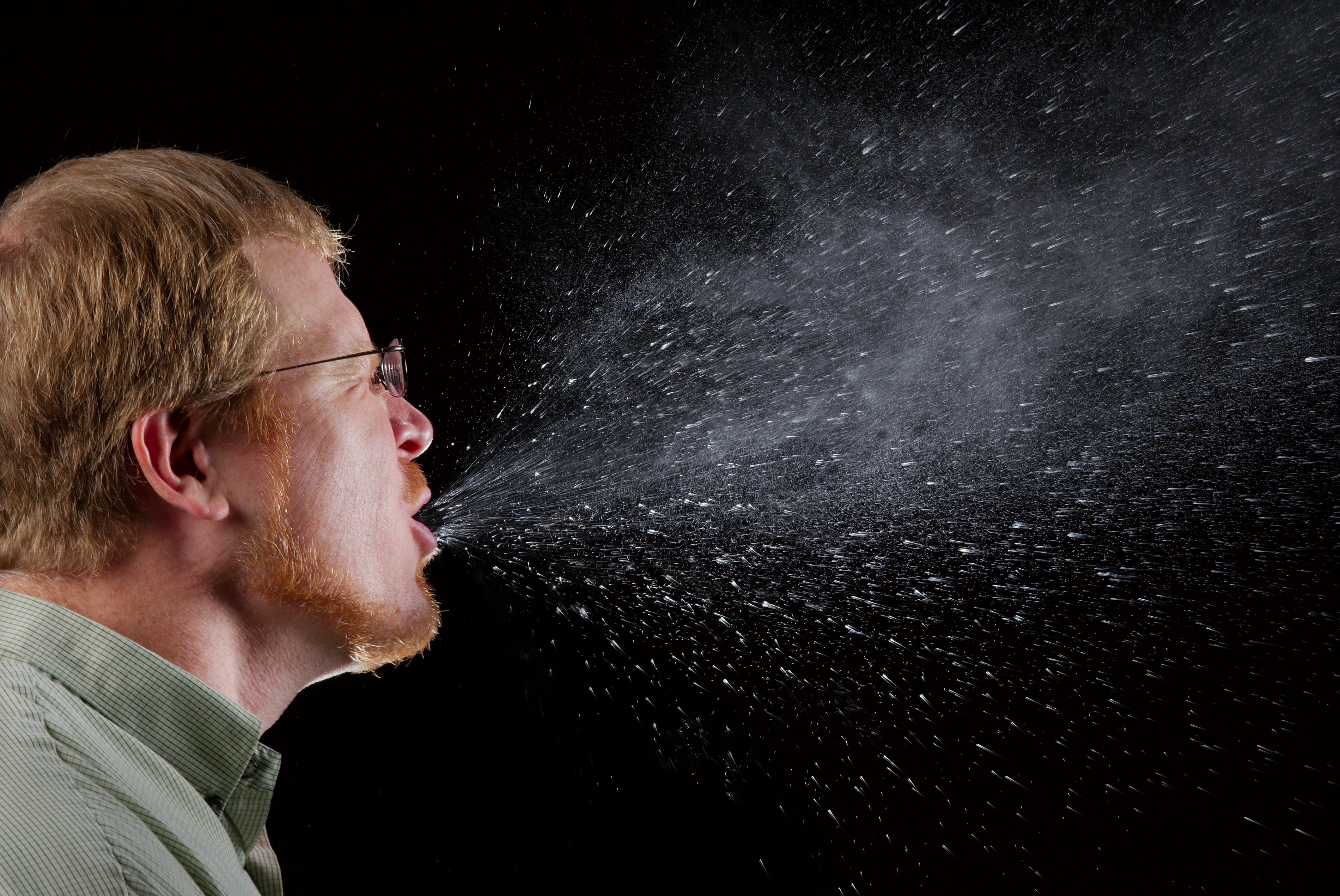
- The Pathogens: Influenza, Pertussis (Whooping Cough), and Mumps all require the implementation of droplet precautions.
- Your Armor: Because these droplets are heavy and just need to be blocked from splashing into your nose or mouth, droplet precautions require healthcare workers to wear a surgical mask. And don't wait until you're at the bedside! Healthcare workers must don a surgical mask upon entering the room of a client on droplet precautions.
- Transporting the Client: Just like with airborne, clients on droplet precautions must wear a surgical mask when being transported outside their room.
3. Contact Precautions: The Hitchhikers
Contact precautions prevent transmission of infectious agents spread by direct or indirect contact with the client or the client's environment. These pathogens don't fly, and they don't splash. They wait on surfaces. They are hitchhikers looking for a ride on your hands, your scrubs, or your stethoscope.
- The Pathogens: Methicillin-resistant Staphylococcus aureus (MRSA), Vancomycin-resistant enterococci (VRE), Clostridioides difficile, and Scabies all require the implementation of contact precautions.
- Your Armor: To prevent these hitchhikers from latching onto your clothes, contact precautions require healthcare workers to wear a gown and gloves upon entering the room.
- The Environment: If you bring a blood pressure cuff into a MRSA room and then take it to the next client, you've just acted as a free taxi service for the bacteria. Therefore, dedicated disposable medical equipment must be used for clients on contact precautions to prevent environmental spread. If you absolutely must use a reusable piece of gear, reusable medical equipment used for a client on contact precautions must be disinfected before use on another client.
Putting on (donning) and taking off (doffing) Personal Protective Equipment is an exercise in logic. You need to put it on so that everything overlaps perfectly to protect you, and take it off so you don't accidentally smear pathogens into your own eyes or mouth.
Donning (Putting it on)
You start from the bottom/base and build up, securing the dirtiest tasks last. The correct sequence for donning personal protective equipment is:
- Gown (Covers your largest surface area).
- Mask or respirator (Secures your airway).
- Goggles or face shield (Protects your eyes).
- Gloves (Goes on last so they can pull over the cuffs of the gown, sealing the gap).
Doffing (Taking it off)
When taking it off, you remove the most contaminated items first, but you protect your airway until the very end. The correct sequence for doffing personal protective equipment is:
- Gloves (These are the dirtiest. Take them off first so you don't touch your face with MRSA hands!).
- Goggles or face shield (Remove by the clean straps behind your ears).
- Gown (Pull from the neck/shoulders, rolling the contaminated outside inward).
- Mask or respirator (Take this off last, right before leaving the room, so you don't breathe in suspended particles while removing your gown).
Setting up a sterile field is a lot like playing "The floor is lava," except the lava is microscopic bacteria, and the rules are absolute. Remember, surgical asepsis eliminates all microorganisms. If you break a rule, the field is considered contaminated, and you must start over. No exceptions. No "five-second rule."
Rule 1: Like touches like.
A sterile object remains sterile only when touched by another sterile object. If your sterile gloved hand touches a sterile gauze pad, it's sterile. If your bare finger touches it, it's contaminated.
Rule 2: The Geometry of the Field
You must have absolute visual and physical control over the sterile field.
- A sterile field placed out of the healthcare worker's range of vision is considered contaminated. You cannot guarantee a stray droplet or dust particle didn't fall on it while you were looking away. Therefore, a healthcare worker must never turn their back on a sterile field.
- Gravity works against you. A sterile field or object held below the healthcare worker's waist level is considered contaminated. Keep your hands up where you can see them!
- A healthcare worker must never reach across a sterile field. If you wear a non-sterile scrub top and reach your arm across the sterile tray, dead skin cells or lint from your sleeve will fall via gravity right into your sterile zone.
Rule 3: The Boundaries
Think of your sterile drape like a pizza. The center is the good stuff; the crust is just the handle. The outer one-inch border of a sterile drape is considered unsterile. You can touch that 1-inch border with your bare hands to maneuver the drape, but you cannot place any sterile instruments on it.
Rule 4: Opening Packages
When you open a sterile kit, you have to peel back the folded flaps. Sterile packages must be opened with the first flap pulled away from the body. Why? If you pull the first flap toward you, you will subsequently have to reach over the sterile inside of the package to open the remaining flaps. And what did we learn in Rule 2? Never reach across a sterile field!
Rule 5: The Physics of Fluids (Capillary Action)
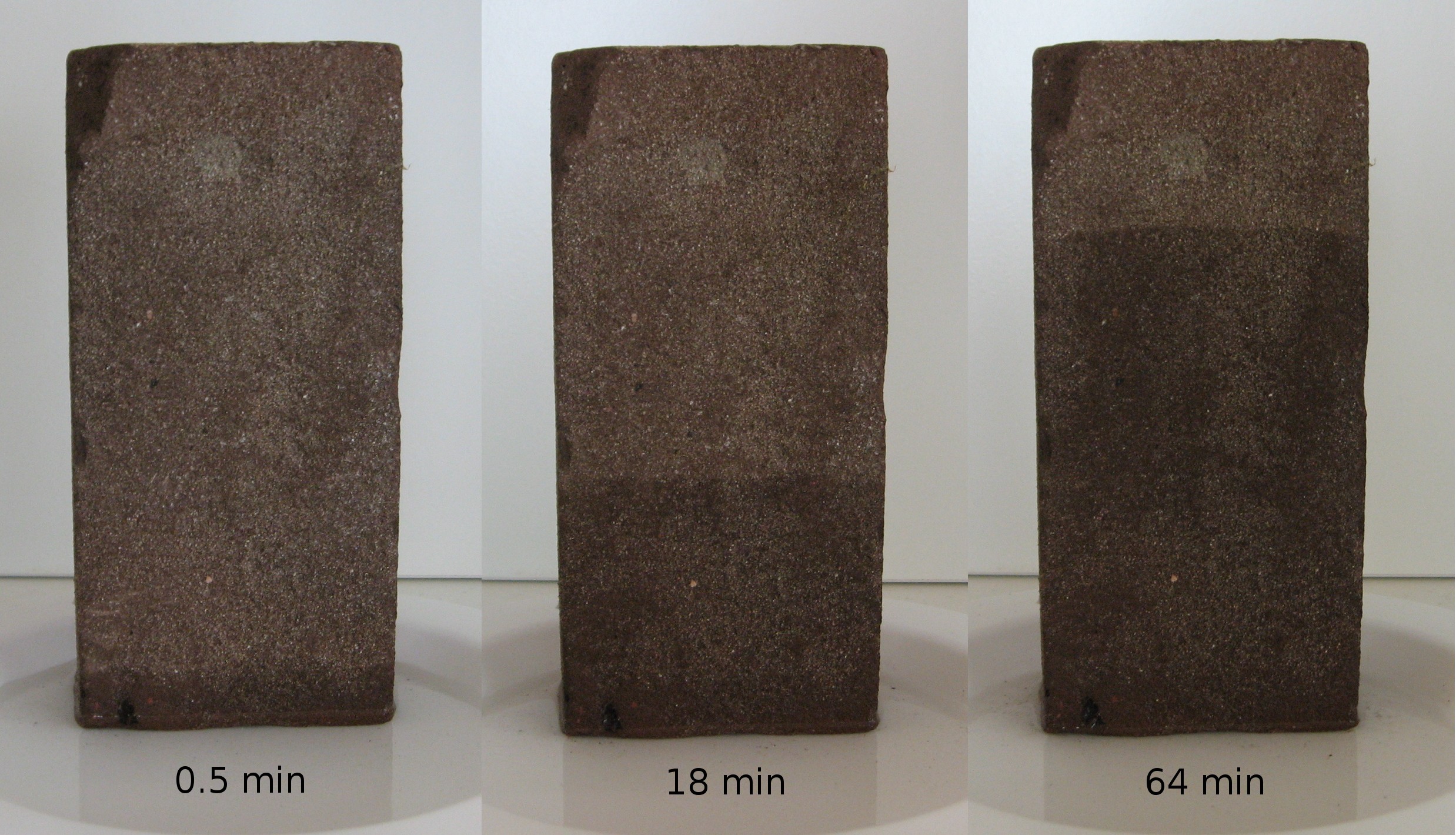
If you set your sterile paper drape on a wet bedside table, what happens? The liquid seeps up through the paper. This is called capillary action. Water acts as a microscopic highway, allowing bacteria from the dirty table to swim right up to the sterile surface. Therefore, moisture drawn through a sterile drape by capillary action contaminates the sterile field.
If you are pouring a sterile liquid (like sterile saline) into a sterile basin, you do a trick called "lipping." Liquids must be lipped by pouring a small amount into a disposable receptacle before pouring into a sterile container. Why? This flushes away any ambient dust or microbes resting on the very lip of the bottle, ensuring the liquid you pour into your field is purely sterile.
Rule 6: The Clock
Microbes settle from the air over time. Prolonged exposure to airborne microorganisms contaminates a sterile field. You don't set up a sterile field at 8:00 AM for a procedure happening at 10:00 AM. You set it up immediately before you need it.
A Final Note for the Exam
When you sit down to take the NCLEX-PN, close your eyes for a moment. Visualize the physics we just talked about. See the floating TB particles trapped by an N95 and a vacuum room. See the heavy influenza droplets falling to the floor. Feel the friction of soap washing away the C. diff spores. Picture the geometric boundaries of your sterile field.
You aren't just memorizing guidelines; you are mastering the laws of the microscopic universe to protect human lives. Now, go ace that test!