Restraints, Safety Devices, and Safe Use of Equipment
Not sure you’re ready?
Take the ~3-minute readiness diagnostic and see where you stand.
The Physics of Safety: Restraints, Devices, and Defending Your Patient
Hello! Let's talk about something that goes to the very core of nursing. We often think of medicine as what we give a patient—the medications, the treatments, the procedures. But a huge part of your job on the floor is going to be about what you prevent.
We are talking about safety. And I don’t mean "safety" in some boring, bureaucratic sense. I mean the physics and the psychology of keeping human beings safe when they are vulnerable, confused, or surrounded by machines that plug into the wall and run on high-voltage electricity.
For the NCLEX-PN, you need to understand the profound responsibility of using restraints and the absolute precision required when managing client care equipment. We are taking away a person’s liberty for their own protection, and we are trusting machines with their lives. You cannot afford to guess here. Let's break it down so you never forget it.
What exactly is a restraint? It sounds like an easy question, but it’s broader than you think. In the clinical world, restraints are classified into physical and chemical categories.
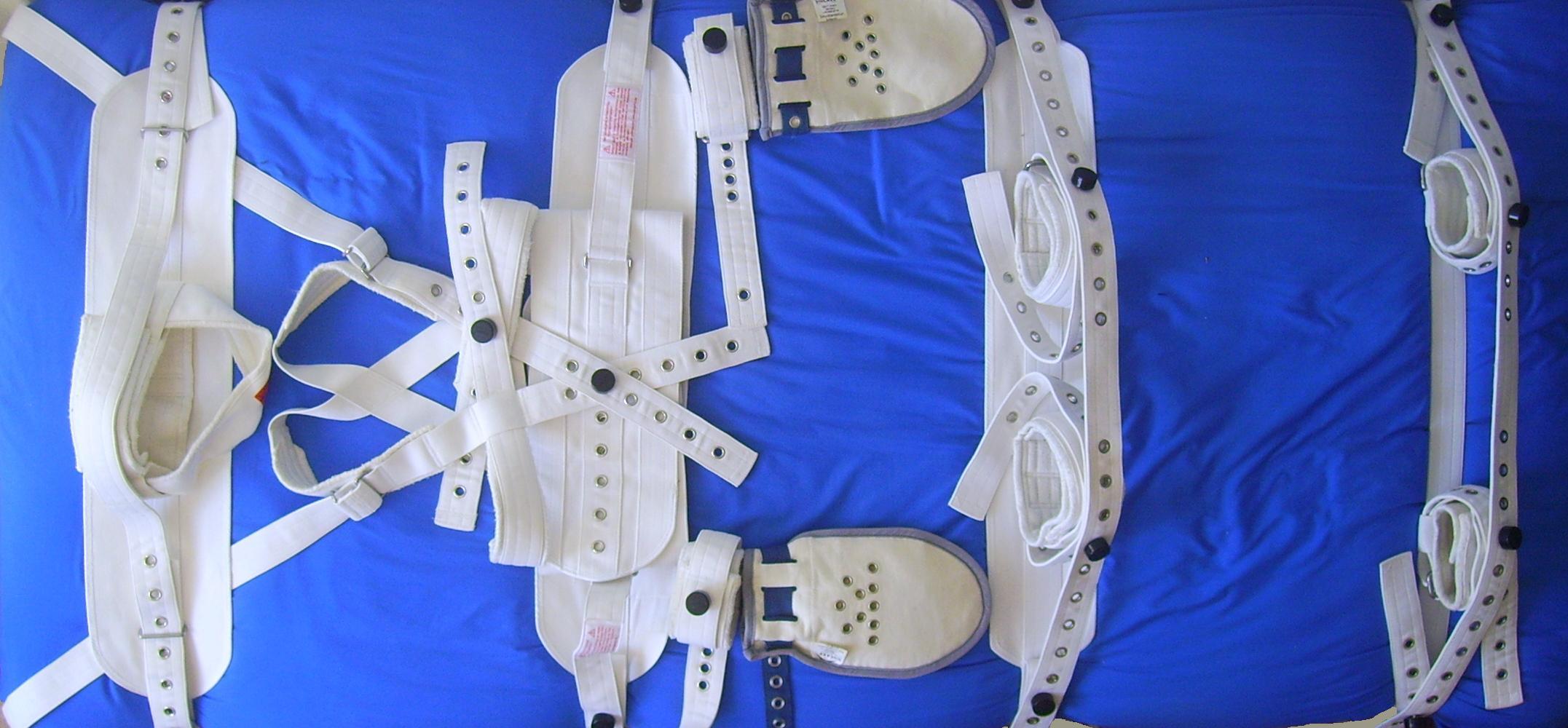
- A physical restraint is exactly what it sounds like: any manual method or mechanical device attached to a patient's body that restricts their freedom of movement.
- A chemical restraint, on the other hand, is a medication used specifically to control behavior or restrict movement, rather than to treat a standard medical condition. If you are giving a heavy sedative solely to keep a patient from wandering, you are chemically restraining them.
Now, what if you just put the patient in a room, shut the door, and don't let them out? Seclusion involves confining a client alone in a room and preventing the client from leaving. Make no mistake: seclusion is legally and clinically classified as a form of restraint. You are restricting their liberty.
The Law of the Last Resort
Let me be absolutely clear about the golden rule of this topic: Physical restraints must only be utilized as a last resort to protect the client or others from harm.
Before you even think about reaching for a restraint, nurses must exhaust all less restrictive alternative measures. If the NCLEX asks you what to do first with a confused patient trying to pull out an IV, the answer is never to tie them down immediately. Try something else! Reorientation and frequent toileting are considered less restrictive alternative measures to restraints. Often, a patient is agitated simply because they don't know where they are, or because they have a full bladder and can't communicate it. Fix the underlying problem first.
If you have exhausted all alternatives and a restraint is the only way to keep the patient safe, you have to follow strict legal protocols.
Healthcare providers must prescribe physical and chemical restraints prior to application. You cannot decide to restrain a patient purely on your own authority, except in one very specific situation.
The Emergency Exception: A licensed nurse can apply a physical restraint without a prior prescription in a strict emergency—for instance, if a patient suddenly becomes violent and is about to harm themselves or staff. However, emergency application of a physical restraint requires obtaining a provider prescription within one hour of application. The clock starts ticking the second that restraint goes on.
The Perfect Prescription
A restraint prescription isn't a simple "Restrain patient" scrawl on a chart. It must be incredibly precise. A restraint prescription must explicitly document:
- The specific client behavior warranting the restraint (e.g., "actively pulling at endotracheal tube").
- The specific type of restraint to be used (e.g., "bilateral wrist restraints").
- The exact duration of the restraint use.
CRITICAL NCLEX TRAP: As-needed or PRN prescriptions for any type of restraint are strictly prohibited. You will never see a valid order that says "Restraints PRN for agitation." If a patient needs to be restrained again, the provider must write a brand new, specific prescription.
If you're going to use a physical device, you need to use the right tool for the job. You want to match the restraint to the exact risk the patient poses.
Types of Physical Restraints
| Restraint Type | Clinical Purpose |
|---|---|
| Mitt Restraints | Utilized to prevent clients from grasping or pulling on essential medical devices (like picking at surgical wounds or lines). They look like boxing gloves and are less restrictive than tying the arms down. |
| Wrist Restraints | Utilized to prevent clients from dislodging intravenous (IV) lines or enteral feeding tubes. |
| Belt Restraints | Utilized to maintain a client's center of gravity. These prevent clients from accidentally falling out of a hospital bed or wheelchair while still allowing them to move their arms and legs. |
| Vest Restraint | When applying this, the vest restraint must be applied so the crossover section is positioned on the client's front chest. (If put on backward, the V-neck can ride up and cause strangulation. Always check the crossover!) |
The Physics of Tying the Knot
When securing physical restraints, the environment matters just as much as the device.
- Where to tie: Physical restraints must be securely tied to an immovable part of the bed frame. Why? Because the bed frame does not change dimensions.
- Where NOT to tie: Physical restraints must never be tied to the movable side rails of a hospital bed. Imagine tying a patient's wrist to a side rail, and then someone lowers the rail. You will brutally wrench the patient's arm out of its socket.
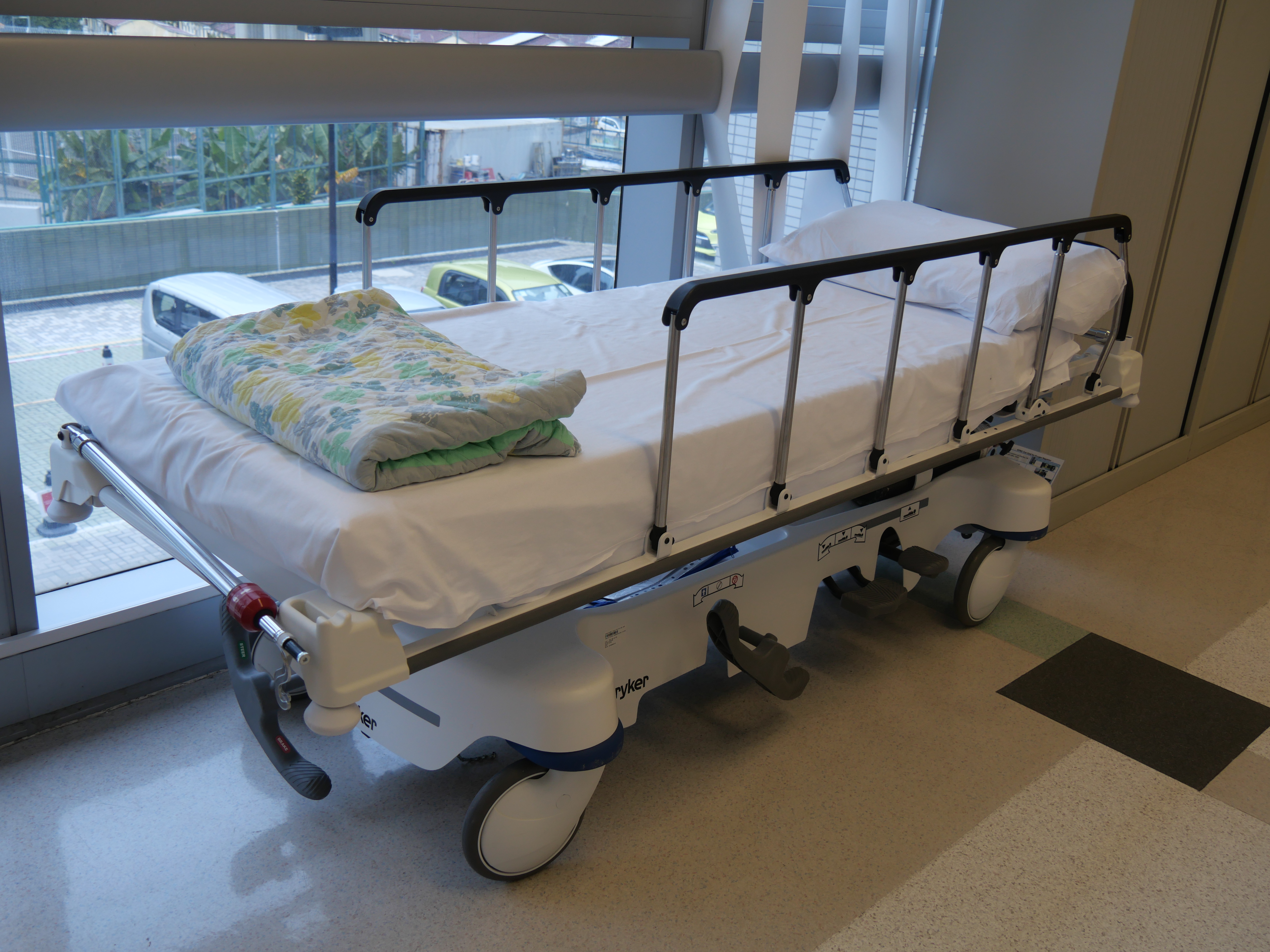
- How to tie: In an emergency (like a fire or a sudden code), you need that restraint off now. Therefore, nurses must secure physical restraints using a quick-release knot. You don't want to be fumbling with a Boy Scout knot while the patient needs CPR. A slip knot is an acceptable quick-release knot for securing physical restraints.
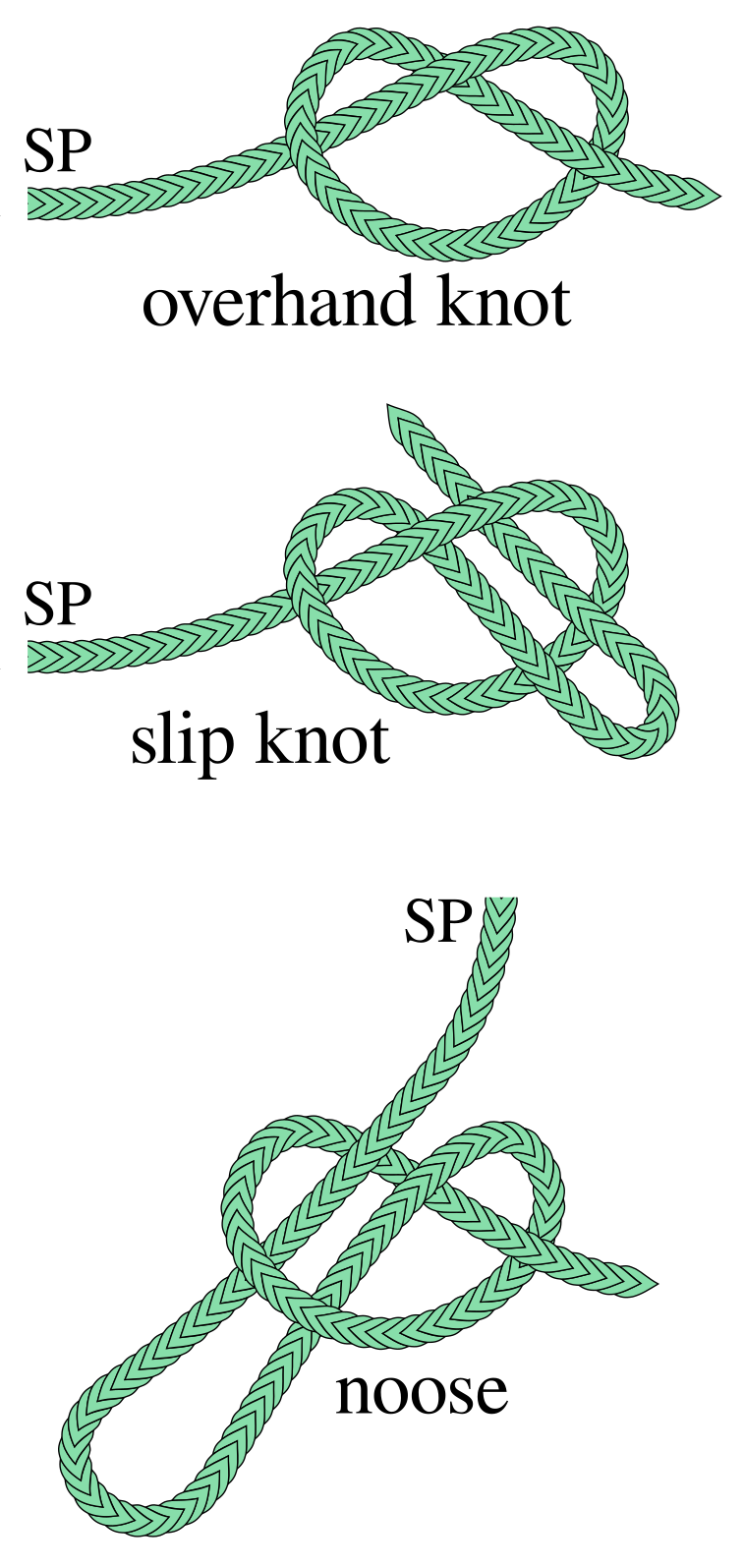
- How tight: You don't want a tourniquet! A properly applied physical restraint allows the nurse to fit exactly two fingers between the restraint and the client's skin.
When you restrain a patient, they are entirely dependent on you. You become their hands, their legs, and their advocate. Because of this, the monitoring requirements are incredibly rigorous.
The Two-Hour Rule
For a standard, non-violent restraint (like keeping an elderly patient from pulling a feeding tube), nurses must assess clients in non-violent physical restraints at least every two hours.
During this two-hour assessment, you aren't just waving hello. You have serious clinical work to do:
- Skin Integrity: Routine two-hour restraint assessments must include a thorough skin integrity check of the restrained area to ensure no friction burns or pressure ulcers are forming.
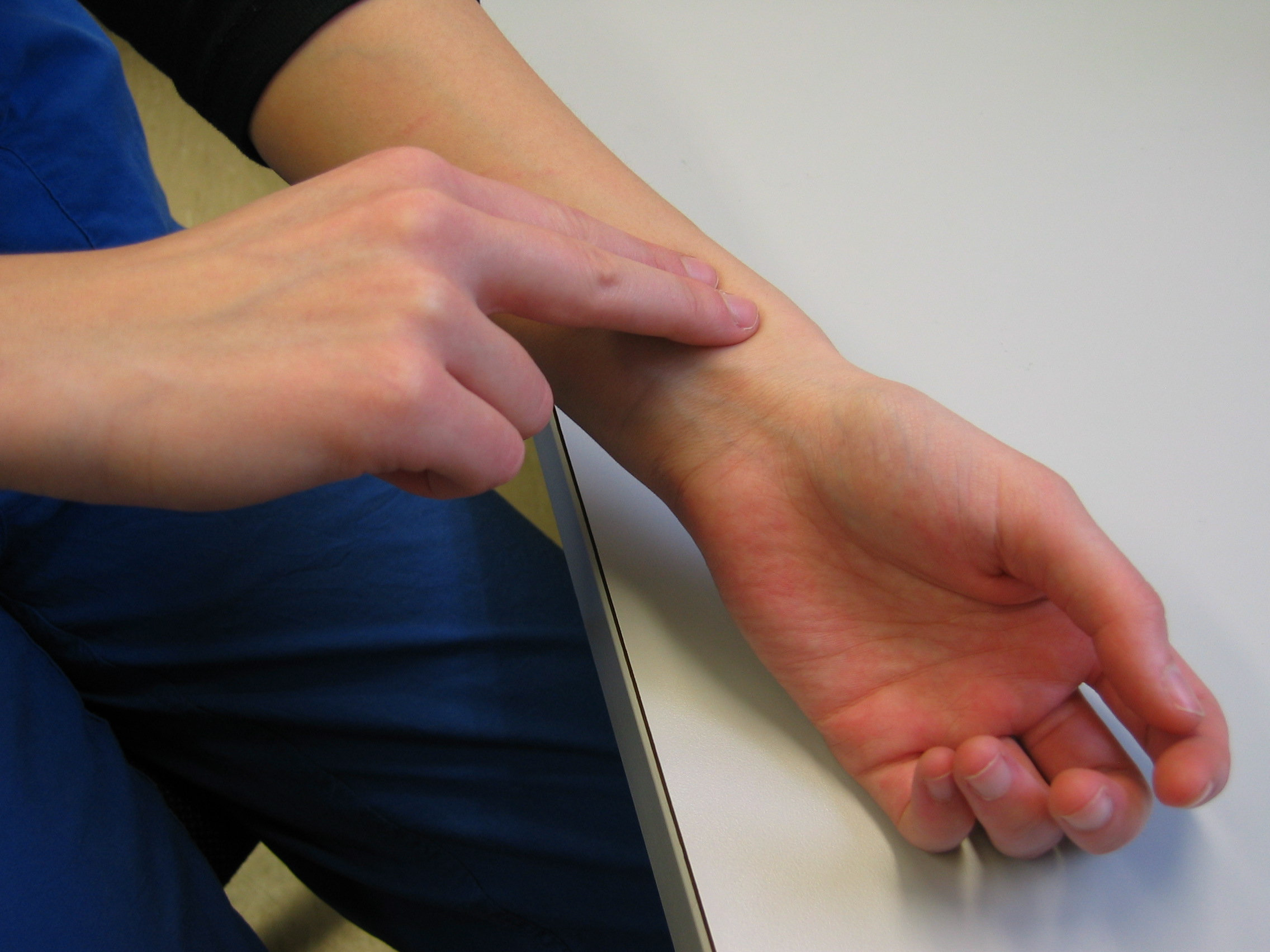
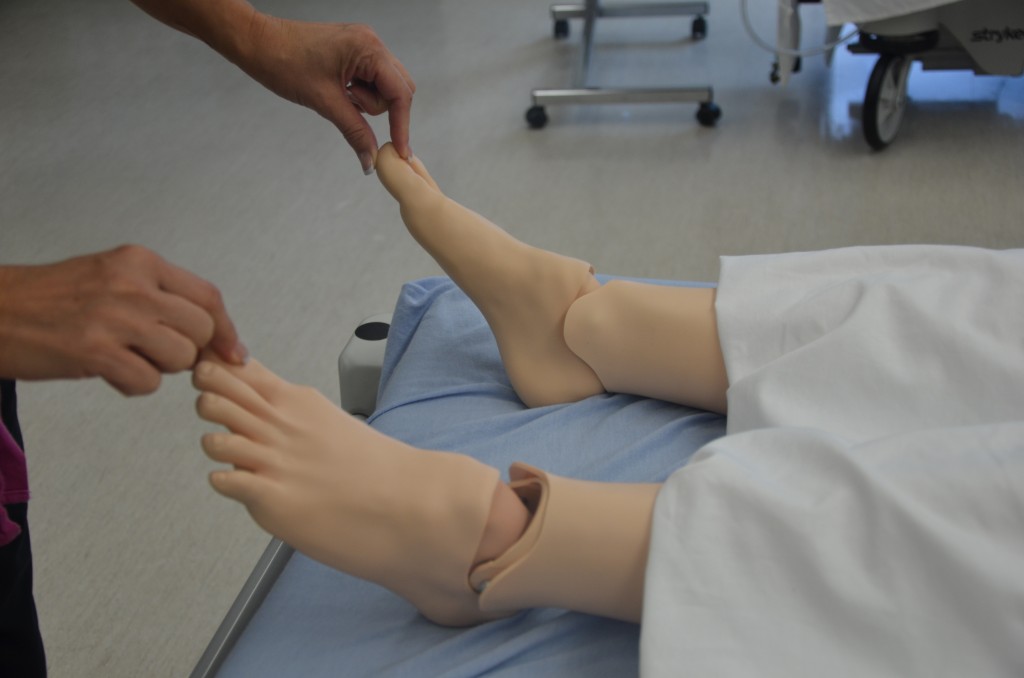
- Circulation Check: You must perform a comprehensive circulatory check of the restrained extremity. This involves a multi-step vascular and neurological assessment:
-
Assessing the peripheral pulse of the restrained extremity.
-
Assessing capillary refill and skin color of the restrained extremity.
-
Assessing the skin temperature of the restrained extremity.
-
Assessing sensory and motor function of the restrained extremity (Can they feel your touch? Can they wiggle their fingers/toes?).
-
Release and Rejuvenation
You can't just leave a restraint on continuously. Nurses must temporarily remove physical restraints at least every two hours.
Why do we take them off? First, the temporary removal of physical restraints facilitates the performance of active or passive range of motion (ROM) exercises to prevent joint contractures and muscle stiffness. Second, it allows you to care for the human being beneath the device. Basic needs including food and fluids must be offered every two hours to a restrained client. Furthermore, toileting opportunities must be offered every two hours to a restrained client.
Observation Timelines (Violent vs. Non-Violent)
Not all restraints are created equal, and neither are the observation protocols:
- Violent Restraints: If a patient is actively trying to fight, bite, or hurt themselves/others, the risk of injury from the restraint itself is incredibly high. Clients placed in violent restraints require continuous one-to-one observation by healthcare staff. You never take your eyes off them.
- Non-Violent Restraints: For patients who are simply confused and pulling at lines, clients placed in non-violent restraints require documented observation at least every fifteen to thirty minutes.
The Paper Trail (Documentation)
If it isn't documented, it didn't happen, and in a court of law, improper restraint documentation will ruin your career. Restraint documentation must capture the client's physiological and psychological response to the restraint. Are they calming down? Are they becoming more agitated?
You must precisely map out the timeline and your thought process. Restraint documentation must:
- Detail the specific less restrictive alternative interventions attempted prior to restraint application.
- Record the exact time the physical restraint was applied.
- Record the exact time the physical restraint was permanently removed.
Now, let’s pivot away from restraints and look at the environment. Modern healthcare is a symphony of electricity, pressurized gases, and complex machinery. If you don't respect the equipment, people get hurt.
Electrical Safety
Hospitals draw massive amounts of power. All electrical medical equipment must display a current safety inspection sticker from the facility. Furthermore, facility protocols dictate the specific preventative maintenance schedule for all client care equipment. If a machine doesn't have an up-to-date sticker, do not plug it in!
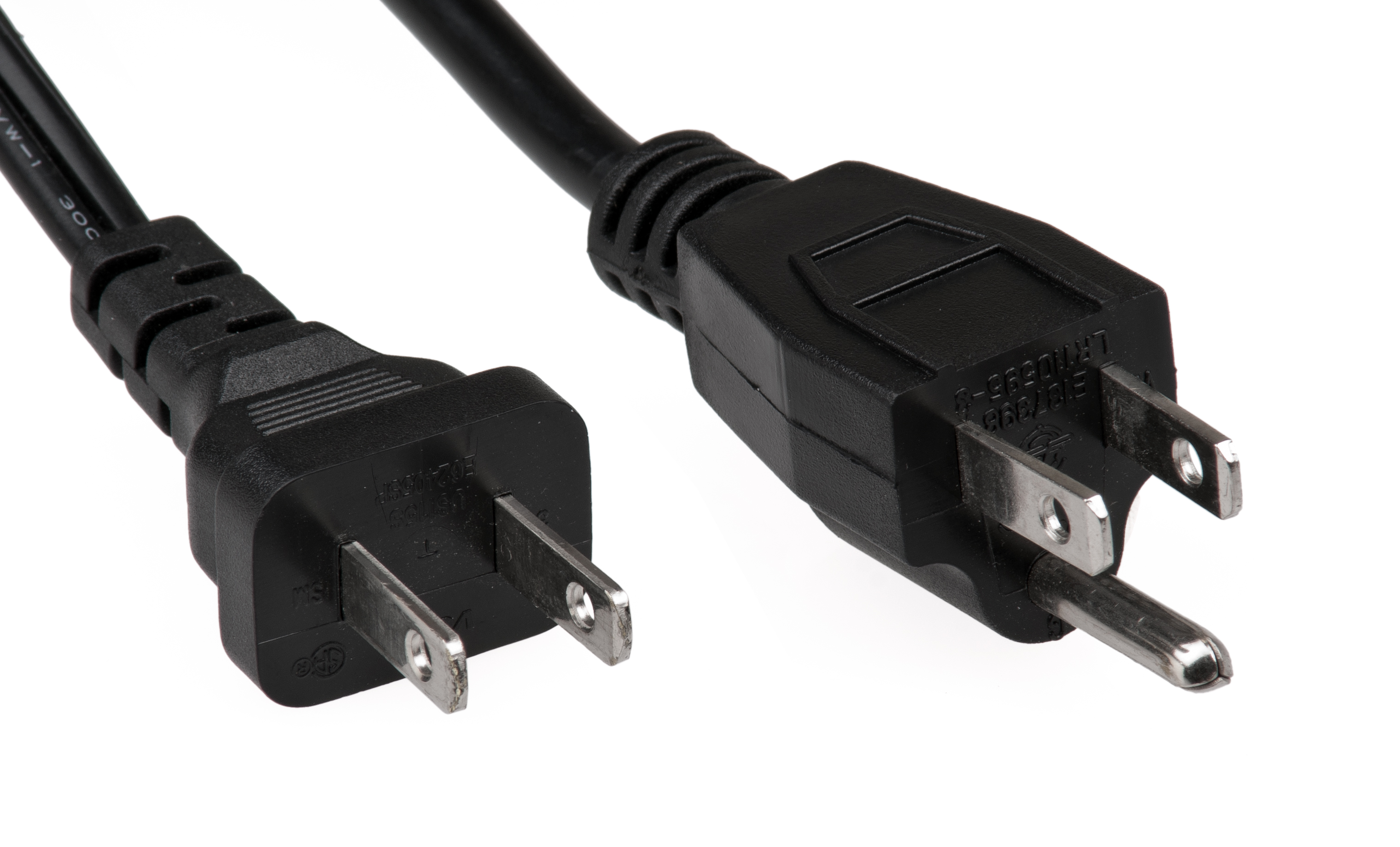
Let's talk about the anatomy of a plug. Three-pronged electrical plugs are mandatory for all hospital-grade medical equipment. Why? What does that third, round prong at the bottom actually do? The third prong on a medical equipment plug provides electrical grounding to prevent fatal shocks. It gives stray electricity a safe path to the ground rather than traveling through you or your patient.
The Red Outlets: Look at the walls in any hospital room. You will notice some outlets are white, and some are bright red. Life-sustaining medical equipment plugs must be inserted exclusively into red wall outlets. Why? Because red wall outlets in a hospital are directly connected to the facility's emergency backup generator. If the city grid goes down and the hospital loses power, the red outlets stay alive. Ventilators, heart monitors, and critical IV drips belong in red outlets. Your cell phone charger does not.
Defective Equipment: The "Do Not Touch" Rule
Things break. When they do, you need to act fast.
- Frayed Cords: Healthcare staff must immediately remove any electrical equipment with frayed cords from the client care area. A frayed cord in an oxygen-rich environment is a spark waiting to cause a catastrophic fire.
- Faulty Machines: If a machine is acting up, defective medical equipment must be clearly labeled as faulty. Put a big, bold tag on it so your colleagues don't try to use it on the next shift.
- The Fix: Defective medical equipment must be routed directly to the biomedical engineering department for evaluation. Let me say this loudly: Nurses are strictly prohibited from attempting to repair broken or malfunctioning medical equipment. You are a clinician, not an electrician. Opening up an IV pump with a screwdriver is a massive liability.
Alarms and Infusions
Speaking of IV pumps, they administer highly potent drugs directly into a patient's bloodstream. Intravenous infusion pumps must be programmed strictly according to the manufacturer's operational instructions.
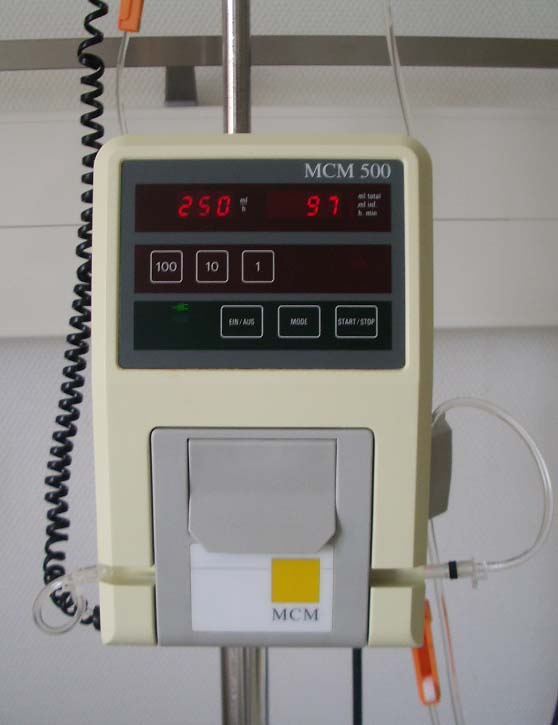
And when those machines beep? Nurses must never silence clinical equipment alarms without first investigating and resolving the underlying cause. "Alarm fatigue" is a real phenomenon where nurses get so used to beeping that they just hit the mute button. Turning off a heart monitor alarm without checking the patient is how people die quietly in hospital beds. Always check the patient first, fix the problem, then clear the alarm.
The Physics of Oxygen Cylinders
We use oxygen so often we forget it’s a highly reactive gas stored under immense pressure.
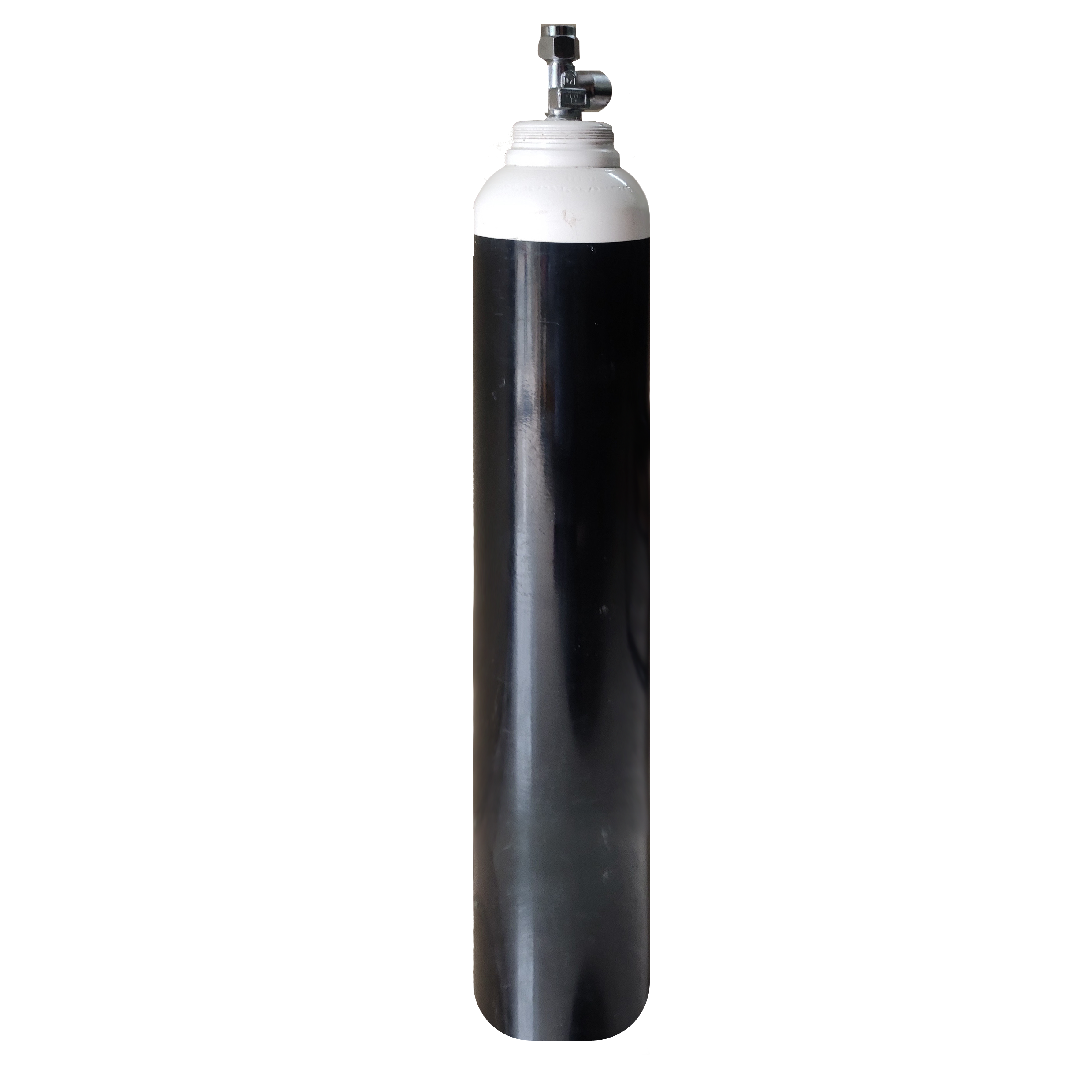
Portable oxygen cylinders must be stored in a secured upright position at all times. They belong in approved metal racks or chained to the wall. Why? Because if a heavy metal cylinder falls over and the pressurized valve snaps off, the physics are terrifying. Unsecured oxygen cylinders carry a high risk of exploding or acting as high-velocity projectiles. An oxygen tank with a broken valve essentially becomes an unguided steel missile that can blast through brick walls. Respect the cylinder.
Finally, let’s bring it back to the absolute basics of keeping the patient safe in their own room. Falls are one of the leading causes of injury in healthcare settings, and they are almost entirely preventable through simple physics and habit.
- The Hospital Bed: Gravity is either your friend or your enemy. A client's hospital bed must be maintained in the lowest possible elevation to prevent fall injuries. If they do happen to roll out of bed, a four-inch drop to the floor is vastly better than a three-foot drop. Furthermore, hospital bed wheels must remain in the locked position at all times unless actively transporting the client. If the patient leans on an unlocked bed to stand up, it will roll away, and they will hit the floor.
- The Wheelchair: Transfers are high-risk moments. Wheelchair wheels must be securely locked prior to transferring a client into the wheelchair. And just as importantly, the wheelchair wheels must be securely locked prior to transferring a client out of the wheelchair.
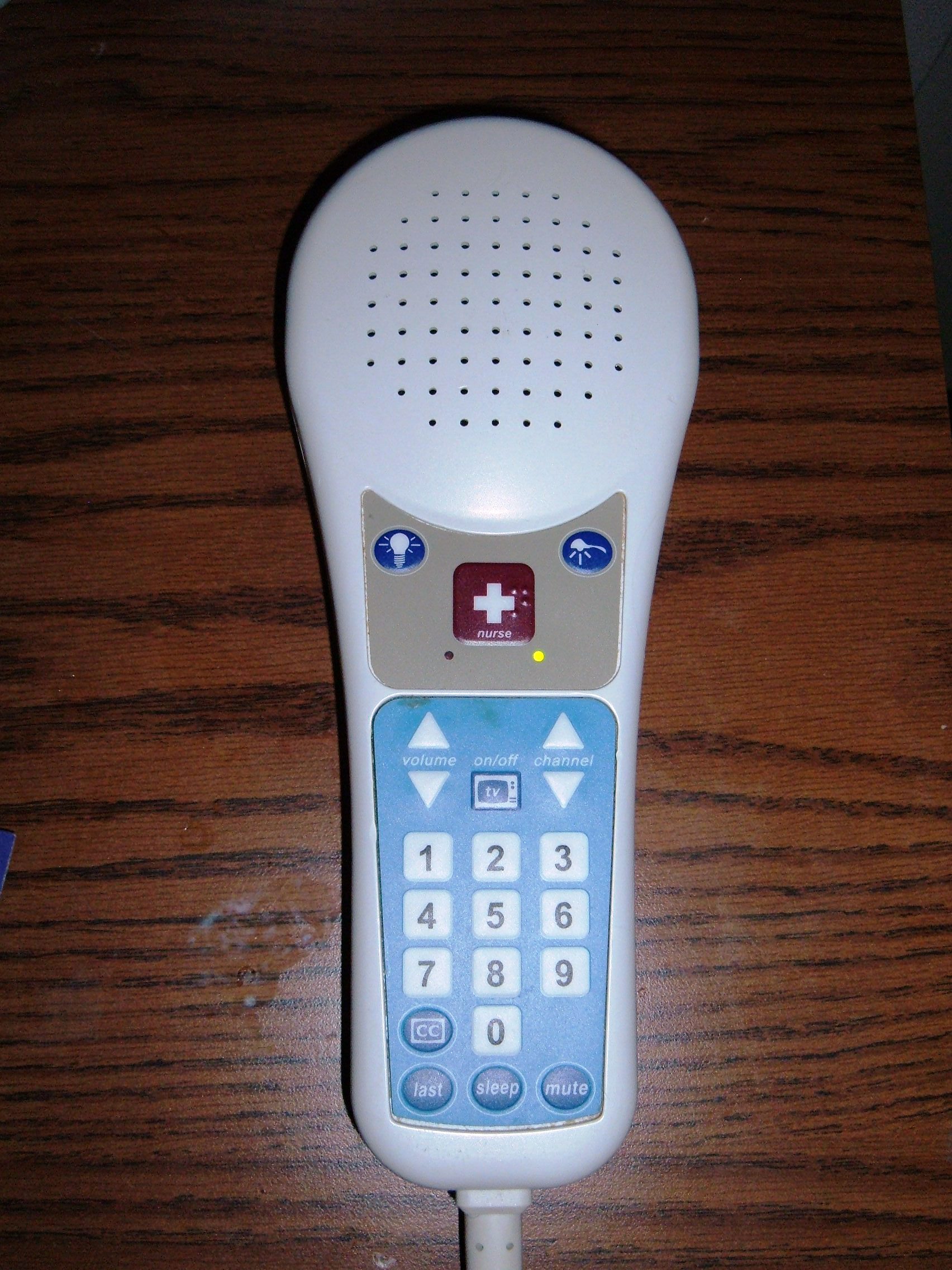
- The Lifeline: If a patient needs help, they shouldn't try to get up themselves. To ensure this, a functioning call bell must be placed within the client's immediate physical reach at all times. Before you step foot out of a patient's room, look at their hand, look at the call bell, and make sure the two can easily meet.
The Final Word for the NCLEX
Whether you are applying a physical restraint, plugging a ventilator into a red outlet, or locking the wheels of a bed, you are executing precise interventions to manipulate the patient's physical environment for their own survival. Treat every restraint as a temporary revocation of liberty that requires meticulous justification. Treat every machine as a tool that demands respect and maintenance.
Master these concepts, remember the "why" behind the rules, and you will not only crush these questions on the NCLEX-PN—you will be the fiercely protective nurse your patients deserve.