Science for the ATI TEAS 7: What's Tested and How to Study It
In short
Science is the biggest section on the [ATI TEAS 7](/exams/nursing/ati-teas-7) — 29% of your scored questions, spread across 12 topic areas, tested in a 60-minute block. Most of it is Human Anatomy & Physiology, so the section rewards memorizing how the body's systems are built and what each one does. It's the section most candidates find hardest, and the one worth the most study time.
The big ideas
Science splits into three uneven buckets: anatomy and physiology (the largest by far), a chunk of biology and chemistry, and a small slice of scientific reasoning. Where you spend your hours should mirror that split.
Human anatomy and physiology — the core
Six of the 12 topics are body systems. Start with human anatomy general orientation: the directional terms and body planes that every other question assumes you know. Sagittal splits the body left/right, frontal splits front/back, transverse splits top/bottom. Medial means toward the midline, lateral away from it. Get these cold and the system questions get easier.
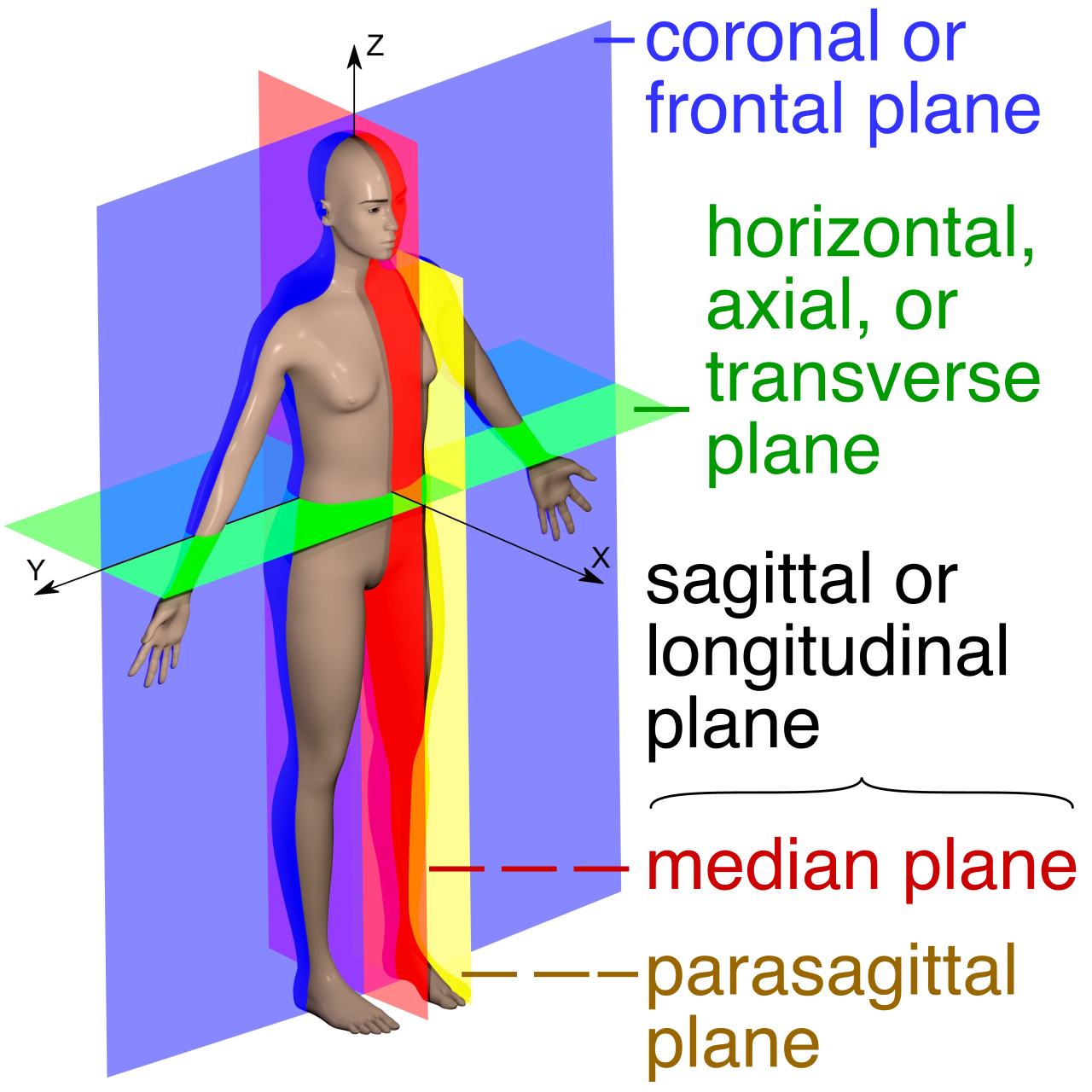
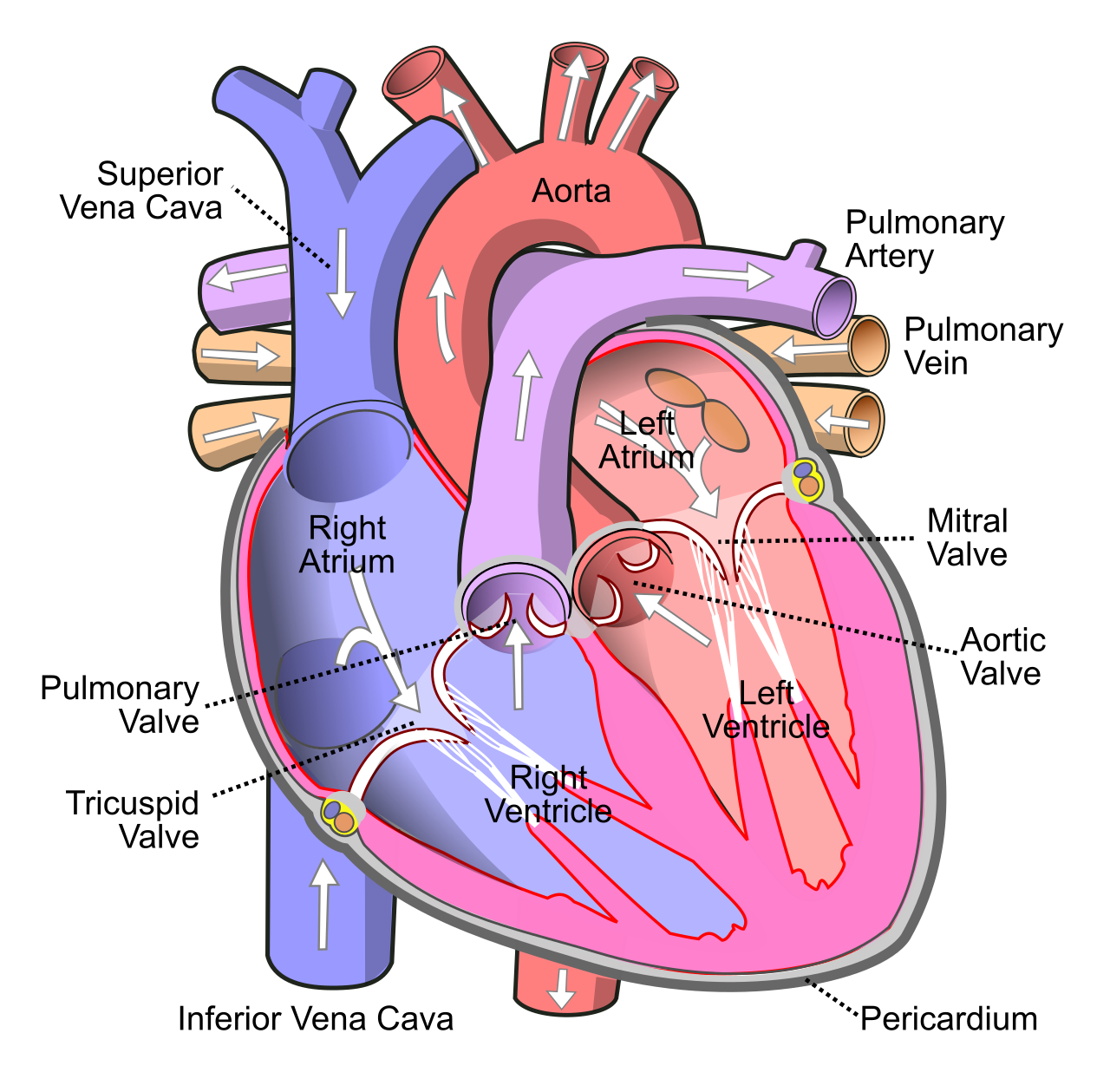
Then work the systems, ideally in linked pairs: respiratory and cardiovascular, digestive and nervous, muscular and reproductive, integumentary and endocrine, and urinary, immune, and skeletal. For each, learn the primary structures, their functions, and the key terms. A classic tested pathway is blood through the heart:
Right atrium → right ventricle →
lungs (pick up oxygen) →
left atrium → left ventricle →
out to the body.
Cell biology and genetics
Cell structure and transport is a reliable question source — especially the difference between passive transport (no energy: diffusion, osmosis) and active transport (uses energy to move substances against their gradient). Genetics and Mendelian inheritance brings dominant vs recessive alleles and reading a Punnett square. Macromolecules (carbs, lipids, proteins, nucleic acids) and microorganisms round out the biology.
Chemistry and scientific method
Atomic structure and matter, plus chemical reactions and solutions, cover the basics: protons/neutrons/electrons, the periodic table, and reaction types. The last topic, scientific reasoning and method, tests experimental design — you'll need to spot the independent variable (the one deliberately changed), the dependent variable (the one measured), and the control group (the untreated baseline for comparison).
How it shows up on the exam
Science carries 29% of your scored questions — more than Reading (26%), Math (23%), or English (22%) — and gets the longest section clock at 60 minutes. Because Anatomy & Physiology dominates the section, give it the bulk of your roughly 20 study hours, then cover cell biology, genetics, chemistry, and method.
A workable order:
Directional terms and body planes first →
the body systems in pairs →
cell transport and genetics →
chemistry and scientific reasoning.
This is heavy memorization, so spaced repetition beats one long cram — short, repeated sessions on flashcard-style facts stick far better. Expect alternate item formats here, including hot-spot questions where you click a structure on an anatomical image, so studying from labeled diagrams, not text alone, pays off directly. Every topic maps to a 15-minute unit on Only Ever, and the practice questions are free where other prep tools paywall them.
Common questions
Why is Science considered the hardest section? It's the largest domain at 29%, and the Anatomy & Physiology portion alone demands extensive memorization of body systems, terminology, and biological processes. Volume is what makes it tough — not conceptual difficulty.
Can I trace blood flow through the heart and the pulmonary and systemic circuits? That's a core readiness check. If the pathway from right atrium out to the body isn't automatic yet, the cardiovascular questions will be slow. Drill it until you can recite it without thinking.
What's the difference between active and passive transport? Passive transport needs no energy — substances move down their concentration gradient (diffusion, osmosis). Active transport spends cellular energy to move substances against their gradient. It's a frequent question, and the energy distinction is the whole answer.
How much of my study time should go to Science? Roughly a third — about 20 hours — and most of that on Anatomy & Physiology. It's the highest-weighted section, so hours here move your overall score the most.
See where your Science stands. Try the free practice questions and let the results show which systems need another pass.